Okay, settle back into that worn armchair, maybe imagine the faint hum of a VCR powering up. Not every tape pulled from the shelves of a 90s video store was an explosion-filled action flick or a teen screamfest. Sometimes, nestled between the familiar blockbusters, you'd find something utterly unexpected, a film that felt less like a movie and more like stumbling into someone else's vibrant, woven dream. That's the feeling Mohsen Makhmalbaf's 1996 masterpiece, Gabbeh, evokes – a film that arrived like a bolt of pure, saturated colour onto the often-muted palette of mid-90s arthouse discoveries.

### More Than Just a Carpet
The premise itself feels like folklore spun into celluloid. An elderly Ghashghai couple washes a beautifully intricate gabbeh – a traditional Persian carpet – in a stream. As the water cleanses the wool, the figures and patterns seem to stir, and suddenly, a young woman emerges from the design. She is Gabbeh (Shaghayeh Djodat), the spirit or embodiment of the carpet, and the film unfolds as her story, intrinsically linked to the creation of the rug itself. It’s a narrative structure as unique and captivating as the carpets that inspired it. Makhmalbaf, a prominent figure in Iranian cinema who also gave us thought-provoking works like Salaam Cinema (1995), initially set out to make a documentary about these nomadic weavers. You can feel that ethnographic curiosity grounding the film, even as it blossoms into pure poetry.
### A Riot of Colour, A Whisper of Longing
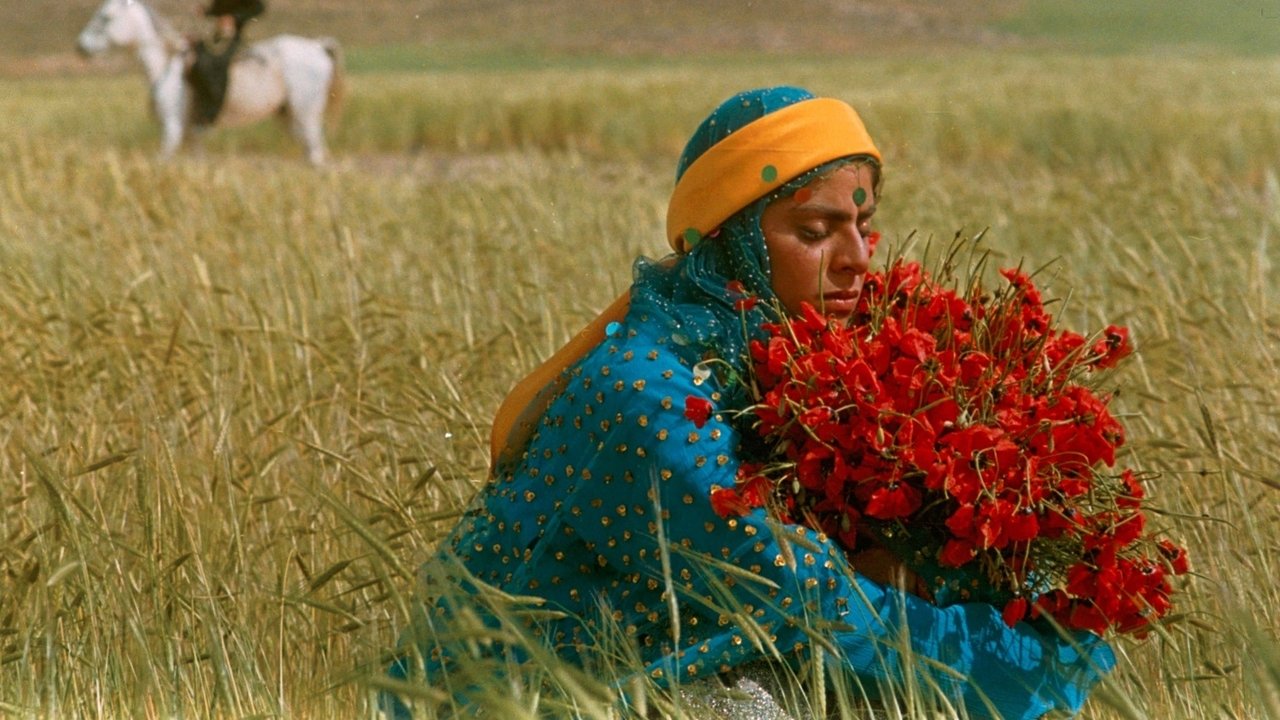
Let's be clear: Gabbeh is, first and foremost, a staggering visual experience. If you ever adjusted the tracking on your VCR hoping for a clearer picture, imagine doing it here and being rewarded with colours so intense they almost feel tangible. Cinematographer Mahmoud Kalari doesn't just capture the stunning landscapes of southeastern Iran; he paints with them. Deep blues of twilight skies, shocking bursts of crimson in flowers or dyed wool, the earthy ochres of the plains – each hue feels deliberate, symbolic, tied directly to the emotions of the story Gabbeh recounts. Her tale is one of longing, forbidden love for a mysterious horseman she hears but rarely sees, all while constrained by the traditions and expectations of her migrating family. The colours reflect her inner world: vibrant desire, flashes of hope, the deep blues of uncertainty.
It's fascinating to learn that Makhmalbaf faced challenges getting the film shown initially in Iran, perhaps due to its gentle yet persistent focus on female desire and individual yearning against collective tradition. These weren't loud pronouncements, but quiet rebellions woven into the fabric of the narrative, much like the intricate designs of the carpet itself.
### Authenticity Woven In
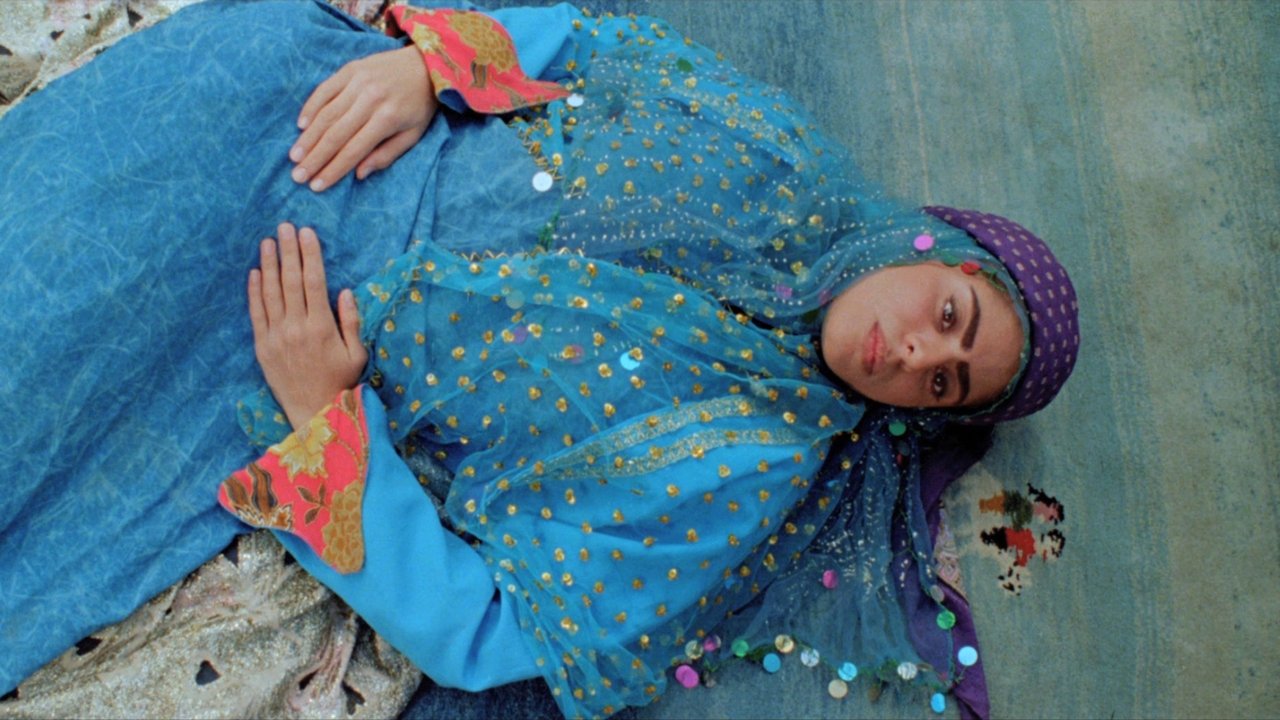
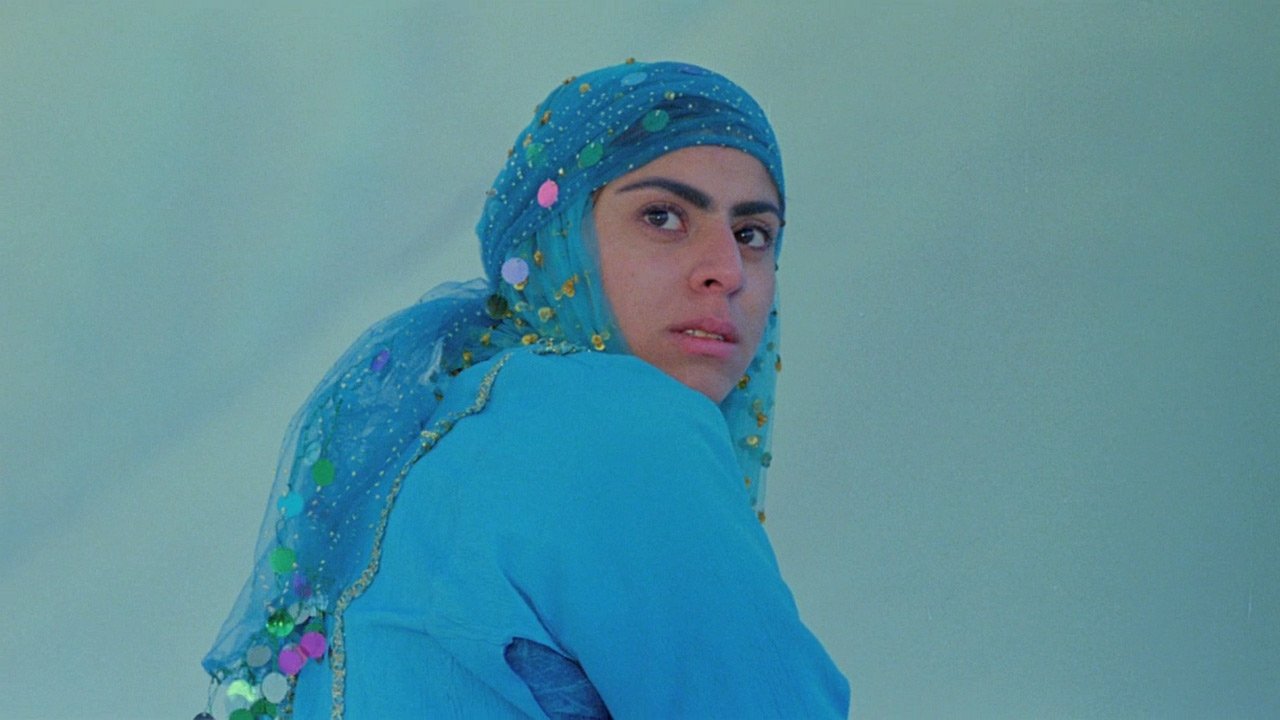
The performances, particularly from Shaghayeh Djodat as Gabbeh, possess a remarkable naturalism. There's a freshness, an unvarnished quality that feels utterly authentic. This is likely because Makhmalbaf integrated members of the Ghashghai community into the film, blending professional actors with the very people whose lives and artform inspired the story. Hossein Moharami and Rogheih Moharami, playing the elderly couple who frame the narrative, embody a lived-in history, their faces maps of time and tradition. Filming amidst a nomadic community undoubtedly presented logistical hurdles – capturing life that is constantly in motion – but the result is a film that feels deeply connected to its subject, not merely observing it. It avoids romanticizing poverty while celebrating the richness of a culture expressed through both daily life and extraordinary art.
### Finding Poetry on the Rental Shelf
Discovering Gabbeh back in the day felt like uncovering a secret. It wasn't advertised with explosions or snappy taglines. It was likely tucked away in a "Foreign Films" section that many renters hurried past. But for those who took a chance, perhaps drawn by intriguing cover art depicting those vibrant colours, the reward was immense. It was a reminder that cinema could be something else entirely – painterly, symbolic, operating on the logic of dreams and emotions rather than strict plot mechanics. It didn't deliver jump scares or car chases; it offered contemplation, beauty, and a profound connection between art, life, and the stories we tell to make sense of it all. What does the act of weaving a story into a carpet truly signify about preserving memory, desire, and cultural identity? The film lets that question linger, long after the credits (or the tape hiss) fades.
Rating: 9/10
This rating reflects Gabbeh's sheer artistic audacity and visual splendour. It's a near-perfect execution of a unique concept, using the medium of film to explore the very nature of storytelling and art. While its poetic, non-linear structure might not resonate with viewers seeking conventional narratives, its power lies in its distinctiveness and breathtaking beauty. It's a film that doesn't just show you a story; it immerses you in the very texture of its creation.
Gabbeh remains a vibrant thread in the rich tapestry of 90s world cinema, a film that reminds us how stories, like intricate carpets, can carry entire worlds within their weave. It's a beautiful testament to finding the extraordinary in the everyday, hidden in plain sight, perhaps even on a dusty video store shelf.