It's a curious thing, isn't it, how certain films lodge themselves so firmly in the cultural memory? Sometimes it's a line, sometimes an image, sometimes just a feeling. With 1990's Ghost, it feels like all three converged. Who could have predicted that a supernatural romance, tinged with thriller elements and leavened with unexpected comedy, would become such a monumental, defining hit of the era? Especially coming from Jerry Zucker, a director previously synonymous with the rapid-fire parody of Airplane! (1980) and Top Secret! (1984). It felt like a gamble, a departure – and one that paid off spectacularly, tapping into something audiences clearly craved.
A Love That Defies the Veil
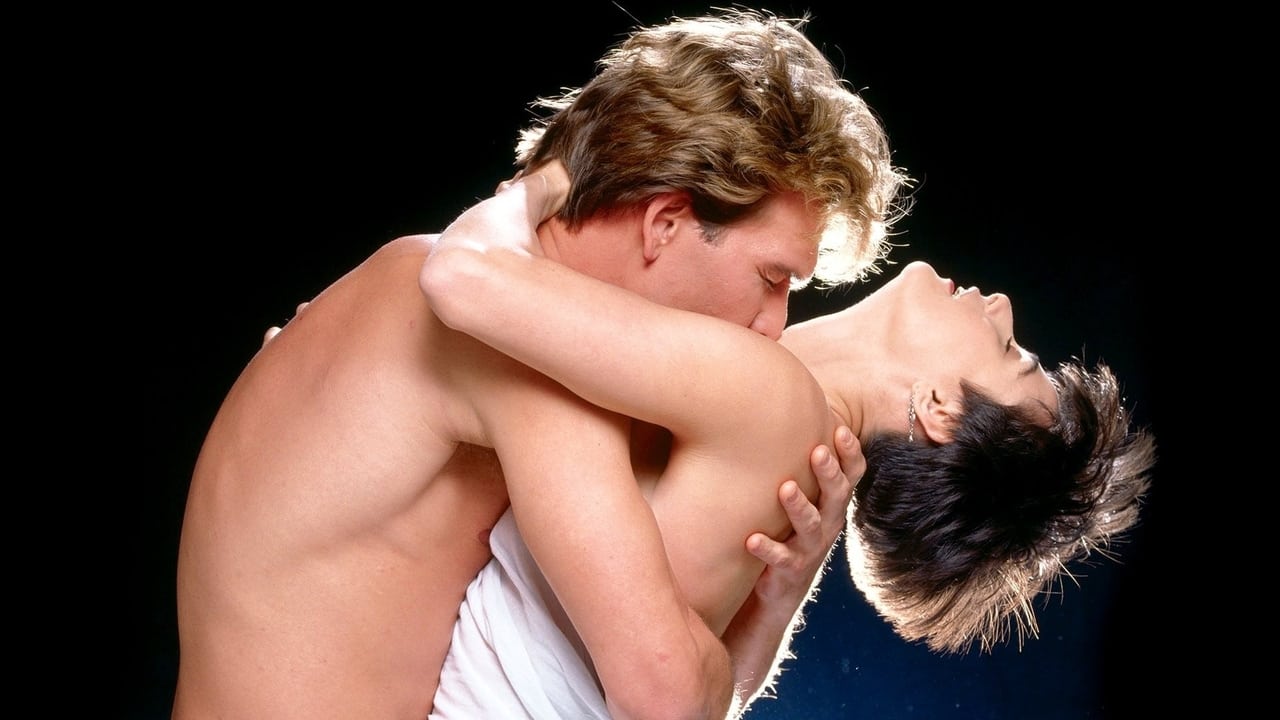
At its core, Ghost is deceptively simple: Banker Sam Wheat (Patrick Swayze) is murdered during a mugging, leaving behind his heartbroken girlfriend, artist Molly Jensen (Demi Moore). But Sam lingers, trapped between worlds, invisible and intangible. When he discovers his death wasn't random but a betrayal orchestrated by his colleague and supposed friend Carl Bruner (Tony Goldwyn), Sam must find a way to protect Molly and expose the truth. This premise, penned by Bruce Joel Rubin (who drew on spiritualist interests and reportedly shopped the script around for years before it landed), could easily have slipped into maudlin territory. Yet, Ghost largely avoids this, thanks to its careful balancing act. It understands grief, yes, but it also embraces the pulpy thrill of its conspiracy plot and, crucially, finds genuine human connection in the most unlikely of places.
I remember renting this one – the chunky plastic clamshell case, the promise of romance and suspense. It was everywhere. Everyone was talking about it, humming "Unchained Melody." It wasn't just a movie; it felt like an event. And revisiting it now, much of that power holds, particularly in the performances.
Chemistry Forged in Clay and Spirit
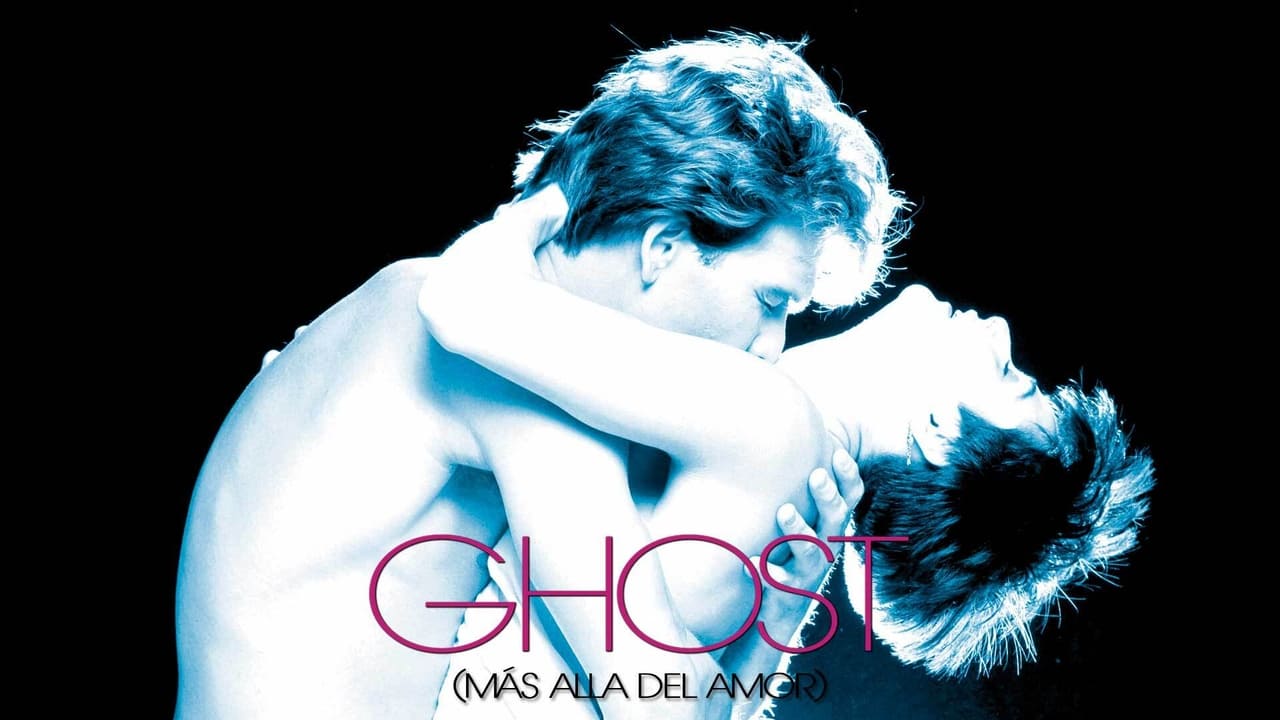
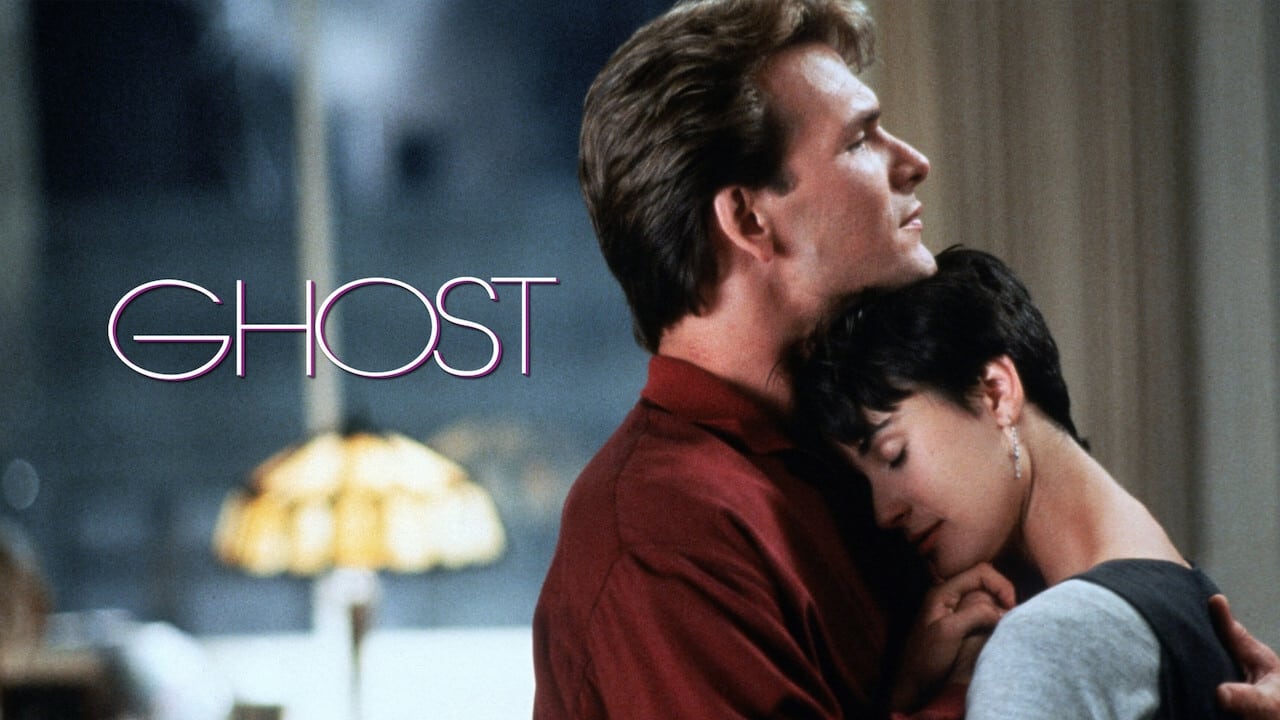
The chemistry between Patrick Swayze and Demi Moore is the film's undeniable anchor. Swayze, riding high off Dirty Dancing (1987) and Road House (1989), brings a raw physicality and vulnerability to Sam. Even as a spectral presence, his frustration, his desperation, his enduring love for Molly feels palpable. He wasn't the first choice – numerous A-listers reportedly passed, perhaps wary of playing a ghost for most of the runtime – but it’s hard to imagine anyone else capturing Sam’s blend of bewildered anguish and protective determination quite so effectively. Moore, sporting that era-defining short haircut, grounds the film emotionally. Her portrayal of Molly's grief is nuanced, avoiding hysterics for a more believable sense of shock, sorrow, and eventual, tentative hope.
Their connection culminates, of course, in that scene. The pottery wheel, the Righteous Brothers, the spectral embrace... it's become so iconic it borders on parody fuel, yet watching it again, there's an undeniable tenderness. Interestingly, the moment the clay pot famously collapsed was reportedly an accident during filming, but Zucker wisely kept it in, adding a touch of spontaneous intimacy. It’s a perfect example of how the film blended sensuality with the supernatural in a way that felt both daring and deeply romantic for its time.
Oda Mae Brown: The Heartbeat and the Hilarity
But let's be honest: the film absolutely ignites whenever Whoopi Goldberg arrives as Oda Mae Brown, the reluctant psychic storefront medium who discovers, much to her own shock, that she can actually hear Sam. Goldberg, who Swayze actively championed for the role after seeing her stand-up, doesn't just steal scenes; she elevates the entire film. Oda Mae is the audience's surrogate, reacting with disbelief, annoyance, and eventual fierce loyalty. She provides not just comic relief (her interactions with baffled bankers and bewildered nuns are priceless) but also the crucial bridge between Sam's ghostly plane and Molly's physical world.
It's a performance brimming with personality, timing, and surprising depth. She’s cynical yet possesses an underlying warmth, terrified yet ultimately courageous. It’s no wonder Goldberg deservedly won the Academy Award for Best Supporting Actress for this role; she’s simply magnificent, turning what could have been a stock character into the vibrant, hilarious, and ultimately heroic soul of the movie. Bruce Joel Rubin also nabbed an Oscar for his screenplay, a testament to the script's unique blend of genres and emotional resonance.
Beyond the Veil: Effects and Legacy
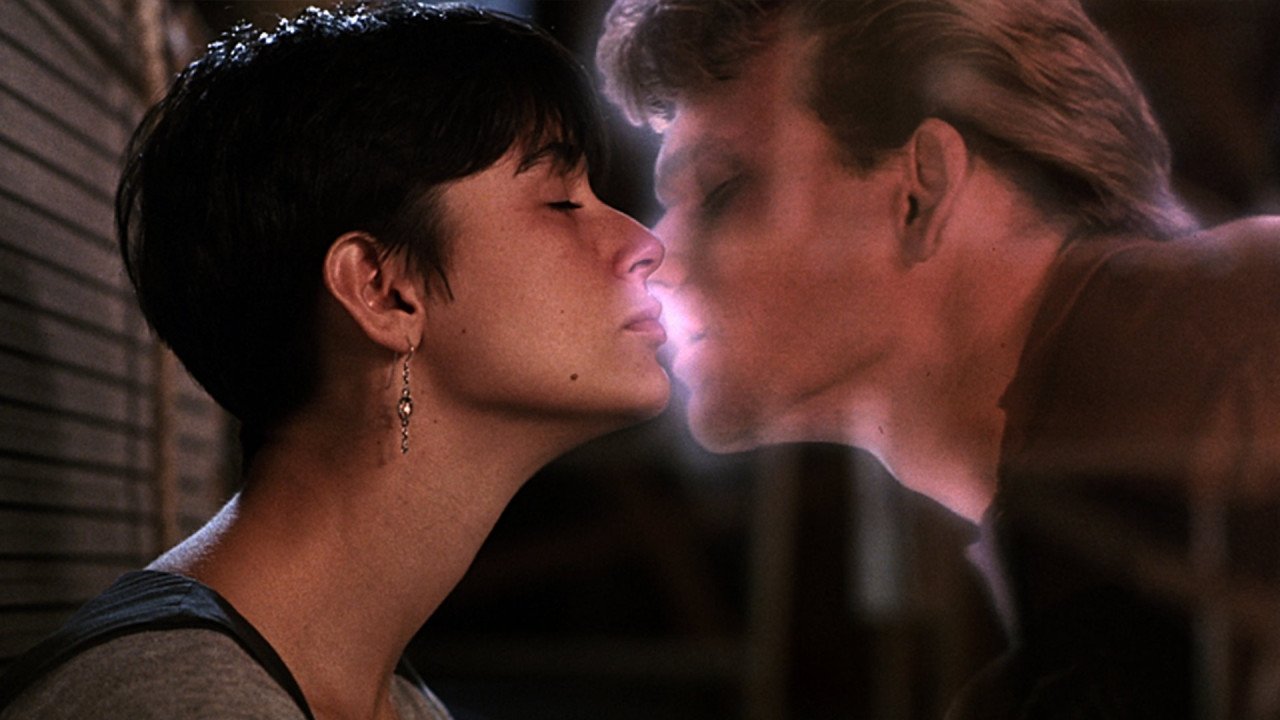
For a 1990 film, the spectral effects, courtesy of Industrial Light & Magic (ILM), hold up remarkably well. Sam walking through doors, the unsettling way objects pass through him, and especially the terrifying, shadowy demons that come for the wicked – these were achieved through clever optical printing and compositing techniques, including the slit-scan effect (famous from 2001: A Space Odyssey) for the dark spirits. They convey the rules of this specific afterlife effectively without overshadowing the human drama. The film's New York City locations add a layer of grit and realism that contrasts nicely with the supernatural elements.
Ghost wasn't just a movie; it was a phenomenon. Made for a modest $22 million (around $51 million today), it grossed over $505 million worldwide (a staggering $1.18 billion adjusted for inflation!), becoming the highest-grossing film of 1990. It propelled "Unchained Melody" back to the top of the charts decades after its initial release and cemented its stars' places in Hollywood. Its influence can be seen in the wave of supernatural romances that followed, though few captured its peculiar magic quite so successfully. There was even a stage musical adaptation years later, proving its story continued to resonate.
Final Reflection

Watching Ghost today feels like revisiting an old friend. Yes, some elements feel distinctly of their time – the yuppie anxieties, the shoulder pads – but the core emotional narrative remains remarkably effective. It explores grief, love, loss, and the hope for connection beyond death with sincerity, style, and surprising humor. The blend shouldn't work, perhaps, but under Zucker's unexpectedly deft hand, and powered by three stellar central performances, it absolutely does. It earned its place as a beloved touchstone of the era.
Rating: 8/10
This score reflects the film's massive cultural impact, the strength of its central performances (especially Goldberg's Oscar-winning turn), its successful and surprising blend of genres, and its enduring emotional core. While some aspects feel dated, its power to connect with audiences remains undeniable. It’s more than just nostalgia; Ghost captured lightning in a bottle, a spectral romance that somehow felt profoundly human. Doesn't that unlikely success make its story even more compelling?