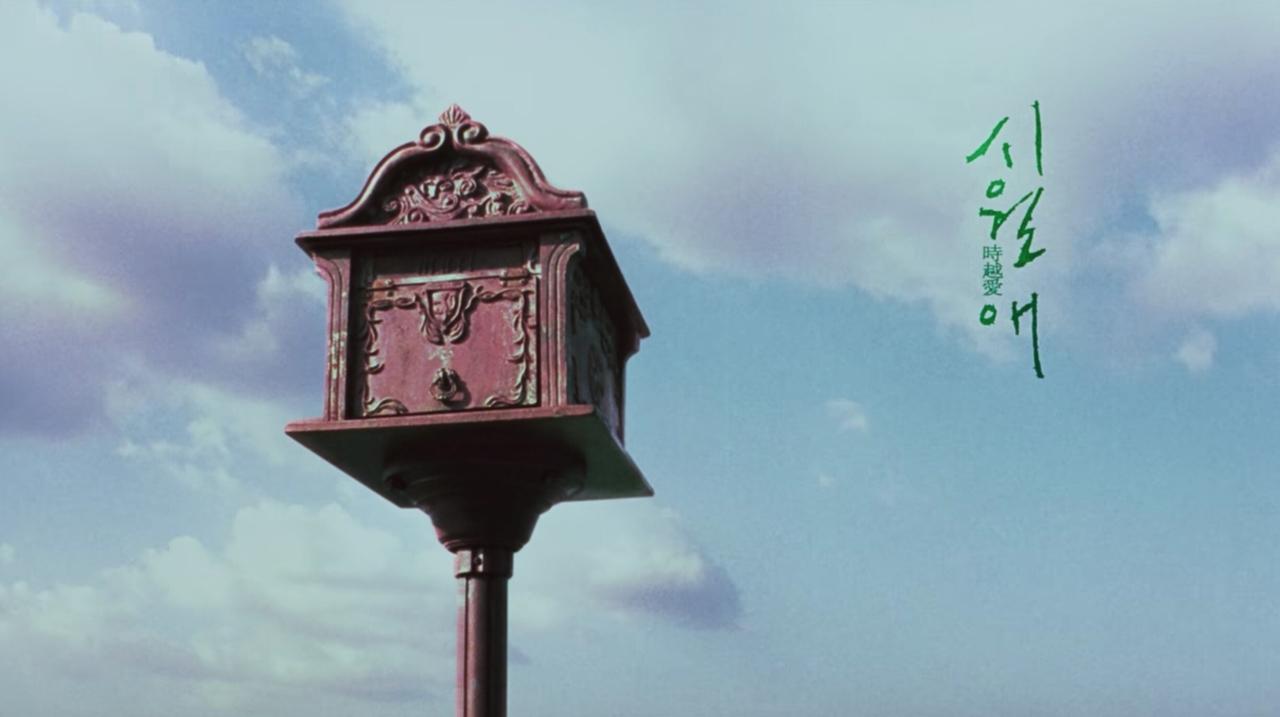
Okay, pull up a comfy chair, maybe pour yourself something warm. Let’s talk about a film that arrived just as the millennium turned, a whisper rather than a shout, but one whose echoes have lingered in some surprising ways. I’m talking about Il Mare (2000), a South Korean film whose central image – a solitary, beautiful house perched over the water, connected to the world only by a mysterious mailbox – is as potent now as it was then. It’s a film that doesn't grab you by the collar; instead, it gently takes your hand and invites you into its quiet contemplation of time, distance, and the fragile tendrils of human connection.
The House By The Sea
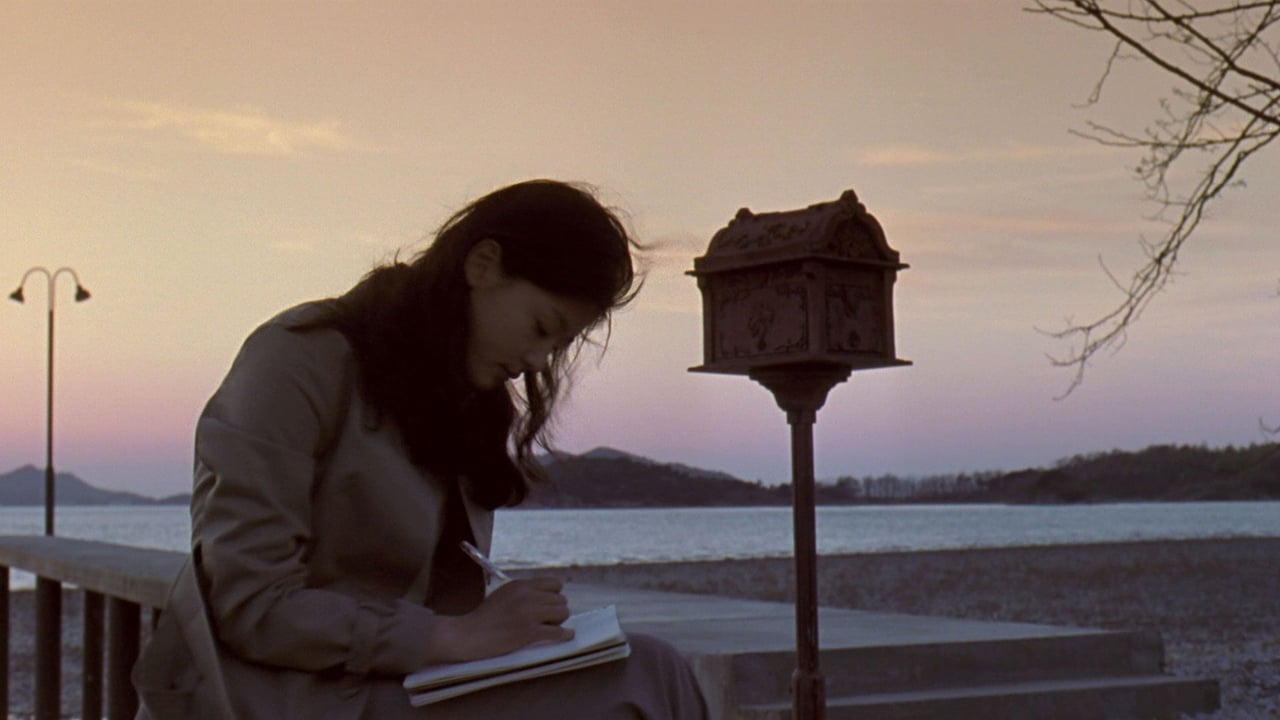
The premise itself feels like something plucked from a dream or a half-remembered fable. Eun-joo (Jun Ji-hyun, in a role shortly before her star exploded with My Sassy Girl in 2001), moves out of a stunning, isolated lakeside house named 'Il Mare' (Italian for 'The Sea'). She leaves a Christmas card in the mailbox for the next tenant, asking them to forward any mail. But the letter is received by Sung-hyun (Lee Jung-jae, already a compelling presence in Korean cinema), an architecture student who lived in the same house, but two years prior, in 1997. He replies, bewildered, and slowly, impossibly, they begin a correspondence across time, their only link this magical mailbox.
Director Lee Hyun-seung crafts an atmosphere thick with mood. It’s less about the mechanics of how this temporal anomaly works and entirely focused on the feeling it evokes. The visuals are painterly, often lingering on the stark beauty of the landscape surrounding the house, mirroring the characters' isolation and introspection. There's a palpable sense of melancholy, but it's laced with a persistent, gentle hope.
Whispers Across Time
What truly anchors Il Mare are the performances. Jun Ji-hyun as Eun-joo, a voice actress finding her footing, conveys a subtle loneliness and a yearning for connection that feels incredibly authentic. Her moments of quiet contemplation, reading Sung-hyun's letters or simply existing within the beautiful emptiness of the house, speak volumes. Opposite her, Lee Jung-jae imbues Sung-hyun with a reserved warmth and a growing sense of wonder and responsibility towards this woman from his future. Much of their communication is, by necessity, indirect – reacting to letters, visiting places the other described, living in the shadow of the other's presence. Their chemistry is built on absence, on the promise of a meeting that seems perpetually out of reach, and it’s remarkably effective. You feel the weight of their shared isolation and the tentative blossoming of affection across the two-year gap. Doesn't this longing resonate with anyone who's ever felt disconnected, even in a crowded world?
A House Built For A Story

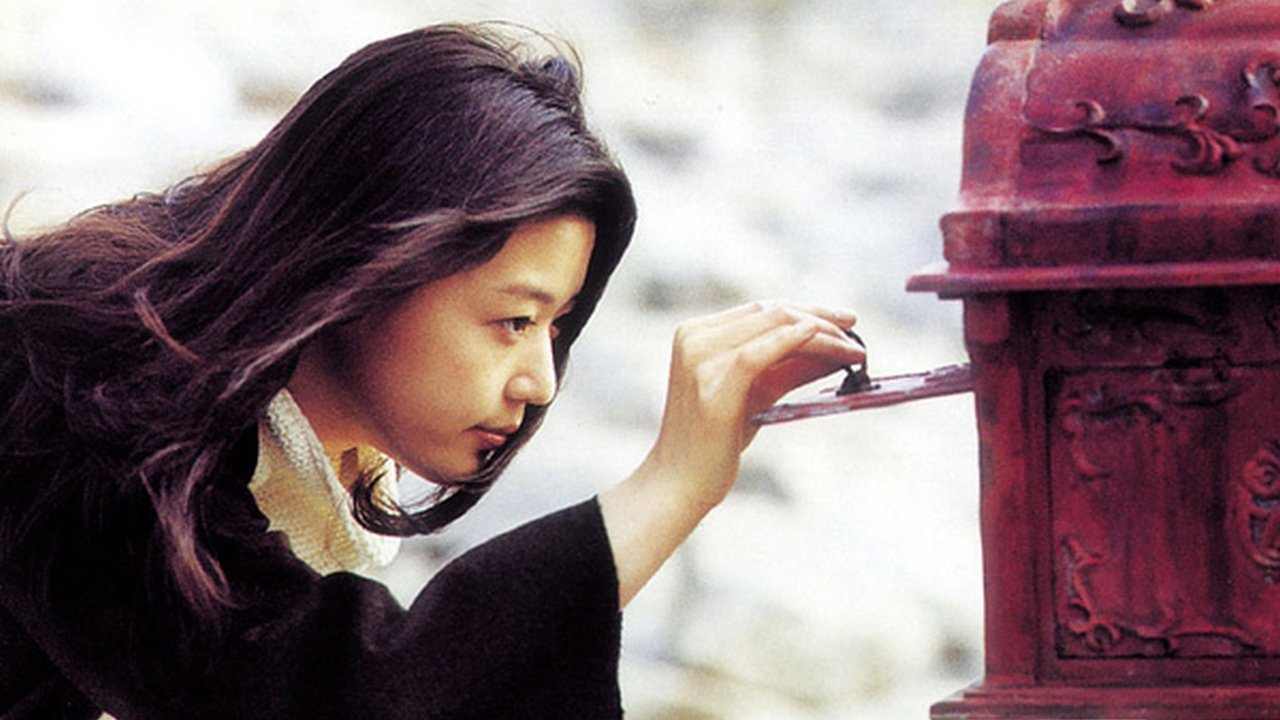
The house itself is more than just a setting; it’s practically a character. Interestingly, the structure named "Il Mare" wasn't an existing location but was purpose-built for the film on the shores of Ganghwa Island, South Korea, designed to embody the film's minimalist aesthetic and connection to nature. This fascinating piece of trivia highlights the director's commitment to visual storytelling – the house feels both modern and timeless, isolated yet somehow sheltering. After filming concluded, the house was dismantled, adding another layer of ephemeral beauty to its legacy, much like the fleeting connection between the protagonists. Even the supporting 'character' of Cola, Sung-hyun's dog who eventually becomes Eun-joo's companion, serves as a poignant, tangible bridge between their separate timelines.
More Than Just A Premise
Beneath the intriguing sci-fi/fantasy premise, Il Mare explores themes that feel universal. It asks us to consider the nature of time itself – is it linear, fixed, or malleable? It delves into profound loneliness and the human craving for understanding and companionship. What does it mean to fall for someone you can't touch, whose experiences are separated by an unbridgeable gulf? The film handles these questions with a delicate touch, favouring emotional resonance over easy answers. It avoids melodrama, allowing the quiet power of the situation and the actors' subtle portrayals to carry the narrative. There’s a patience to the storytelling, a willingness to let moments breathe, that feels increasingly rare.
An Echo Remade
Many film fans, especially here in the West, might know this story primarily through its 2006 Hollywood remake, The Lake House, which reunited Speed duo Keanu Reeves and Sandra Bullock. While that film certainly has its charms and brought the concept to a wider audience, revisiting the original Il Mare reveals a quieter, perhaps more poetic sensibility. It possesses a distinct Korean emotional texture – a gentle acceptance of melancholy (han, perhaps?) that feels deeply ingrained in its DNA. Seeing the original offers a fascinating look at how the same core idea can be filtered through different cultural and cinematic lenses.
Final Thoughts
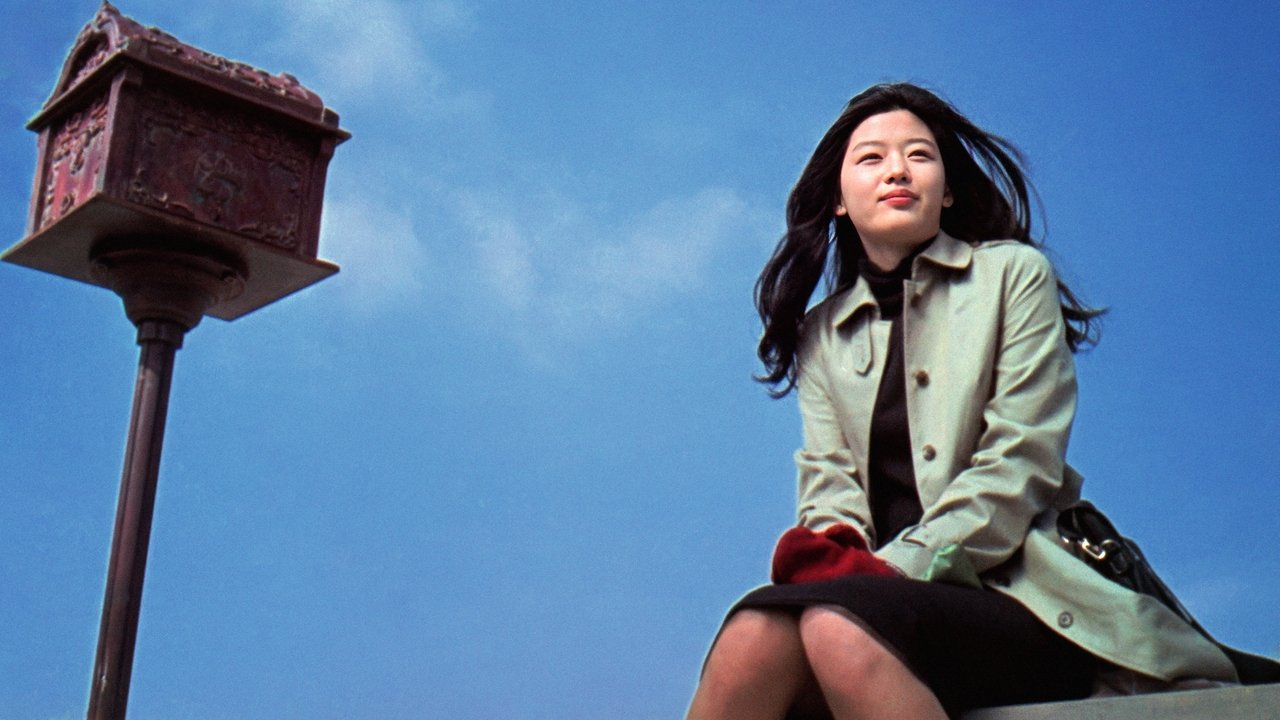
Il Mare isn't a film that shouts for attention. It’s a mood piece, a gentle romance wrapped in a temporal mystery. It requires a certain patience from the viewer, rewarding it with nuanced performances, beautiful cinematography, and a story that lingers long after the credits roll. It feels like discovering a hidden gem, perhaps tucked away on a dusty shelf in that beloved old video store, waiting to share its quiet magic.
Rating: 8/10
This rating reflects the film's stunning atmospheric quality, the deeply felt performances from its leads, and its thoughtful exploration of complex themes. It achieves a unique emotional resonance through subtlety and visual poetry. While its deliberate pacing might not suit everyone, for those seeking a gentle, poignant, and beautifully crafted story about connection against impossible odds, Il Mare delivers profoundly. It’s a film that reminds us that sometimes, the most powerful connections are the ones whispered across the distances, whether they be of space or time.