Some films arrive not just on screen, but through all the senses. I remember encountering Like Water for Chocolate (Como agua para chocolate, 1992) on a rented VHS tape, nestled perhaps incongruously between action blockbusters and sci-fi epics on my shelf back in the day. It felt like uncovering something secret, something intensely flavoured and simmering with an unusual heat. It wasn't just a story; it was an aroma, a taste, a tactile experience translated through the flickering glow of the CRT – a potent reminder that cinema could be utterly transporting in ways I hadn't fully appreciated.

A Recipe for Repressed Desire
Based on the novel by Laura Esquivel (who also adapted it for the screen), the film plunges us into the constrained world of the De la Garza family ranch in early 20th-century Mexico. Tradition dictates that Tita (Lumi Cavazos), the youngest daughter, must remain unmarried to care for her formidable mother, Mamá Elena (Regina Torné), until her death. This cruel decree shatters Tita's profound love for Pedro (Marco Leonardi). In a desperate bid to stay near Tita, Pedro agrees to marry her older sister, Rosaura, trapping them all in a suffocating triangle of unspoken longing and simmering resentment. It's a setup ripe for melodrama, but director Alfonso Arau (who was married to Esquivel during production, adding a fascinating layer of personal connection to this tale of passion) elevates it into something far richer.
Where Magic Meets the Mundane
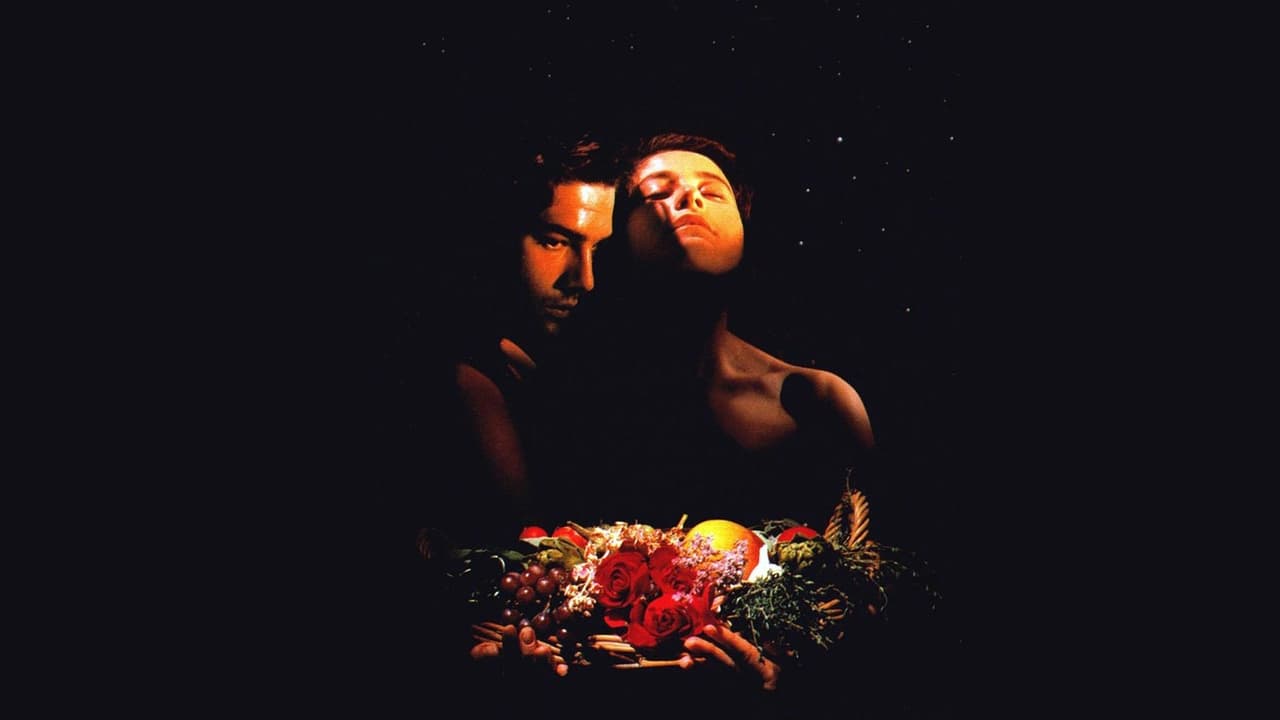
The true genius of Like Water for Chocolate lies in its seamless blending of the everyday with the extraordinary, a hallmark of magical realism. Tita, born prematurely amidst onions and spices in the kitchen, finds her repressed emotions – her love, sorrow, anger, desire – literally infusing the food she prepares. This isn't mere metaphor; it's tangible magic. Her tears wept into a wedding cake batter induce uncontrollable sobbing and vomiting fits among the guests who consume it. A dish of quail in rose petal sauce, imbued with her burning passion for Pedro, becomes a potent aphrodisiac, setting flames both figurative and literal. It’s a concept that could easily feel whimsical or silly, but Arau, aided by the lush, textured cinematography of a young Emmanuel Lubezki (who would later win multiple Oscars for films like Gravity and Birdman), presents these moments with utter conviction. The kitchen becomes Tita's canvas, her cauldron, the only place her true self can be expressed, often with devastating consequences.
Performances Simmering with Truth
The film hinges on the performance of Lumi Cavazos as Tita, and she is simply luminous. In her feature film debut, she conveys oceans of feeling – profound love, stifling frustration, quiet resilience, volcanic passion – often with little dialogue. Her expressive eyes and subtle gestures communicate the weight of her confinement and the intensity of her inner life. Watching her navigate the complex dance of duty and desire is heartbreaking and utterly compelling.


Opposite her, Marco Leonardi embodies the conflicted Pedro, torn between societal expectation and undeniable love. While his character sometimes feels passive, Leonardi effectively portrays the ache of proximity without possession. But perhaps the most indelible performance belongs to Regina Torné as Mamá Elena. She isn't just a stern matriarch; she's a terrifying force of nature, embodying patriarchal oppression and the crushing weight of tradition. Torné avoids caricature, hinting at the deep-seated pain beneath Elena's iron will, making her tyranny all the more chillingly believable.
A Feast for the Eyes and Soul
Beyond the performances, the film is a visual feast. The production design immerses us in the textures, colours, and heat of the Mexican landscape and the vibrant, yet claustrophobic, world of the ranch kitchen. The preparation of food is filmed with an almost sensual reverence, making dishes like chiles en nogada seem impossibly beautiful and deeply symbolic. This attention to detail, combined with the magical elements, creates a unique atmosphere – earthy and ethereal, romantic and tragic. It's worth remembering this wasn't a Hollywood blockbuster; Like Water for Chocolate was made for around $2 million but became a phenomenon, eventually grossing over $21 million in the US alone (about $45 million today), making it the highest-grossing Spanish-language film released stateside up to that point. It proved there was a significant audience hungry for stories outside the mainstream, particularly those told with such artistry and emotional depth.
Its success felt like a validation for those of us who sought out foreign films at the video store, hoping to find something different. It wasn't just different; it felt essential. Doesn't the way Tita channels her entire being into her cooking speak volumes about how creativity can bloom even under the most restrictive circumstances? What outlets do we find for our own unspoken feelings?

Rating: 9/10
This film earns its high score through its masterful blend of magical realism and raw human emotion, anchored by unforgettable performances, particularly from Cavazos and Torné. The direction is assured, the cinematography beautiful, and the central conceit – emotion physically manifesting through food – is executed with breathtaking originality and power. While the narrative leans into melodrama at times, it does so with such conviction and artistry that it feels earned, part of the film’s heightened, passionate reality.
Like Water for Chocolate lingers long after the credits roll, like the phantom scent of a complex dish. It’s a film about the consuming power of love, the bitterness of repression, and the unexpected ways the human spirit finds expression, even if it’s just through tears wept into batter. A true gem from the 90s that felt like discovering a secret, flavourful world on that worn-out VHS tape.