Okay, let's dim the lights, imagine the whir of the VCR firing up, and settle in. Tonight, we're cracking open a case that maybe didn't fill the multiplexes but certainly found its way onto plenty of rental shelves right at the turn of the millennium: Anthony Waller's 2000 thriller, The Guilty. It arrived just as the golden age of VHS was starting to fade, carrying that distinct late-90s/early-00s direct-to-video sheen, yet harboring a surprisingly nasty little neo-noir heart.
### A Choice That Changes Everything
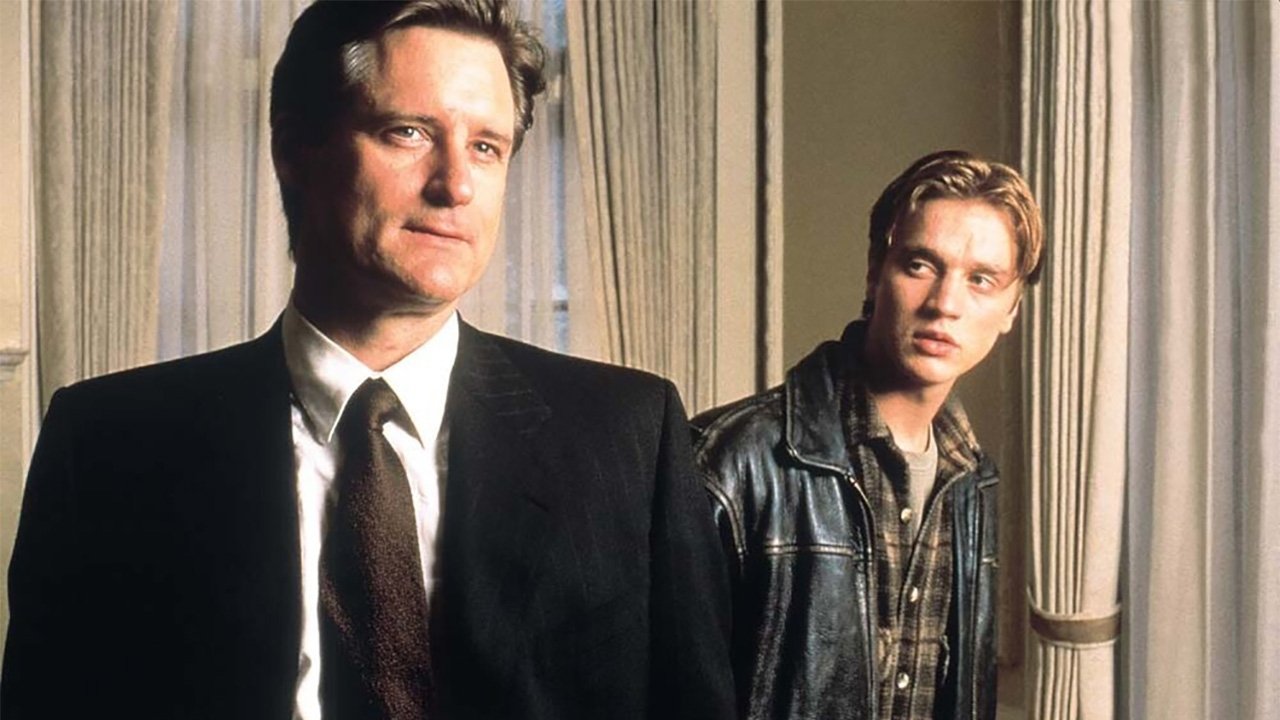
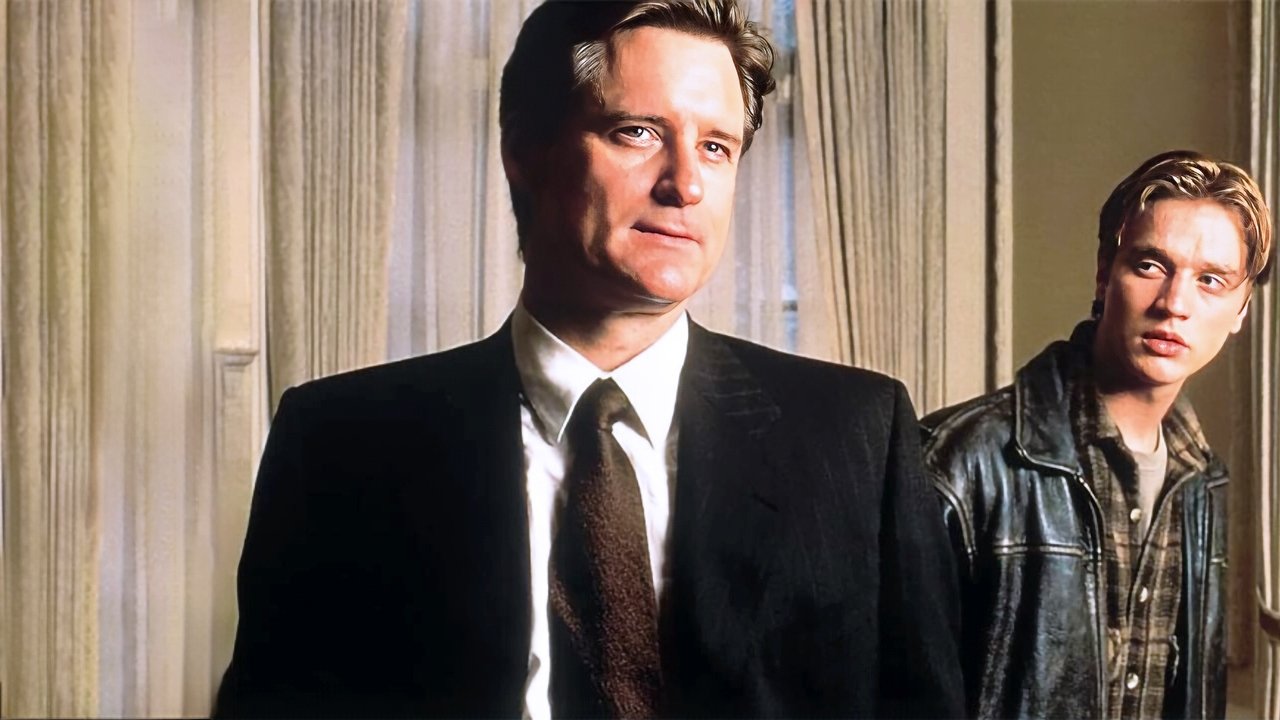
What grabs you immediately about The Guilty isn't necessarily flashy direction or explosive action, but the chillingly simple premise: a moment of profound moral failure with catastrophic consequences. Bill Pullman, an actor we often associate with presidents (Independence Day (1996)) or romantic leads (While You Were Sleeping (1995)), takes a compelling detour here as Callum Crane. He's a high-powered, ambitious lawyer on the cusp of a judgeship, seemingly having it all. But a predatory, drunken assault on his new secretary, Sophie (Gabrielle Anwar), sets in motion a spiral of deceit and desperation. There's a raw discomfort in seeing Pullman, often the relatable everyman, inhabit this character whose veneer of respectability cracks under pressure, revealing something ugly beneath. It's a casting choice that works precisely because it plays against type, making Crane's fallibility feel both shocking and disturbingly plausible.
### From Page to Slick Screen
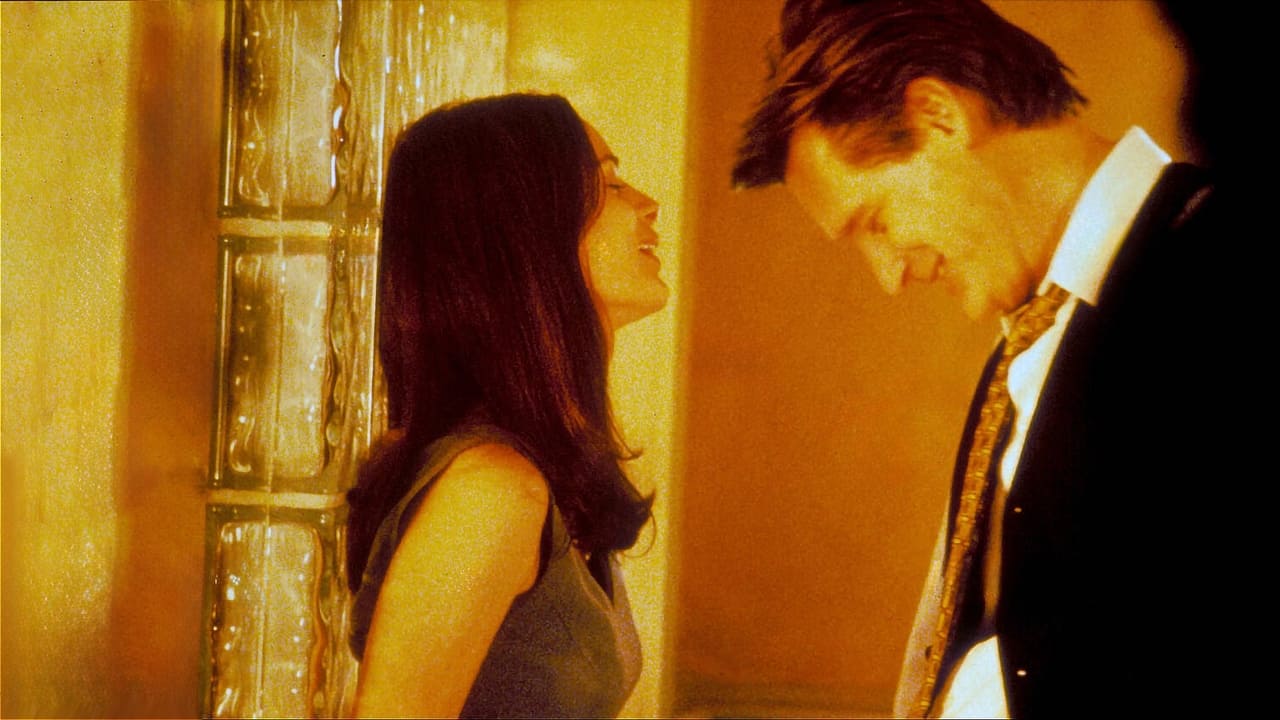
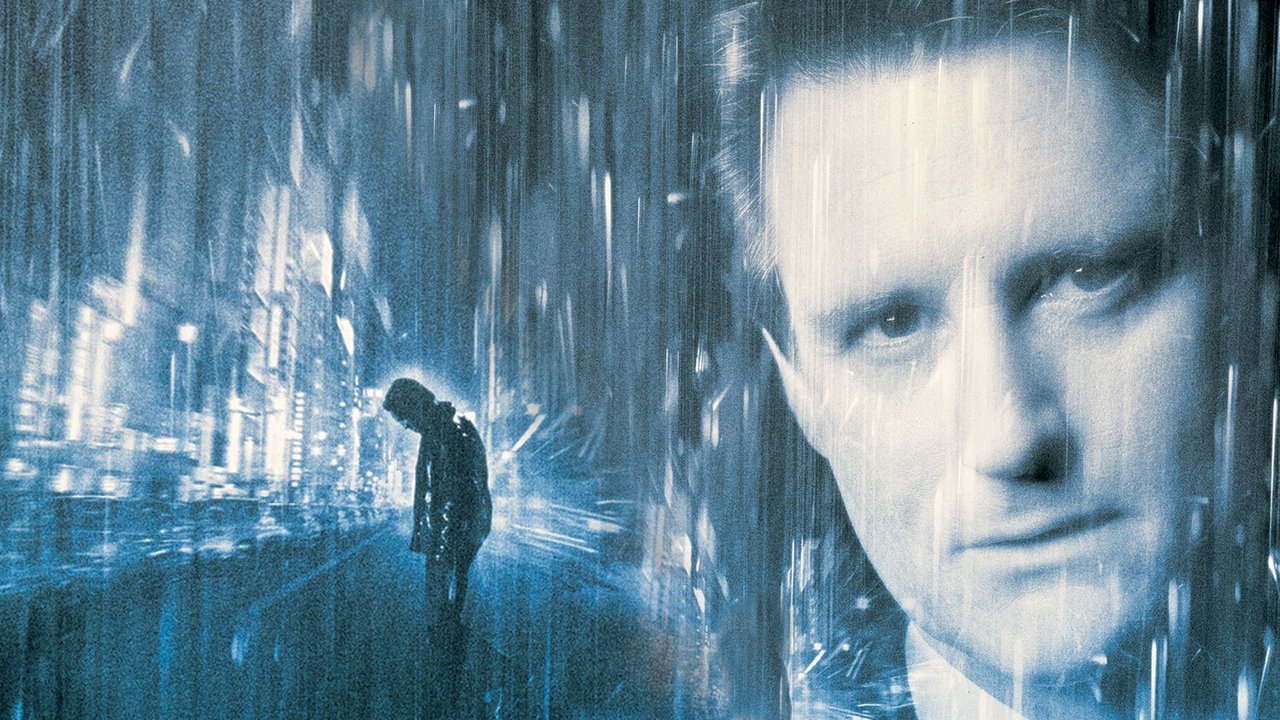
It’s worth noting this isn't entirely new territory. The film is based on a 1951 novel by Harry Kurnitz, a writer who also penned screenplays like the masterful Witness for the Prosecution (1957). Knowing the source material comes from that hardboiled era perhaps explains the film's darker undercurrents, even filtered through a Y2K lens. Director Anthony Waller, who previously gave us the somewhat uneven An American Werewolf in Paris (1997), leans into the neo-noir playbook here: the rain-slicked streets (courtesy of filming in Vancouver, that ubiquitous stand-in for Anywhere, USA), the shadows clinging to Crane's luxurious home, the sense of impending doom. While it might lack the gritty texture of classic noir, Waller crafts an effectively tense atmosphere, particularly in the early stages as Crane realizes the gravity of his actions and the threat Sophie poses to his carefully constructed life.
### Entangled Fates
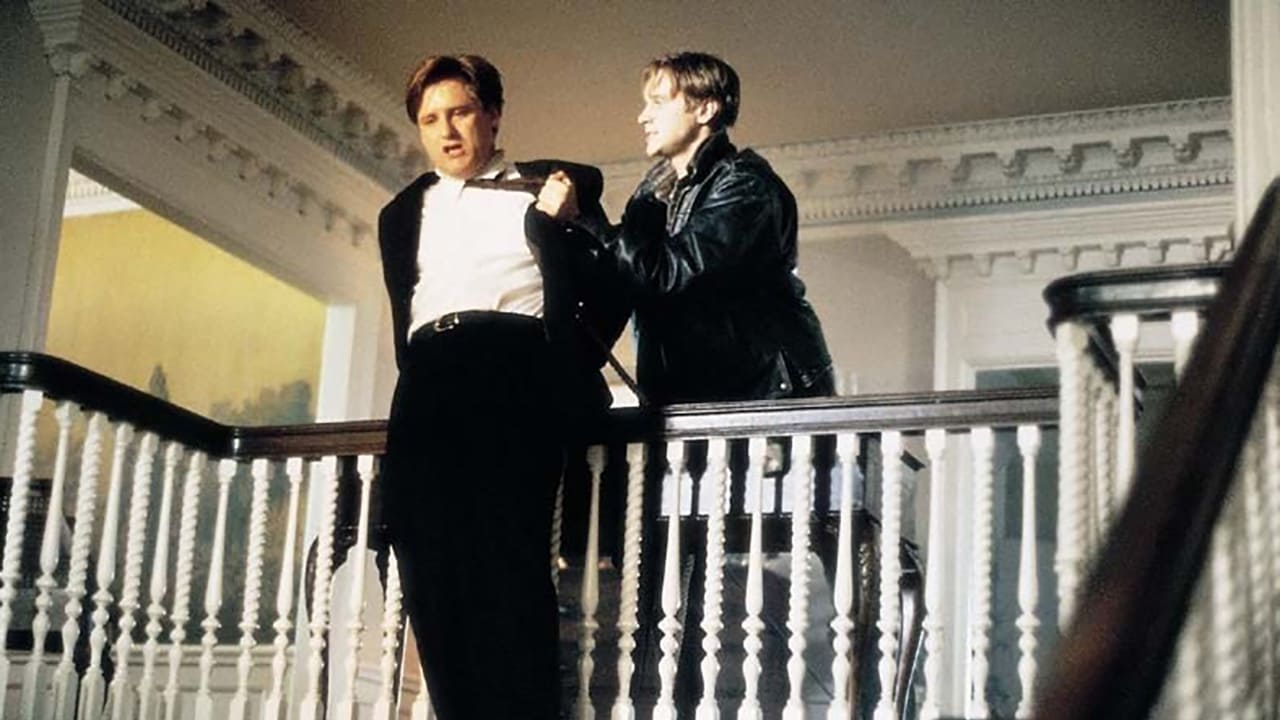
The plot thickens considerably with the introduction of Nathan Corrigan, played by Devon Sawa. Fresh off the back of teen roles and hitting stride the same year with the inventive horror hit Final Destination (2000), Sawa brings a compelling mix of youthful swagger and underlying vulnerability to Nathan. He’s a charismatic small-time con artist fresh out of juvenile detention, who Crane, in a moment of panicked calculation after learning Sophie intends to press charges, drunkenly hires... to intimidate her. This setup, born from Crane’s intoxicated desperation and misinterpretation of Nathan's capabilities, leads to a horrifying misunderstanding with tragic, unintended results. The film becomes a tangled web of bad decisions, secrets, and the crushing weight of consequence. Gabrielle Anwar, known for turns like Scent of a Woman (1992), embodies Sophie with a quiet dignity that makes Crane's actions feel even more reprehensible. Her character isn't a traditional femme fatale, but rather an ordinary person caught in the crosshairs of powerful men making terrible choices.
### That Turn-of-the-Millennium Thriller Feel
Watching The Guilty now evokes that specific feeling of browsing the "New Releases" wall at Blockbuster around 1999-2001. It has that polished, slightly anonymous look common to many thrillers of the period, often destined for home video rather than a major theatrical run (which was indeed its fate in many territories). There's a functional efficiency to the storytelling, hitting its plot beats reliably, even if some twists feel a touch convenient. Yet, beneath the surface-level gloss, the core dilemma remains potent. How far will someone go to protect their reputation? What happens when a single, reckless act unravels a life? These aren't exactly groundbreaking questions, but Pullman’s performance anchors them with a chilling portrayal of self-preservation curdling into something monstrous. He makes you feel Crane's desperation, even as you condemn his choices. It’s a performance that sticks with you, highlighting the fragility of morality when ambition and fear take hold.
One interesting tidbit is how the film streamlines some elements from Kurnitz's novel, focusing tightly on the central trio and the escalating tension. While perhaps losing some nuance, it makes for a lean, propulsive viewing experience typical of the era's thrillers aiming for immediate impact on the rental market.
### The Verdict After the Tape Rewinds
The Guilty isn't a forgotten masterpiece, perhaps, but it's a significantly better-than-average thriller from its time, elevated considerably by Bill Pullman's against-type performance and a premise steeped in classic noir dread. It captures that specific late-VHS era feel – competent, slickly produced, but with a darker, more morally complex story than you might initially expect. It doesn't shy away from the ugliness of its protagonist's actions, forcing a confrontation with uncomfortable truths about power, guilt, and the devastating ripple effects of a single, terrible decision.
Rating: 7/10
Justification: The film scores points for its effectively tense atmosphere, a compellingly dark central premise rooted in classic noir, and particularly for Bill Pullman's strong, unsettling performance against type. Devon Sawa also delivers a solid turn. While the direction is capable and the plot functional, it occasionally relies on contrivances typical of the genre and era, and lacks the truly distinctive style or deep thematic exploration that would push it into higher territory. It’s a solid, well-acted thriller that delivers on its premise, feeling very much like a strong example of the kind of movie you'd happily discover on the rental shelf back in the day.
Final Thought: It’s a film that reminds you that sometimes the most chilling monsters aren't supernatural, but ordinary people pushed—or willingly stepping—across an unforgivable line. What lingers is the quiet horror of recognizing that potential within the mundane.