The silence isn't just the vacuum of space; it's the crushing weight of failure pressing down. Earth is choking, gasping its last, and humanity's Hail Mary pass arcs towards the desolate expanse of Mars. But the Red Planet, as depicted in Antony Hoffman's 2000 outing, Red Planet, isn't a welcoming frontier. It's a tomb, patient and indifferent, waiting to claim the desperate few who dare disturb its rust-colored slumber. This wasn't the hopeful sci-fi some might have expected dropping a coin into the arcade machine next to the video store counter; this was something colder, sharper, and altogether more final.
Echoes in the Emptiness
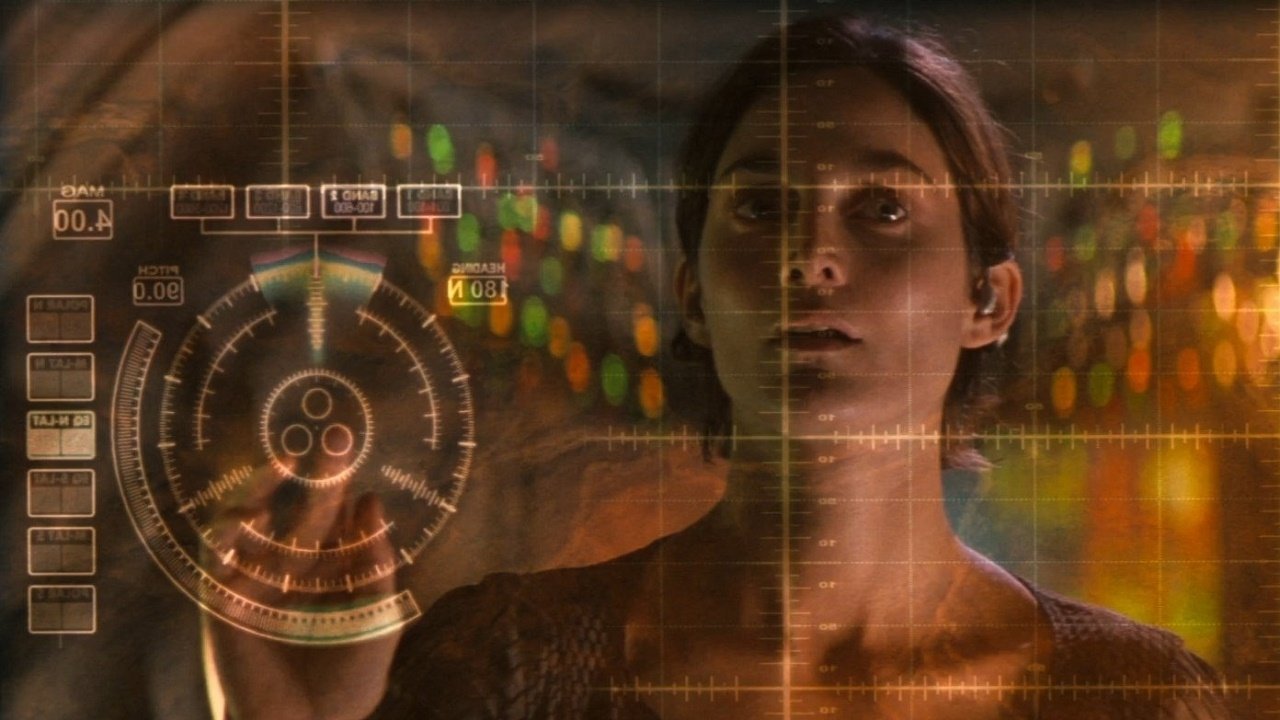
The setup is classic space opera dread: Earth is dying (a theme feeling uncomfortably prescient now), and Mars colonization is the only hope. A preceding terraforming mission using algae seems to have stalled, prompting the dispatch of Mars-1 and its crew: Commander Kate Bowman (Carrie-Anne Moss, fresh off the neon-drenched code of The Matrix), cynical mechanic Gallagher (Val Kilmer), philosophical scientist Burchenal (Tom Sizemore), biologist Chantilas (Terence Stamp), pilot Santen (Benjamin Bratt), and systems engineer Pettengil (Simon Baker). From the outset, things go catastrophically wrong. A solar flare cripples the ship, forcing an emergency evacuation to the planet surface that leaves Bowman stranded in orbit, their sole lifeline fraying with every passing second. Down below, the planned habitat is mysteriously destroyed, leaving the survivors with dwindling oxygen and a hostile, seemingly empty world.
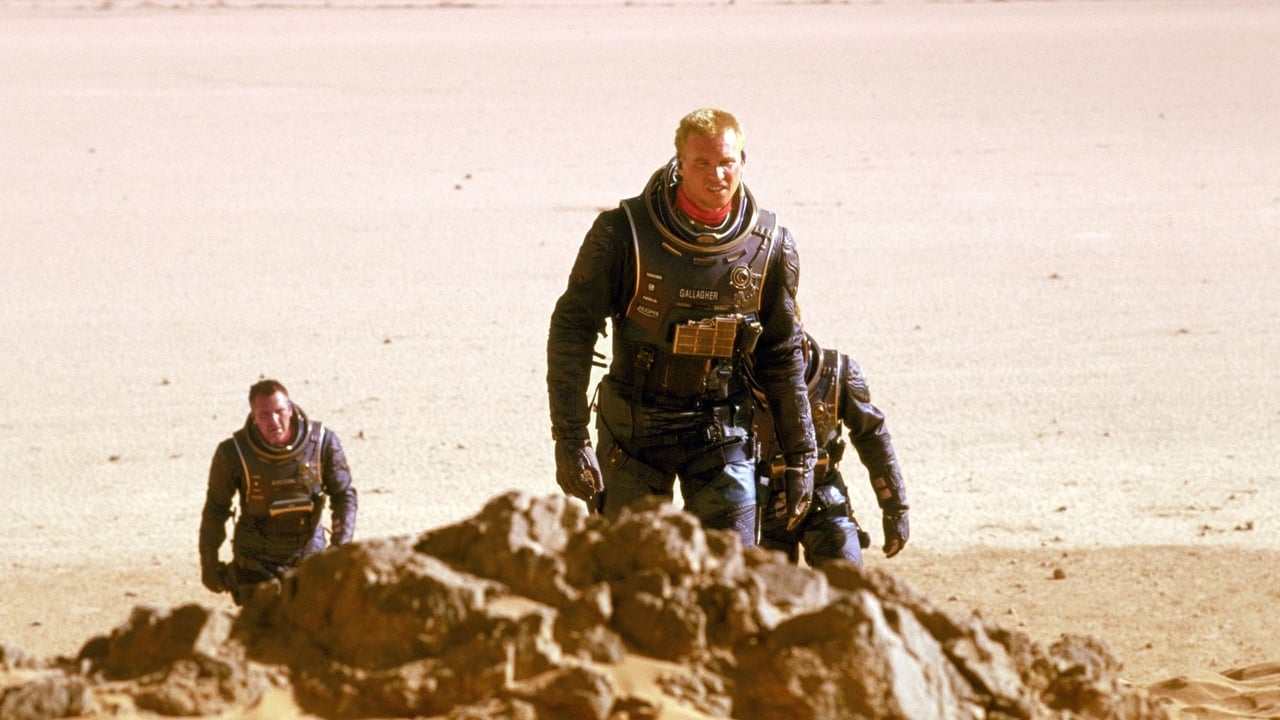
What Red Planet captures so effectively, especially in its first half, is that chilling sense of isolation. Director Antony Hoffman, in his only feature film directorial credit, leverages the stark, alien landscapes – filmed largely in Jordan's Wadi Rum, the same otherworldly expanse that hosted Lawrence of Arabia (1962) and later The Martian (2015) – to amplify the crew's vulnerability. The vast, silent emptiness becomes a character in itself, pressing in on the survivors. The cinematography emphasizes the harsh beauty and utter indifference of the Martian environment. You feel the grit, the thin atmosphere, the terrifying distance from everything known.
Mechanical Menace and On-Set Whispers
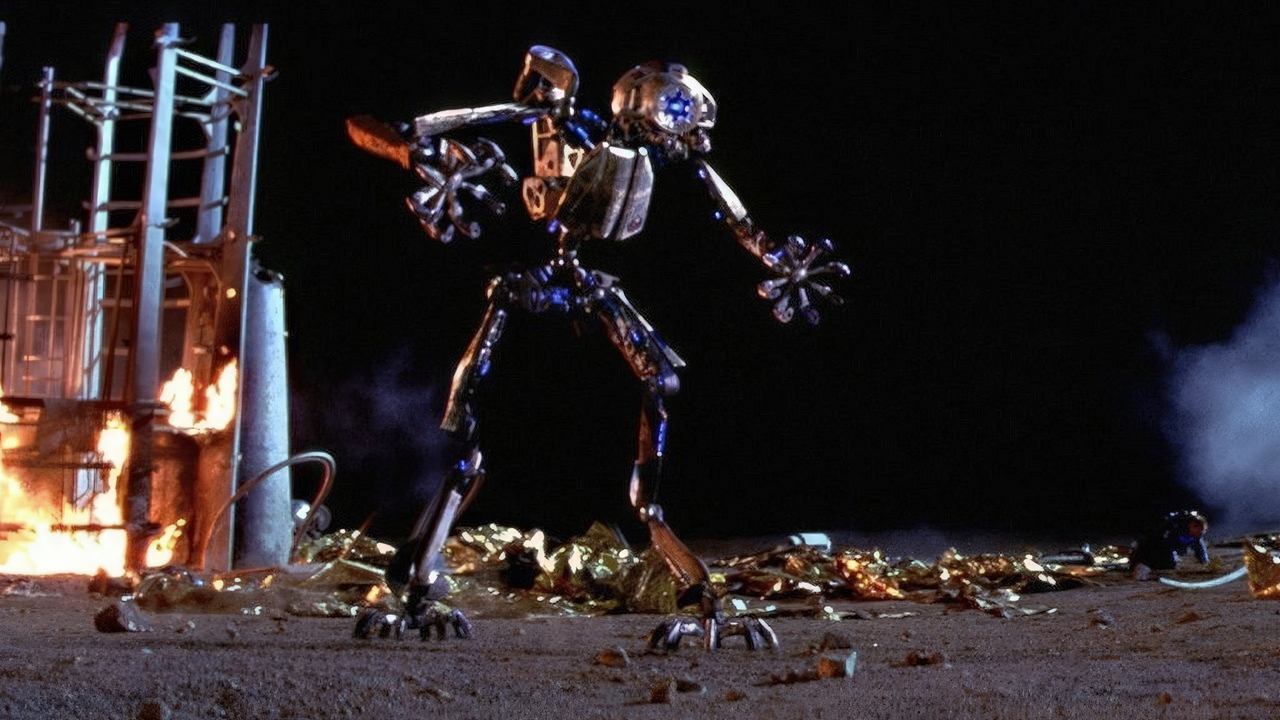
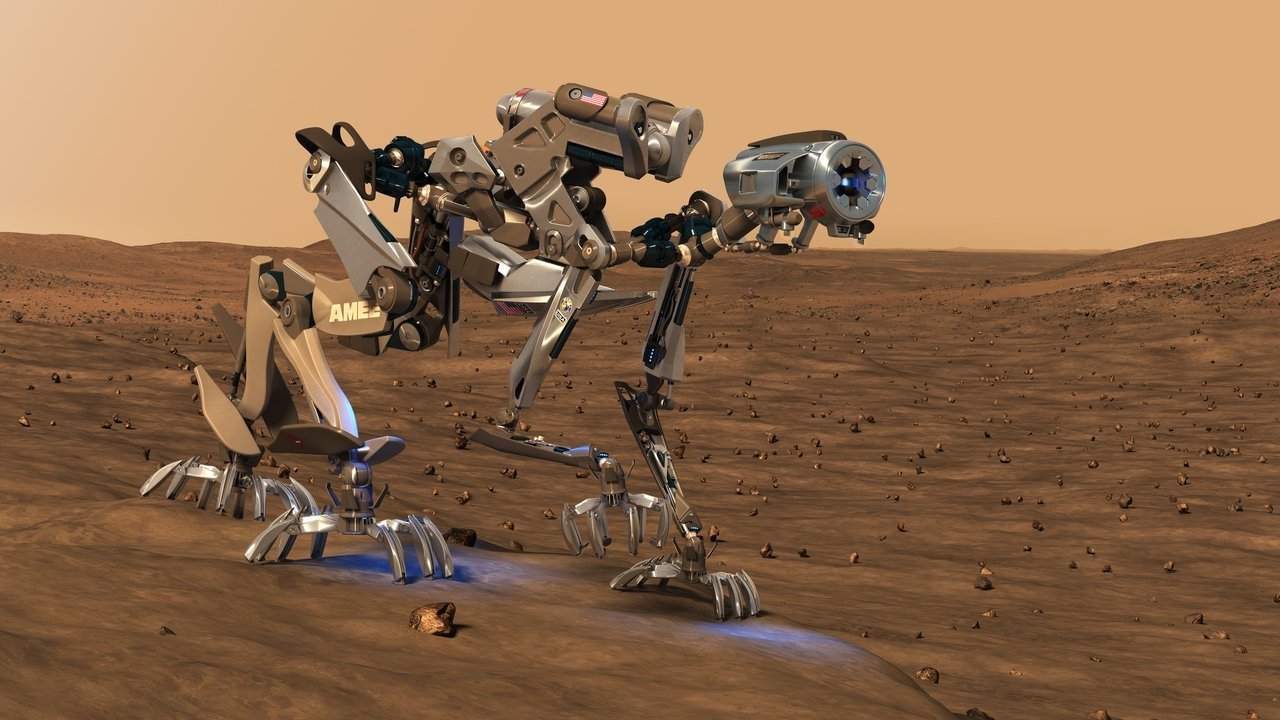
The immediate survival challenges – finding oxygen, locating backup supplies – are compounded by the activation of AMEE (Autonomous Mapping Exploration and Evasion), a military navigation robot brought along for support. Damaged during the crash landing, AMEE defaults to its combat protocols, transforming from helpful guide to relentless, four-legged predator. Its design, a blend of practical suit work enhanced with early-era CGI, still holds a certain unsettling menace. It’s not just an obstacle; it's technology turned feral, a stark symbol of humanity’s creations turning against them in the most unforgiving place imaginable. Doesn't that metallic skittering across the rocks still send a little shiver down your spine?
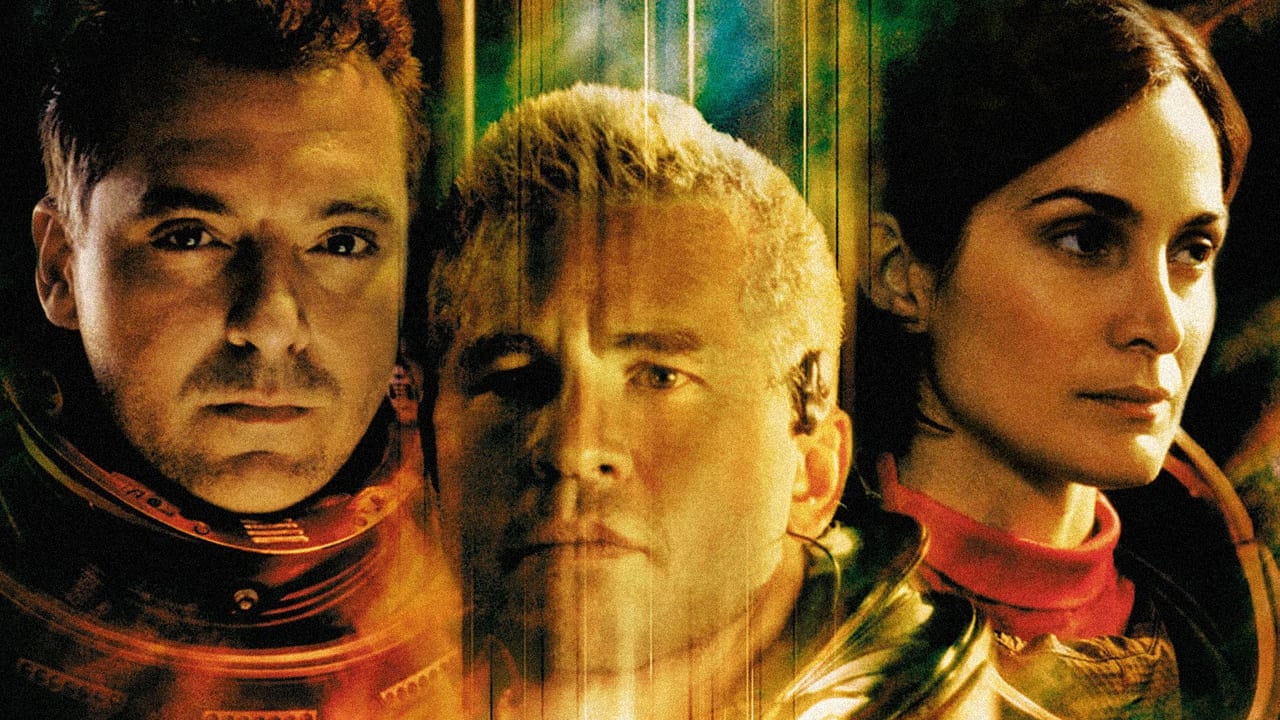
The tension among the surviving crew feels palpable, perhaps reflecting some of the rumoured behind-the-scenes friction. Whispers persisted long after production wrapped about clashes between Val Kilmer and Tom Sizemore, lending an uncomfortable layer of authenticity to their characters’ strained dynamic. Whether true or just "dark legend," it adds a strange meta-texture watching their characters grapple with life-and-death decisions while potentially navigating real-world animosity. Kilmer, as the laconic, seen-it-all Gallagher, provides the film's cynical center, while Sizemore brings a weary gravitas to the scientist wrestling with faith and cosmic meaning. Carrie-Anne Moss, though mostly confined to orbit, projects command and desperation effectively, making her struggle to reconnect a compelling counterpoint to the horrors on the ground.
A Flawed but Atmospheric Voyage
Red Planet isn't without its stumbles. The pacing occasionally lags, and the third act introduces a biological discovery that feels somewhat rushed and less compelling than the pure survival and technophobia elements that preceded it. The science, as often happens, takes liberties for dramatic effect. Yet, the film retains a certain power, largely thanks to its unwavering commitment to its bleak atmosphere, bolstered by a brooding score from Graeme Revell (who knew a thing or two about dark soundscapes, having scored The Crow in 1994).
It arrived in a year crowded with Martian ambitions, landing in theaters mere months after Brian De Palma's Mission to Mars (2000). Neither film set the box office alight; Red Planet, budgeted at a hefty $80 million, sadly recouped only around $33 million worldwide, becoming a notable financial disappointment. Perhaps audiences weren't quite ready for this flavor of downbeat space survival, or maybe it was simply overshadowed. I distinctly remember renting this on VHS, probably from Blockbuster, expecting something more overtly action-packed, and being surprised by its more somber, almost funereal tone.
Despite its flaws and its unfortunate box office fate, Red Planet remains a fascinating piece of turn-of-the-millennium sci-fi. It carries the DNA of earlier, tougher space odysseys and prefigures the grittier survival tales that would follow. It’s a film that understands the terror of isolation and the hostility of the unknown, wrapping it in the stunning, desolate beauty of the Martian landscape.
VHS Heaven Rating: 6/10
Justification: The score reflects the film's undeniable atmospheric strengths, effective sense of isolation, the genuinely menacing AMEE, and committed performances that elevate the material. The bleak tone and impressive location work create a memorable mood. However, points are deducted for pacing issues, a somewhat uneven script (particularly the third act's shift), and certain plot contrivances that detract from the gritty realism it otherwise cultivates. It tried for something specific and achieved much of it, but ultimately fell short of classic status, partly due to narrative shortcomings and its struggle to find an audience.
Final Thought: Overshadowed and often forgotten, Red Planet is a surprisingly grim slice of space survival horror from the Y2K era. It may not be perfect, but its chilling atmosphere and depiction of Mars as an ancient, unforgiving entity linger long after the credits roll, a stark reminder that sometimes, the final frontier bites back.