Imagine a bond tighter than marriage, sealed not with whispered vows, but with 100 grams of plastique wrapped around your neck. Stray too far from your unknown partner, and boom. No divorce court, just a messy crater. That's the chillingly simple, brutally effective premise powering Wedlock (1991), a slice of early 90s sci-fi tension that arrived courtesy of HBO, feeling perfectly suited for a late-night discovery on a grainy rental tape.
A Match Made in Hell
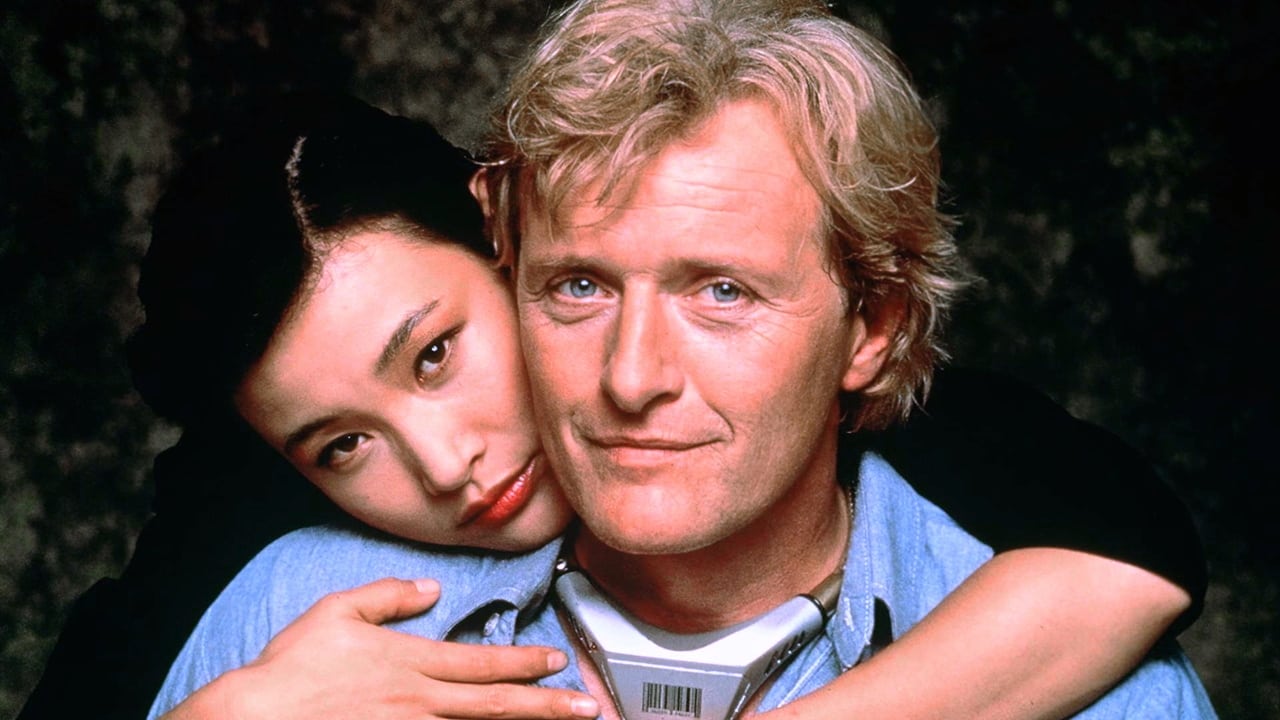
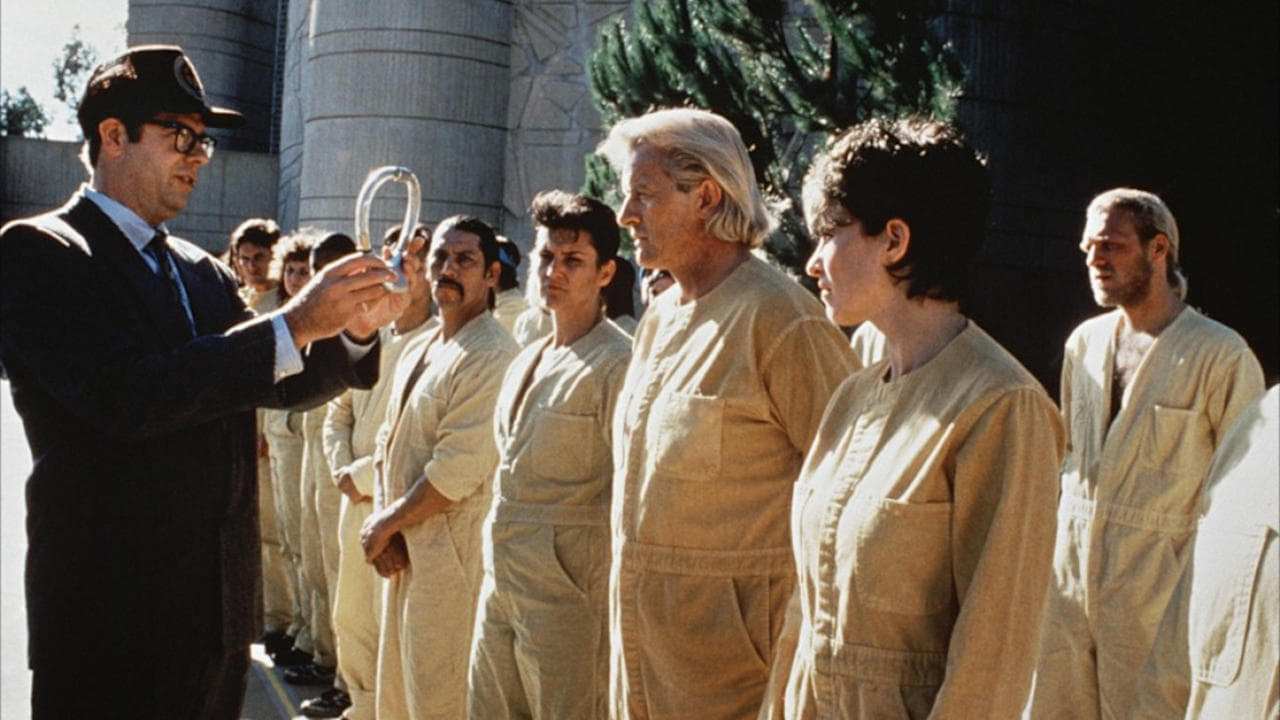
The setup is pure high-concept gold: Frank Warren (Rutger Hauer), a diamond thief double-crossed and framed, finds himself incarcerated in Camp Holliday, a futuristic, experimental prison. Forget bars and walls; control here is technological. Each inmate is electronically tethered to another, anonymous prisoner. Wander more than 100 yards apart, and both collars detonate. It’s a system designed to ensure compliance through mutual assured destruction, breeding paranoia and desperate alliances. The sparse, utilitarian design of the prison itself feels genuinely oppressive, aided immensely by the fact that director Lewis Teague (Cujo, The Jewel of the Nile) filmed within the grim, imposing walls of the then-abandoned Terminal Island Federal Correctional Institution in San Pedro, California. You can almost feel the cold concrete and taste the desperation in the air – no soundstage could replicate that authentic bleakness.
Hauer on the Run (Again)
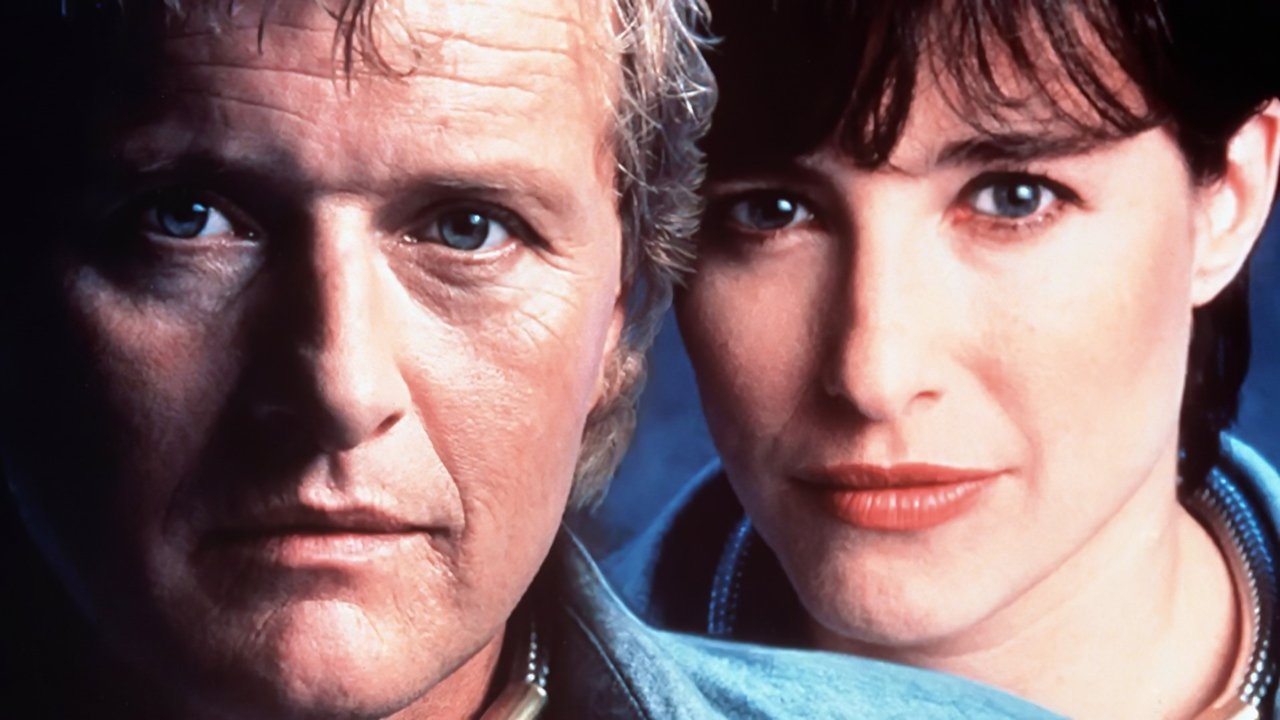
At the heart of the ensuing chaos is, of course, Rutger Hauer. By 1991, Hauer was a master of portraying intense, world-weary anti-heroes, often tinged with a dangerous unpredictability (Blade Runner, The Hitcher). As Frank Warren, he’s perfectly cast. He’s smart, resourceful, and radiates a simmering anger beneath a veneer of cynical cool. Warren’s determination to escape and find his ‘partner’ before the ruthless warden (played with icy authority by Stephen Tobolowsky, instantly recognizable from Groundhog Day) figures things out drives the narrative. Hauer, ever the physical performer, reportedly threw himself into the role's demands, adding a layer of gritty realism to the escape sequences. He makes you believe in Warren's desperation, selling the life-or-death stakes of every step he takes away from the prison grounds.
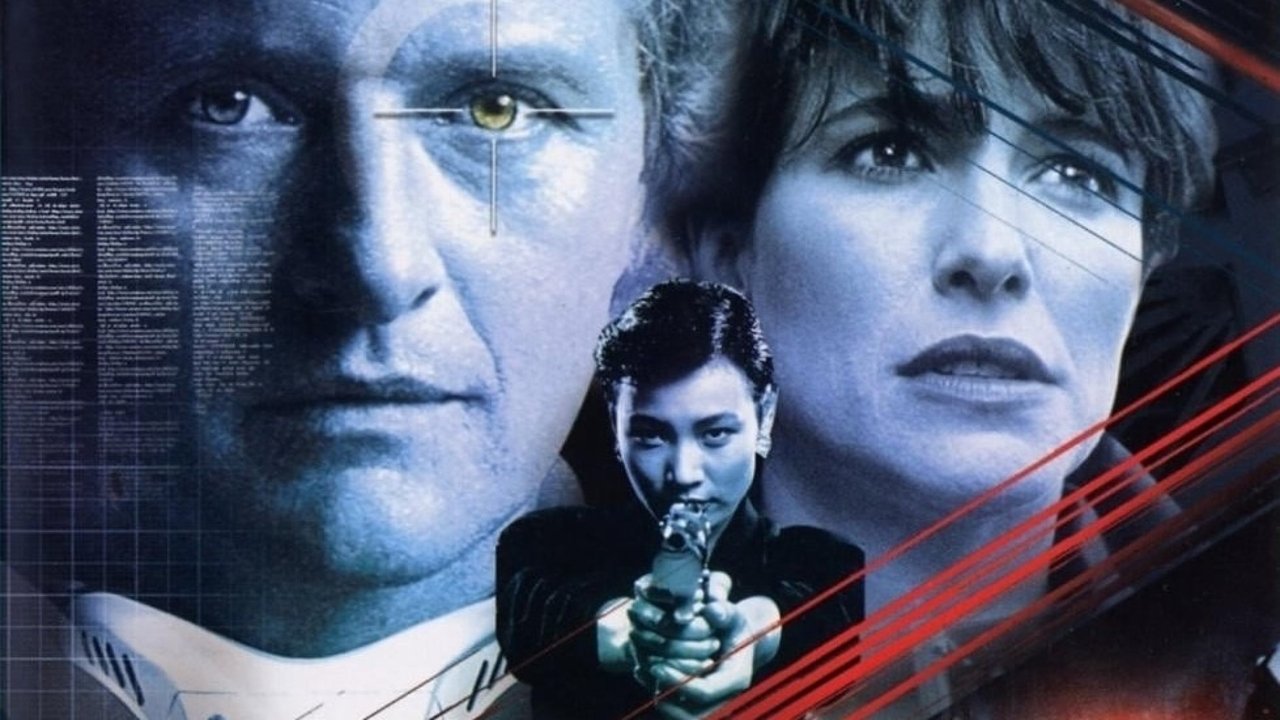
Opposite Hauer, we have Mimi Rogers as Tracy Riggs, a fellow inmate whose path inevitably crosses with Frank's. Rogers brings a tough, capable energy that prevents her character from being a mere damsel in distress. Their forced proximity and shared predicament create a dynamic fraught with suspicion and grudging reliance. Who is Frank’s partner? Could it be Tracy? Someone else entirely? The script cleverly plays with this uncertainty. Joan Chen also appears as Noelle, Frank’s treacherous former associate, adding another layer of complication to his quest for freedom and revenge.
The Hundred-Yard Leash
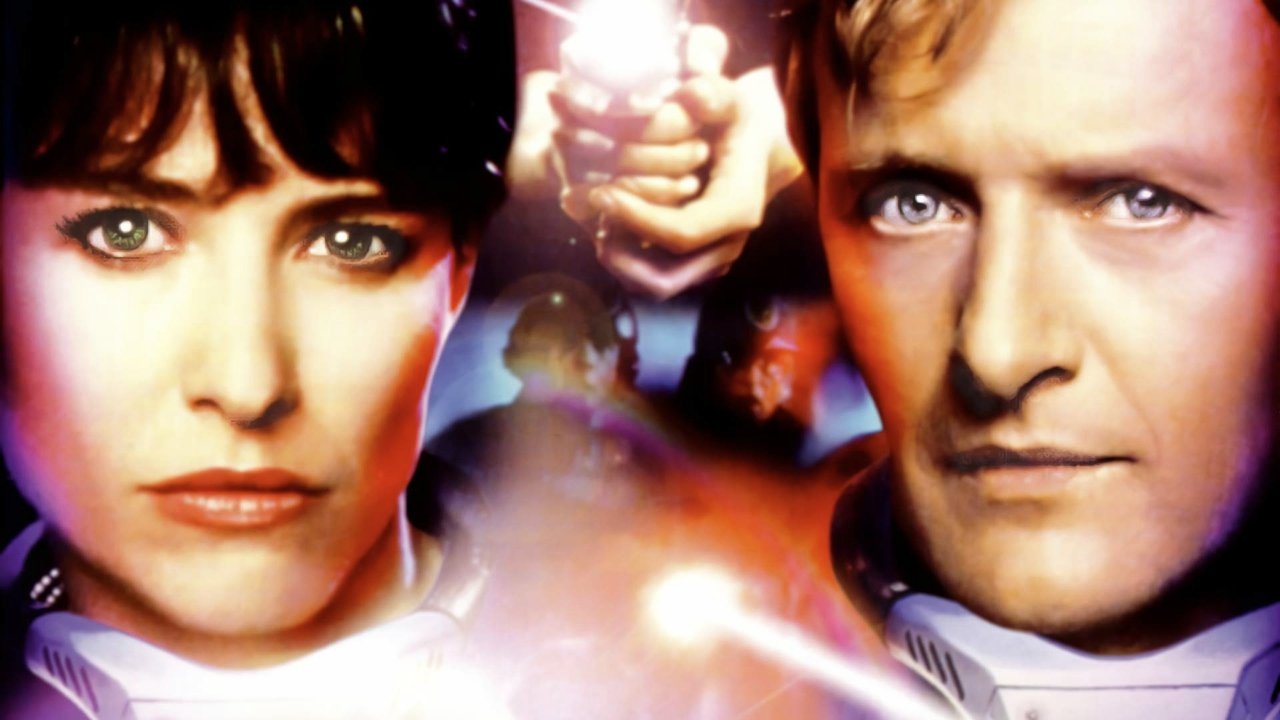
The "Wedlock" concept itself remains the film's strongest asset. It generates constant, inherent tension. Every rustle in the bushes, every distant figure, could be the partner you need to survive – or the one whose recklessness could doom you both. Doesn't that central idea still feel unnervingly clever? It predates the tech-infused survival games of later films like Battle Royale (2000) or The Hunger Games (2012), offering a stripped-down, potent version of technologically enforced control. While the effects rendering the collar tech have that distinct early 90s made-for-cable sheen (think chunky readouts and slightly unconvincing explosions), the idea behind them is what sticks with you. It taps into primal fears of entrapment and forced dependency.
Considering its $8 million budget (a decent sum for an HBO original film back then), Lewis Teague delivers a lean, efficient thriller. It doesn't waste time on excessive subplots, keeping the focus squarely on Frank's escape and the central mystery of his linked partner. There are chases, betrayals, and standoffs, all handled with a competent, unfussy style typical of Teague's work. It’s not high art, perhaps, but it's solid genre filmmaking that understands its strengths – a killer concept and a compelling star. The film even spawned a pilot for a potential TV series that sadly never materialized, hinting at the expandable nature of its world.
Final Verdict
Wedlock is a prime example of the kind of inventive, slightly rough-around-the-edges genre fare that thrived in the direct-to-video and premium cable markets of the early 90s. It takes a fantastic sci-fi premise, anchors it with a magnetic performance from Rutger Hauer, and delivers a tense, satisfying chase thriller. Sure, some elements feel dated now, and the plot holds few deep surprises beyond its core conceit, but the execution is tight and the central idea remains gripping. I distinctly remember catching this on cable back in the day, drawn in by Hauer and that intriguing poster art, and finding it a genuinely effective slice of suspense. It’s a testament to a simple concept, well-executed.
Rating: 7/10 - A strong premise, Rutger Hauer in his element, and effective use of real locations elevate this above standard TV-movie fare. It lacks polish in places, but the core tension generated by the 'Wedlock' collars is undeniable and makes it a worthwhile watch for fans of 90s sci-fi action and Hauer's unique screen presence. It’s a reminder that sometimes the most effective prisons aren’t made of bars, but of invisible tethers.