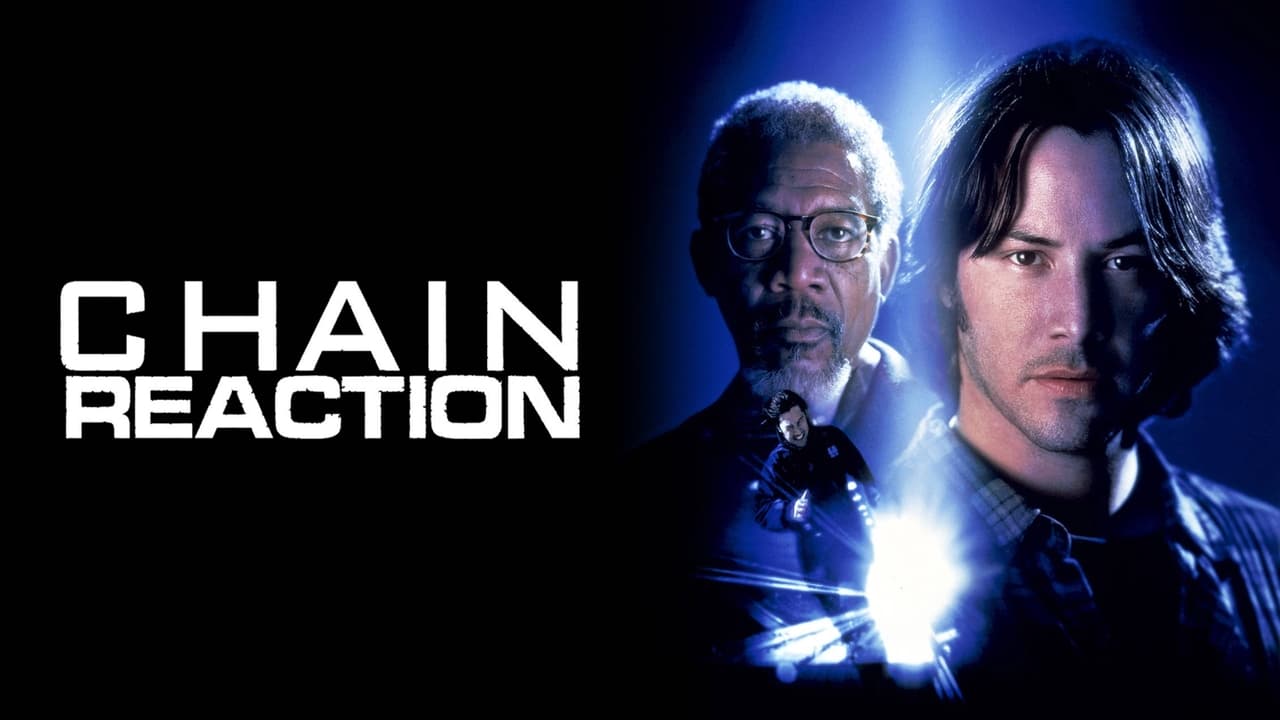
The hum of the VCR engaging, the clunk of the tape slotting home... and then, the explosion. Not just an explosion, but the explosion. The kind of screen-filling, earth-shattering blast that defined big-budget 90s spectacle. It tears through the University of Chicago lab complex, ripping apart steel and concrete, and instantly transforms a story of scientific breakthrough into a desperate flight for survival. That’s the chaotic heart of Andrew Davis’s 1996 thriller, Chain Reaction, a film that arrived on rental shelves riding high on the fumes of its director's previous smash hit, The Fugitive (1993), and the burgeoning star power of Keanu Reeves.
From Breakthrough to Breakout
The premise itself feels pure mid-90s techno-paranoia. Young, idealistic machinist Eddie Kasalivich (Reeves) and physicist Dr. Lily Sinclair (Rachel Weisz, in one of her earlier major roles) are part of a team that stumbles upon a revolutionary clean energy source – harnessing power from water through a refined form of sonoluminescence or bubble fusion. It’s the kind of world-changing discovery that promises utopia but, in the murky world of cinematic thrillers, inevitably attracts darker forces. When their lead scientist is murdered and the lab detonates in that spectacular fashion (a sequence reportedly costing several million dollars itself and meticulously planned using miniatures and practical effects), Eddie and Lily find themselves framed, hunted by shadowy government operatives and unsure who to trust.
Chicago Winter Chase
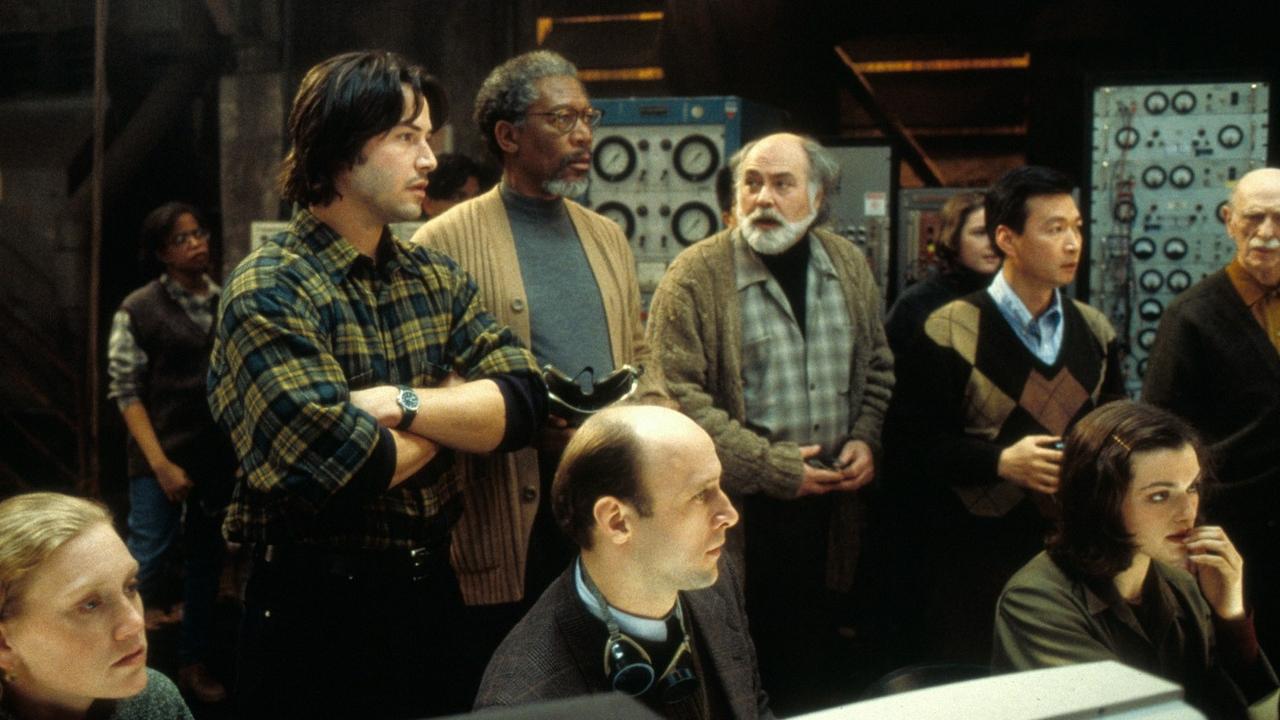
If there’s one thing Andrew Davis knows, it’s how to stage a chase, particularly through the evocative urban landscape of Chicago. Following the template he perfected with Harrison Ford, Chain Reaction throws Reeves and Weisz into a relentless pursuit across icy streets, through train yards, and even culminating in a daring escape over a rising drawbridge. Reeves, fresh off the adrenaline high of Speed (1994), brings his characteristic earnest intensity to Eddie. He’s not a super-spy, just a smart guy caught in an impossible situation, using his mechanical skills and quick thinking to stay one step ahead. You can almost feel the biting Chicago winter wind whip through the screen during these sequences, a testament to Davis’s knack for grounding action in tangible environments. I remember watching this on a grainy CRT, the flickering blues and greys of the cityscape adding to the feeling of cold isolation these characters must have felt.
Freeman's Enigmatic Presence
Adding a crucial layer of gravitas and ambiguity is the ever-reliable Morgan Freeman as Paul Shannon, the enigmatic head of the foundation funding the energy project. Is he a benevolent figure caught in the crossfire, or the puppet master pulling the strings? Freeman, who was riding a wave of acclaim from films like Seven (1995) and The Shawshank Redemption (1994), invests Shannon with a calculated calm that keeps you guessing. His scenes often provide islands of dialogue-driven tension amidst the kinetic chase sequences. The supporting cast, including stalwarts like Fred Ward and Brian Cox as ominous authority figures, further populate this world of conspiracy and mistrust.

Behind the Science and Script Struggles
While the action crackles, the scientific underpinnings of Chain Reaction always felt… well, let's call it "Hollywood science." The film gestures towards complex concepts but quickly brushes them aside in favour of the chase. This looseness reportedly stemmed from a somewhat troubled production, with multiple writers (J.F. Lawton, Michael Bortman, Arne Schmidt, among others credited) contributing to a script that underwent significant changes, even during filming. Rumours persisted about alternative endings and narrative threads that were trimmed or altered in the final edit, perhaps contributing to the slightly disjointed feel some critics noted at the time. Despite a hefty $55 million budget, the film landed with a somewhat muted thud at the box office, pulling in just over $60 million worldwide – a far cry from the runaway success of The Fugitive. It seemed audiences, and perhaps the filmmakers themselves, struggled to fully connect with the high-concept plot amidst the high-octane action.
A Flawed But Fondly Remembered Ride

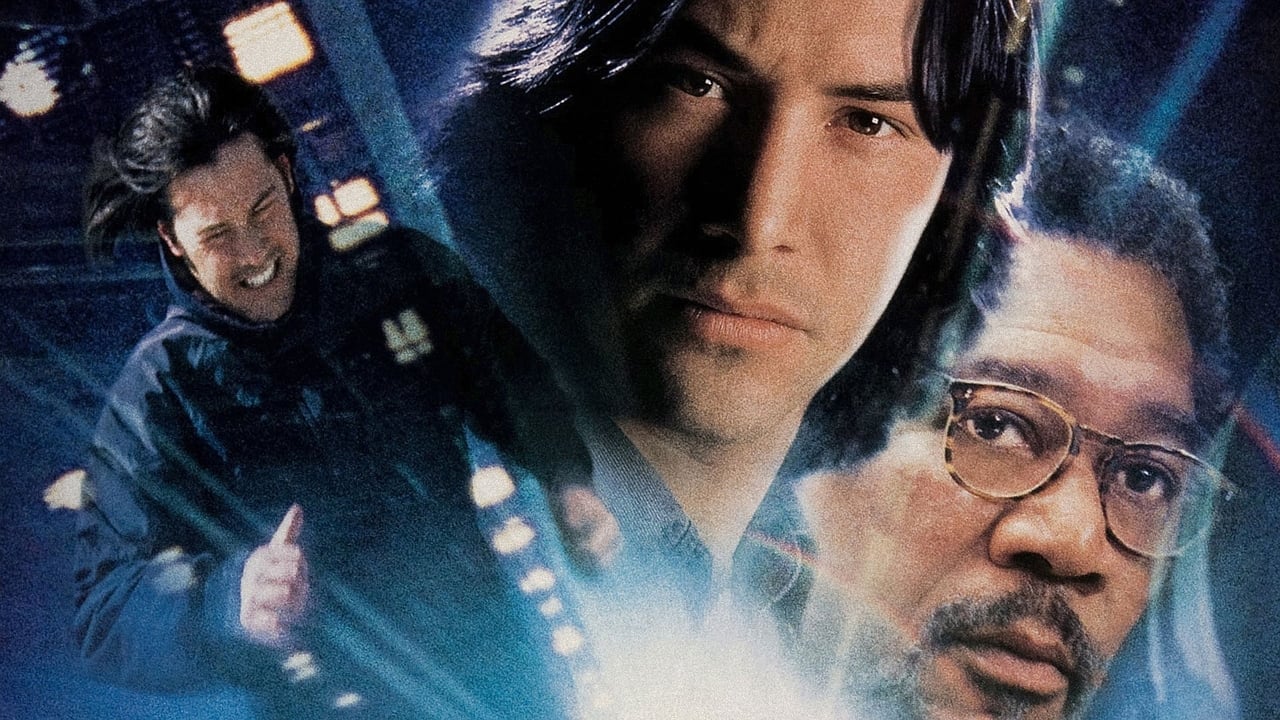
Watching Chain Reaction today is a specific kind of nostalgic experience. It perfectly captures that mid-90s flavour of techno-thriller – the slightly clunky computer interfaces, the pre-ubiquitous internet plotting, the belief that shadowy agencies could orchestrate massive cover-ups with relative ease. The practical effects, particularly the initial explosion and some of the stunt work, still hold a certain visceral appeal that often gets lost in today's CGI saturation. Did the intricacies of the plot ever fully make sense? Perhaps not. But did it deliver on the promise of Keanu Reeves running from explosions and outsmarting the bad guys, with Morgan Freeman looking coolly mysterious in the background? Absolutely. I distinctly remember renting this tape, the cover art promising exactly that kind of thrill, and it largely delivered on that specific promise.
VHS Heaven Rating: 6/10
Chain Reaction isn't a lost masterpiece, nor did it redefine the action-thriller genre. Its plot is convoluted, the science dubious, and it never quite reaches the taut perfection of Davis's own The Fugitive. However, anchored by committed performances from Reeves, Freeman, and Weisz, featuring some genuinely impressive practical stunt work and action set pieces, and steeped in that unmistakable 90s conspiracy vibe, it remains an entertaining watch. It’s a solid, if slightly unremarkable, slice of big-budget studio filmmaking from the era – the kind of movie that might not have blown you away, but reliably filled a Friday night rental slot with explosions, chases, and movie star charisma. It’s a tangible piece of that specific moment when practical effects still reigned supreme and Keanu Reeves was cementing his action hero status, one frantic escape at a time.