Alright, fellow tapeheads, let’s rewind to 1993. Picture this: you’re scanning the action shelf at Blockbuster, the fluorescent lights humming overhead. You’ve seen Universal Soldier, maybe worn out your copy of Bloodsport. Then your eyes land on a familiar face – Jean-Claude Van Damme – but the cover for Nowhere to Run looks… different. Less roundhouse kicks, more brooding intensity. Maybe Rosanna Arquette’s name catches your eye. Intrigued, you grab the tape, maybe pick up some microwave popcorn, and settle in for something a little unexpected from the Muscles from Brussels.
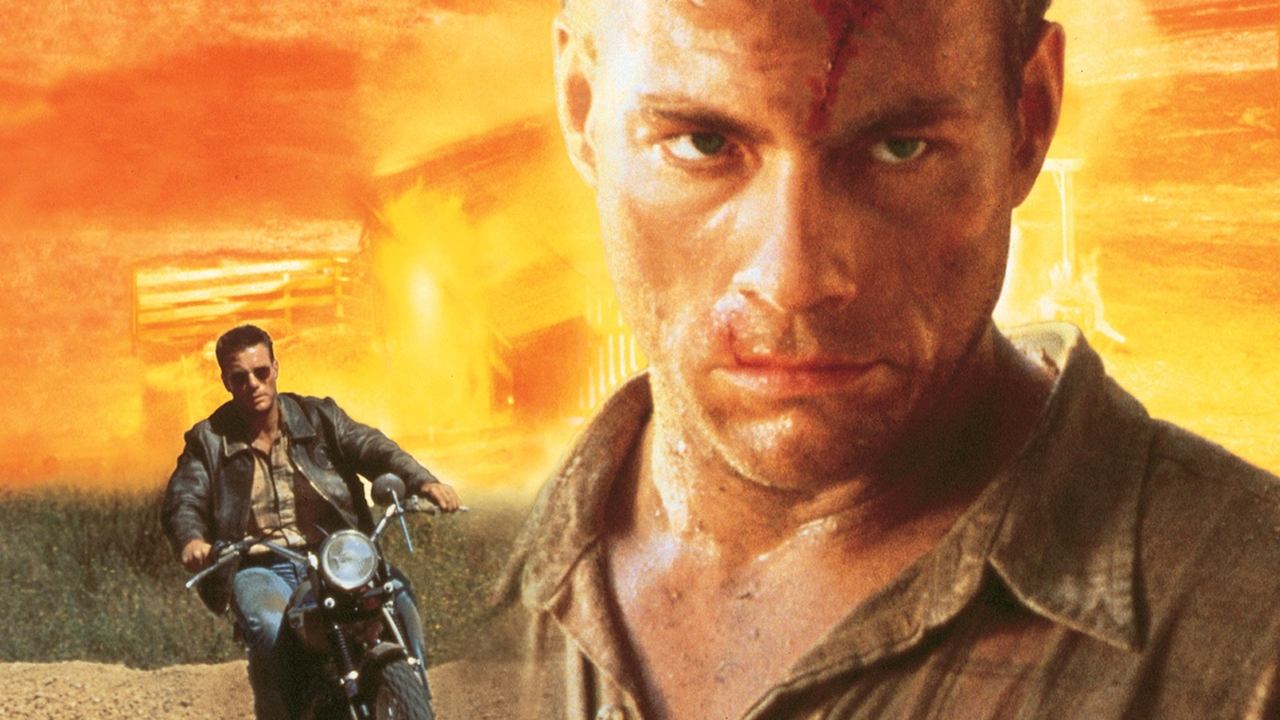
Nowhere to Run wasn’t your typical JCVD high-kicking extravaganza. Instead, it felt like someone dropped Van Damme into a modern-day Shane, blending heartfelt drama and simmering romance with bursts of grounded, gritty action. Directed by Robert Harmon, the man who gave us the truly unsettling The Hitcher (1986), the film trades neon-lit arenas for dusty farmland and emotional stakes alongside the physical ones. Van Damme plays Sam Gillen, an escaped convict who stumbles onto the remote property of Clydie Anderson (Arquette), a widowed mother trying to protect her land and two young children (a very young, scene-stealing Kieran Culkin as Mookie and Tiffany Taubman as Bree) from a rapacious property developer, Franklin Hale (Joss Ackland).
### More Than Just Muscles
This was clearly an attempt to broaden Van Damme's appeal, moving him beyond pure martial arts fare into leading man territory. And honestly? He gives it a real shot. There’s a vulnerability here we hadn't seen much before, hidden beneath the stoicism and occasional flashes of violence. Watching him awkwardly try to connect with Clydie and the kids, fixing things around the farm while constantly looking over his shoulder, felt like a genuine effort to stretch his acting muscles. The script itself had a fascinating pedigree, with story credits including the late Richard Marquand (yes, the director of Return of the Jedi!) suggesting a long development history, eventually shaped by scribes like Joe Eszterhas (fresh off the mega-success of Basic Instinct) and Leslie Bohem. An Eszterhas touch on a Van Damme flick? That alone tells you they were aiming for something more than chop-socky.
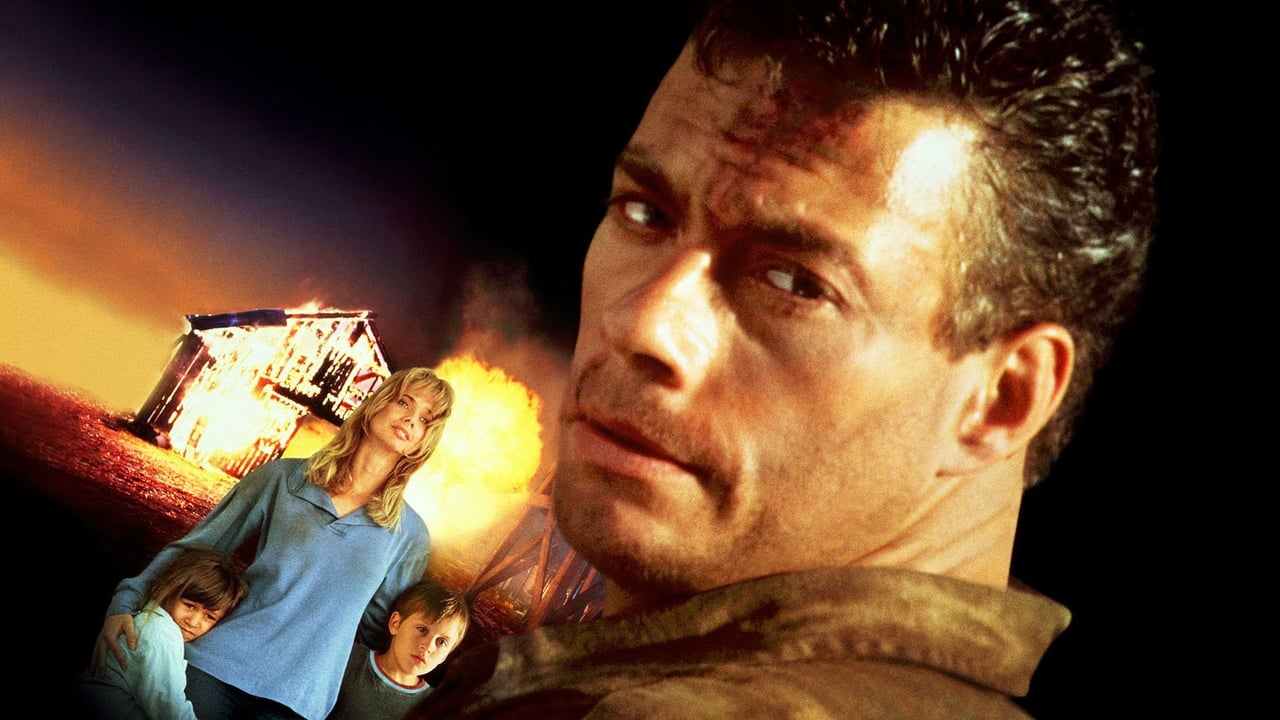
The chemistry between Van Damme and Arquette is… well, it's there. It might not set the screen ablaze, but it’s earnest. Arquette brings her trademark warmth and resilience, grounding the film’s more dramatic moments. But often, the most engaging dynamic is between Sam and Mookie. Kieran Culkin, even back then, had that spark, that ability to hold the screen with just a look. Their interactions provide some of the film's most genuine moments. And let's not forget the villains: Joss Ackland is suitably slimy as the land-grabbing developer, and Ted Levine (forever etched in our minds as Buffalo Bill from The Silence of the Lambs) brings a palpable sense of menace as Hale's chief enforcer.
### Action That Hits Different
Okay, let’s talk action. Because while Nowhere to Run has drama, it definitely delivers the goods when needed. But it’s a different flavour of action compared to, say, Kickboxer. Robert Harmon brings a weight and realism to the fights and chases. Remember that motorcycle sequence where Sam leads the cops on a dusty pursuit? That felt real. You saw the skids, the near misses, the sheer horsepower wrestling against the terrain. Retro Fun Fact: Legendary stunt coordinator Vic Armstrong worked on this film, bringing his incredible expertise honed on everything from Bond films to Indiana Jones. That pedigree shows in the grounded impact of the stunts.
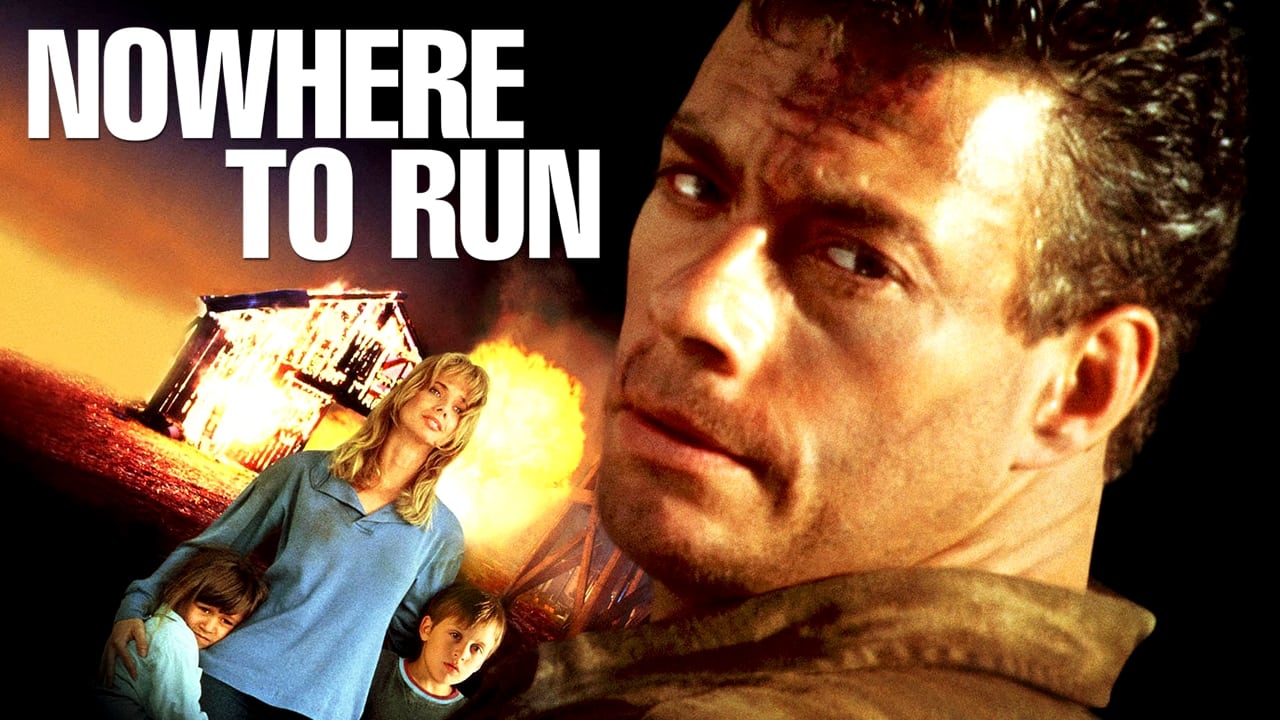
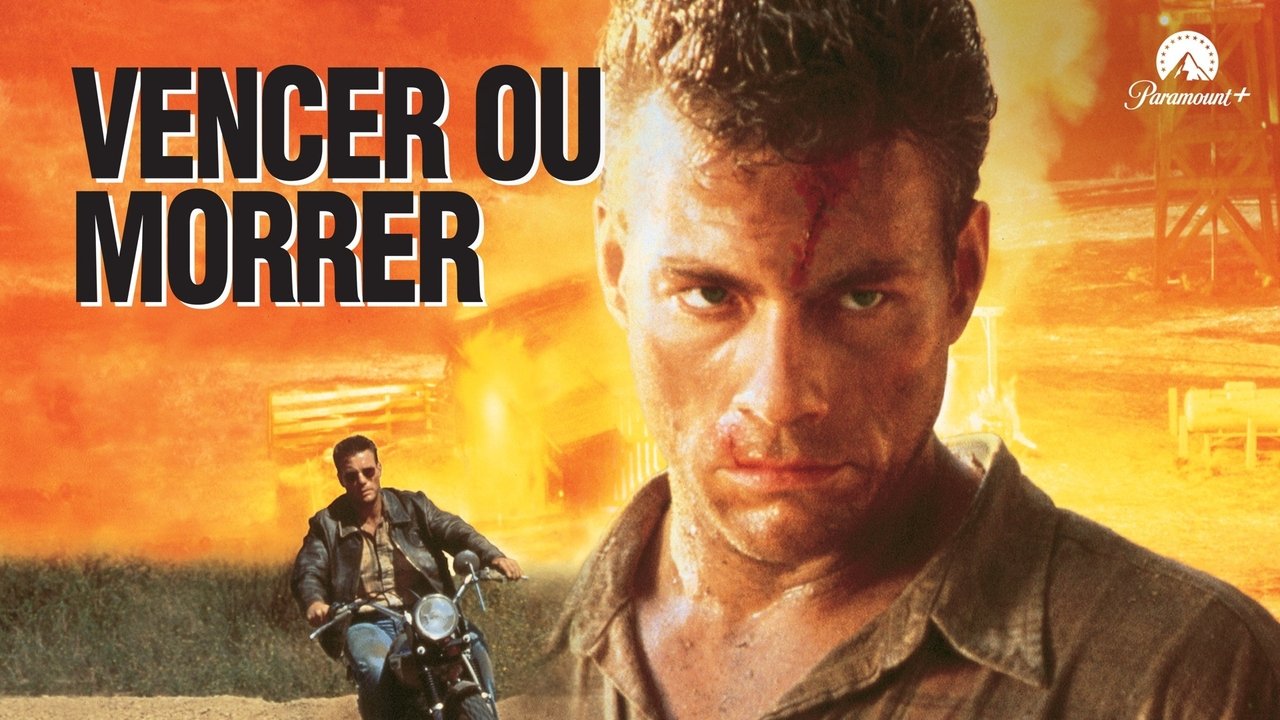
The fights aren't elaborate displays of martial arts mastery; they're often brutal, close-quarters brawls where Sam uses whatever is necessary to survive and protect. Punches land with heavy thuds, bodies hit the ground hard. This was the beauty of 90s practical action – you felt the impact. No floaty CGI, just pure physics and skilled stunt work. The final confrontation at the farmhouse ramps this up, with explosions and gunfire feeling visceral and dangerous. It wasn't about fancy moves; it was about desperation and survival, which perfectly suited the film's tone. Watching it on a slightly fuzzy VHS tape, the grain almost added to the gritty realism – none of today’s hyper-smooth digital clarity, just raw sequences that felt immediate.
### Finding Its Place on the Shelf
Nowhere to Run wasn't a box office phenomenon like some of Van Damme's earlier hits, pulling in around $64.5 million worldwide against its roughly $15 million budget (a decent return, maybe around $130 million today adjusted for inflation), but it found its audience on home video. It was a solid rental, the kind of movie you might watch with a date or when you wanted action with a bit more story. Critics were mixed, unsure what to make of this hybrid genre piece, but audiences seemed to appreciate the attempt to do something different. Mark Isham’s score effectively underscores both the tension and the tentative romance, adding another layer of quality.
Does it hold up? Yeah, mostly. The plot is fairly predictable (you know the bad guys will push too far, and Sam will have to step in), and some of the dramatic beats feel a little standard-issue. But there's an undeniable sincerity to it. It represents that moment in the 90s when action heroes tried to prove they could emote as well as explode things. Sometimes it worked better than others, but the effort itself is interesting to look back on.

VHS Heaven Rating: 7/10
Justification: Nowhere to Run earns its score with solid, grounded practical action sequences directed with grit by Robert Harmon, a committed performance from Van Damme stretching beyond his usual comfort zone, and strong support from Arquette and a young Culkin. While the plot follows familiar beats and the romance isn't electric, the film's earnest blend of action and drama, along with its high production values for the era, makes it a worthy entry in the JCVD canon and a prime example of 90s action trying for heart.
Final Take: It’s the Van Damme movie for when you wanted less spinning kicks and more smoldering glances across a dusty farmyard – proof that even action heroes sometimes just needed a place to hide, and maybe fix a tractor. A genuinely enjoyable slice of 90s action-drama filmmaking.