It arrives like a phantom limb, doesn't it? The memory of certain films encountered perhaps not in a pristine multiplex, but through the slightly fuzzy portal of a well-worn VHS tape, maybe an import procured from a specialist store or a lucky find at the back of the rental shop. S. Shankar's 1996 Tamil epic Indian (dubbed into Hindi as Hindustani and Telugu as Bharateeyudu, often the versions many of us outside South India first saw) was precisely that kind of discovery – a film that felt both startlingly contemporary in its fury and almost mythic in its scope. It wasn't just another action flick; it was a primal scream against corruption, embodied by one of Indian cinema's most versatile actors delivering a performance for the ages.
A Tale of Two Indias, One Actor
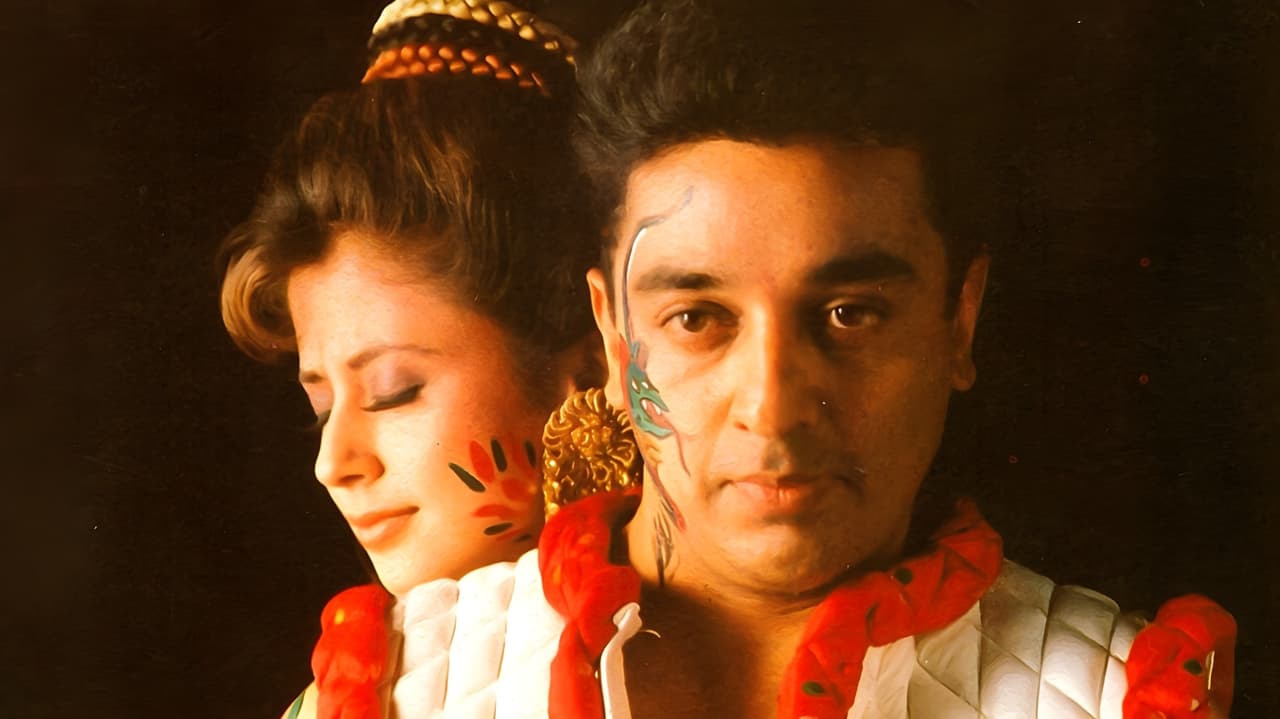
At its heart, Indian presents a fascinating, albeit morally complex, generational conflict. We meet Chandrabose, or "Chandru" (Kamal Haasan), a mid-level Regional Transport Office broker, deftly navigating the labyrinthine system of bribes and kickbacks that grease the wheels of bureaucracy. He's not overtly malicious, more a product of his environment, trying to secure government contracts and favors through payoffs. His path crosses with Aishwarya (Manisha Koirala), an animal welfare activist whose idealism clashes sharply with Chandru's pragmatism, leading to a romance that feels both sweet and slightly precarious, given their opposing worldviews. There's also Sapna (Urmila Matondkar, bringing her signature energy), whose connection to Chandru adds another layer to his relatively modern life.
But lurking in the shadows, seemingly stepping out of a forgotten era, is Senapathy (Kamal Haasan again), Chandru's estranged father. An aged veteran of Subhas Chandra Bose's Indian National Army, Senapathy is a living relic of pre-Independence idealism, driven by an unyielding code of honor and a white-hot rage against the corruption he sees choking the nation he fought to free. When bureaucratic negligence and bribery lead to tragedy, Senapathy resurrects an ancient, lethal martial art (Varma Kalai) and embarks on a chillingly precise vigilante campaign, targeting corrupt officials with ruthless efficiency. The collision course between father and son, between two starkly different visions of India, becomes inevitable.
The Unforgettable Transformation
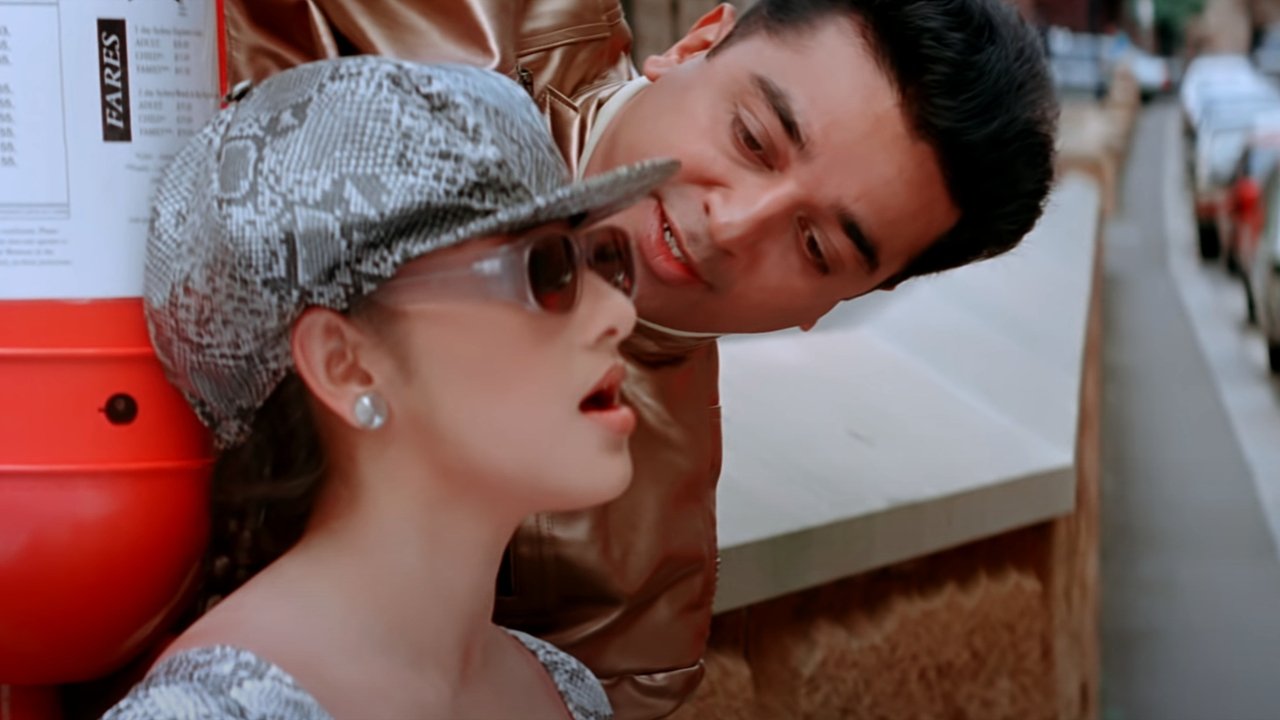
Let's be frank: the sheer audacity and technical brilliance of Kamal Haasan's dual role is the bedrock upon which Indian stands. Playing both the relatively youthful, morally ambiguous Chandru and the ancient, implacable Senapathy required more than just acting chops; it demanded a physical transformation that remains stunning even today. Reportedly, renowned Hollywood makeup artists Michael Westmore (known for his work on Star Trek) and Michael Jones were brought in, spending hours crafting the aged look for Senapathy. The result isn't just latex; it's a fully inhabited character. Haasan alters his gait, his posture, his voice – Senapathy moves with a stiff, deliberate grace that speaks of decades of discipline and barely contained fury, while Chandru is looser, more contemporary. This wasn't just a gimmick; it was essential to the film's thematic core, earning Haasan a well-deserved National Film Award for Best Actor. Seeing him shift between these two personas, sometimes within the same scene, is a masterclass in screen acting.
Shankar's Grand Vision, Rahman's Pulse

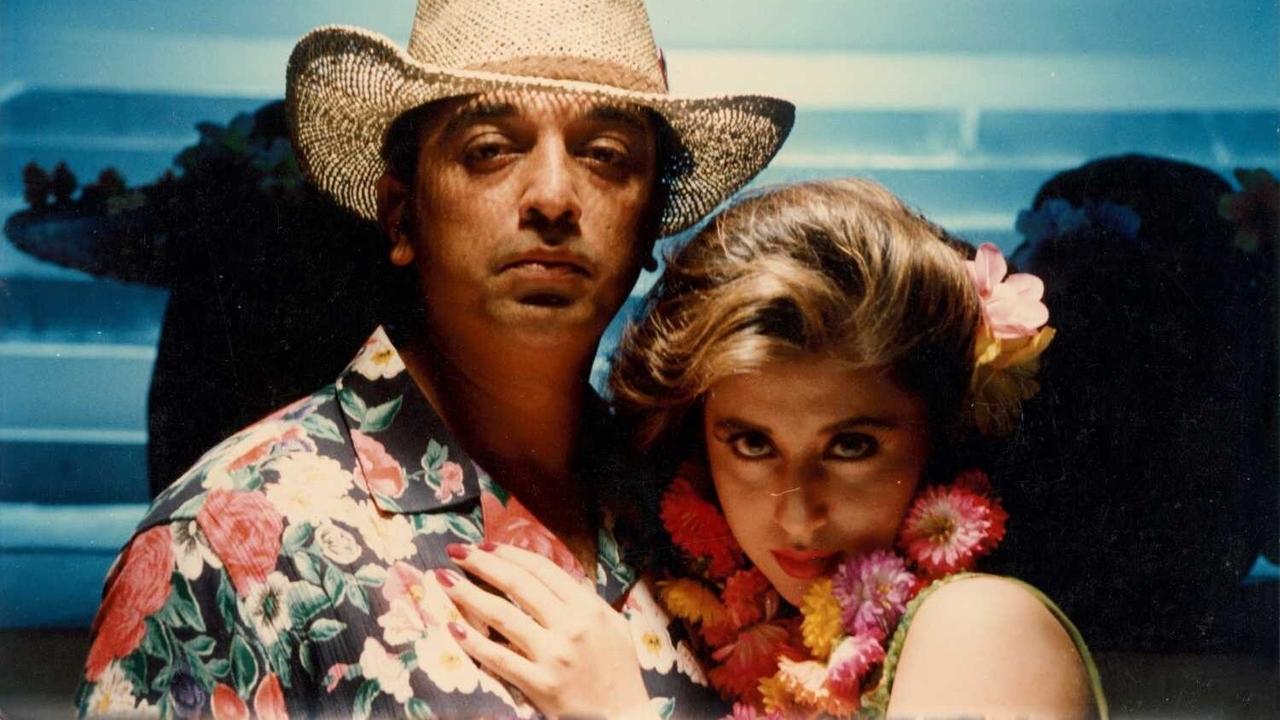
Director S. Shankar, who also co-wrote the script with Sujatha Rangarajan, was already making a name for himself with high-concept entertainers like Gentleman (1993), but Indian felt like a quantum leap. This was filmmaking on an epic scale, reportedly the most expensive Indian film produced up to that point (with a budget rumoured around ₹15 crore, a significant sum in 1996). Shankar uses this canvas to paint a picture of stark contrasts: the sleek, modern world clashing with ancient traditions and simmering resentments. His direction is energetic, sometimes bordering on excessive, but always visually inventive. He stages elaborate, often brutal, action sequences centered around Senapathy's unique fighting style, but also finds time for the burgeoning romance and moments of pointed social commentary.
And the pulse of it all? The absolutely phenomenal score and songs by A. R. Rahman. Fresh off his groundbreaking work, Rahman delivers tracks like "Telephone Manipol" and "Akappadella" that became instant chartbusters, blending contemporary sounds with traditional influences in his signature style. But crucially, his background score amplifies the tension, the pathos, and the righteous anger driving the narrative. It's a score that doesn't just accompany the film; it elevates it.
Legacy of Righteous Rage
Watching Indian again after all these years, perhaps with the benefit of hindsight and a slightly less staticky picture than my old VHS copy offered, its power remains undeniable. Yes, some elements feel distinctly mid-90s – the fashion, some of the comedic relief – but the core message resonates with unsettling clarity. The film's unflinching look at systemic corruption, and the extreme measures born from desperation, sparked conversations across India and beyond. Its huge commercial success (reportedly grossing over ₹50 crore, a massive return on investment) solidified Shankar's position as a master of the socially conscious blockbuster and arguably set a template for many vigilante films that followed. It was even India's official submission for the Best Foreign Language Film category at the 69th Academy Awards, a testament to its perceived quality and impact, though it ultimately wasn't nominated.
The film isn't without its complexities, of course. Does it endorse Senapathy's brutal methods? The narrative walks a fine line, presenting his actions as both terrifying and, within the film's logic, grimly necessary. It forces us to question where the line lies between justice and vengeance, and what happens when systems designed to protect citizens fail them so profoundly. What lingers most, perhaps, is the haunting image of Senapathy, a figure fueled by a patriotism so fierce it curdles into something dangerous, a ghost fighting battles long finished yet perpetually relevant. The news of a sequel, Indian 2, finally nearing completion after decades, speaks volumes about the enduring hold this character and his crusade have on the popular imagination.
Rating: 8.5/10
Indian is a potent cocktail of high-octane action, social commentary, and powerhouse performance. Kamal Haasan's dual role is iconic, elevated by S. Shankar's ambitious direction and A. R. Rahman's electrifying score. While some aspects feel dated, the film's raw energy and its furious indictment of corruption remain remarkably powerful. It was a landmark achievement in 90s Indian cinema, a VHS discovery that delivered a punch far heavier than its plastic casing suggested.
It leaves you pondering: in the face of pervasive injustice, what is the breaking point? Indian doesn't offer easy answers, but it frames the question with unforgettable, visceral force.