Okay, let's settle in. Remember the feeling right around the turn of the millennium? That strange mix of Y2K anxieties fading and a tentative, almost fragile hope for what was next? It’s against that backdrop that Mimi Leder’s Pay It Forward arrived in October 2000, carrying a concept so simple, so earnest, it felt almost radical: what if you repaid a favor not back, but forward, to three other people? The film doesn't just ask the question; it lives inside the messy, complicated reality of trying to make such an idea bloom in the cracked pavement of everyday life.
### An Idea Takes Root
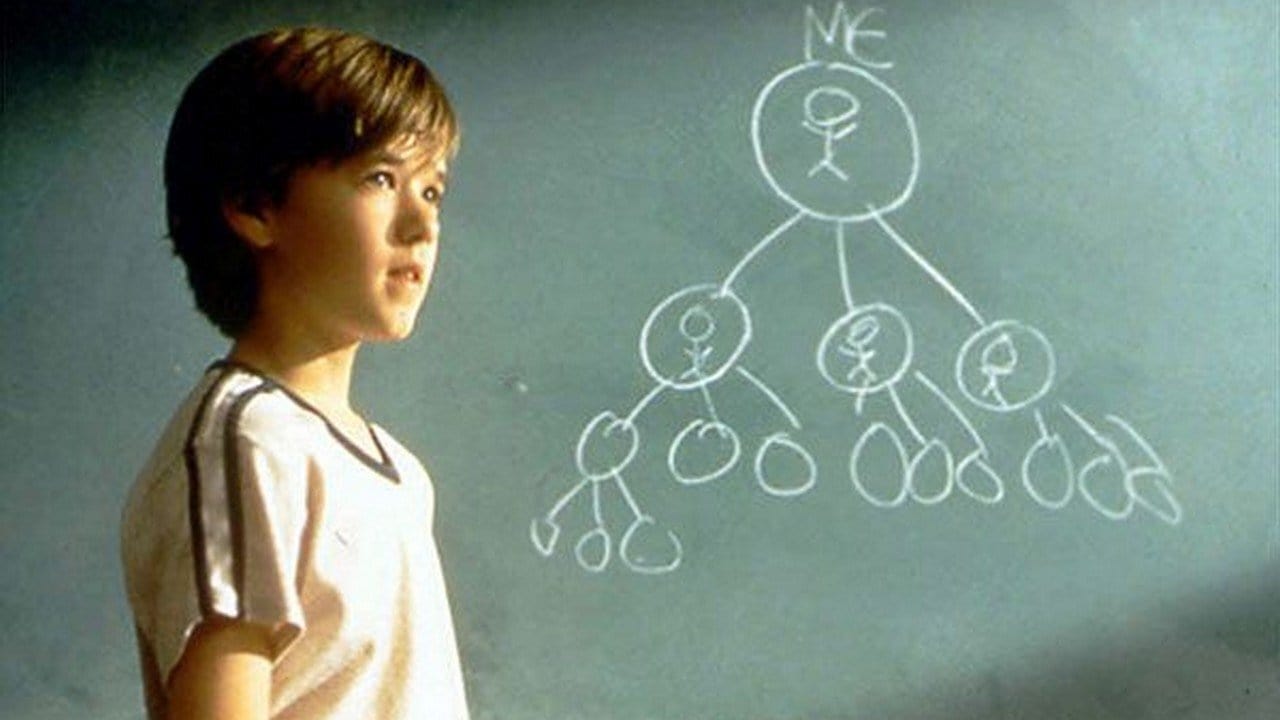
It all starts, as grand ideas sometimes do, in a middle school classroom. Eugene Simonet (Kevin Spacey), a social studies teacher bearing deep physical and emotional scars, throws out an extra credit assignment: think of an idea to change the world, and put it into action. Most kids probably sketched out recycling plans or community cleanups. But young Trevor McKinney (Haley Joel Osment, fresh off his astonishing turn in The Sixth Sense (1999) and already showing a maturity beyond his years) comes up with "Pay It Forward." He'll do a big favor for three people, and instead of wanting anything back, he'll ask them to pay it forward to three more people. It’s exponential kindness, a human pyramid scheme of goodwill. It sounds lovely, almost naive. And the film, penned by Leslie Dixon (who showed a knack for finding heart in unlikely places with Mrs. Doubtfire (1993)) based on Catherine Ryan Hyde’s novel, spends its runtime exploring the beautiful, brutal collision between this pure concept and the imperfect people tasked with carrying it out.
### Worlds of Hurt, Seeds of Hope
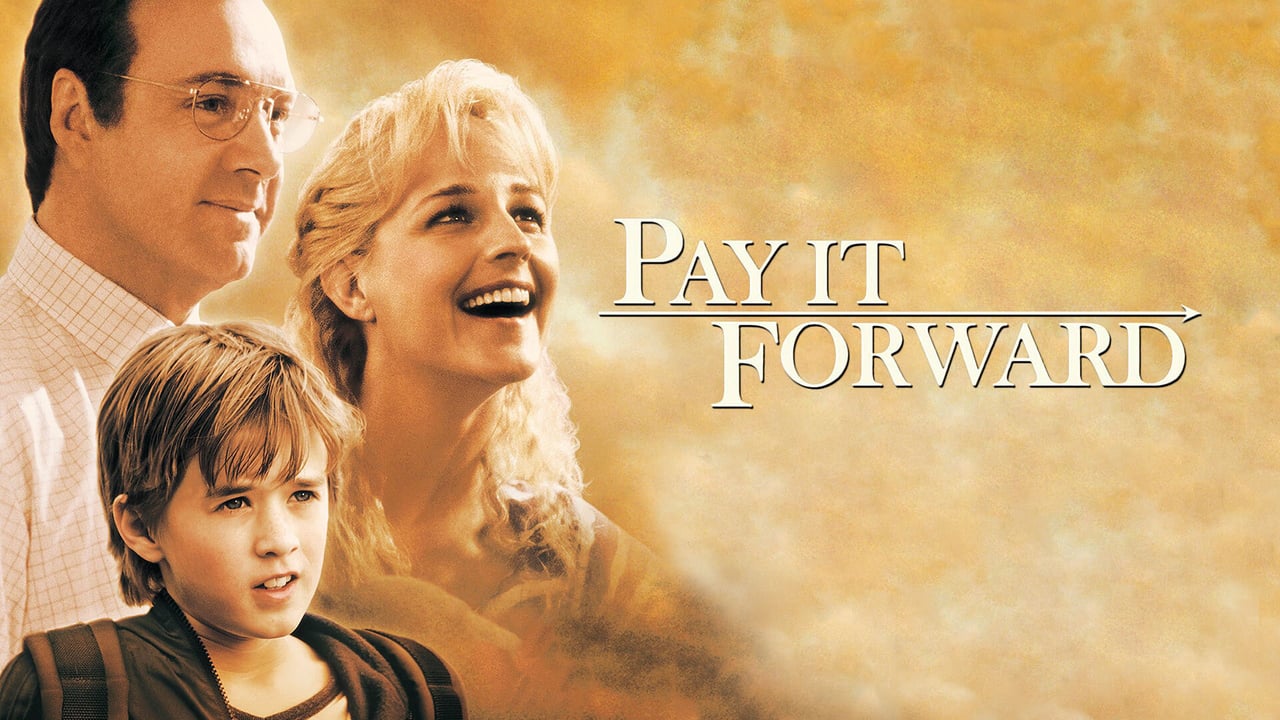
Pay It Forward isn't content with just being an inspirational postcard. It grounds Trevor's idealism in the harsh realities faced by the adults around him. His mother, Arlene (Helen Hunt, bringing the same raw nerve she displayed in As Good as It Gets (1997)), is a recovering alcoholic working two jobs, fiercely protective but trapped in cycles of bad choices and simmering resentment. Eugene, his teacher, hides behind routine and intellectualism, his disfigurement a constant, visible reminder of past trauma inflicted by his own father. These aren't characters designed for easy sympathy; they are complex, damaged individuals struggling to connect, let alone change the world.
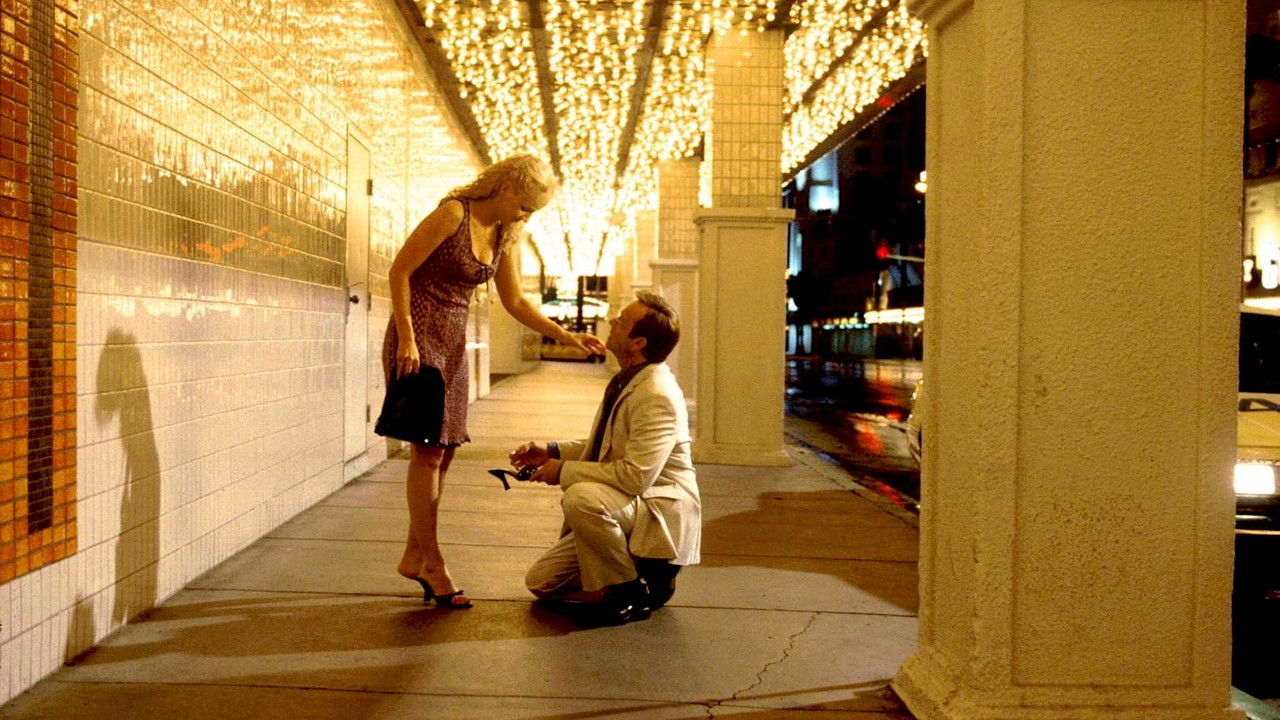
It’s fascinating to see Mimi Leder at the helm here. Known more for the spectacle of Deep Impact (1998) or the action beats of The Peacemaker (1997), she brings a certain grounded weight to the proceedings. Las Vegas isn’t just glitter; it’s strip malls, late-night diners, and the quiet desperation behind the neon glow. She lets the camera linger on the characters' faces, capturing the flicker of hope warring with years of ingrained cynicism. The film cost around $40 million to make, a decent budget for a drama at the time, but it never feels overly slick, retaining a necessary grit.
### A Trio of Raw Performances
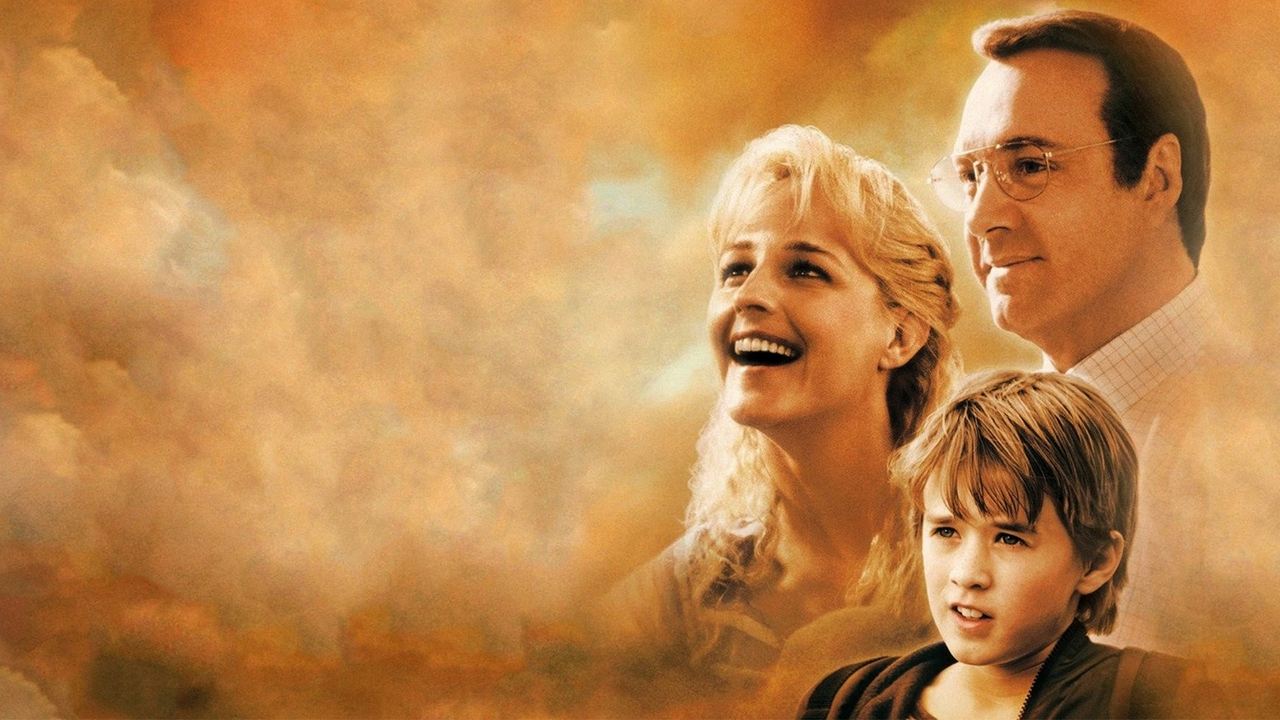
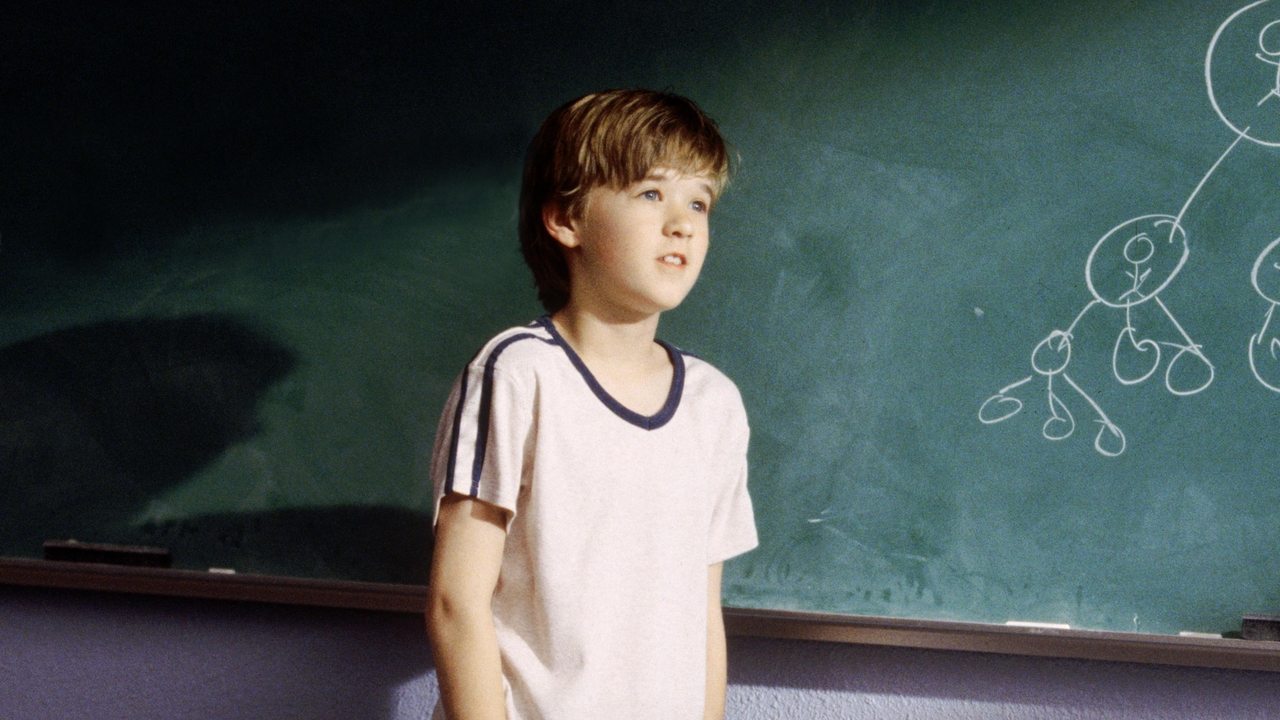
The film rests squarely on the shoulders of its central trio, and they deliver performances that resonate with authenticity. Haley Joel Osment avoids the precocious child actor trap; Trevor feels like a real kid – earnest, sometimes frustrated, fiercely determined in the way only children can be before life grinds down their optimism. You believe he believes in his project, even when it falters.
Helen Hunt is terrific as Arlene. She captures the exhaustion, the defensiveness, but also the deep well of love for her son that fuels her attempts to break free from her past, including a volatile relationship with Trevor’s absent father (played briefly but effectively by Jon Bon Jovi). Her scenes with Spacey crackle with a tentative, wounded chemistry.
And then there's Kevin Spacey as Eugene. Years before his career imploded under deserved controversy, his talent was undeniable. Here, he embodies Eugene's profound guardedness, the way he uses meticulous routine and precise language as armor. The physical scarring is significant, but it’s the internal damage Spacey conveys – the fear of intimacy, the shame, the quiet dignity – that makes the character compelling. Watching him slowly, tentatively let Trevor and Arlene into his fortified world is the film's emotional core. It’s a performance layered with subtle choices, making Eugene far more than just a plot device.
### The Ripple Effect: Does It Work?
The narrative structure, intercutting Trevor's efforts with glimpses of the "Pay It Forward" movement spreading elsewhere (investigated by Jay Mohr's skeptical journalist), aims to show the idea's viral potential. Does it always land smoothly? Perhaps not. Some found the connections and coincidences a bit too convenient, the sentimentality occasionally tipping into manipulation. The film definitely wears its heart on its sleeve, and its earnestness can feel a little... much... in cynical times.
And yet, there's something undeniably powerful in watching the ripples spread. Seeing Jim Caviezel as a homeless man given a chance, or Angie Dickinson receiving unexpected help – these moments land because they tap into a universal yearning for connection and compassion. One interesting production tidbit: the "Pay It Forward" concept itself gained significant traction after the book and film, inspiring real-world foundations and initiatives. Life imitating art, perhaps?
Spoiler Alert! We have to talk about the ending. Trevor's sudden, tragic death after intervening in a school bullying incident remains controversial. Some felt it was a cheap, manipulative gut-punch, undermining the film's hopeful message. Others saw it as a stark, if brutal, statement: doing good doesn't guarantee safety, but the impact of the act, the idea, can endure beyond the individual. It forces a difficult question: Was his sacrifice necessary to cement the idea's legacy, or did it negate the very hope he represented? It’s a choice that leaves you wrestling with the film long after the credits roll, preventing it from being a simple, feel-good story.
### Legacy of a Simple Assignment
Watching Pay It Forward today, perhaps on a worn-out DVD pulled from the back of a shelf rather than a pristine VHS, evokes a specific kind of nostalgia. It’s not just for the actors or the early 2000s aesthetic, but for a time when a film could be so openly, unironically sincere about the potential for goodness, even while acknowledging the darkness surrounding it. It underperformed at the box office, earning around $55.7 million globally against its $40 million budget, suggesting audiences perhaps weren't entirely ready for its blend of hope and heartbreak.
It’s flawed, certainly. It can be heavy-handed, and the ending remains a point of contention. But the strength of the central performances and the enduring power of its core idea – that small acts of kindness can create meaningful change – still resonate. It prompts reflection: Do we default to cynicism too easily? Can one person, one idea, truly make a difference?
Rating: 7/10
The film earns this score through the sheer force of its central performances, particularly from Spacey, Hunt, and Osment, who elevate the material beyond potential schmaltz. Its core concept is undeniably potent, and Mimi Leder grounds the idealism in a tangible, often harsh reality. While the execution sometimes falters, leaning into sentimentality or controversial narrative choices, its earnest exploration of hope, trauma, and the potential for human connection leaves a significant, thought-provoking impression.
It’s a film that stays with you, less perhaps for its plot mechanics, and more for the fundamental question it poses – a question that feels just as relevant, maybe even more urgent, today. What kindness will you pay forward?