There’s a quiet power in a film title that, once understood, hangs heavy in the air long after the credits roll. Longtime Companion (1989) possesses such a title, derived from the delicate, heartbreaking euphemism used in newspaper obituaries of the era to describe the surviving partners of gay men lost to AIDS. It’s a phrase steeped in coded grief and societal denial, and the film itself unfolds with a similar blend of devastating honesty and understated grace. Watching it again now, decades removed from its initial release, it doesn't feel like just a movie; it feels like bearing witness.

From Bliss to Blindside
Written by Craig Lucas (known for his sharp stage plays like Prelude to a Kiss) and directed with profound sensitivity by Norman René (who would tragically die from AIDS complications himself just a few years later in 1996), Longtime Companion bravely charts the course of the AIDS epidemic from its bewildering emergence in 1981 through the deepening crisis of the late 80s. It does so not through statistics or news reports, but through the intimate lens of a group of affluent, mostly white gay friends living in New York City and Fire Island. We meet them in moments of carefree joy – beach parties, shared apartments, budding romances – unaware of the shadow gathering at the edge of their seemingly idyllic lives. The film’s episodic structure, jumping forward year by year, mirrors the creeping, inexorable nature of the illness itself, each chapter marked by growing fear, loss, and a desperate search for answers.
Faces in the Crowd, Hearts on Sleeves
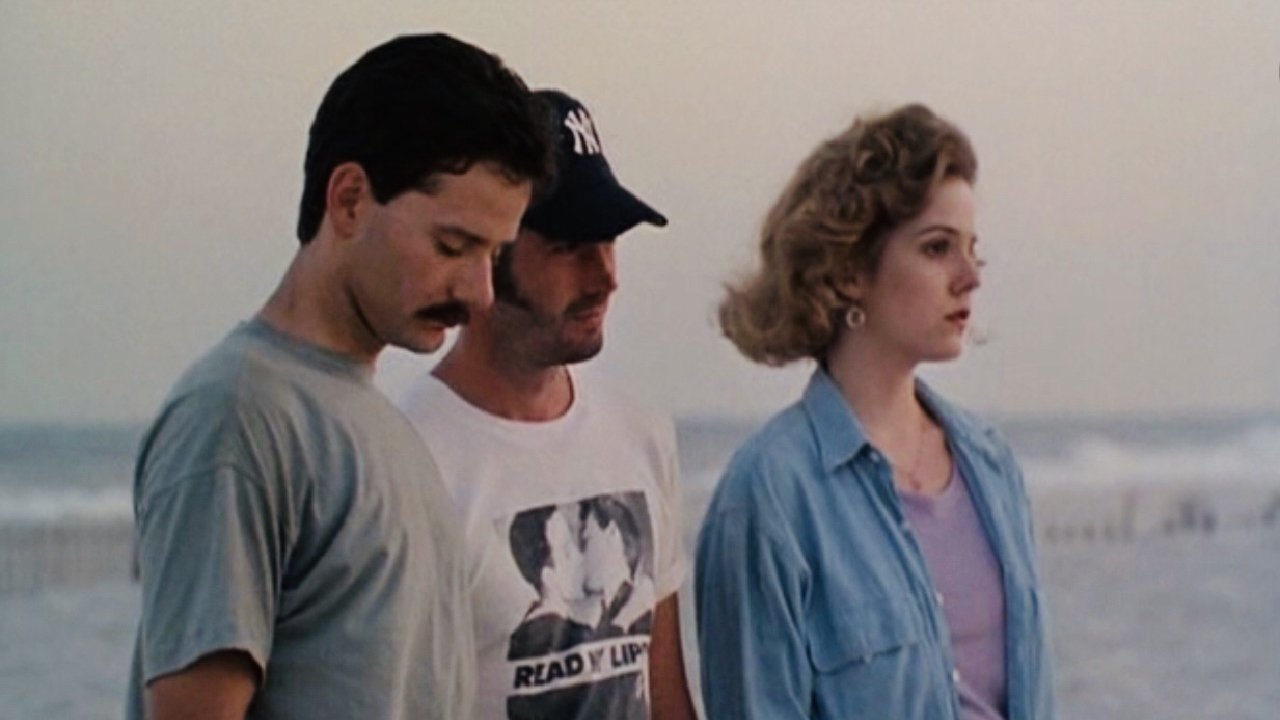
What elevates Longtime Companion beyond a historical document is the sheer authenticity of its ensemble cast. There isn’t a false note among them. Campbell Scott, in one of his earliest major roles, embodies a quiet integrity as Willy, whose journey becomes a central thread. Patrick Cassidy, Stephen Caffrey, John Dossett, and Dermot Mulroney all contribute nuanced portrayals of men grappling with love, friendship, and mortality under unthinkable circumstances. Mary-Louise Parker shines as Fuzzy, the straight friend whose loyalty and evolving understanding provide a crucial anchor. But it’s Bruce Davison as David whose performance etches itself into memory. His portrayal of a man caring for his dying lover Sean (Mark Lamos) is a masterclass in controlled anguish and profound love. Davison’s caregiving scenes are raw, tender, and utterly devastating, earning him a much-deserved Academy Award nomination for Best Supporting Actor – a significant mainstream recognition for a film tackling such a difficult subject.
The Courage to Speak
Making Longtime Companion in the late 1980s was an act of considerable bravery. Mainstream Hollywood was largely silent or fearful of addressing the AIDS crisis directly. Securing funding proved difficult; the film was ultimately financed independently for a reported $1.5 million, a testament to the passion of its creators. Craig Lucas drew heavily on his own experiences and the stories of friends, infusing the script with a painful verisimilitude. Director Norman René, who frequently collaborated with Lucas, avoids melodrama or sensationalism. His camera often observes quietly, allowing the weight of small gestures, shared glances, and unspoken fears to resonate. The film wasn't just telling a story; it was breaking a wall of silence, demanding empathy and recognition for lives being tragically cut short, often ignored or stigmatized by the wider world. Finding this on the shelf at the video store, perhaps nestled between action flicks and comedies, must have been a startling, profoundly moving experience for many viewers back then – a quiet testament arriving on VHS.


Beyond the Tears: Resilience and Remembrance
While undeniably heartbreaking, Longtime Companion is not solely about death. It’s also about the resilience of the human spirit, the fierce bonds of chosen family, and the quiet acts of heroism performed daily by those caring for the sick and fighting for recognition. It captures the confusion and misinformation of the early days, the desperate search for treatments, the political inaction, and the burgeoning sense of community activism. The film doesn't offer easy answers or triumphant victories, but it powerfully affirms the value of love, loyalty, and remembrance in the face of overwhelming loss. Doesn't the way this community rallies, cares for its own, and finds strength in unity echo challenges societies still grapple with today when facing crises?
The film culminates in a scene that is both deeply poignant and subtly hopeful, imagining a future where the plague has passed, and those lost are remembered not just with sorrow, but with the joy of their presence. It’s a moment that allows for catharsis without erasing the scars.
Rating: 9/10
Longtime Companion remains a landmark achievement in queer cinema and a vital historical document. Its power lies in its unwavering humanity, its refusal to look away from difficult truths, and the exceptional, heartfelt performances across the board, particularly Bruce Davison's Oscar-nominated turn. The film's bravery in tackling the AIDS epidemic with such honesty and sensitivity during a period of widespread fear and silence cannot be overstated. While the subject matter makes it a difficult watch, its emotional resonance and understated direction ensure its lasting impact. It earns its high rating through its historical significance, artistic integrity, and profound emotional depth.
It's a film that stays with you, a quiet echo from the VHS era that still speaks volumes about love, loss, and the enduring strength found in simply being there for one another. What does it truly mean to be a companion, long after time has passed? This film offers a moving, unforgettable answer.