Okay, settle in. Let’s talk about a film that probably wasn’t stacked high next to the action blockbusters at your local video store back in the day, but possesses a quiet power that lingers long after the fuzzy tracking lines would have faded from your CRT screen. I’m talking about Abbas Kiarostami’s Through the Olive Trees (1994), a film that doesn't shout, but whispers truths about life, art, and the stubborn persistence of the human heart. It might feel like an unusual pick for VHS Heaven, typically buzzing with synth scores and practical effects, but trust me, this 90s gem offers a different kind of deep satisfaction, a thoughtful counterpoint from the era.

### Life, Interrupted and Reimagined
The film arrives with a fascinating backstory, woven directly into its fabric. It’s the third piece in what’s informally known as Kiarostami’s Koker trilogy, following Where Is the Friend's Home? (1987) and And Life Goes On (1992). But here’s the beautiful complexity: Through the Olive Trees isn't a direct sequel in the traditional sense. Instead, it focuses on the making of a specific scene from the previous film, And Life Goes On. That film itself was a docu-fiction journey where Kiarostami (or a surrogate character) returned to the Koker region of Northern Iran after the devastating 1990 earthquake, searching for the young actors from his first Koker film.
So, Through the Olive Trees becomes this wonderful, nested reality: a fictional film depicting the filming of another film which was itself blurring the lines between documentary and fiction while dealing with the aftermath of a real-life tragedy. If that sounds complicated, it unfolds with remarkable grace and clarity on screen. It’s less a puzzle box and more like watching concentric ripples spread across calm water. This meta-narrative isn't just clever; it allows Kiarostami to explore the relationship between life and art, reality and representation, with profound subtlety.
### The Unspoken Drama Behind the Scenes
At the heart of the film-within-the-film is a simple scene: a young couple getting married shortly after the earthquake. The 'actors' portraying them are Hossein Rezai and Tahereh Ladanian, non-professionals essentially playing versions of themselves. Here lies the film's gentle, driving conflict. Hossein, the young man hired as an actor (who worked as an illiterate bricklayer in real life), is genuinely in love with Tahereh, the young woman playing his bride. In real life, however, her family disapproves of him, partly because he is homeless and illiterate – barriers tragically underscored by the earthquake's destruction.
The fictional film crew, led by the patient, slightly world-weary Director (played with understated authority by Mohamad Ali Keshavarz), repeatedly tries to film the wedding scene. But Tahereh refuses to speak her lines to Hossein or even acknowledge him directly beyond the scripted moments. Her silence becomes a powerful act of resistance, blurring the line between her character's role and her real-life feelings and circumstances. Hossein, meanwhile, uses the breaks between takes, the walks to set, any stolen moment, to continue his earnest, pleading courtship.
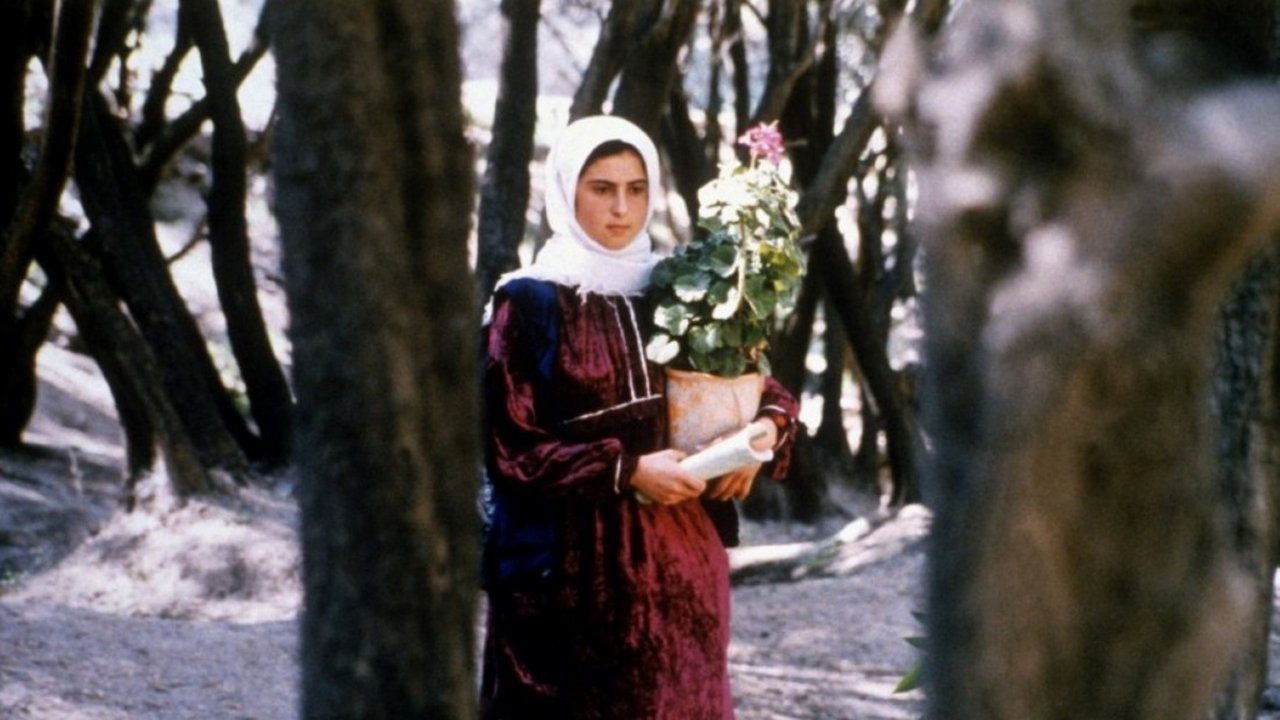
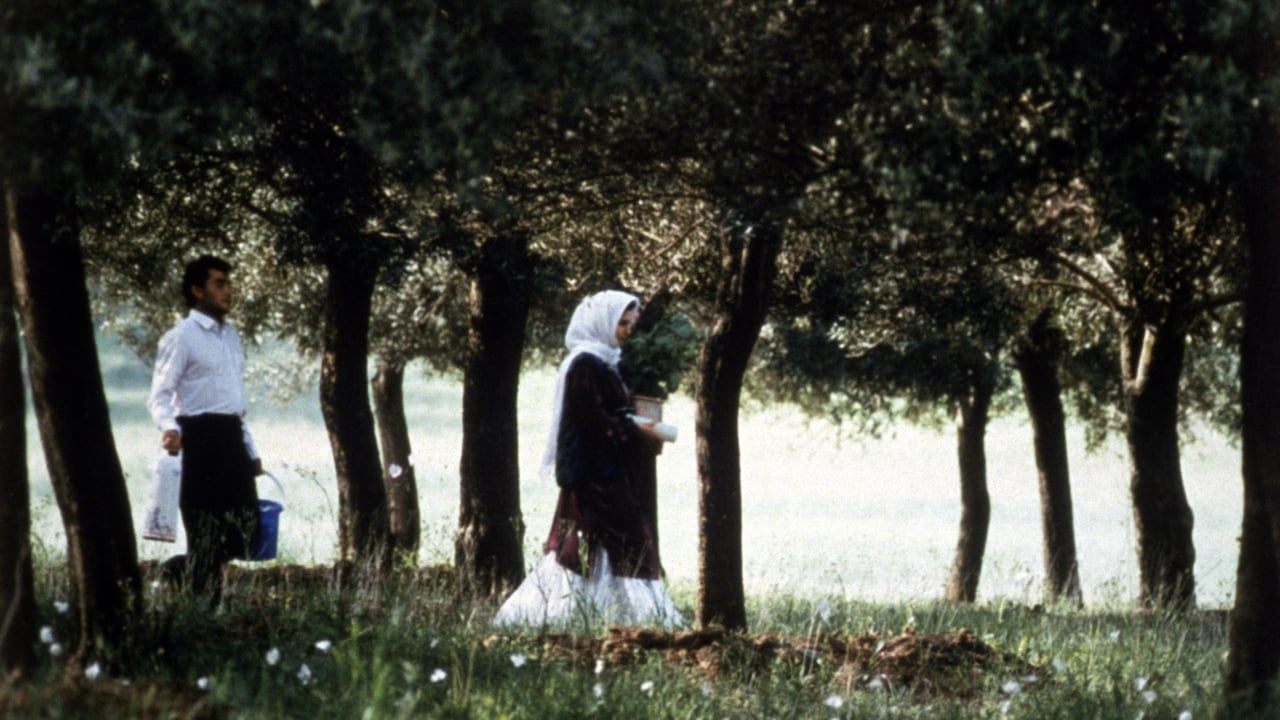
What unfolds is a quiet, deeply human drama playing out against the backdrop of cinematic artifice and the tangible reality of a recovering landscape. We see the Director trying to coax a performance, the crew dealing with logistical hiccups, and all the while, this real, poignant romantic struggle persists just outside the frame, or sometimes, directly within it. Doesn't this dynamic – the tension between what we present and what we truly feel – resonate deeply, regardless of the setting?
### The Kiarostami Touch: Patience and Place
Kiarostami's direction is masterful in its patience. He favors long takes, often observing characters from a distance, allowing moments to breathe and unfold naturally. The camera often feels like a gentle, curious observer rather than an intrusive force. This style perfectly suits the subject matter, emphasizing the rhythm of everyday life, even amidst disruption.
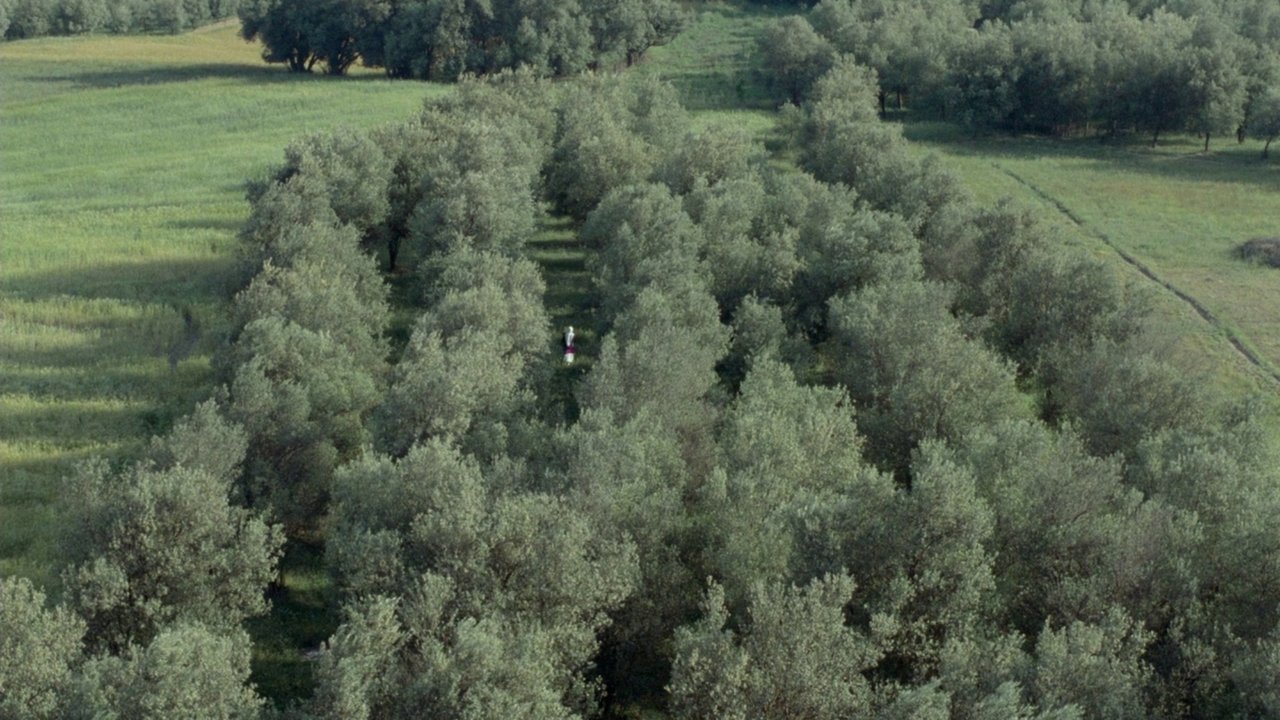
The landscape itself becomes a character. Filmed in the earthquake-stricken Koker region, the visuals of cracked walls, temporary shelters, and resilient olive groves (symbols of endurance and peace) provide a constant, poignant context. There’s a fascinating piece of trivia here: the production of And Life Goes On, and subsequently this film, actually provided work and some economic stimulus to the recovering region. It's a testament to how filmmaking can intersect with life in tangible ways. The challenges of filming in such an environment are subtly hinted at, adding another layer to the film's self-reflexive nature.
The performances, particularly from the non-professional leads Hossein Rezai and Tahereh Ladanian, are astonishingly authentic precisely because they feel so un-performed. Their interactions carry the weight of genuine emotion and history. Keshavarz, as the Director, acts as a compassionate anchor, mediating between the demands of the film and the complexities of the human situation unfolding before him.
### Why It Resonates Beyond the Arthouse Shelf
Watching Through the Olive Trees today, perhaps long after discovering it tucked away on a shelf or maybe even encountering Kiarostami's work later, feels like a reminder of cinema's capacity for quiet depth. In an era often defined by spectacle, its power lies in its humanity, its gentle observations, and the questions it raises about love, social barriers, the nature of storytelling, and resilience in the face of devastation. It doesn’t offer easy answers; that final, long, ambiguous shot is a masterclass in leaving the viewer pondering. What do you think happens after the camera stops rolling? Does his persistence finally win her over, or does reality reassert its boundaries?
This isn't the kind of film you’d typically associate with a Friday night pizza-and-VHS ritual fueled by explosive action or jump scares. Yet, it’s a treasure from the 90s video era nonetheless, representing a different kind of cinematic experience available to those willing to look beyond the marquee titles. It’s a film that invites reflection, rewarding patience with profound emotional and intellectual resonance.
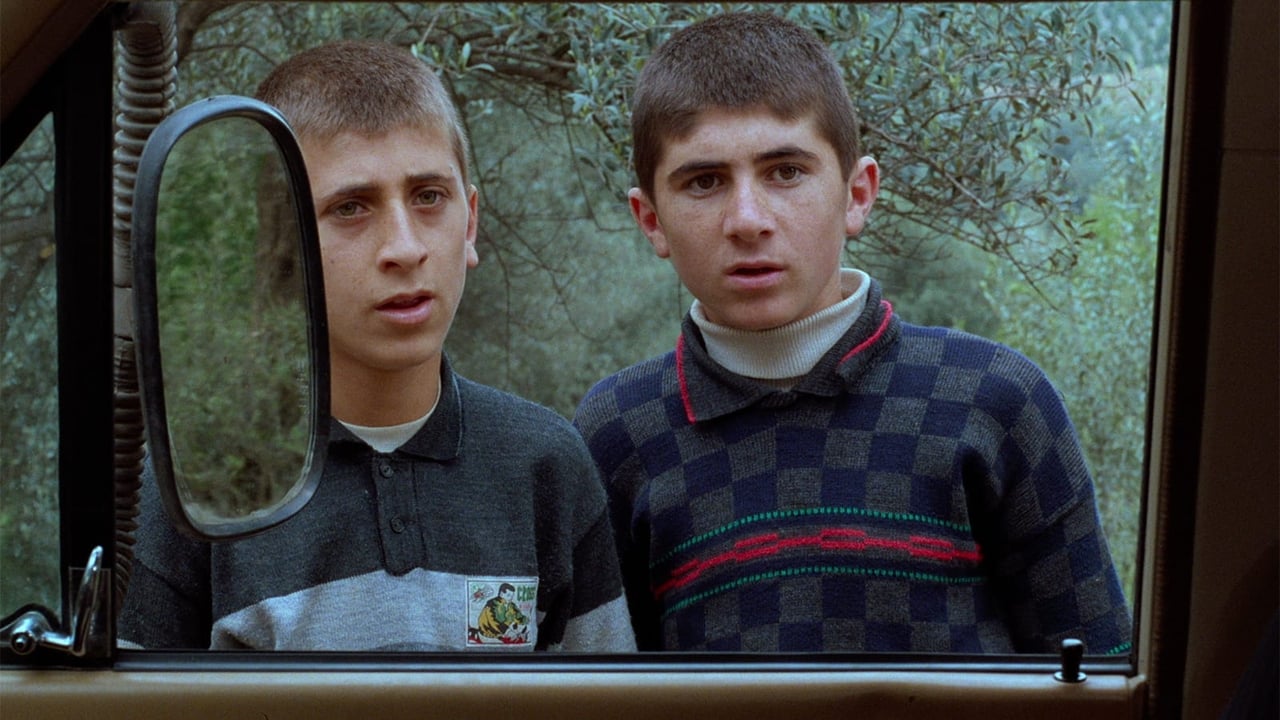
Rating: 9/10
This score reflects the film's masterful direction, its unique and brilliantly executed meta-narrative structure, its deeply affecting humanism, and the remarkable authenticity of its performances. It achieves its artistic aims with near-perfect grace and subtlety, creating a work that is both specific to its time and place, yet universally resonant. It might lack the immediate hook of genre fare, but its quiet power is undeniable and deeply rewarding, justifying its place as a classic of 90s world cinema.
Through the Olive Trees stays with you, not with loud echoes, but with the quiet rustle of leaves and the enduring question of human connection against all odds. It’s a beautiful testament to the stories found just beyond the edge of the frame.