Few films arrived on the shelves of my local video store in the mid-90s accompanied by such a crackle of controversy as Antonia Bird’s Priest. Released in 1994, it wasn’t the kind of tape you’d grab for a casual Friday night viewing. It demanded attention, provoked debate, and left an indelible mark on anyone who dared to press play. Even now, thinking back on that stark VHS cover art, I recall the hushed tones and divided opinions it generated. This wasn't escapism; it was cinema holding up a mirror to uncomfortable truths, forcing a confrontation few were ready for.

### A Crisis of Conscience in Liverpool
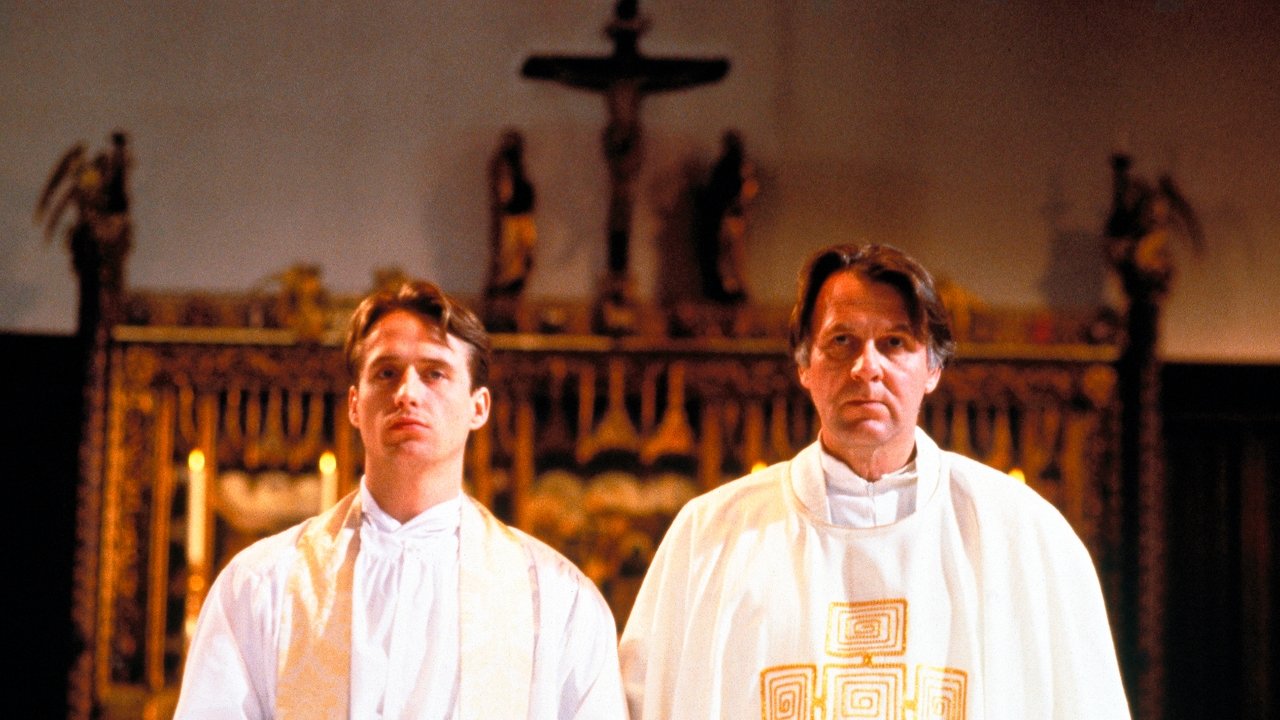
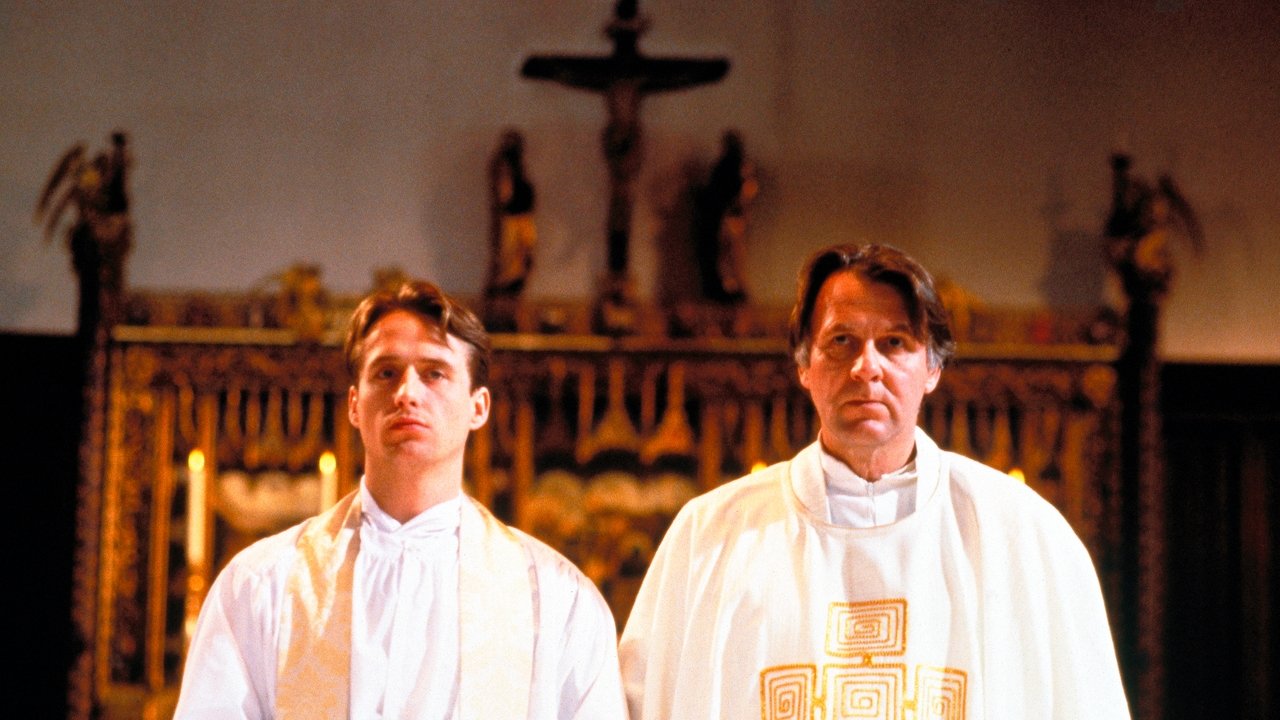
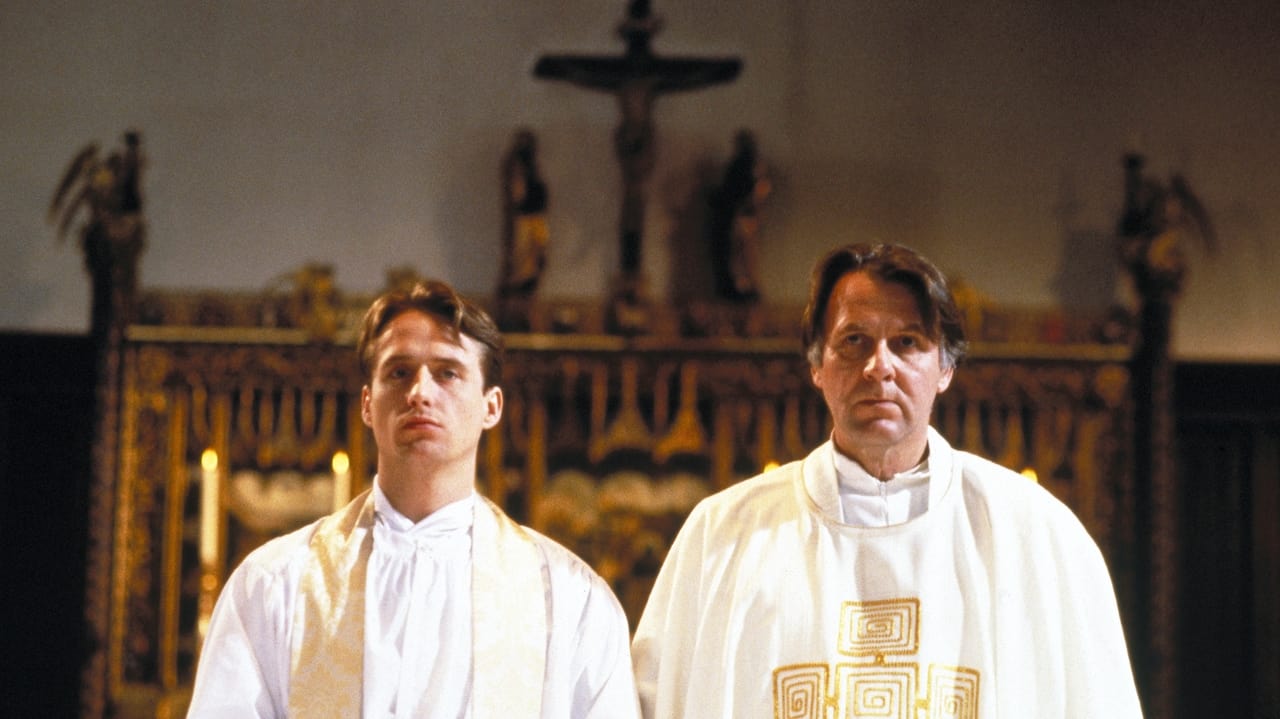
Written with searing honesty by Jimmy McGovern (already known for his unflinching television work like Cracker), Priest plunges us into the life of Father Greg Pilkington (Linus Roache), a young, idealistic Catholic priest newly assigned to a working-class parish in Liverpool. He arrives full of orthodox conviction, only to find his rigid worldview immediately challenged by the pragmatic, liberal Father Matthew Thomas (Tom Wilkinson), who lives openly with his housekeeper, Maria (Cathy Tyson). This initial tension, however, is merely the surface layer. The film delves deep into Father Greg's profound personal struggles: his clandestine homosexuality, a truth utterly incompatible with his vows and the Church's doctrine, and the devastating burden he carries after hearing the confession of a young girl, Lisa (Christine Tremarco), being sexually abused by her own father – abuse he is bound by the seal of the confessional not to reveal.
What unfolds is a raw, painful exploration of faith versus institution, personal integrity versus sworn duty, and the devastating loneliness that can accompany secrets held under the weight of religious dogma. McGovern's script refuses easy answers, presenting characters grappling with impossible moral quandaries. The dialogue feels authentic, grounded in the specific realities of its Liverpool setting, yet resonant with universal questions about hypocrisy, suffering, and the search for grace in a flawed world.
### The Weight of Secrets: Roache's Defining Role
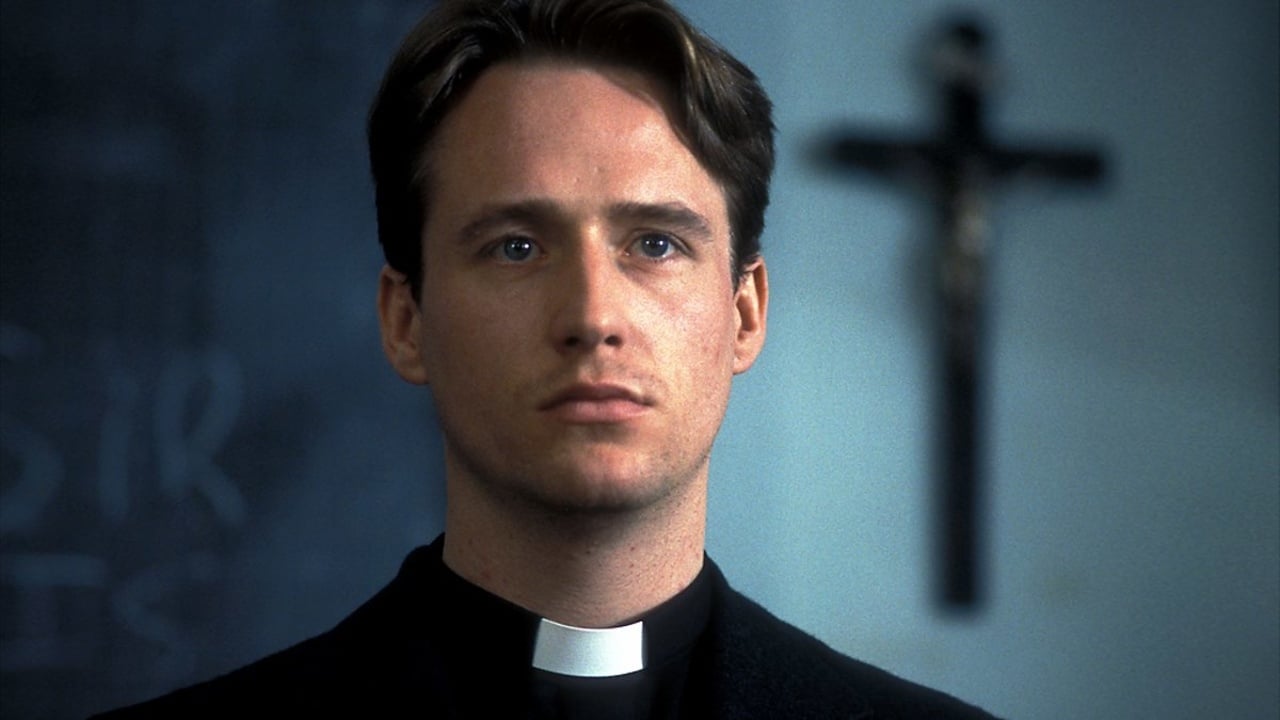
At the film's heart is a truly breathtaking performance by Linus Roache. He embodies Father Greg's internal torment with an almost unbearable vulnerability. It's not just in the dialogue, but in the haunted look in his eyes, the tension in his posture, the moments of quiet desperation that flicker across his face. You feel the crushing weight of his secrets, the agony of his divided self. It’s a performance that feels less like acting and more like bearing witness to a soul in profound crisis. Roache reportedly spent time living with priests to prepare, and that immersion translates into a portrayal of staggering authenticity. Watching him navigate Greg’s descent – culminating in public humiliation and a desperate search for redemption – is utterly compelling.
He's brilliantly counterpointed by the late, great Tom Wilkinson as Father Matthew. Wilkinson brings a lived-in weariness and compassionate pragmatism to the role. His character isn't a simple foil; he represents a different kind of faith, one perhaps more attuned to human frailty and the complexities of love. His quiet understanding and subtle challenges to Greg’s orthodoxy provide some of the film’s most thought-provoking moments.
### Unflinching Direction, Unforgettable Atmosphere
Director Antonia Bird, who would later give us the darkly unique Ravenous (1999), directs Priest with a stark, compassionate realism. She never sensationalizes the difficult subject matter – the depiction of Greg's tentative exploration of his sexuality and the harrowing implications of Lisa's confession are handled with sensitivity yet without flinching. Bird uses the gritty, often rain-slicked streets of Liverpool not just as a backdrop, but as a reflection of the characters' internal landscapes. The cinematography often favors close-ups, forcing an intimacy with the characters' pain and confusion. There's a palpable sense of place and atmosphere that grounds the weighty theological and moral debates.
Retro Fun Facts: It’s hard to overstate the firestorm Priest ignited upon release, particularly in the US. Miramax Films, the distributor, was then owned by Disney, leading to protests from Catholic groups and boycotts targeting Disney. Miramax bravely stood by the film, though it undoubtedly faced an uphill battle for screens. Made on a relatively modest budget (estimated around £1.8 million, roughly $2.7 million USD at the time), its box office was respectable ($4.2 million USD in the US) given the controversy, proving audiences were hungry for challenging adult drama. Initial critical reception was largely positive, praising the performances and brave subject matter, even as conservative commentators condemned it. Jimmy McGovern, himself a former Catholic seminarian, drew heavily on his own experiences and observations, lending the script its powerful authenticity.
### More Than Just Controversy
Looking back, beyond the headlines it generated, Priest stands as a powerful piece of filmmaking. It dared to tackle subjects – homosexuality within the clergy, the devastating impact of the seal of confession in abuse cases – that the Catholic Church, and indeed society at large, was often unwilling to confront openly in the mid-90s. Does the film offer easy solutions? Absolutely not. It leaves the viewer grappling with the profound inconsistencies and challenges inherent in rigid institutions confronting messy human realities. What stays with you is the empathy it generates for its deeply flawed characters, particularly Father Greg, caught in an impossible bind. Doesn't his struggle raise enduring questions about the nature of faith, forgiveness, and the courage required to live authentically, even at great personal cost?
Priest isn't an easy watch. It wasn't then, and it isn't now. It’s emotionally draining, intellectually challenging, and deeply unsettling. But it's also impeccably acted, intelligently written, and directed with profound sensitivity and conviction. It represents a kind of brave, adult filmmaking that feels increasingly rare.
Rating: 9/10
This rating reflects the film's exceptional performances (especially Roache's), the power and bravery of McGovern's script, and Bird's sensitive, unflinching direction. It tackles profoundly difficult themes with intelligence and empathy, making it a significant and artistically accomplished piece of 90s cinema, even if its subject matter makes it inherently challenging.
Priest remains a potent reminder that faith, dogma, and human desire often exist in painful, unresolved tension – a conflict that continues to resonate long after the credits roll and the VCR whirs to a stop.