It sometimes feels like certain films arrive not just as stories, but as intricate ecosystems teeming with life, pulling you into their specific gravity. Jorge Fons' Midaq Alley (El Callejón de los Milagros, 1995) is precisely that kind of film. Watching it again recently, decades after first discovering it tucked away on a video store shelf, likely nestled between louder, more explosive fare, I was struck anew by its quiet power. It doesn't announce itself with bombast; instead, it unspools like a secret history of a neighborhood, revealing the tangled hopes, desires, and despairs of its inhabitants, one overlapping story at a time.
### The Alley's Embrace
Based on the 1947 novel by Nobel laureate Naguib Mahfouz, the film achieves something remarkable: it transports the soul of 1940s Cairo to the pulsing heart of 1990s Mexico City without losing the universality of its themes. Screenwriter Vicente Leñero reimagined Mahfouz's narrative not linearly, but through a rotating structure – we witness the same period unfold from three distinct perspectives, each chapter illuminating the others, like facets of a complex jewel. This wasn't just a clever narrative trick; it mirrors the very nature of life in a close-knit, almost claustrophobic community like the titular alley. Everyone’s story brushes up against everyone else’s, actions ripple outwards, and secrets rarely stay buried for long. It’s a place simultaneously nurturing and suffocating, where dreams are born and often cruelly dashed against the unyielding walls of circumstance.
I recall renting this VHS tape, drawn perhaps by a familiar name or simply the allure of something different. The grainy quality of the tape somehow felt fitting, adding another layer to the film's already potent atmosphere – the dust motes dancing in the cantina light, the vibrant chaos of the street, the intimacy of dimly lit rooms where pivotal choices are made. Fons, who also directed the acclaimed Rojo Amanecer (1989) about the Tlatelolco massacre, captures the specific energy of this microcosm with palpable authenticity. You can almost smell the street food, hear the cacophony of vendors and arguments, feel the weight of shared history pressing down on the characters.

### Lives Intertwined
The ensemble cast here is nothing short of extraordinary, breathing life into characters who feel deeply, achingly real. There's Don Ru (a magnificent Ernesto Gómez Cruz), the aging cantina owner wrestling with secrets and desires that threaten to unravel his carefully constructed life. His quiet desperation, the subtle shifts in his eyes, speak volumes about societal pressures and the crushing weight of unspoken truths. Then there's Susanita (Margarita Sanz, who won an Ariel Award for her role), the lonely landlady clinging to romantic illusions, her story a poignant counterpoint to the harsher realities faced by others.
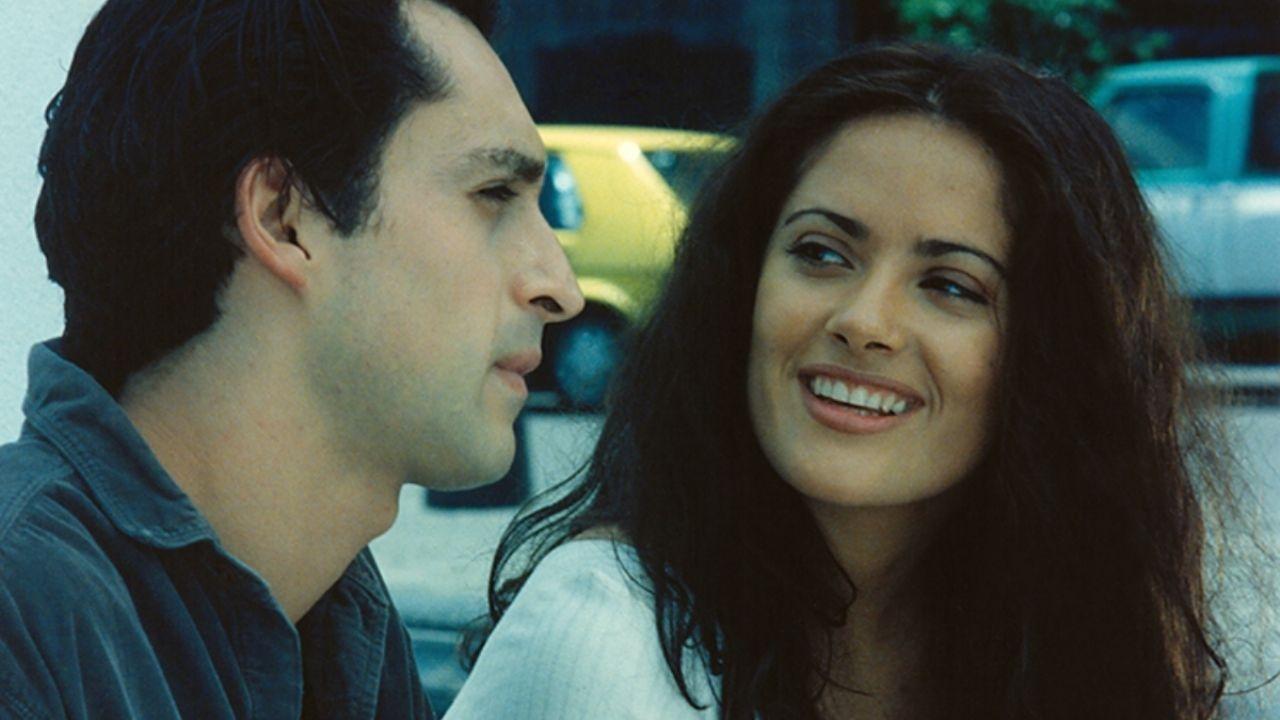
And, of course, there's Alma, played by a young Salma Hayek in a performance that truly announced her arrival as a major talent, long before Hollywood fully took notice. Alma is the alley's vibrant, yearning soul, dreaming of escaping poverty and obscurity. Hayek imbues her with a captivating mix of fierce ambition, vulnerability, and a naive hope that feels both inspiring and dangerous. Watching her navigate the promises and perils offered by the world beyond the alley is heartbreaking because we recognize that fire, that desperate desire for more, even as we sense the potential pitfalls. It's a performance brimming with raw energy and truthfulness, hinting at the star power she would soon command internationally. It’s fascinating to know that Mahfouz himself reportedly saw the film and approved of this bold relocation and reimagining of his work – a testament to how well Fons and Leñero captured the essential human drama.

### Echoes in the Present
What makes Midaq Alley resonate so strongly, even now? Perhaps it's the unflinching way it portrays the collision between aspiration and reality. These aren't characters defined solely by their poverty or circumstance; they are complex individuals driven by universal human needs – love, connection, respect, a sense of purpose, the simple desire for a better life. The film doesn't offer easy answers or neat resolutions. Fate, chance, and flawed choices intertwine, leading some towards tragedy and others towards a fragile, perhaps temporary, reprieve. Doesn't this complex interplay feel disturbingly familiar, reflecting challenges still faced in communities across the globe?
The film swept the Ariel Awards in Mexico, winning 11 categories including Best Picture, Director, Actor (Gómez Cruz), and Actress (Hayek wasn't nominated for lead but Margarita Sanz won Supporting Actress for Susanita). This critical acclaim wasn't just hype; it reflected the film's powerful connection with its audience and its artistic merits. It’s a film that uses its specific setting not to limit its scope, but to explore timeless questions about destiny, free will, and the enduring power of hope, however fragile.
Rating: 9/10
This score reflects the film's masterful storytelling, its deeply affecting performances, and its brilliant adaptation of complex source material. Jorge Fons crafts a rich, atmospheric, and emotionally resonant portrait of a community, using an innovative narrative structure to enhance its thematic depth. The acting, particularly from Ernesto Gómez Cruz and the luminous Salma Hayek, is exceptional. It might lack the flashy appeal of mainstream 90s fare, but its power lies in its authenticity and its unflinching look at human nature.
Midaq Alley is more than just a film; it's an immersion into a world, leaving you with the lingering faces and unresolved fates of its inhabitants long after the credits roll. It’s a potent reminder, discovered perhaps unexpectedly on a worn VHS tape, that some of the most profound stories are found not in grand epics, but in the quiet corners of everyday life.