Here we go, another spin in the VCR... or maybe this one lingered more vividly from its theatrical run, didn't it? There are certain films that arrive not just as movies, but as cultural moments, capturing a specific feeling in the air so precisely it feels like lightning caught in a bottle. Sam Mendes's directorial debut, American Beauty (1999), felt exactly like that as the millennium drew to a close. It landed with the force of a whispered confession, exposing the carefully constructed facade of suburban life and asking uncomfortable questions about the dreams we chase and the ones we let die.
The Perfect Lawn, The Hidden Rot
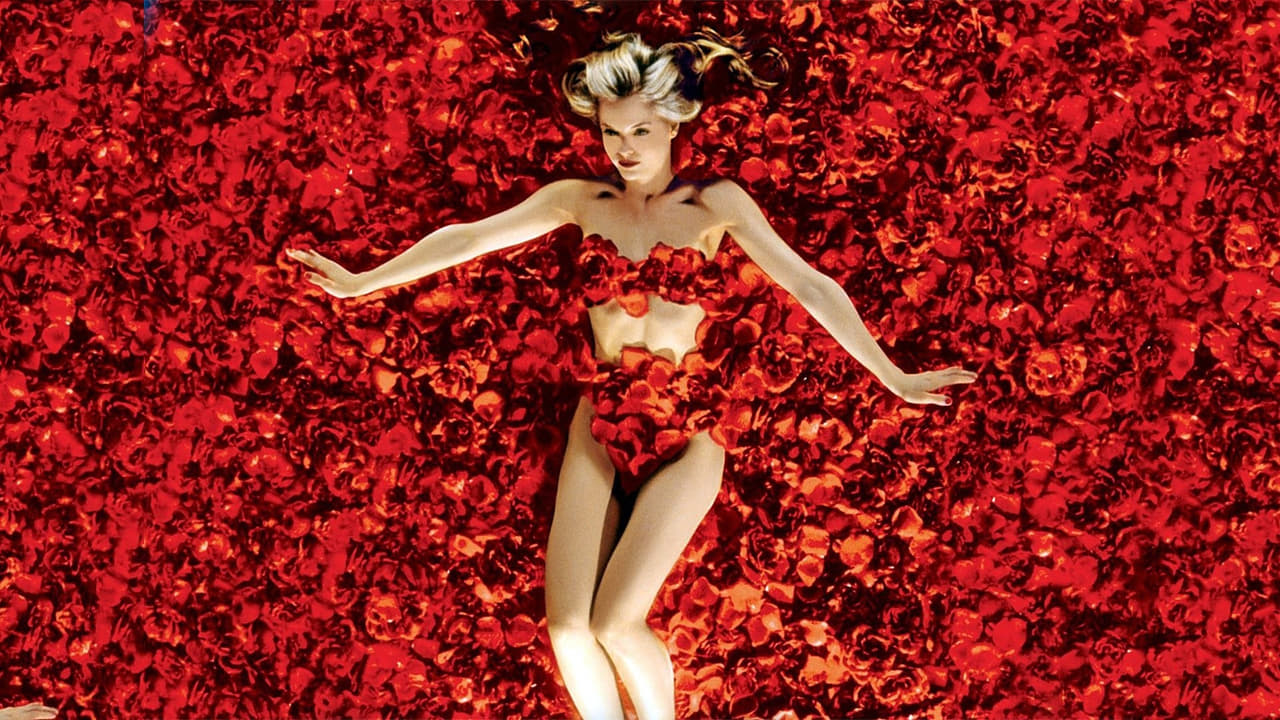
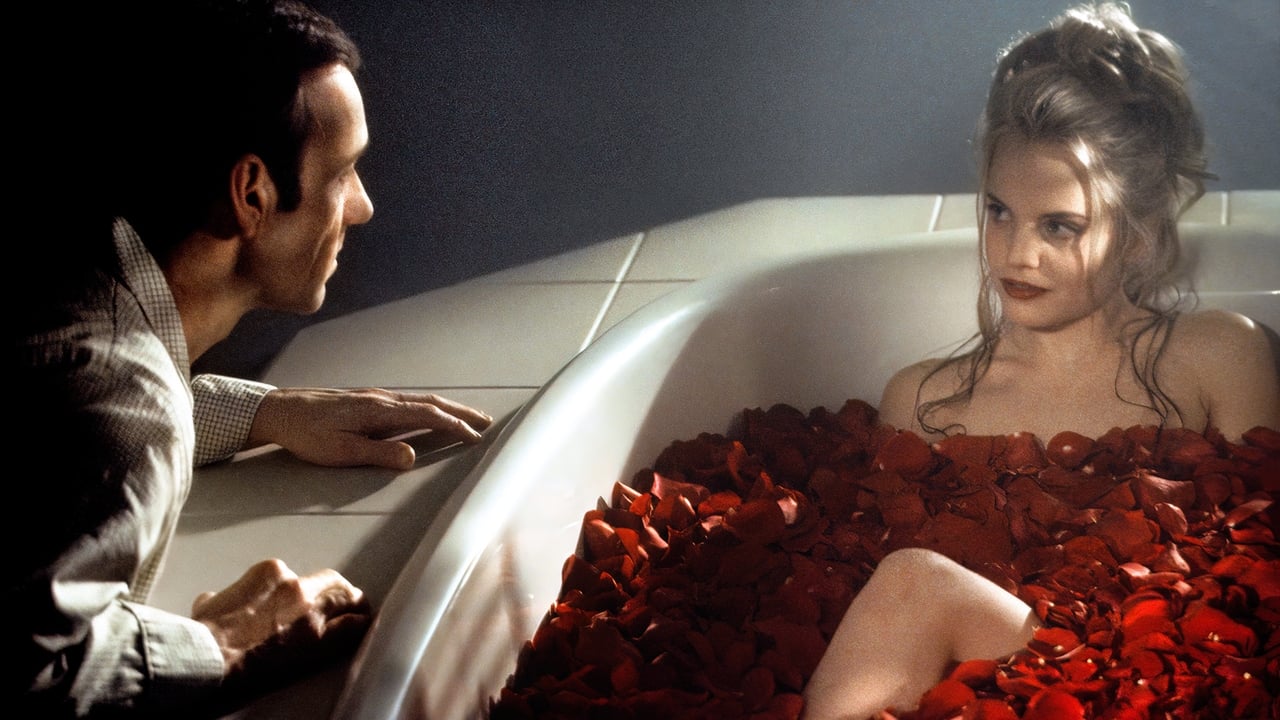
We’re dropped into the manicured prison of the Burnham household, where Lester (Kevin Spacey) narrates his own demise with a detached weariness that’s instantly captivating. His wife, Carolyn (Annette Bening), is a portrait of brittle ambition and simmering resentment, obsessed with maintaining appearances ("I will sell this house today"). Their daughter, Jane (Thora Birch), navigates adolescence with a potent blend of cynicism and vulnerability, observing her parents' unraveling with a chilling clarity. On the surface, it’s the American Dream rendered in flawless symmetry; underneath, it's a landscape of quiet desperation, waiting for a spark. That spark arrives in the form of Angela Hayes (Mena Suvari), Jane’s conventionally beautiful friend, igniting a dangerous infatuation in Lester that becomes the catalyst for his desperate, often misguided, grasp for freedom.
Looking Closer: Themes Under the Microscope
What Alan Ball’s sharp, Oscar-winning script does so brilliantly is peel back the layers. It's not just about a midlife crisis; it's about the suffocating weight of conformity, the hollowness of materialism, and the terrifying beauty that can hide in the most unexpected places. Remember Ricky Fitts (Wes Bentley), the neighbor's son filming the world through his camcorder? His perspective, finding profound beauty in a plastic bag dancing in the wind, serves as the film's aching heart. It’s a moment that could easily feel pretentious, yet somehow, within the film's carefully constructed atmosphere, it lands as a poignant counterpoint to the manufactured perfection Carolyn chases. Ball reportedly drew inspiration partly from the media circus around the Amy Fisher story, transforming tabloid fodder into a deeper meditation on hidden desires and societal judgment. Doesn't that search for authentic beauty, however fleeting, still resonate deeply today?
Crafting the Dreamlike Disquiet
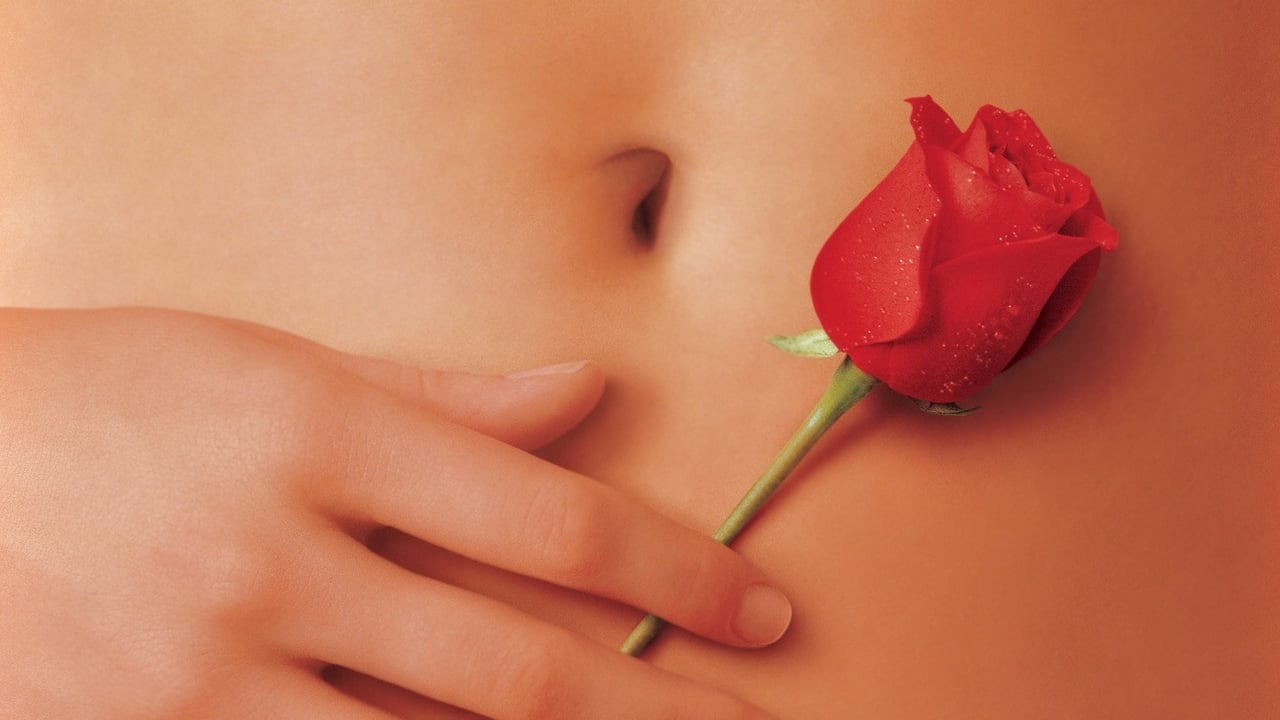
Visually, American Beauty is stunning. This was Sam Mendes's first film, arriving from a celebrated theatre background, and his control is remarkable. Working with legendary cinematographer Conrad L. Hall (who posthumously won an Oscar for his work here), Mendes creates a world that feels both hyper-real and dreamlike. Think of the recurring motif of red rose petals – symbolizing passion, danger, and a manufactured ideal of beauty – often appearing in Lester’s fantasies. Hall apparently fought tooth-and-nail to keep the iconic plastic bag scene, recognizing its fragile poetry. The camera often feels observant, sometimes static, mirroring the characters' feelings of being trapped. And who can forget Thomas Newman’s score? That distinctive blend of marimba, piano, and atmospheric percussion became instantly recognizable, perfectly capturing the film's melancholic, slightly surreal mood.
Performances That Cut Deep
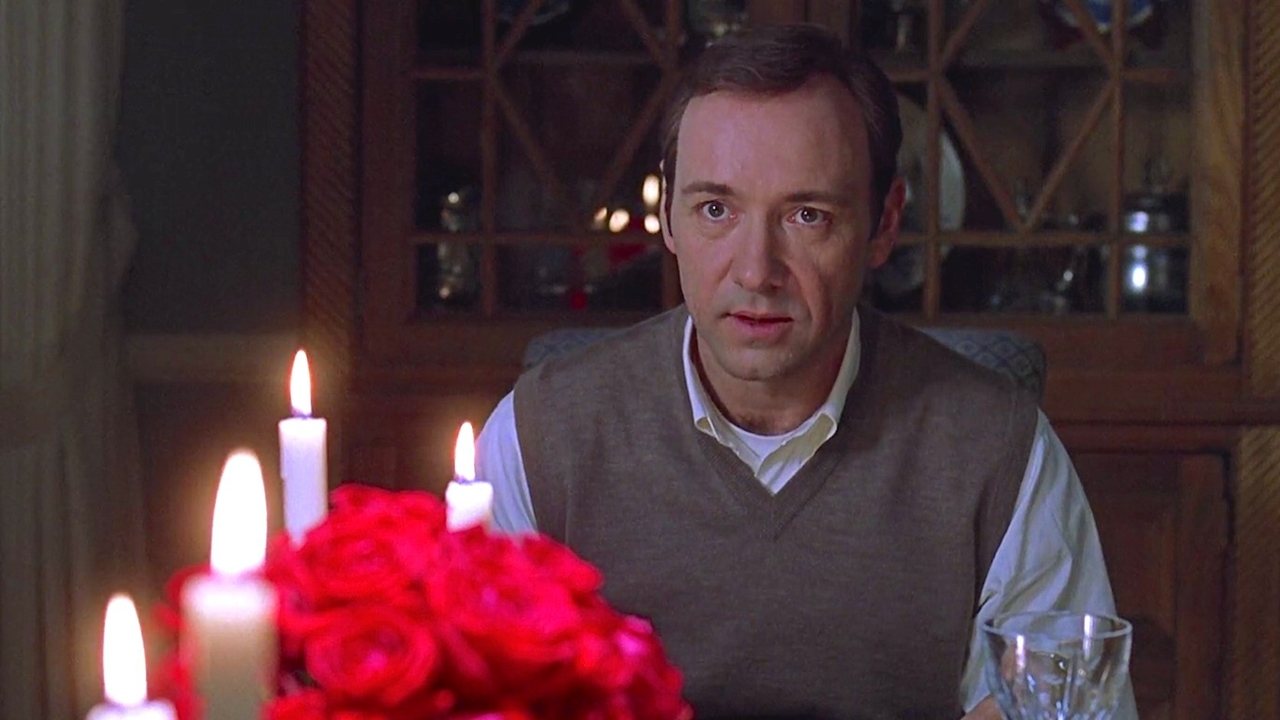
The ensemble cast is uniformly excellent, inhabiting these complex characters with unnerving authenticity. Kevin Spacey’s portrayal of Lester’s journey from numb despair to reckless abandon earned him a well-deserved Best Actor Oscar. He makes Lester pitiable, frustrating, and strangely relatable all at once. Annette Bening is equally compelling as Carolyn, radiating a desperate energy; her private breakdown after failing to sell a house is a masterclass in contained hysteria. Thora Birch grounds the film with Jane's bruised sensitivity, while Wes Bentley, in his breakout role, brings a haunting stillness to Ricky. And Chris Cooper, as the rigidly homophobic Colonel Fitts, delivers a performance of terrifyingly repressed intensity that hints at the deep wells of pain hidden beneath his authoritative exterior. These weren't just roles; they felt like fully realized, deeply flawed human beings we were watching unravel.
Retro Fun Facts: Behind the Perfect Facade
Digging into the making of American Beauty reveals some interesting tidbits. The film, originally conceived by Alan Ball as a play, struck gold with a modest $15 million budget, exploding into a phenomenon that grossed over $356 million worldwide and swept the major Academy Awards (Picture, Director, Actor, Original Screenplay, Cinematography). It wasn't always a guaranteed hit; names like Chevy Chase and Tom Hanks were apparently floated for Lester before Spacey claimed the role. The script itself underwent changes, and the final product walked a tightrope between satire and drama that captivated audiences and critics alike, though its exploration of taboo subjects certainly sparked debate upon release. Its legacy today is perhaps more complex, viewed through the lens of subsequent events, but its power as a piece of late-90s filmmaking remains undeniable.
The Echoes of Beauty
Watching American Beauty again, maybe on a worn-out VHS copy dug out from the back of a closet, is a potent experience. It taps into that specific late-Clinton-era malaise, that feeling of surface prosperity masking deeper anxieties. It's a film that forces you to "look closer," challenging perceptions of normalcy and finding flickers of profound beauty and sadness in the mundane. Does the satire still bite? Do the characters' struggles still feel relevant? For me, the answer is yes. It remains a beautifully crafted, unsettling portrait of lives lived in quiet desperation, yearning for something more.

Rating: 9/10
This score reflects the film's masterful execution, its resonant themes, unforgettable performances, and lasting cultural impact. The direction, cinematography, score, and script coalesce into something truly special. While its subject matter can be uncomfortable and its legacy complicated by external factors, the artistic achievement stands as a powerful, provocative piece of cinema that defined its moment and continues to spark conversation.
It leaves you pondering that plastic bag, doesn't it? That reminder that sometimes, the most profound beauty isn't in the grand gestures, but in the fleeting, unexpected moments of grace we might otherwise miss.