Here's the review for "Before Night Falls" (2000):
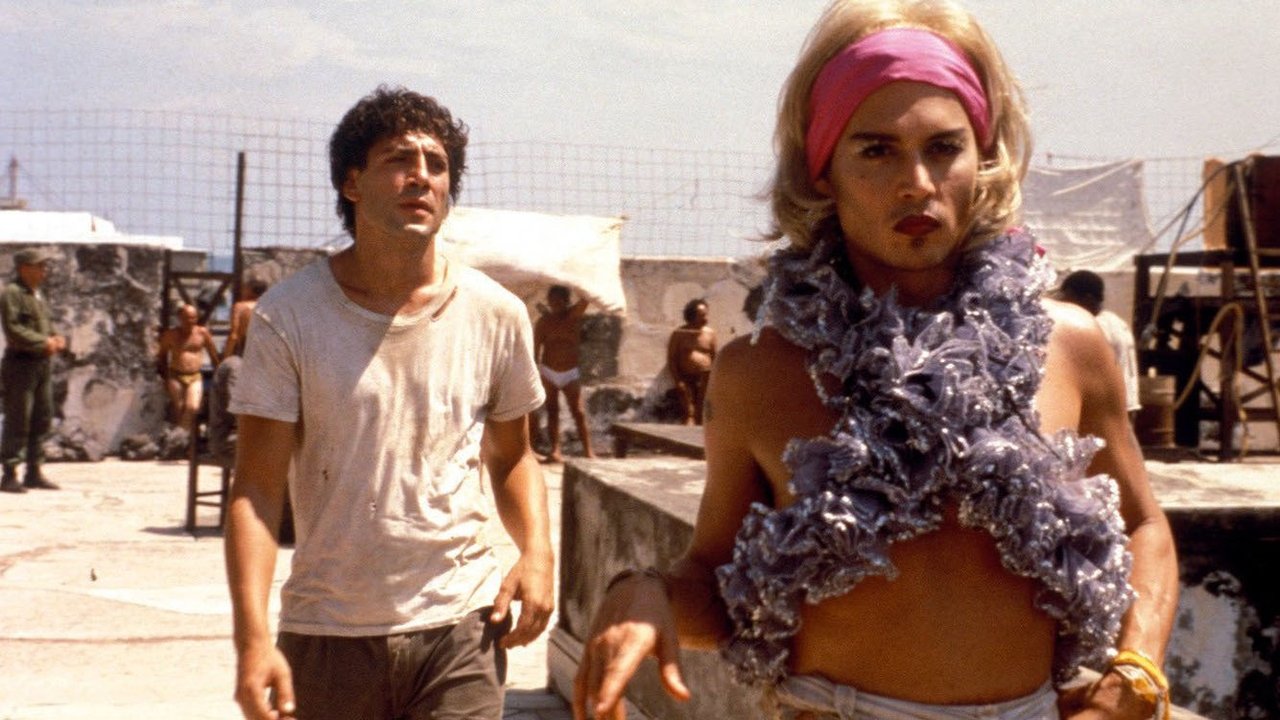
There are films that entertain, films that thrill, and then there are films that burrow under your skin, leaving an indelible mark long after the tape has rewound (or, let's be honest, the DVD stopped spinning – this one arrived just as the formats were shifting). Julian Schnabel’s Before Night Falls (2000) is firmly in that last category. It doesn't just tell the story of Cuban poet and novelist Reinaldo Arenas; it plunges you into the turbulent current of his life, forcing you to confront the ferocious beauty and brutal cost of living authentically under an oppressive regime. This isn't a comfortable watch, perhaps not the usual fare we reminisce about cracking open from a Blockbuster case on a Friday night, but its power feels timeless, echoing the defiant spirit found in the best, most challenging cinema from any era.
A Life Lived Out Loud
The film charts Arenas's journey from impoverished rural childhood, through his early embrace of the Cuban Revolution, to his eventual disillusionment and persecution for his writing and homosexuality, culminating in his exile and tragic death in New York. What strikes you immediately is the film's vibrant, almost chaotic energy, mirroring Arenas's own passionate and tumultuous existence. Schnabel, himself a renowned painter before turning director (previously giving us Basquiat in 1996), approaches the narrative not with linear precision, but with bold, impressionistic strokes. He blends harsh reality with poetic interludes and dreamlike sequences, capturing the inner world of a writer whose imagination was his ultimate refuge.
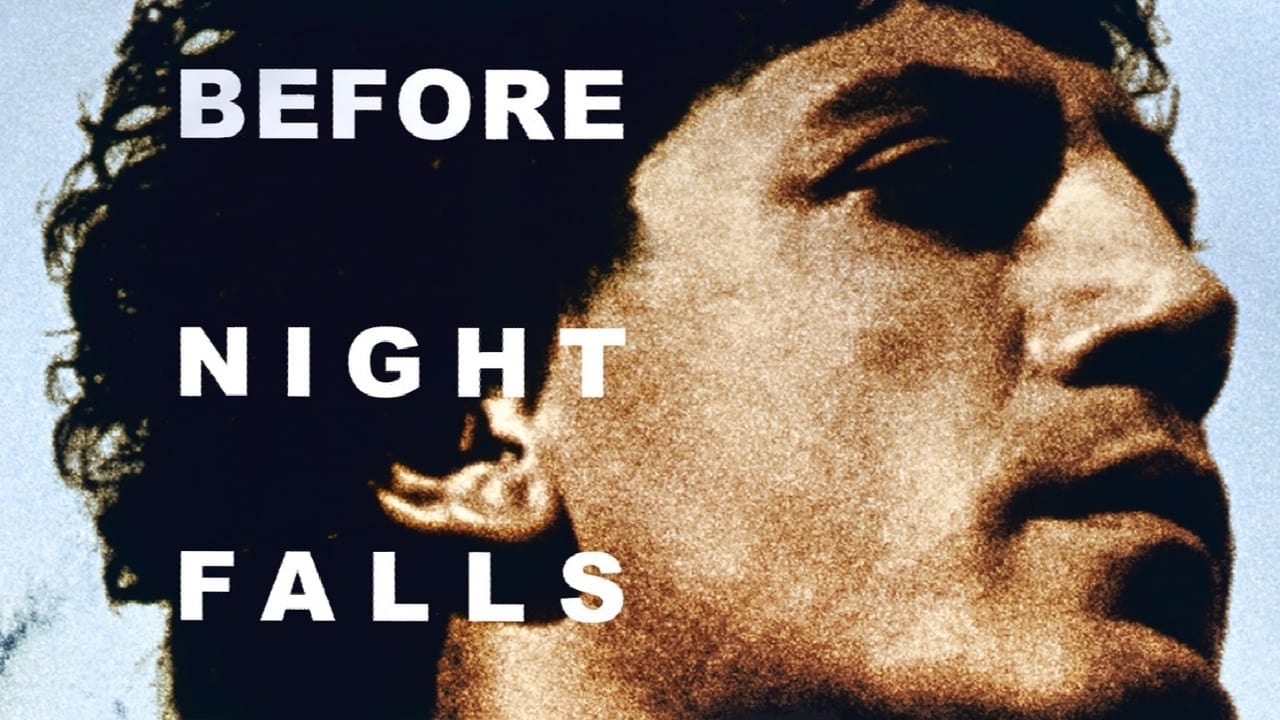
Schnabel's Canvas, Arenas's World
Filming couldn't take place in Cuba, so locations in Mexico (Veracruz and Mérida) stand in, yet Schnabel and cinematographer Xavier Pérez Grobet conjure an atmosphere thick with heat, sensuality, and simmering danger. You feel the texture of the peeling paint, the humidity hanging in the air, the claustrophobia of prison cells juxtaposed with the expansive freedom of the sea and sky that Arenas so often invoked in his work. Schnabel’s commitment was profound; reports often mention how he poured his own resources, even mortgaging his New York house, into ensuring the film, budgeted around $20 million, got made despite its challenging subject matter and modest box office prospects (it ultimately grossed around $8.5 million worldwide). This personal investment feels palpable on screen – a director utterly fused with his subject's defiant spirit.
The Soul of the Poet: Bardem's Incandescent Performance
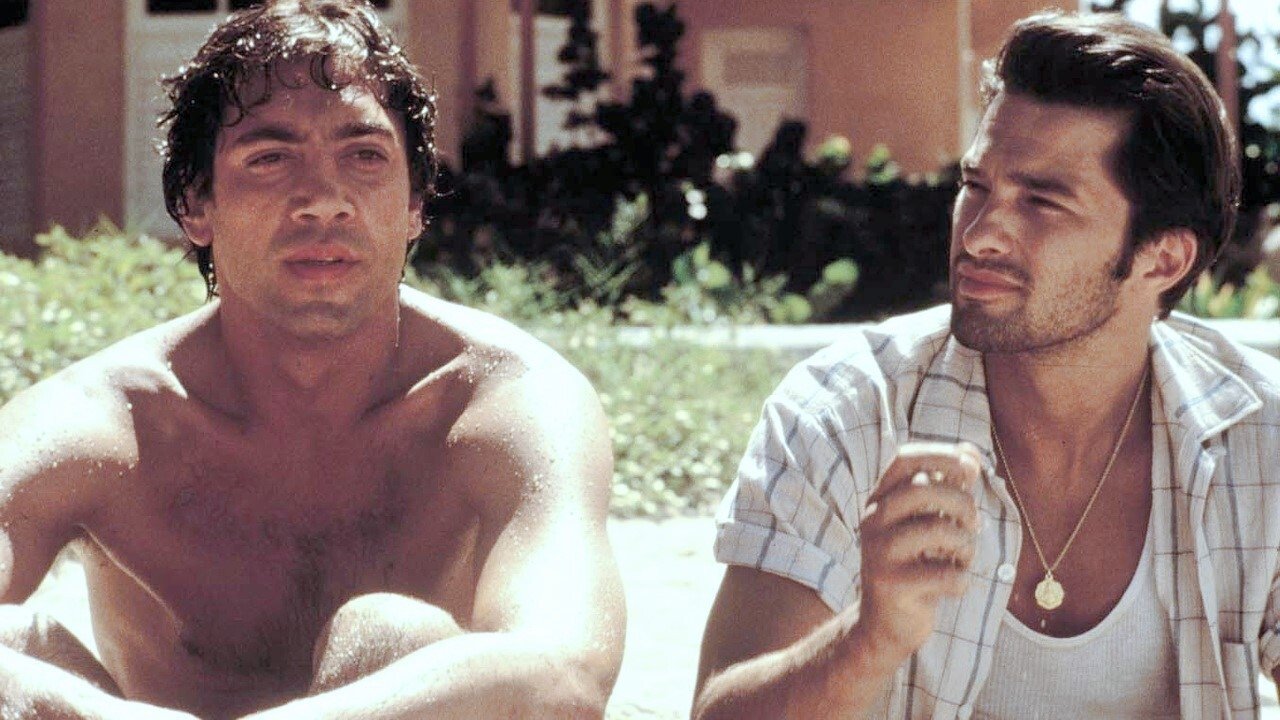
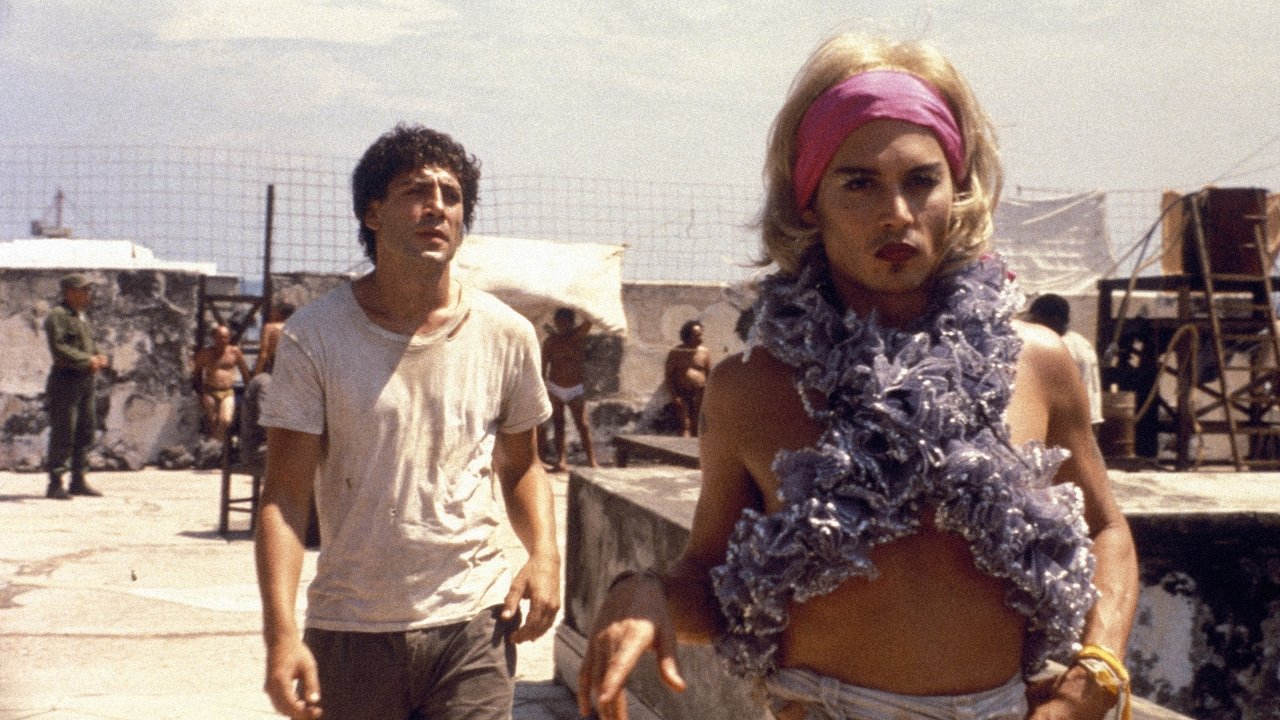
And then there is Javier Bardem. Before he became the chilling Anton Chigurh in No Country for Old Men (2007) or the Bond villain Silva, Bardem delivered a performance here that is nothing short of breathtaking. It earned him a richly deserved Oscar nomination for Best Actor, and it's easy to see why. He doesn't just play Reinaldo Arenas; he inhabits him. Bardem captures Arenas's fierce intellect, his irrepressible sensuality, his vulnerability, his rage, and ultimately, his unwavering commitment to his truth, even as his body and spirit are relentlessly attacked. Bardem reportedly learned Cuban Spanish and immersed himself completely, meeting people who knew Arenas, shedding weight for the later scenes depicting Arenas's battle with AIDS. The result is a portrayal devoid of caricature, brimming with raw, complex humanity. It’s the kind of performance that reminds you why cinema exists – to connect us so deeply with another human soul.
Fleeting Faces, Lasting Impressions
The supporting cast orbits Bardem effectively. Olivier Martinez brings a compelling mix of charisma and menace as Lázaro Gómez Carriles, Arenas’s loyal friend and collaborator. And in perhaps one of the film's most talked-about casting coups, Johnny Depp, then arguably at the peak of his 90s stardom transitioning into the new millennium, appears in two distinct, memorable cameos. He plays Bon Bon, a striking and sympathetic transgender inmate who smuggles Arenas's manuscripts out of prison, embodying a fragile defiance. Later, he appears as the chillingly authoritarian Lieutenant Victor, showcasing his versatility. It's a fascinating use of a major star – brief flashes that underscore the different facets of power, oppression, and unexpected alliances within Arenas's world. Schnabel apparently convinced Depp over dinner, highlighting the almost guerrilla-style filmmaking spirit that permeated the production.
Why Does It Still Resonate?
Watching Before Night Falls today, perhaps digging out that old art-house VHS copy or finding it streaming, its themes feel disturbingly relevant. The struggle for artistic freedom against state censorship, the persecution of marginalized communities (particularly LGBTQ+ individuals), the desperate flight for survival – these are not relics of a specific historical moment. Arenas's defiant cry, "Tell the truth! Tell the truth!" echoes across decades. The film doesn't shy away from the bleakness of his circumstances, nor the physical and emotional toll exacted by Castro's regime. Yet, it's ultimately not a story of victimhood, but one of indomitable spirit. What lingers most is the sheer force of Arenas's will to create, to love, and to live, even when faced with unimaginable adversity. Doesn't his fight mirror the courage required by so many artists and activists around the world, even now?
Rating: 9/10
This score reflects the film's profound emotional impact, driven primarily by Javier Bardem's towering, career-defining performance and Julian Schnabel's unique, visually arresting direction. While its non-linear structure and sometimes harrowing subject matter might challenge some viewers, its artistic integrity and thematic power are undeniable. It successfully translates the essence of Arenas's poetic resistance onto the screen with raw honesty. It might be a slightly later entry than our usual 80s/90s fare, but Before Night Falls feels like a vital piece of cinema that likely found its way into the hands of discerning renters during the twilight of the VHS era, offering a potent, unforgettable experience.