The turn of the millennium wasn't just about countdown clocks and fears of digital collapse; it carried a deeper, more spiritual anxiety. A sense that maybe, just maybe, the cosmic odometer rolling over meant something more profound, perhaps more sinister. Janusz Kamiński's directorial debut, Lost Souls, arrived in this atmosphere of millennial unease, though its journey to the screen was fraught, mirroring the very uncertainty it depicted. It’s a film steeped in shadows and whispers, less concerned with outright terror than with a creeping, almost suffocating sense of predestination.

Released in 2000 but filmed significantly earlier, Lost Souls feels like a relic unearthed, a final, somber echo of late-90s theological dread before the brighter, perhaps brasher, new century truly kicked in. We follow Maya Larkin (Winona Ryder), a devout Catholic school teacher who, alongside Father Lareaux (John Hurt, lending his customary gravitas), participates in the exorcism of a serial killer. During the ritual, the possessed man reveals a coded message hinting that Satan plans to become human by possessing a specific man: crime writer Peter Kelson (Ben Chaplin). Maya, haunted by her own past encounters with demonic forces (a backstory hinted at more than explored), takes it upon herself to find and warn the atheistic, pragmatic Kelson before his fateful 33rd birthday.
The Eye Behind the Shadows
What immediately sets Lost Souls apart, for better or worse, is its visual signature. This is, after all, the directorial debut of Janusz Kamiński, the celebrated cinematographer behind the haunting visuals of Schindler's List (1993) and the visceral chaos of Saving Private Ryan (1998). His eye for composition, for using light and shadow to evoke mood, is undeniably present. The film is drenched in gloom – desaturated colors, perpetual rain or night, interiors swallowed by darkness. It looks like how dread feels. Cityscapes are rendered as cold, alienating labyrinths; even moments of potential sanctuary feel precarious. Kamiński crafts an oppressive atmosphere that lingers, a world perpetually shrouded, reflecting the spiritual decay at its core. You can almost feel the damp chill seeping off the screen, reminiscent of those late-night rentals where the flickering CRT seemed to deepen the shadows on screen.
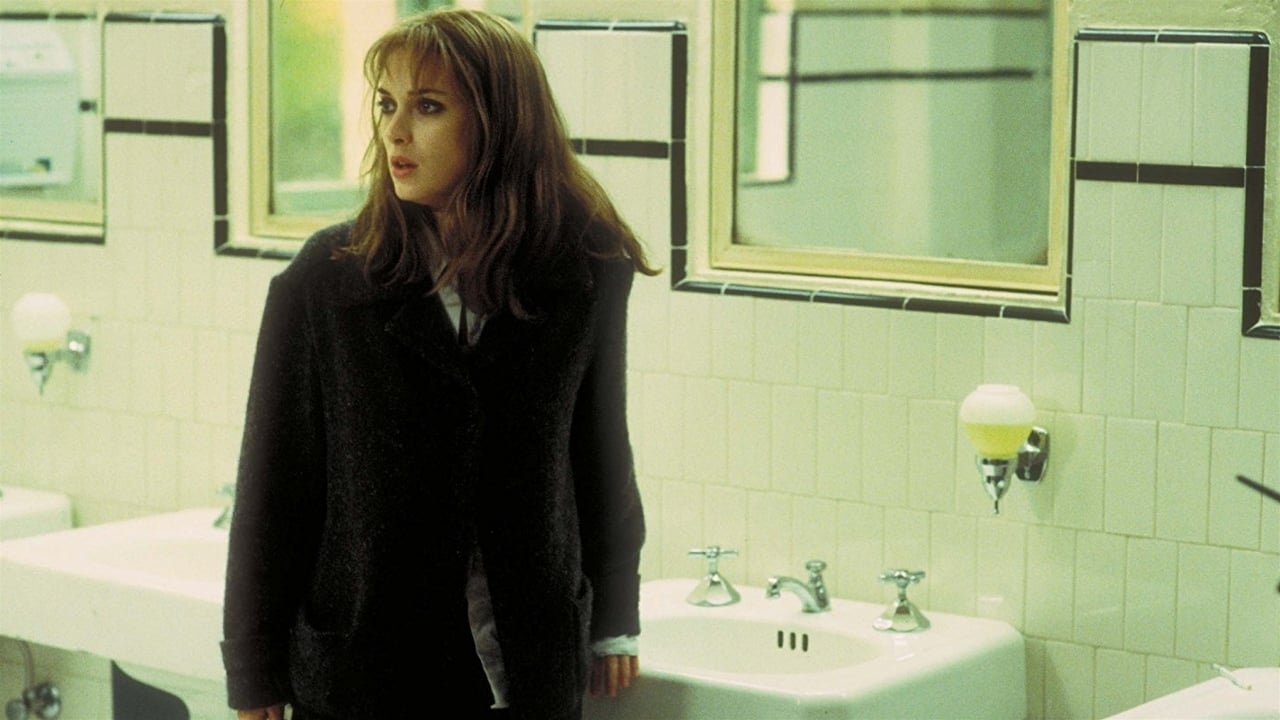
However, this relentless visual moodiness sometimes comes at the expense of narrative momentum. The film adopts a deliberate, almost meditative pace that can occasionally tip over into sluggishness. While it avoids cheap jump scares, commendably aiming for psychological and spiritual horror, the tension sometimes dissipates in the pervasive gloom rather than building within it. It's as if Kamiński, so masterful at painting canvases of light and dark for Steven Spielberg, occasionally let the visual storytelling overwhelm the actual story being told.
A Prophecy Delayed
Perhaps some of the film's muted impact stems from its troubled release history. Completed around 1998, New Line Cinema famously shelved Lost Souls for two years. The studio climate at the time was saturated with turn-of-the-century apocalyptic thrillers – End of Days (1999) and Stigmata (1999) had already trod similar ground. Did they fear audience fatigue? Or perhaps sense the film’s more contemplative, less action-oriented approach wouldn't ignite the box office? Reportedly budgeted around $50 million, its eventual worldwide gross of just over $31 million suggests those fears might have been founded. Watching it now, you can feel that sense of it being slightly out of time, arriving just after the cultural moment it seemed designed to capture had peaked. This delay couldn't have helped its momentum, leaving it feeling like a whispered warning arriving after the party was already over.
Faith Under Pressure
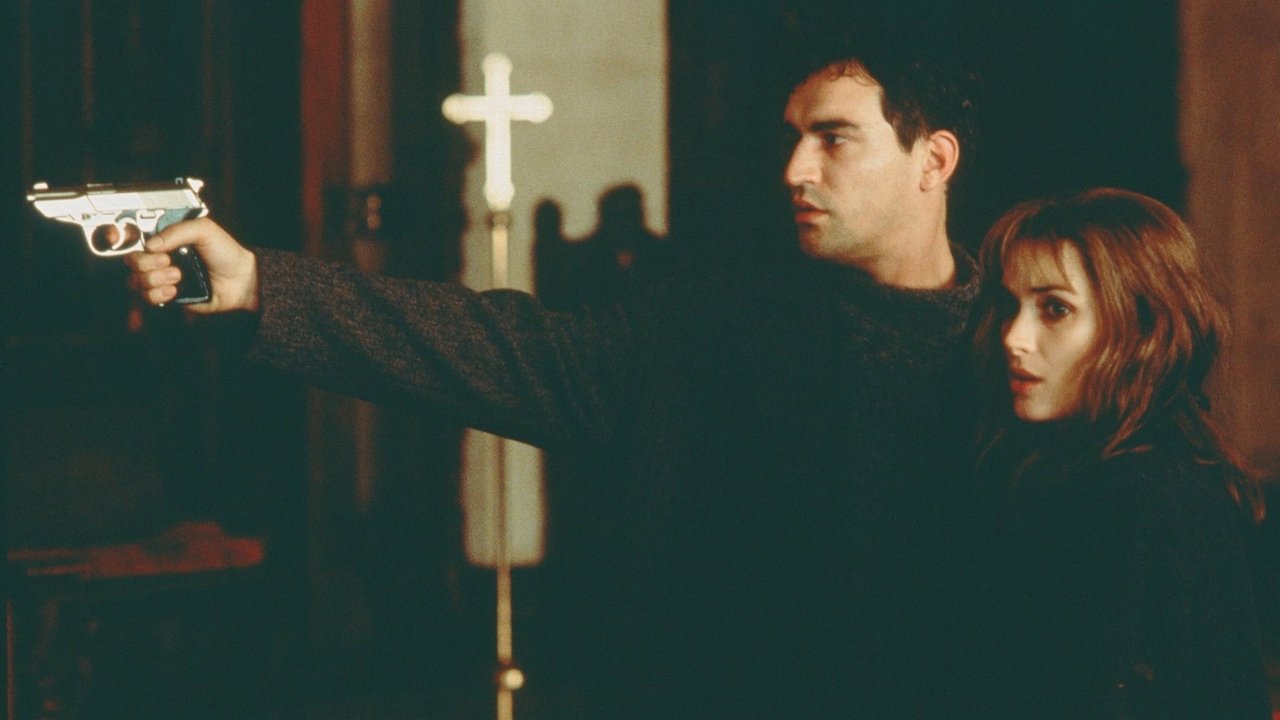
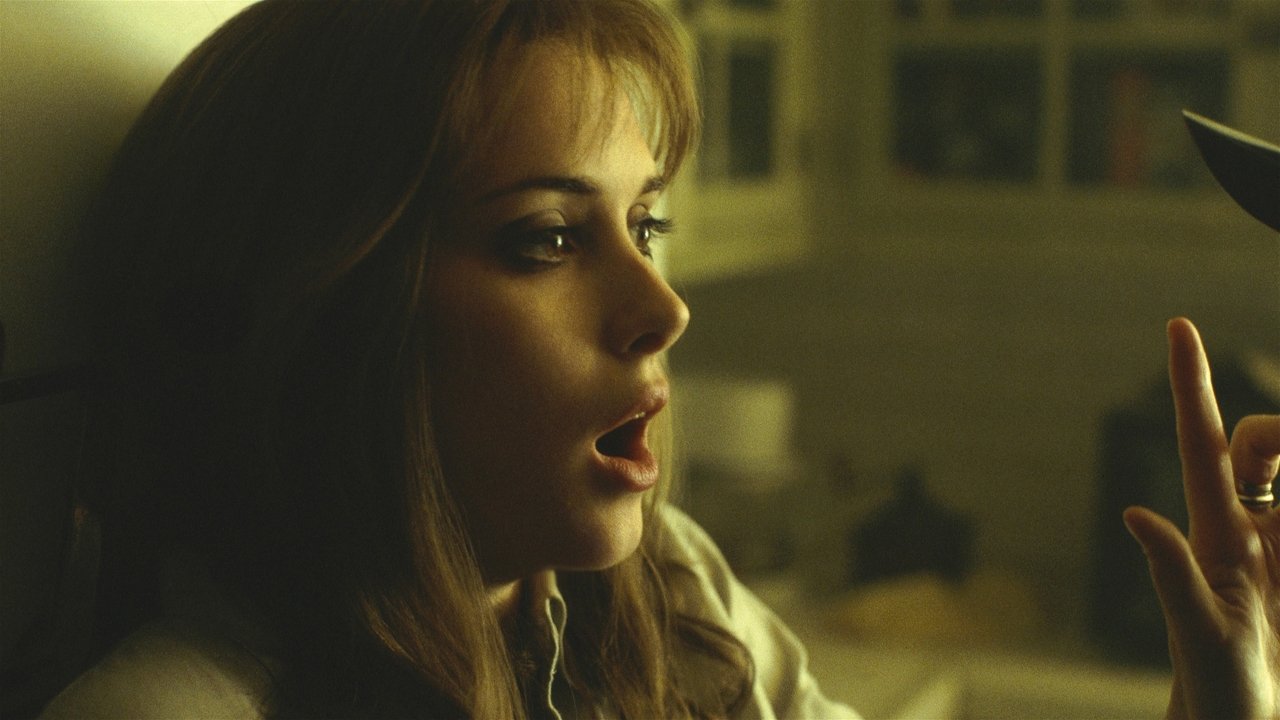
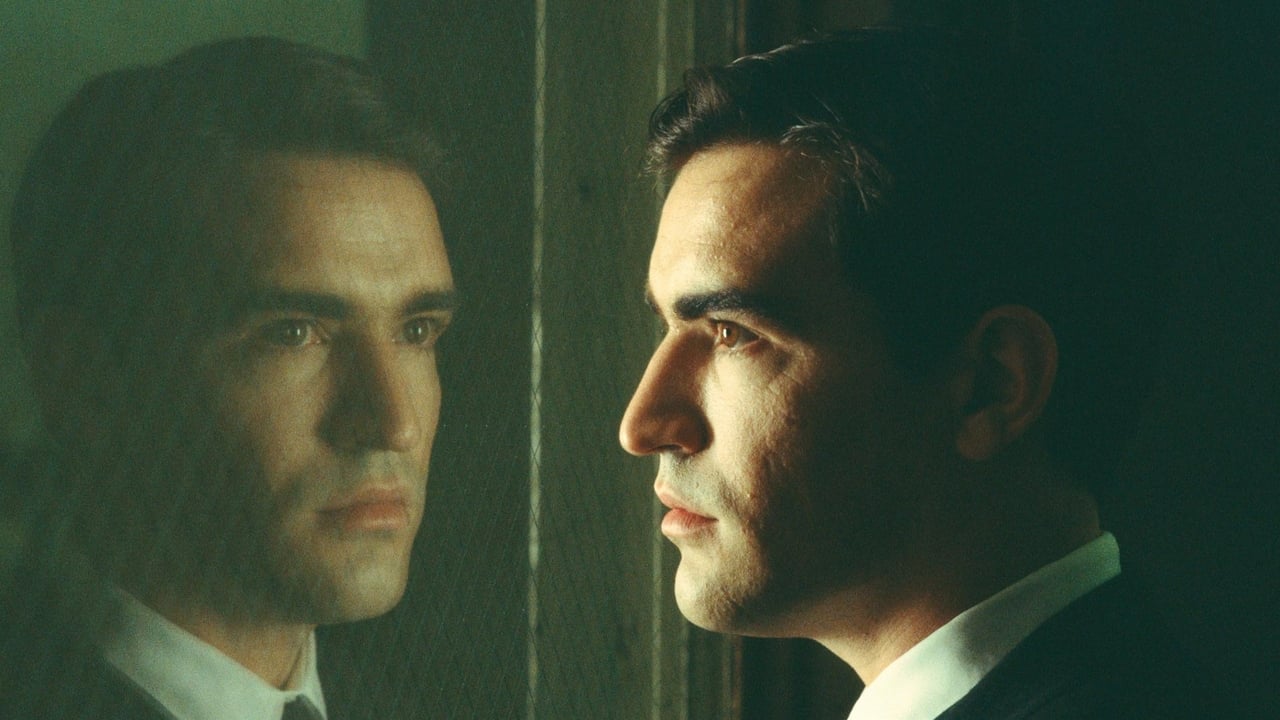
Winona Ryder, carrying the weight of the film, embodies Maya's haunted intensity well. Her wide eyes convey a constant state of high alert, a fragility born from conviction rather than weakness. She sells the character's unwavering belief, even when the script doesn't fully flesh out her motivations or past traumas. Opposite her, Ben Chaplin effectively portrays Kelson's journey from smug skeptic to terrified potential vessel. His gradual unraveling, the erosion of his rational worldview, provides the film's central dramatic arc. The supporting cast, including Sarah Wynter as Kelson's girlfriend and veterans like Elias Koteas and John Diehl as priests wrestling with doubt, add texture to the film’s theological tapestry.
The core struggle – faith versus skepticism, the nature of evil, the possibility of damnation – is handled with a seriousness that elevates Lost Souls above mere genre exercise. It genuinely grapples with these ideas, even if the plot mechanics sometimes feel derivative of earlier, better entries in the religious horror canon like The Exorcist (1973) or The Omen (1976). Doesn't the central conceit – the Devil needing a specific human host at a specific time – still send a shiver down the spine, even if we've seen variations before?
Final Reckoning
Lost Souls isn't a forgotten masterpiece, nor is it the train wreck its troubled release and poor box office might suggest. It's a film caught between artistic ambition and commercial compromise, between profound theological questions and familiar thriller tropes. Its greatest strength lies in its pervasive, beautifully rendered atmosphere of dread, a testament to Janusz Kamiński's undeniable visual talent. Yet, its deliberate pacing and somewhat underdeveloped script prevent it from reaching the heights of the classics it evokes. It’s a film that feels significant, heavy with portent, even if the ultimate impact is more melancholic than terrifying. For fans of moody, atmospheric supernatural thrillers from that specific Y2K cusp, it offers a fascinating, if flawed, viewing experience – a cinematic time capsule of end-of-an-era anxiety.
Rating: 6/10
Justification: The score reflects the film's undeniable atmospheric strengths and visual artistry courtesy of Kamiński, along with solid lead performances. However, it's held back by sluggish pacing, a script that feels both overly familiar and underdeveloped in key areas, and a palpable sense of arriving too late to its own thematic party due to the release delay. It creates mood effectively but struggles to build sustained tension or offer genuine narrative surprises.
Final Thought: Lost Souls remains a haunting curio – perhaps less a full-fledged horror film and more a gorgeously shot meditation on spiritual dread, forever marked by the unique anxieties of the year 2000.