That doll. Even now, decades removed from grainy CRT screens and the whir of a rewinding tape, the memory of its blank, porcelain stare can conjure a genuine shiver. It sits at the dark heart of Vacation of Terror (original title: Vacaciones de Terror), a 1989 slice of Mexican supernatural horror that likely found its way into many North American VCRs via dubbed tapes rented from dusty corner store shelves. Directed by René Cardona III, heir to a prolific Mexican filmmaking dynasty known for churning out genre pictures, this film takes a familiar setup – the family getaway gone wrong – and infuses it with a surprisingly potent dose of folk horror and occult dread.
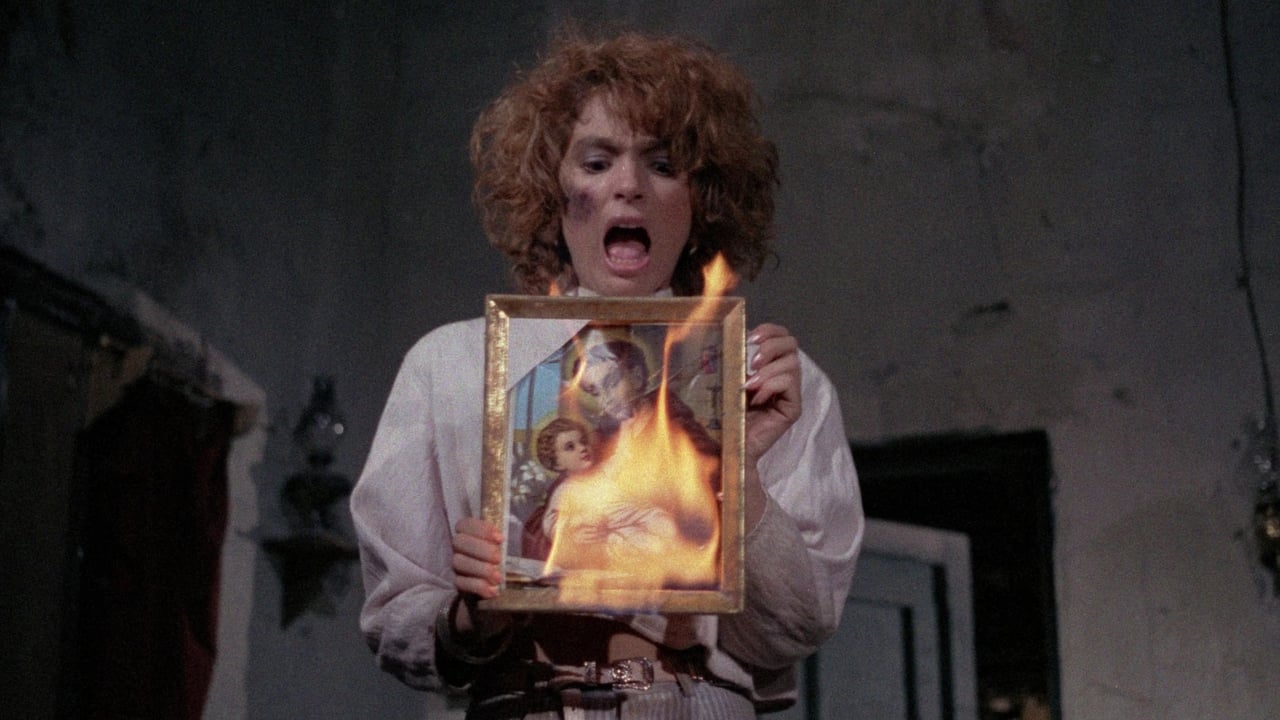
A Gift Best Left Unopened
The premise is deceptively simple: wealthy architect Fernando (played by the veteran Julio Alemán) buys a sprawling, isolated country estate for his family, hoping for idyllic summer breaks. His young niece, Gaby (Gabriela Hassel), stumbles upon an old, disturbingly lifelike doll hidden away in the property's well. Meanwhile, teen heartthrob Julio (Pedro Fernández, then a massive star in Mexico transitioning from child roles) is reluctantly along for the ride, more interested in his Walkman than family bonding. Of course, the doll isn't just antique clutter; it’s a vessel, imbued with the malevolent spirit of a witch executed on the property centuries ago. And she really wants to play.
What elevates Vacation of Terror beyond standard demonic toy fare is its commitment to atmosphere. Cardona III, working within what were likely modest means, crafts a palpable sense of isolation and encroaching doom. The sprawling, slightly dilapidated house becomes a character itself, its shadowy corners and creaking floors amplifying the tension. The score, often relying on discordant synths and sudden stings, effectively underscores the mounting terror, mimicking the kind of unsettling soundtracks that were staples of 80s horror VHS tapes. It’s less about jump scares and more about a creeping unease, the feeling that something ancient and awful is slowly waking up.
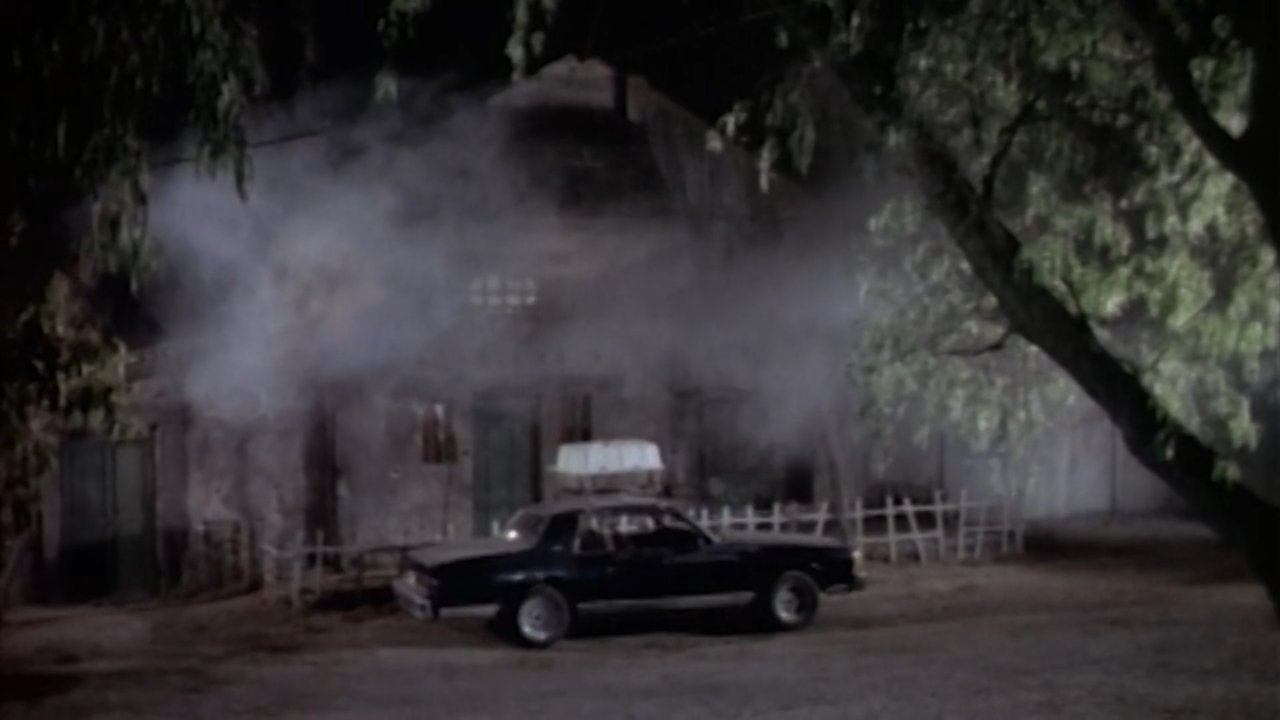
That Damn Doll
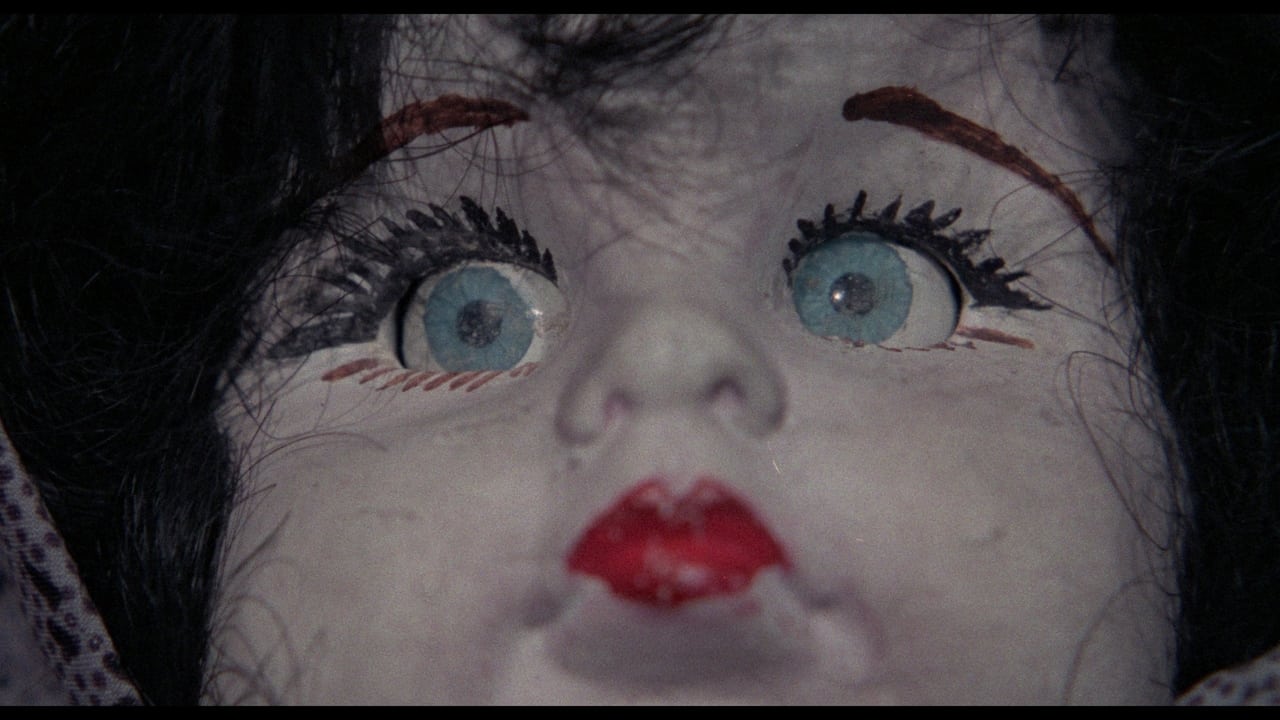
Let’s be honest, the practical effects are pure 80s gold. The doll itself is brilliantly unnerving – not overly monstrous at first, just... off. Its subtle movements, the way its eyes seem to follow characters, are classic low-tech scares that work precisely because they prey on primal fears. Forget CGI perfection; the slightly jerky, uncanny valley nature of these effects felt disturbingly real on flickering tube TVs. Does it look dated now? Absolutely. But doesn't that unsettling, almost handcrafted quality still burrow under your skin in a way slicker modern effects often miss? The sequences involving the resurrected witch are equally steeped in late-80s practical F/X – think smoke machines, coloured lighting, and some genuinely ghoulish makeup that aimed for visceral impact over subtlety. Rumor has it the crew faced some genuine challenges achieving the doll's more active moments on set, relying on clever puppetry and strategically placed wires that sometimes proved temperamental – the kind of behind-the-scenes struggle that often birthed iconic VHS-era scares.
Pedro Fernández Takes a Dark Turn
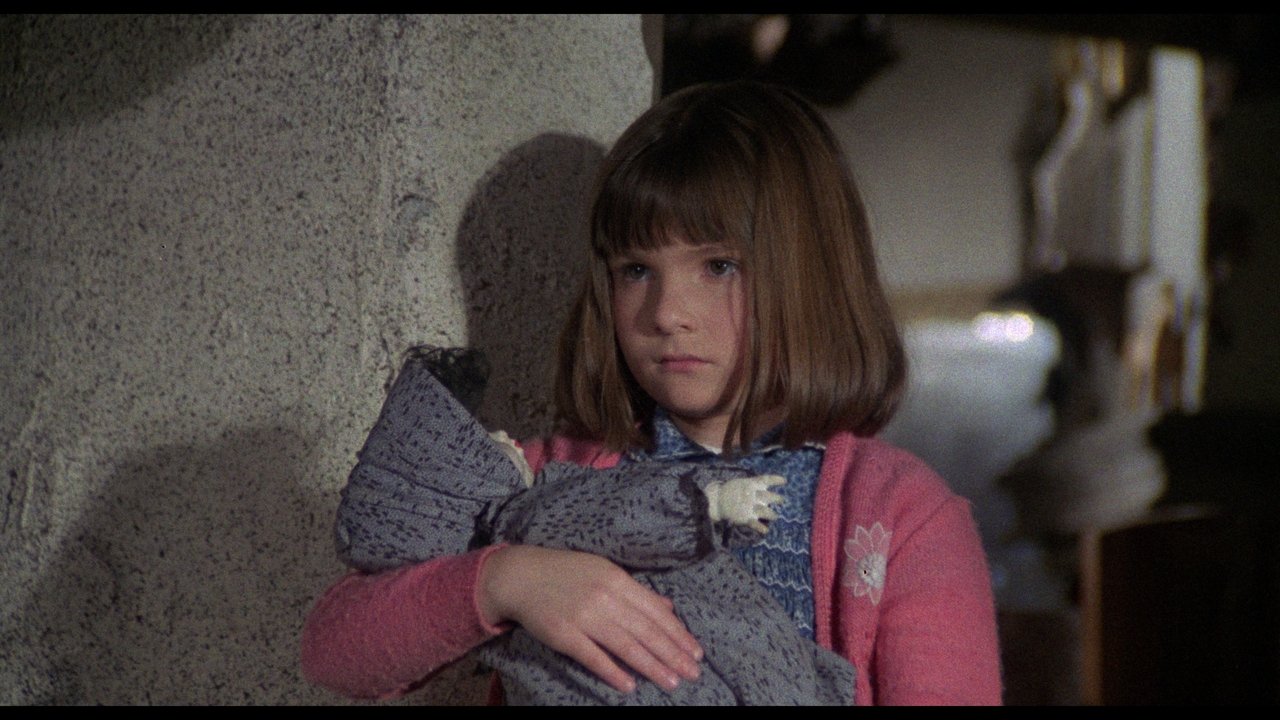
For Mexican audiences at the time, seeing Pedro Fernández in this kind of role was notable. He was primarily known for family films and music, the wholesome teen idol. Here, he’s thrust into a genuinely frightening scenario, and while his performance aligns with the era's teen horror archetypes, his presence lends the film a certain star power and perhaps broadened its initial appeal. The supporting cast, particularly Julio Alemán as the increasingly desperate patriarch, deliver solid performances grounded in the escalating paranormal chaos. The film doesn't delve too deeply into complex character arcs, focusing instead on the visceral experience of terror invading the domestic space.
It's fascinating to place Vacation of Terror within the context of the Cardona family's cinematic output. René Cardona III's father and grandfather were pioneers and prolific figures in Mexican cinema, often tackling exploitation themes, creature features (Tintorera), and sensationalized true stories (Guyana: Cult of the Damned). While Vacation of Terror feels somewhat more restrained than some of his father's wilder ventures, it retains that B-movie energy, a willingness to embrace the lurid and the supernatural with gusto. It tapped into a global fascination with possessed doll narratives, echoing films like Child's Play (1988) but grounding its horror in local folklore and witchcraft.
Legacy in the Static
Vacation of Terror wasn't a game-changer, perhaps, but it’s a highly effective piece of late-80s atmospheric horror, especially potent when viewed through the lens of VHS nostalgia. It delivers genuine chills, boasts a memorably creepy antagonist in its porcelain vessel, and captures that specific feeling of dread unique to the era's horror output. It even spawned a sequel, Vacaciones de Terror 2 (1991), leaning further into the slasher territory popular at the time, demonstrating the original's impact within its market. Finding a clean copy these days might be a treasure hunt, but for those who remember encountering it late one night, its unsettling power likely lingers.
---
VHS Heaven Rating: 7/10
Justification: Vacation of Terror earns a solid 7 for its exceptional atmosphere, genuinely creepy central antagonist (that doll!), and effective use of practical effects that perfectly capture the late-80s horror vibe. It successfully builds dread and delivers some memorable scares rooted in folk horror. Points are deducted for occasional pacing lulls, some dated acting conventions, and a plot that adheres fairly closely to established tropes. However, its B-movie charm and surprisingly potent chills make it a standout piece of Mexican genre filmmaking from the VHS era, and a must-see for fans of supernatural horror and unsettling dolls.
Final Thought: It’s a potent reminder that sometimes the simplest concepts, executed with atmospheric conviction and a truly unsettling prop, can haunt your memories far longer than slicker, bigger-budget productions. That doll is waiting... still.