The glow of the CRT flickers, casting long shadows across the room. Outside, the world sleeps, but here, bathed in the cool, electronic light, a familiar unease begins to coil. It’s the specific kind of dread reserved for late-night creature features, the ones you rented on a whim, drawn by lurid cover art promising aquatic terror. And tonight, the tape sputtering in the VCR is Tobe Hooper’s Crocodile from 2000. Yes, that Tobe Hooper. The name itself conjures images of visceral, unrelenting horror – Leatherface’s chainsaw dance, the clown under the bed in Poltergeist (1982). Which makes Crocodile feel like a strange transmission from an alternate timeline, a broadcast from a reality where the maestro of mayhem decided to helm a fairly standard, direct-to-video monster mash.
Spring Break Nightmare Fuel
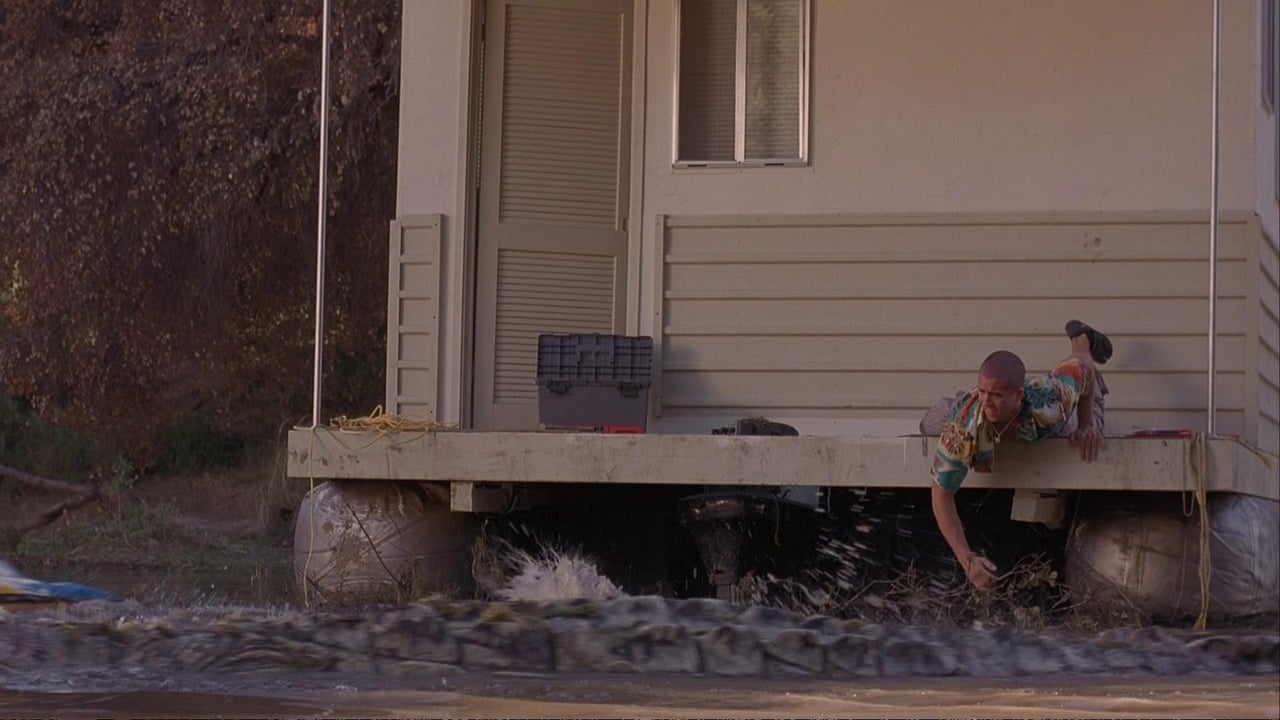
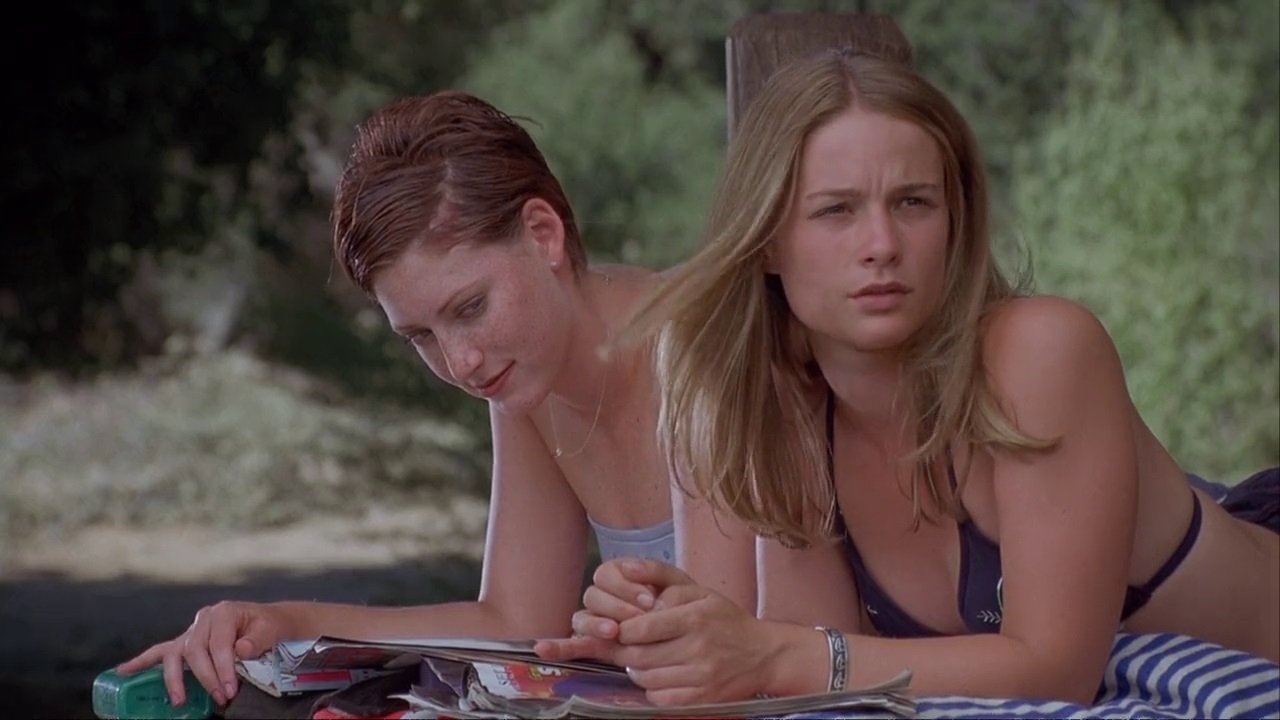
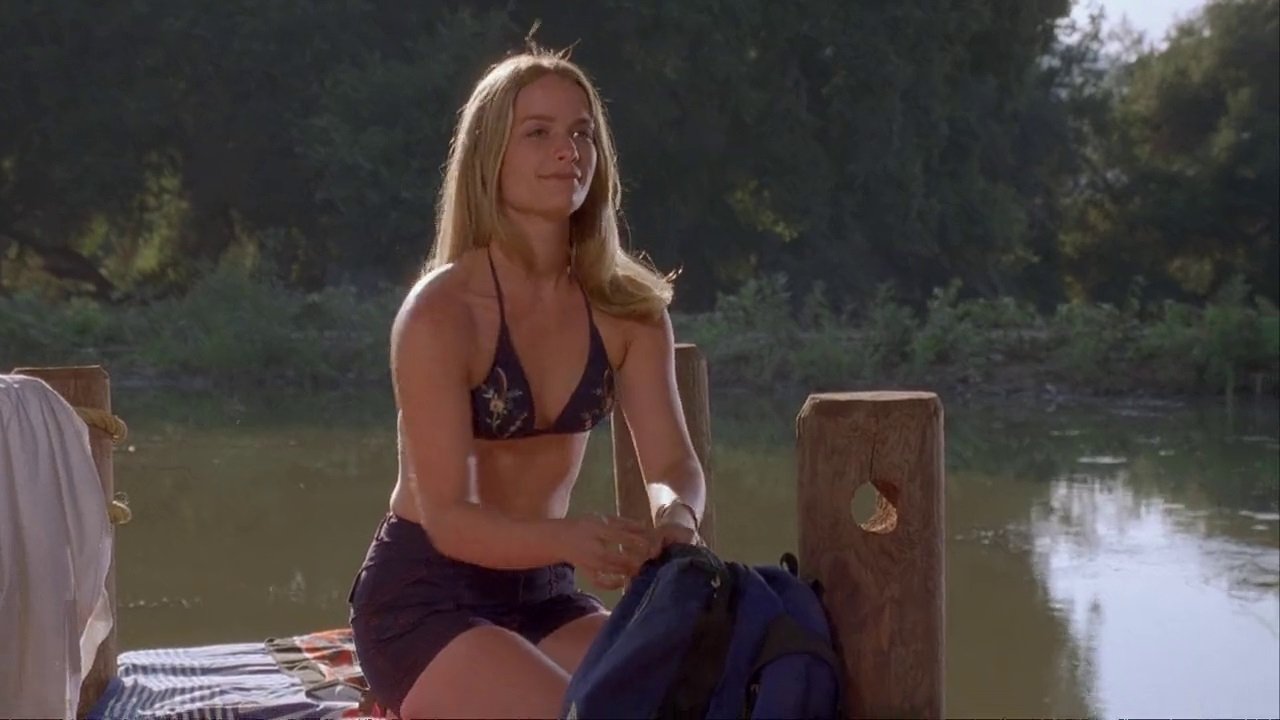
The setup is as comfortable and worn as your favorite armchair in front of the TV: a group of irritatingly attractive college kids embark on a houseboat trip for spring break. We have the requisite archetypes – the sensible one (Caitlin Martin), the jerky boyfriend (Chris Solari), the goofy sidekick (Mark McLachlan as Brady), the party girls. Their vessel drifts into remote swampland, fueled by cheap beer and simmering relationship drama. Then, in a moment of supreme idiocy that practically screams "plot device," they stumble upon a nest of large eggs belonging to… well, you know. And because horror movie logic dictates maximum foolishness, they disturb the nest, incurring the wrath of a truly enormous, prehistoric-looking Nile crocodile named Betty. She's protective, she's angry, and she has a particular taste for annoying co-eds.
Echoes of a Master, Muffled by Budget

One watches Crocodile constantly searching for the ghost of Tobe Hooper. Are there flashes of the director who terrified a generation? Occasionally, perhaps. Some of the attack sequences, particularly those involving the claustrophobia of the sinking houseboat, hint at a mind skilled in staging chaos and panic. There’s an attempt at atmosphere in the murky swamps, the isolation palpable. However, the film often feels constrained, likely by the modest resources typical of Millennium Films/Nu Image productions of the era – the company known for churning out reliable, if rarely spectacular, action and horror fare for the home video market. Hooper, who famously wrestled with studio interference on bigger projects like Lifeforce (1985) and the aforementioned Poltergeist, seems to be working dutifully here, delivering a competent creature feature rather than pushing any boundaries. It’s rumored he took the job simply because he needed the work, a somewhat dispiriting thought for fans of his earlier, groundbreaking films.
Betty the Beast: Practical Charm, Digital Seams
The real star, of course, is Betty the crocodile. Realized through a combination of practical animatronics and early 2000s CGI, she’s a mixed bag. The practical effects, particularly in close-ups or partial reveals, possess a certain tactile menace that feels right at home in our VHS Heaven. There’s a weight and presence to the physical prop, even if its movements are sometimes limited. Remember how impressive even slightly clunky practical monsters felt back then, before seamless CGI became the norm? Betty captures some of that B-movie charm. The digital shots, however, haven't aged quite as gracefully. They often stick out, betraying the film's budget and the era's technological limitations. Still, Betty gets the job done, chomping through the cast with predictable efficiency. One memorable kill involving a character trying to escape via jet ski feels suitably nasty, a brief flicker of Hooper's penchant for sudden, brutal violence.
Navigating Murky Waters
Beyond the central conflict of "kids vs. giant croc," the script (credited to several writers including Boaz Davidson, a Nu Image mainstay) doesn't offer much depth. The characters are thinly sketched, their dialogue often functional at best. Performances are generally adequate for the material; nobody embarrasses themselves, but nobody exactly sets the screen alight either. It follows the monster movie playbook faithfully: establish characters, introduce threat, pick them off one by one, final confrontation. There are no shocking twists here. Did anyone renting this expect a shocking twist, though? Probably not. You rented Crocodile for the crocodile, and on that basic promise, it delivers. The film reportedly cost around $2.6 million – a shoestring even back then – and went straight to video/DVD, finding its natural habitat on late-night cable and rental shelves. It even managed to spawn a sequel, Crocodile 2: Death Swamp (2002), proving there was still an appetite for cheap reptilian thrills.
Final Reel
Watching Crocodile today is an exercise in managing expectations. It’s not a lost classic, nor is it a return to form for its legendary director. It’s a product of its time and budget – a straightforward, unpretentious creature feature designed for easy consumption. There's a certain comfort in its predictability, a nostalgic echo of simpler horror formulas. It lacks the raw terror of Hooper’s best work, but for fans of DTV monster movies or those curious about the later, stranger corners of a horror master's filmography, it offers a passable diversion. It's the kind of film you might have happily watched on a fuzzy rented tape back in the day, enjoying the creature carnage without demanding high art.
Rating: 4/10 - The rating reflects a film hampered by budget and a standard script, offering competent but unremarkable creature feature thrills. Points are awarded for the occasional effectiveness of the practical croc effects and the sheer curiosity factor of Hooper's involvement, but it's far from essential viewing, lacking the tension, innovation, or lasting impact of better genre entries (or Hooper's own classics).
It remains a peculiar footnote in horror history – a reminder that even titans can find themselves navigating the murky waters of the direct-to-video swamp. Does it still hold a certain late-night charm? Maybe, if you grade on a curve for giant angry reptiles.