The humid Brazilian air hangs thick, heavy with the scent of unseen blossoms and the metallic tang of imminent betrayal. Down below, beneath the shimmering turquoise surface, something waits. Not sharks, not some mythical beast, but teeth. Thousands upon thousands of tiny, razor-sharp teeth attached to ravenous bodies. This isn't just paradise lost; it's paradise weaponized, the backdrop for 1979’s wonderfully ludicrous aquatic thriller, Killer Fish.
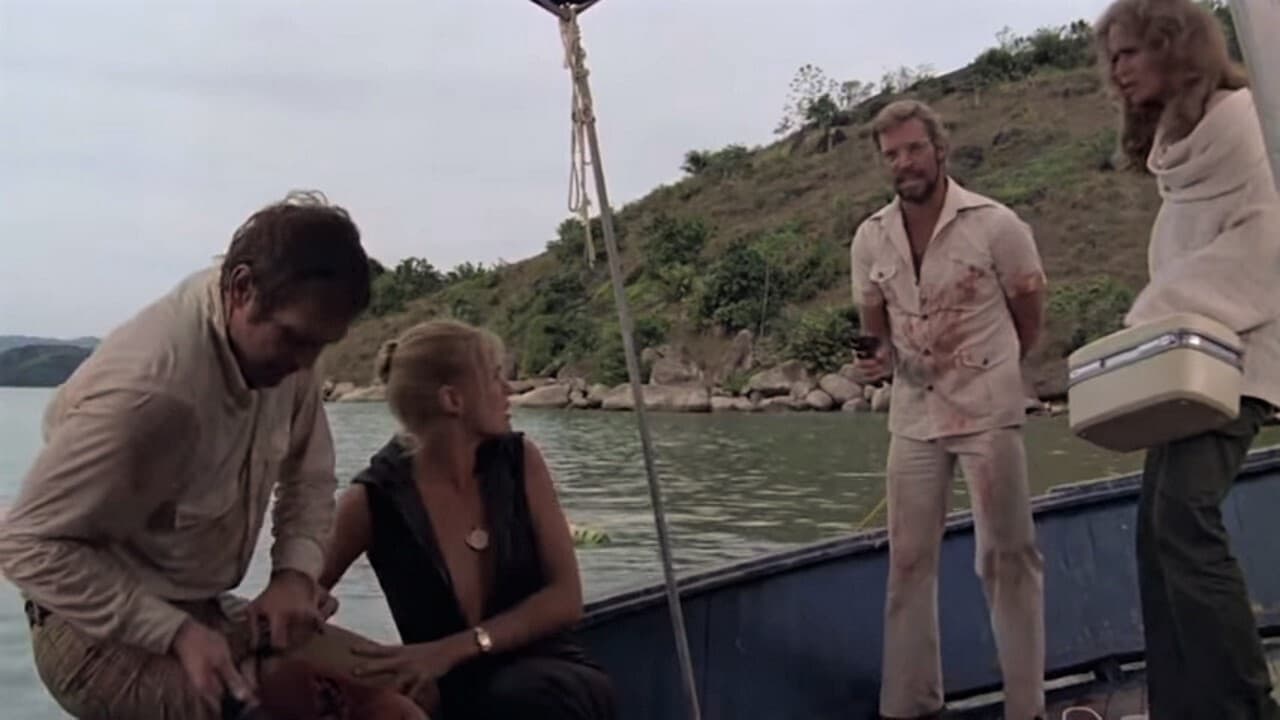
Forget sophisticated security systems. Paul Diller (James Franciscus), the mastermind behind a daring jewel heist, has a more… organic approach. He’s stashed millions in emeralds at the bottom of a remote reservoir, guarded by a specially introduced school of lethal piranha. It’s a plan dripping with B-movie genius, the kind of scheme hatched in a fever dream after watching Jaws (1975) and one too many heist flicks. Of course, in the grand tradition of cinematic capers gone wrong, betrayal is inevitable. The thieves – including rugged boat pilot Lasky (Lee Majors, fresh off his Six Million Dollar Man fame), the enigmatic Kate Neville (Karen Black, always adding a fascinating edge to genre fare), and impossibly glamorous Gabrielle (Margaux Hemingway) – find themselves trapped by a convenient hurricane, stuck near the very treasure they crave, separated from it by Diller’s flesh-eating deterrent.
Nature's Ridiculous Arsenal
Let's be honest, the premise is gloriously absurd. Piranhas as guard dogs? It sounds like something cooked up for a cheap paperback thriller, which is precisely its charm. Directed by the prolific Italian genre maestro Antonio Margheriti (often credited as Anthony M. Dawson, who gave us everything from space operas like War of the Planets (1966) to gritty poliziotteschi), Killer Fish embraces its pulp origins. Margheriti, known for wringing surprising spectacle from modest budgets, doesn't skimp on the chaos here. He delivers explosions, boat chases, and underwater peril with a certain workmanlike enthusiasm, even if the pacing sometimes feels as sluggish as the tropical heat.
The piranha effects themselves are a product of their time. Watching this on a flickering CRT back in the day, those churning waters and glimpses of gnashing teeth likely delivered a genuine jolt. Today, the practical fish puppets might elicit more chuckles than chills, especially in the brightly lit underwater shots where their mechanical nature is more apparent. Yet, there's an undeniable effectiveness to the idea of them, the sheer primal horror of being submerged in water teeming with invisible, insatiable predators. Margheriti wisely uses quick cuts and suggestive shots of bloody water more often than prolonged views of the fish, letting our imagination do the heavy lifting. Doesn't that murky water still feel unnerving, knowing what lurks just out of sight?
A Cast Caught in the Current
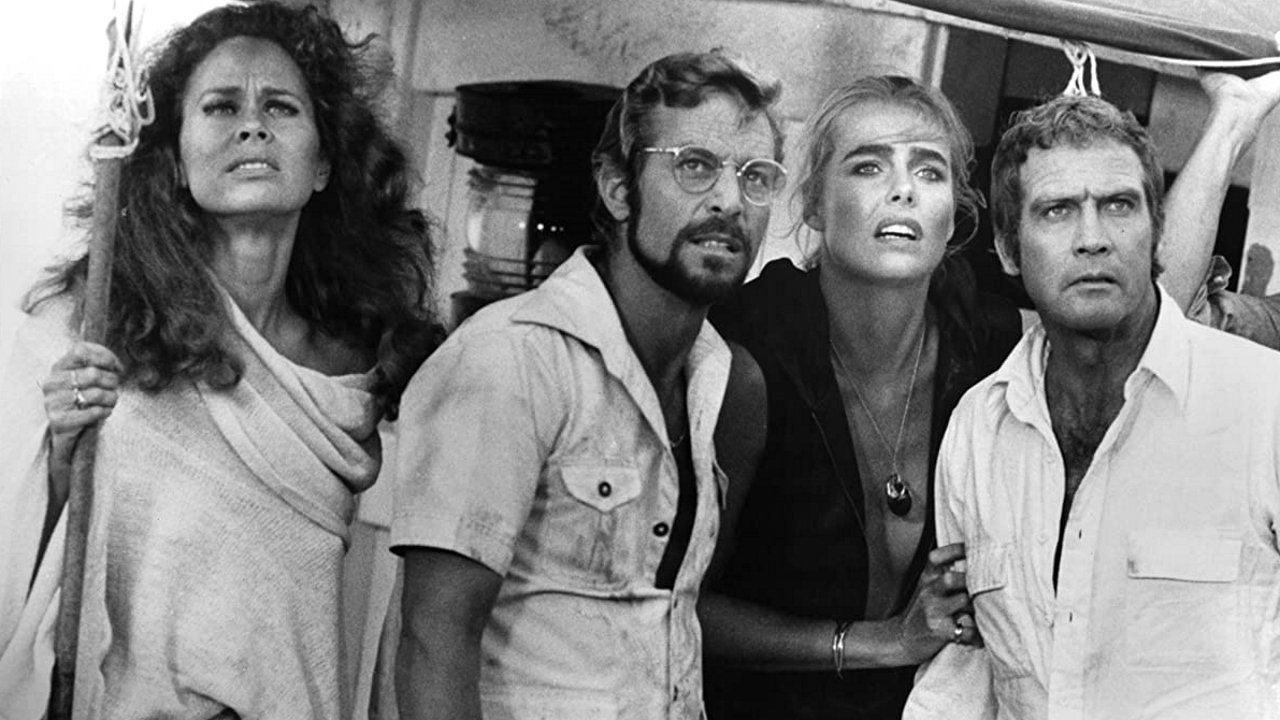
The ensemble cast adds another layer of intrigue. Lee Majors brings his dependable square-jawed heroism, a familiar anchor amidst the escalating panic. Karen Black, a true icon of 70s cinema often drawn to unconventional roles (Trilogy of Terror (1975), Burnt Offerings (1976)), lends Kate a world-weariness and intelligence that elevates the material. Her presence makes you wonder about the character's hidden depths, even when the script doesn't fully explore them. And then there's Margaux Hemingway. Her casting feels like a snapshot of late 70s celebrity culture, a striking figure whose off-screen life often overshadowed her performances. Here, she embodies a certain jet-set allure juxtaposed against the grime and danger. The interactions between these disparate characters, fueled by greed and suspicion, provide much of the film's non-fish-related tension. Rumor has it Karen Black wasn't thrilled with the script, taking the role primarily for the paycheck and the Brazilian location, but she still commits with professional grit.
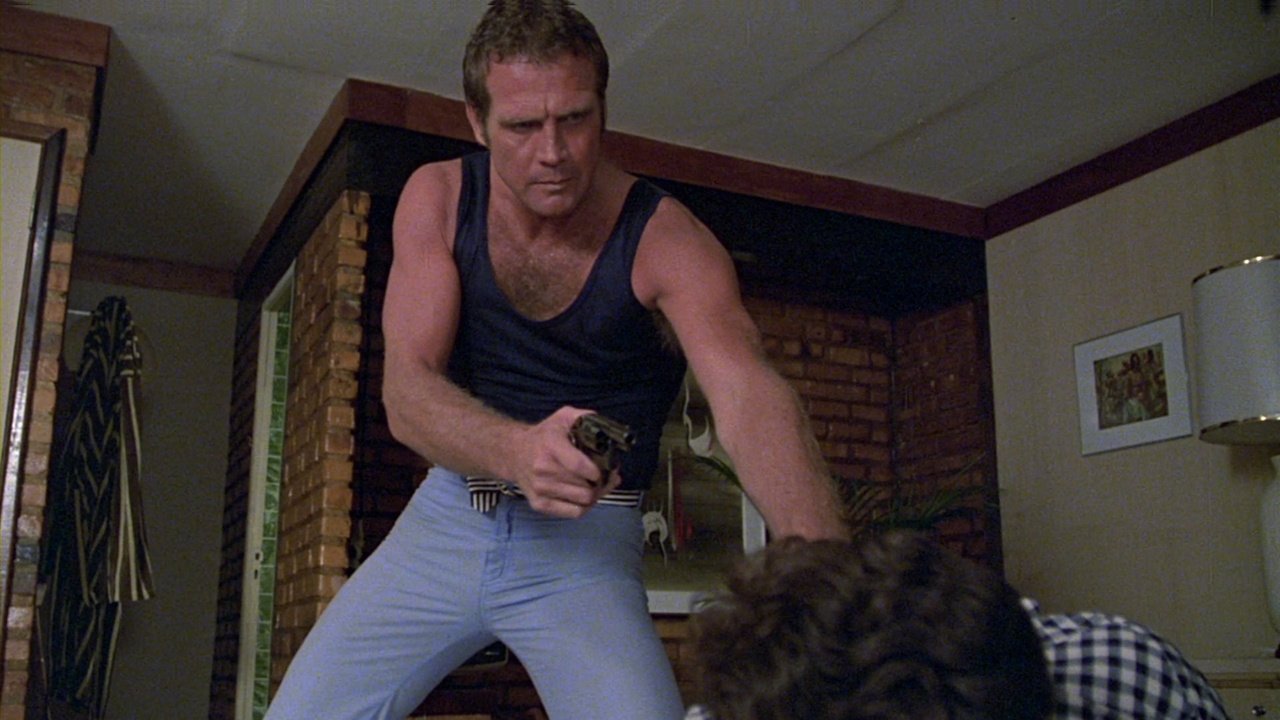
Filming on location in Angra dos Reis, Brazil, certainly adds production value, providing stunning backdrops for the unfolding mayhem. You can almost feel the oppressive humidity and the isolation. Behind the camera, Margheriti enlisted veteran stunt coordinator Rémy Julienne, famed for his incredible work on numerous James Bond films, to handle the impressive boat stunts and explosions, lending the action sequences a surprising level of polish for an Italian exploitation picture budgeted around a reported $4-5 million (a hefty sum then, roughly $18-20 million today).
That VHS Box Stare
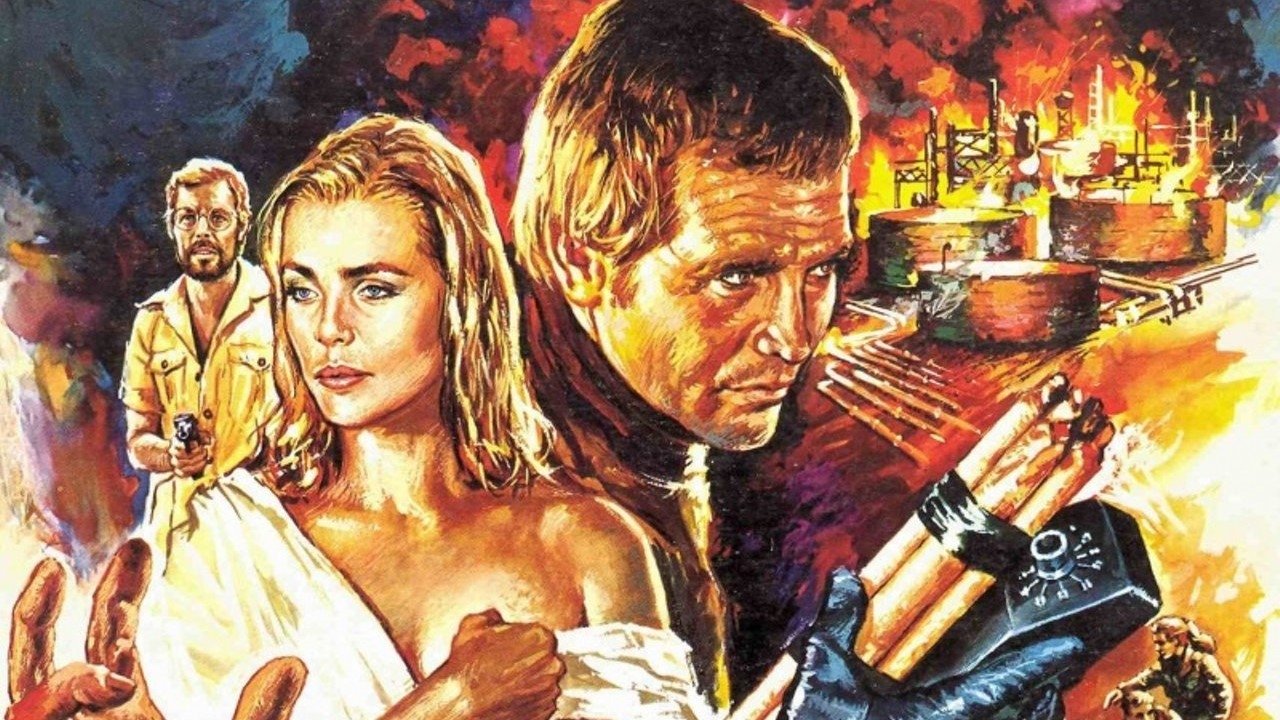
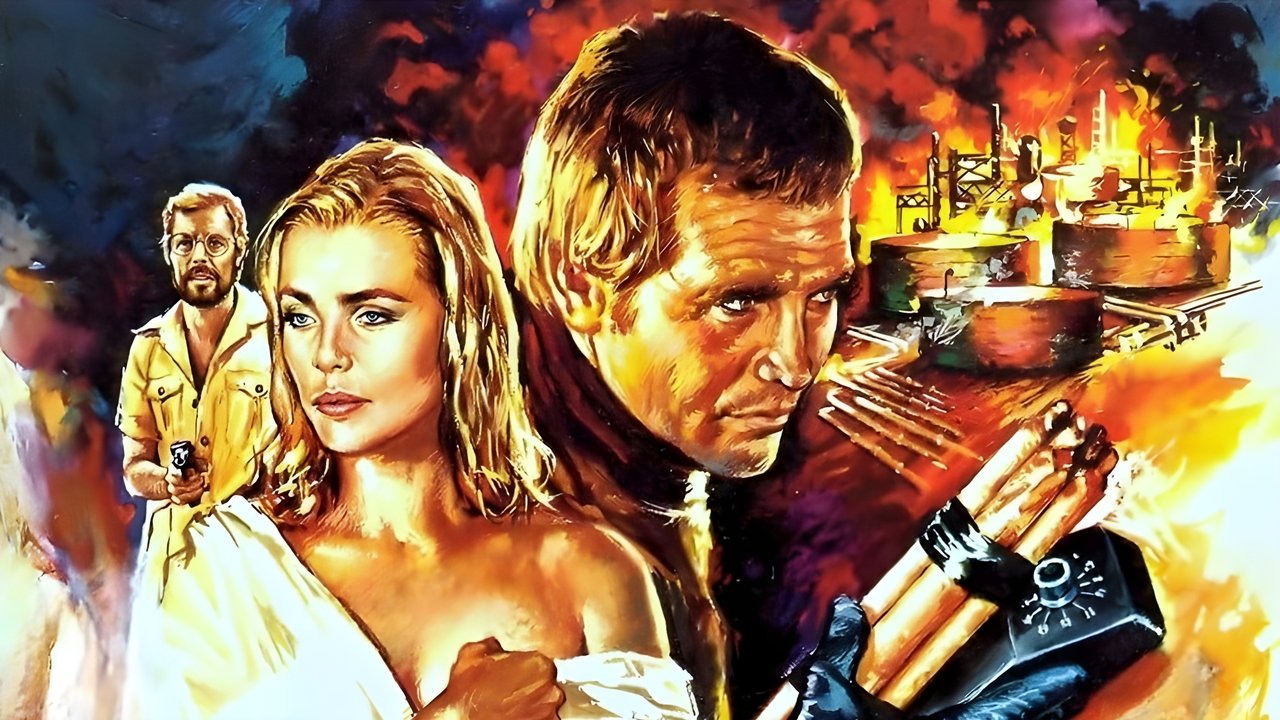
For many of us browsing the aisles of the local video rental palace, Killer Fish was likely one of those titles represented by lurid cover art – promising toothy terror and tropical danger. It sat alongside its more famous cousin, Joe Dante's Piranha (1978), perhaps seeming like a slightly less refined, Euro-flavored alternative. It wasn't high art, never pretending to be, but it offered straightforward thrills, recognizable stars, and a wonderfully outlandish concept. It was the kind of movie you rented on a Friday night, perhaps as part of a creature feature double bill, and discussed with friends the next day, laughing about the effects but maybe admitting that one scene genuinely made you jump.
Killer Fish isn't a lost masterpiece, nor is it a truly terrifying horror film. It’s a curious hybrid – part heist thriller, part disaster movie, part creature feature – that coasts on its high-concept premise and the charisma of its cast. It’s undeniably dated in places, particularly the effects and some plotting conveniences. But there's an earnestness to its B-movie ambitions, a commitment to delivering explosions, betrayal, and piranha carnage that’s hard not to appreciate on some level. It captures that specific late-70s flavor of international co-production genre filmmaking.
Rating: 5/10
The score reflects a film that’s more memorable for its bizarre central idea and nostalgic B-movie charm than its execution. It delivers some decent action set pieces (Rémy Julienne's contribution is noted) and benefits from its cast, but the pacing lags, and the piranha thrills feel somewhat muted compared to its contemporaries. It’s a fascinating time capsule, a perfect example of the kind of weird, wonderful, and slightly waterlogged oddities that populated the shelves of VHS Heaven.
It might not bite as hard today, but Killer Fish remains a goofy, occasionally exciting reminder of a time when all you needed for a thriller was stolen jewels, desperate characters, and a whole lot of hungry fish.