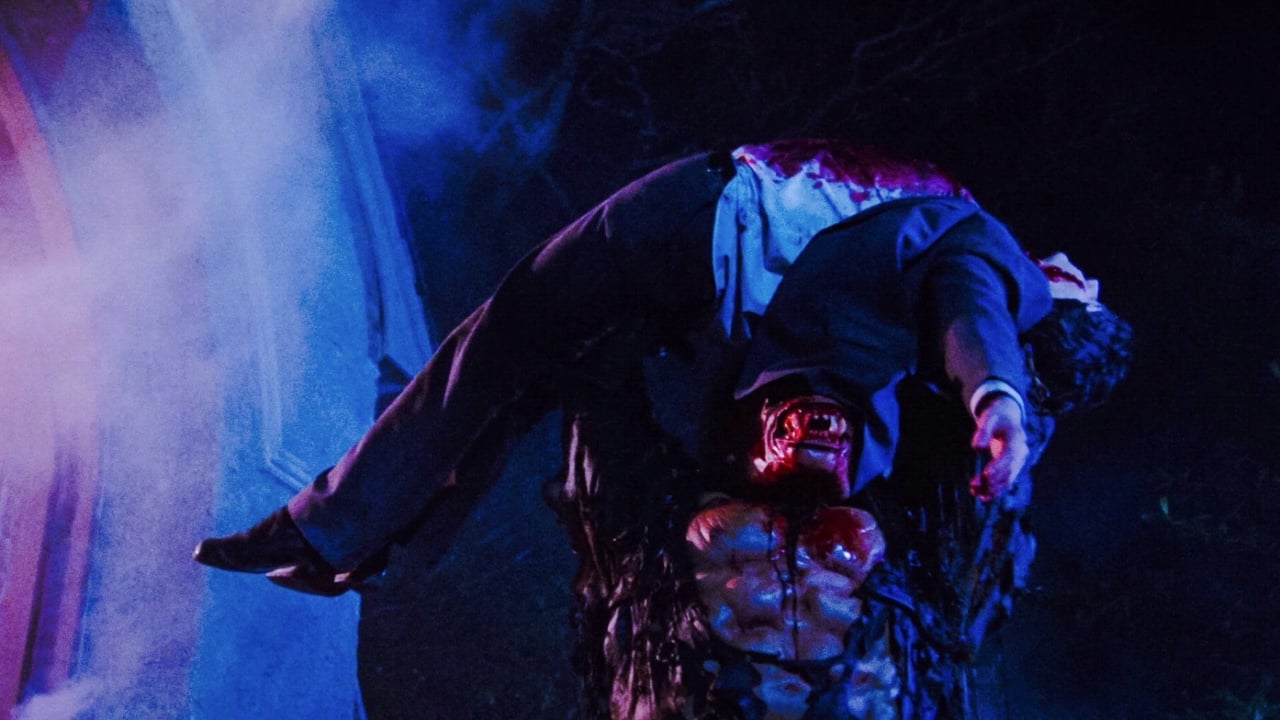
The verdant, mist-shrouded fields of rural Ireland hold secrets far older and fouler than the peat bogs. It’s a landscape ripe for ancient terrors to claw their way back into the modern world, and in 1986, one such primal nightmare did just that, lumbering onto video store shelves with a face only a mother demon could love. Rawhead Rex arrived not with a whisper, but with a guttural roar, promising a creature feature steeped in folklore and visceral horror. What we got… well, that’s a different, stranger beast altogether.
An Unholy Resurrection
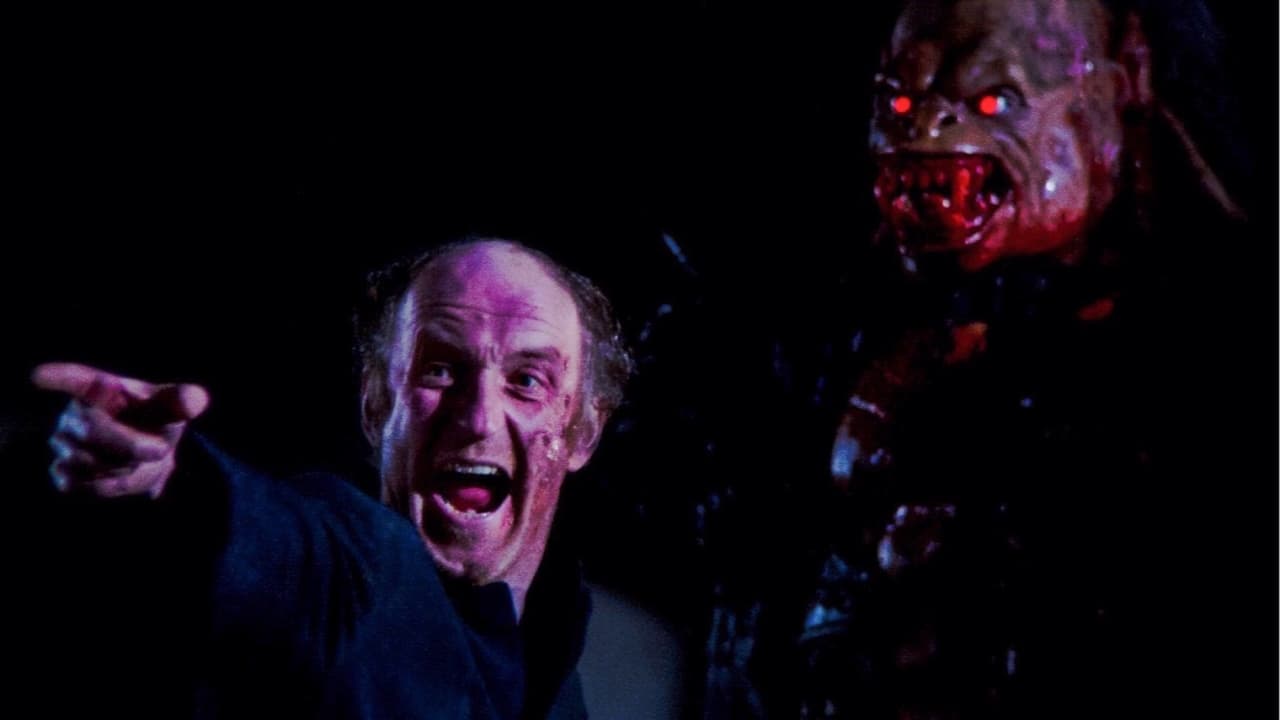
The setup is classic monster movie fare: American historian Howard Hallenbeck (David Dukes) arrives in a quaint Irish village with his family, seeking inspiration for his book on pagan fertility sites. Wouldn’t you know it, the locals have just disturbed a particularly ominous stone monolith, unleashing the titular Rawhead Rex – a towering, toothy pagan god who’s been imprisoned for millennia and is understandably peeved. What follows is a rampage of gore and baffling theological laser-eyes, as Rawhead tears through the unfortunate townsfolk, leaving Howard scrambling to decipher ancient texts and find a way to put the beast down before it… baptizes someone with demonic urine? Yes, that actually happens.
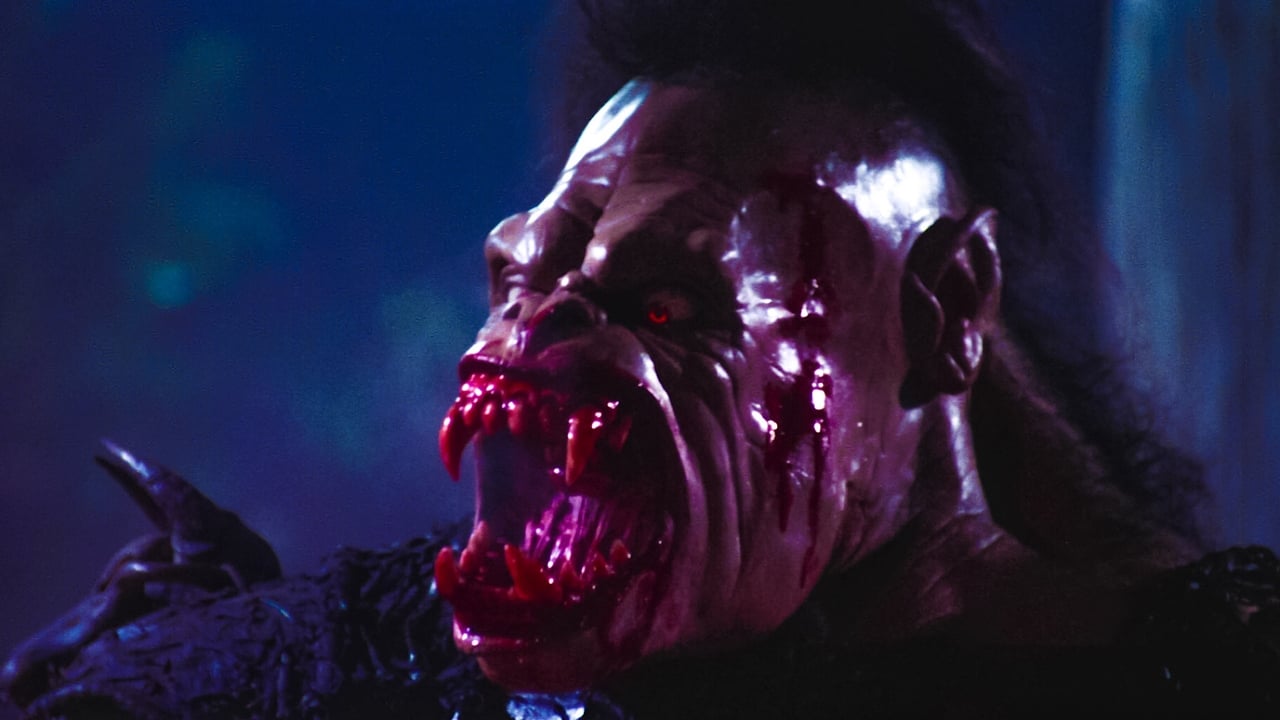
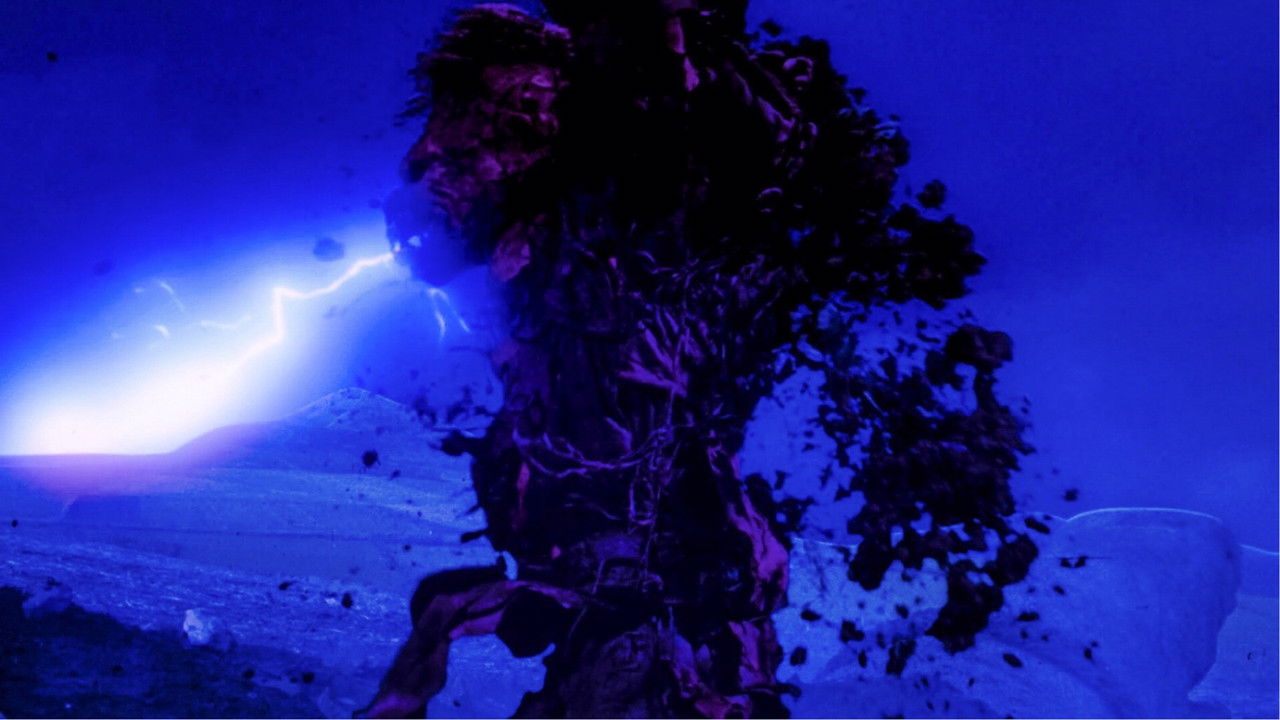
The film was adapted by horror maestro Clive Barker himself from his own short story in the seminal Books of Blood Vol. 3. Barker, whose dark imagination would later give us Hellraiser (1987) and Nightbreed (1990), envisioned something far more grotesque and primeval. The original Rawhead was described as a nine-foot-tall phallus with teeth – a truly disturbing embodiment of uncontrolled male aggression and ancient, terrifying fertility. The transition to screen, however, under the direction of George Pavlou (who had previously helmed Barker's Underworld aka Transmutations), resulted in something… different. Budgetary constraints and perhaps a failure of nerve led to the creature suit we see: a rubbery, muscle-bound brute with a perpetually roaring Muppet-like head, glowing red eyes, and a rather unfortunate mullet of black fur. It’s a design that has cemented the film’s cult status, less for terrifying audiences and more for inducing a kind of bewildered amusement. Doesn't that monster design still feel uniquely... 80s?
Creature Comforts (or Lack Thereof)
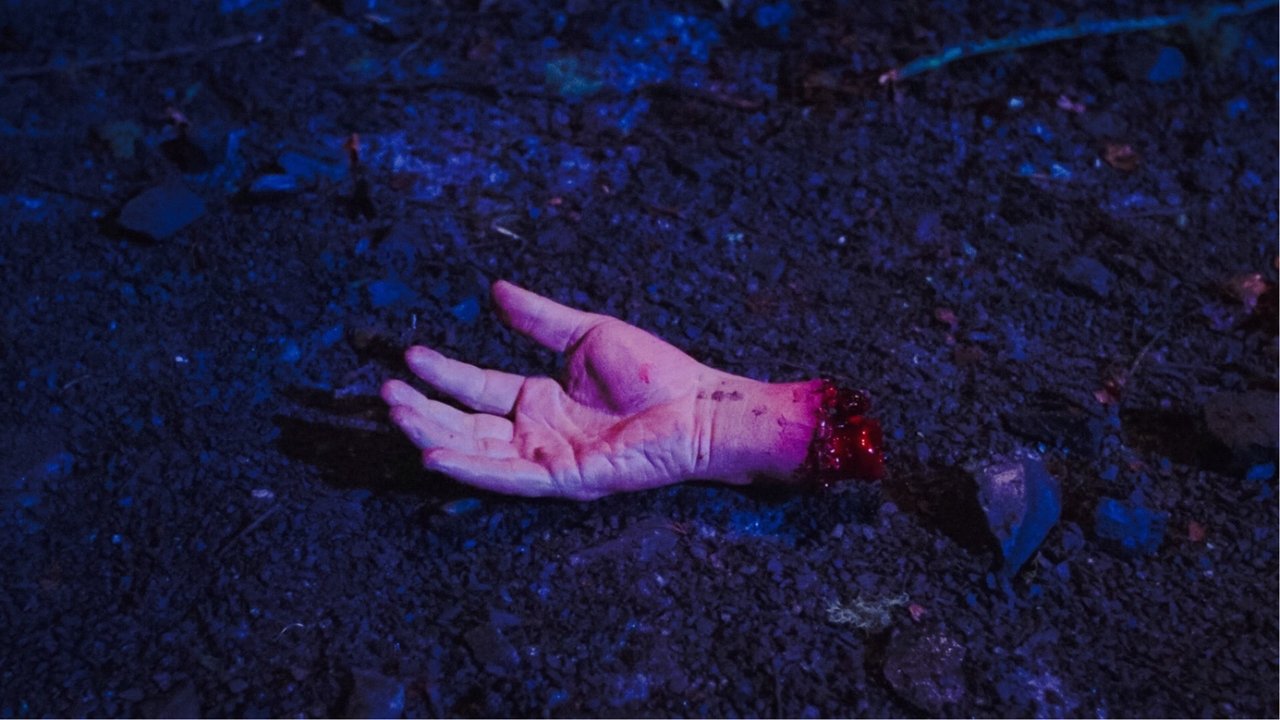
Despite the creature's visual shortcomings (which Barker famously loathed, reportedly weeping when he first saw the rushes and later largely disowning the film), there's an undeniable, schlocky charm to Rawhead Rex. Pavlou leans into the rural setting, capturing some genuinely atmospheric shots of the Irish countryside, creating a stark contrast between idyllic beauty and monstrous intrusion. The practical effects, while centered on that suit, deliver some surprisingly gnarly gore for the time. Heads roll, bodies are torn asunder, and the sheer physicality of the attacks, even when slightly clumsy, carries a visceral weight often missing in today's CGI-heavy landscape. I distinctly remember renting this from the local 'Video Palace', the striking, almost crude box art promising unholy terror, and being genuinely startled by some of the violence, even if the monster itself looked more suited to a heavy metal album cover.
David Dukes, a reliable character actor, does his best to ground the increasingly ludicrous proceedings as the increasingly frantic historian. He sells the urgency, even when interacting with a monster that looks less like an ancient god and more like a disgruntled professional wrestler in a Halloween costume. The supporting cast of Irish locals often veer into caricature, but they fulfill their roles as Rawhead-fodder adequately. Young Hugh O'Conor, who would later gain recognition in films like My Left Foot (1989), appears here as Howard's son, caught in the path of the pagan horror.
From Page to Problematic Puppet
The core issue often cited is the drastic departure from Barker's source material. The story's deeper, more disturbing themes of sexual horror and primal fear are largely jettisoned in favour of a more straightforward monster-on-the-loose narrative. The film invents a bizarre female artifact as Rawhead's weakness, culminating in a finale involving holy water and mystical energy beams that feels tacked on and tonally inconsistent. It's fascinating to imagine the film that could have been, had the budget and vision aligned more closely with Barker's terrifying original concept. Some reports suggest the initial creature sculpts were far more horrifying before being simplified for the final suit.
Yet, despite its flaws – the questionable creature design, the sometimes stilted dialogue, the deviation from the source – Rawhead Rex retains a certain power. It’s a relic of a time when creature features didn’t need to be slick or self-aware. It’s raw (pun intended), sometimes clumsy, but undeniably energetic. It taps into that primal fear of something ancient and unstoppable emerging from the earth, even if the vessel for that fear looks slightly silly under scrutiny. It’s a film that feels like it was conjured specifically for late-night VHS viewing, preferably with friends who appreciate the bizarre charms of 80s horror oddities.
***
VHS Heaven Rating: 5/10
Justification: Rawhead Rex is undeniably flawed. The creature design is infamous, the plot deviates significantly (and arguably weakens) the source material, and moments stray into unintentional comedy. However, it boasts some surprisingly effective gore, decent atmosphere thanks to the Irish locations, and a certain brazen energy characteristic of mid-80s creature features. David Dukes gives a committed performance. It fails as a truly scary film or a faithful Barker adaptation, but succeeds as a memorable piece of cult cinema and VHS-era monster mayhem. The 5/10 reflects its status as a deeply compromised but weirdly watchable artifact – enjoyable because of, and sometimes despite, its shortcomings.
Final Thought: It may not be the nightmare Clive Barker intended, but Rawhead Rex, in all its rubbery glory, remains a fascinatingly peculiar footnote in 80s horror – a creature feature forever defined by the monster suit that time (and fans of schlock) refuses to forget.