Alright, fellow tapeheads, dim the lights, maybe crack open a questionable beverage you found at the back of the fridge, and let’s talk about a movie whose VHS box art probably scared and intrigued you in equal measure back at the local Video Zone: Ghoulies (1985). Forget subtlety; this film, much like its infamous poster, shoves its bizarre little monsters right in your face, promising low-budget creature chaos, and mostly delivering exactly that.
### They'll Get You in the End! (Or at Least, on the Box Art)
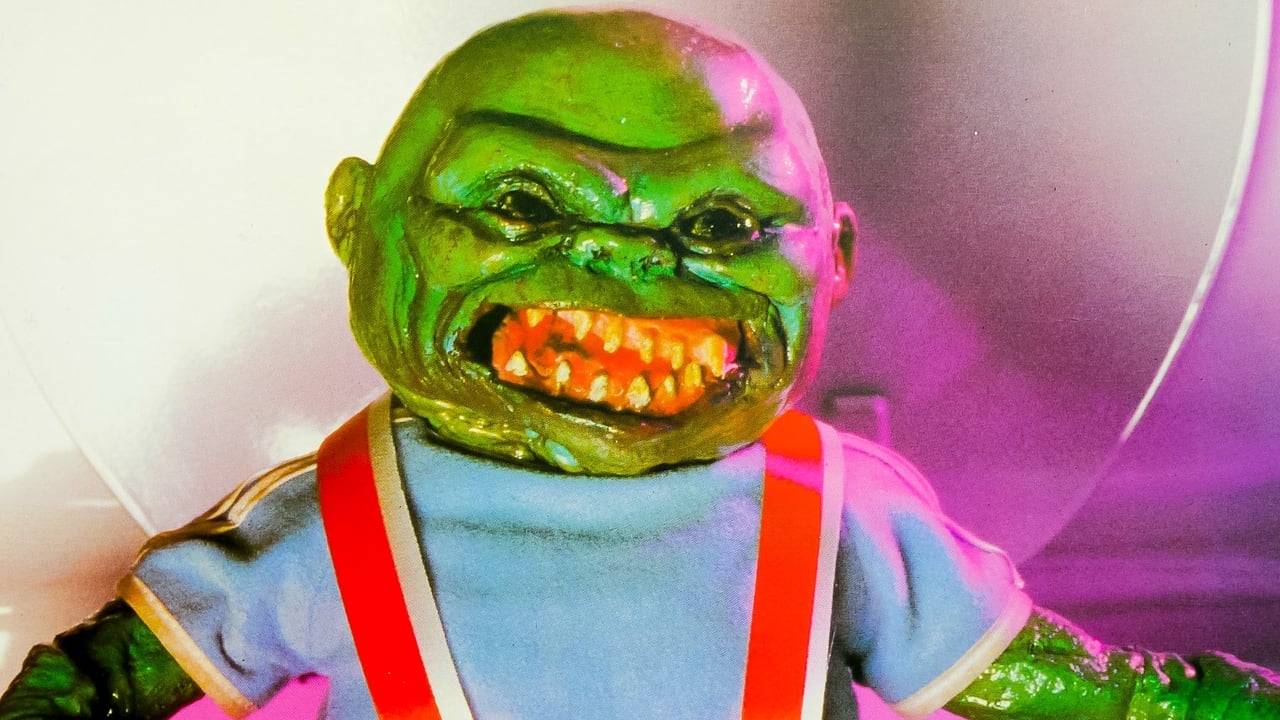
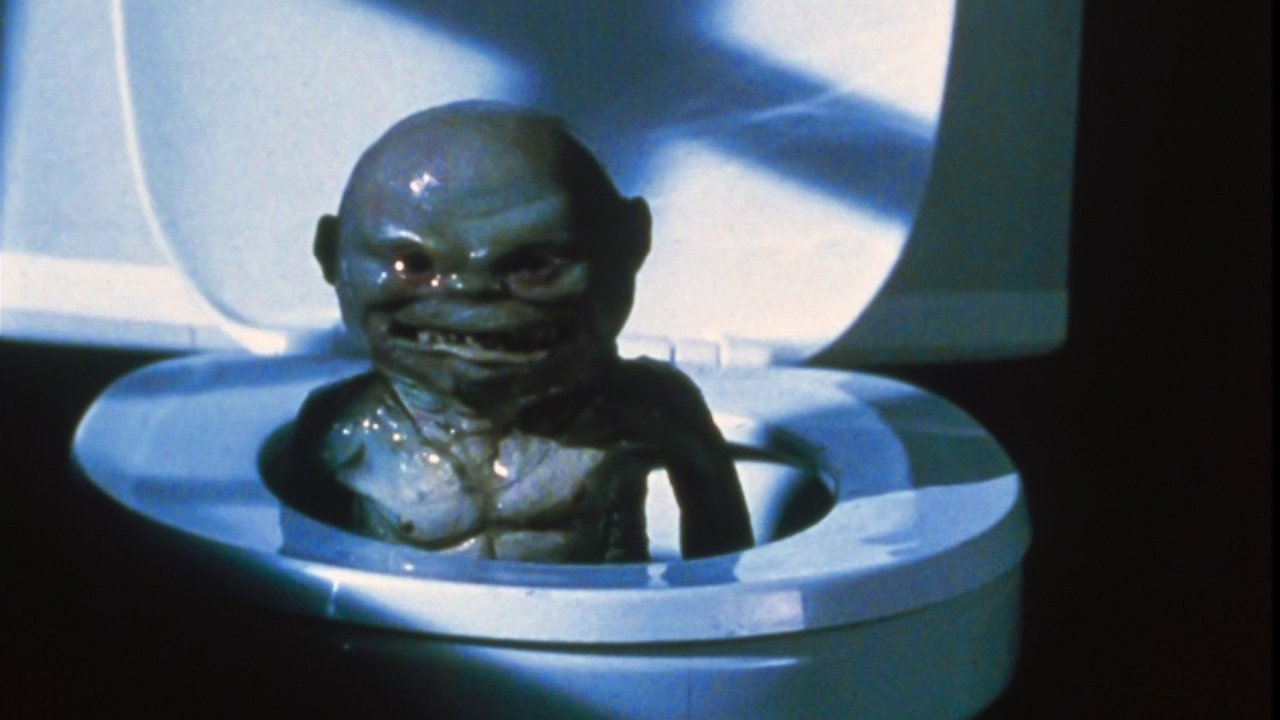
Let's be honest, half the reason Ghoulies became a video store staple was that poster. You know the one. The little green guy popping out of the toilet, looking vaguely menacing and entirely absurd. It’s a masterstroke of lurid marketing, promising gross-out horror comedy. Interestingly, that iconic image was reportedly a late addition dreamt up by producer Charles Band's Empire Pictures marketing team to grab attention, not something director Luca Bercovici originally planned. It certainly worked, lodging itself firmly in the collective consciousness of 80s kids browsing the horror aisle, even if the scene itself is disappointingly brief in the actual film.
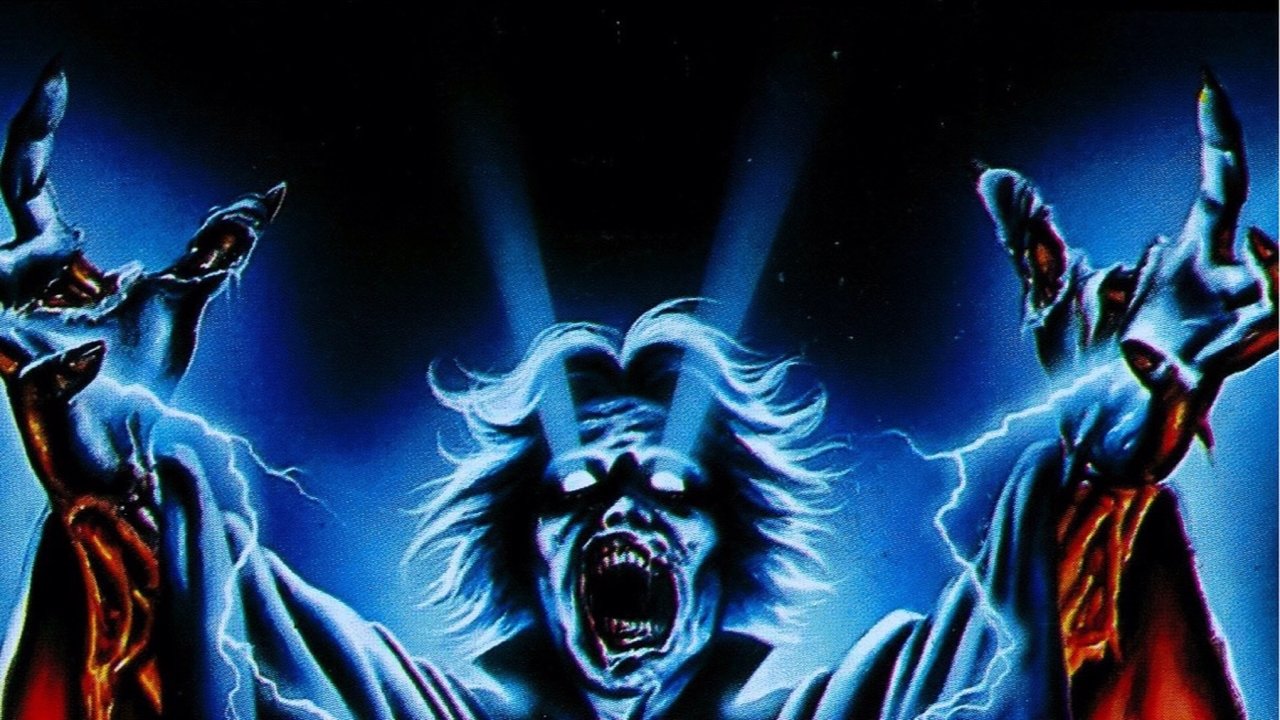
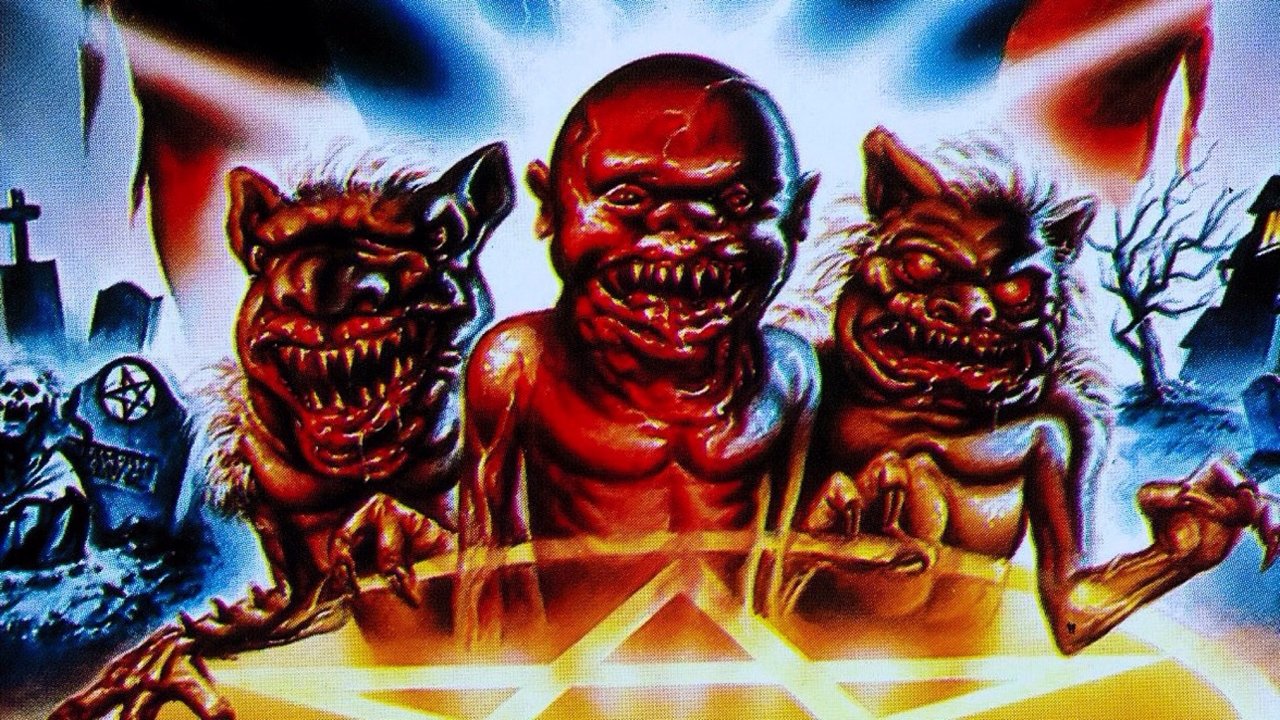
The plot, thin as it may be, centers on Jonathan Graves (Peter Liapis), who inherits his estranged father's spooky old mansion. Naturally, instead of calling an estate agent, he and his girlfriend Rebecca (Lisa Pelikan) move in and throw a housewarming party. Jonathan, however, gets drawn into his father's occult dabblings, attempting a ritual in the basement that inadvertently unleashes the titular Ghoulies – small, demonic creatures with varying degrees of mischief and menace on their minds. Things quickly escalate from party fouls to supernatural shenanigans, overseen by the spectral presence of Malcolm Graves (Michael Des Barres, clearly having a blast), Jonathan's deceased, devil-worshipping dad.
### Puppets, Practicality, and Pint-Sized Panic
Forget slick CGI – this is the realm of pure, unadulterated 80s practical effects, and that's where Ghoulies finds its charm. The creatures themselves, designed by the legendary John Carl Buechler's effects team (who also worked on Re-Animator and From Beyond), are brought to life through puppetry and animatronics. They’re not exactly convincing by today's standards – you can almost see the hands working them just off-screen sometimes – but there's a tangible, slimy reality to them. They exist in the same physical space as the actors, interacting with props, scurrying across floors, and yes, briefly emerging from plumbing. That tactile quality, the sheer thereness of the effects, is something often missing in modern digital creations. Remember how genuinely creepy or funny those little rubbery monsters felt flickering on a CRT?
Bercovici, working with what was clearly not a blockbuster budget (reportedly around $7 million, though figures vary), leans into the B-movie aesthetic. The lighting is often dramatic and moody, the mansion set suitably gothic and decaying, and the pacing is brisk enough to keep you from pondering the plot holes too deeply. While initially conceived as a more straight-laced horror flick, the film inevitably veers into camp territory, partly due to the inherent silliness of the creatures and partly thanks to Des Barres's wonderfully hammy performance as the spectral sorcerer urging his son down a dark path.
### Video Store Gold, Critical Coal?
Released hot on the heels of Gremlins (1984), Ghoulies inevitably drew comparisons, though it lacks the bigger budget, Joe Dante's anarchic wit, or Spielberg's Amblin polish. Critics at the time weren't exactly kind, often dismissing it as a cheap knock-off. But audiences, particularly on home video, didn't seem to care. The film was a surprise financial success for Empire Pictures, reportedly pulling in around $35 million worldwide, proving that sometimes all you need is a killer concept (and poster) and some memorably mischievous monsters. It tapped directly into that mid-80s appetite for creature features, finding its niche among horror fans looking for something a little goofy and grotesque. I distinctly remember renting this one purely based on the cover, expecting wall-to-wall toilet terror, and finding... well, something else, but still oddly entertaining in that late-night, sugar-fueled viewing kind of way.
The performances are what you might expect from a low-budget 80s horror outing. Liapis is earnest as the increasingly obsessed Jonathan, and Pelikan does her best with the concerned girlfriend role. But it's the creature effects and Des Barres's scenery-chewing that leave the biggest impression. The soundtrack, a mix of synth-heavy score and some jarringly upbeat tracks, adds to the film's quirky, unmistakably 80s identity.
### Final Reel
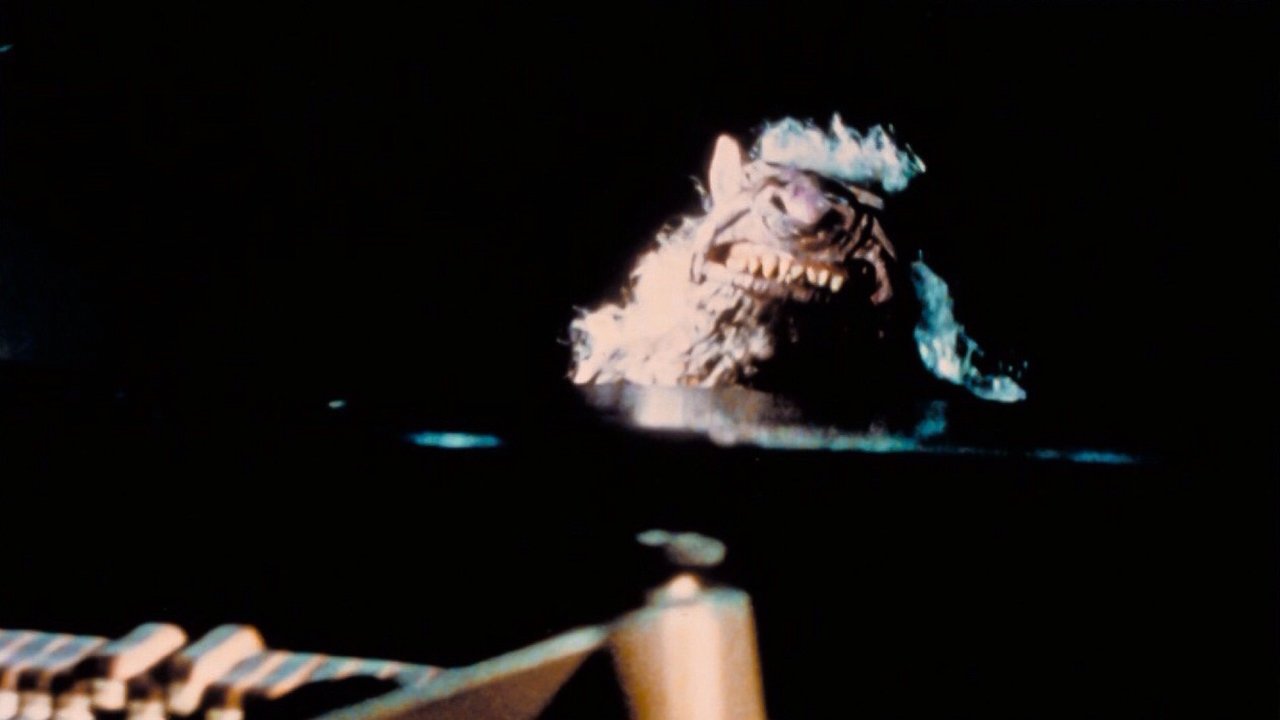
Ghoulies isn't sophisticated horror, nor is it a laugh-a-minute comedy. It sits in that weird, charming B-movie limbo, a product of its time fueled by practical effects ingenuity and some truly inspired, if misleading, marketing. It’s a film built for hazy VHS memories, sleepovers, and forgiving audiences looking for some simple creature chaos.
Rating: 6/10 - The score reflects its undeniable cult status, the nostalgic charm of its practical effects, and its sheer 80s video store weirdness, balanced against a flimsy plot and uneven tone. It’s more fun remembering it, or watching it with the right group, than it is a genuinely good film, but the fun factor is definitely there.
VHS Heaven Verdict: A classic case of the VHS cover promising slightly more than the tape delivered, but Ghoulies remains a gloriously goofy slice of 80s creature feature history, best enjoyed with low expectations and a high tolerance for rubber monsters. They did get us in the end – hooked by that unforgettable box art.