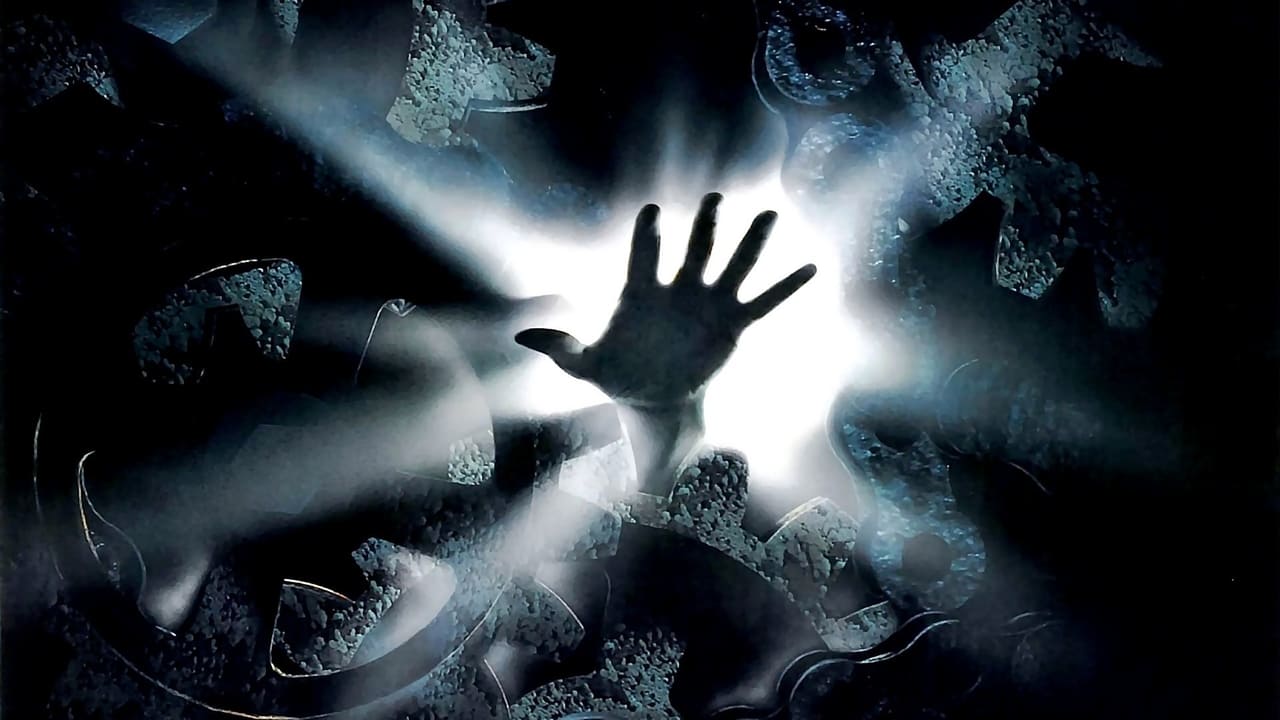
The air hangs thick with steam and the smell of bleach, punctuated by the rhythmic, soul-crushing CLANG-WHUMP of industrial machinery. This isn't just any laundry; it's the Blue Ribbon Laundry service, presided over by Gartley's Glorious Steam-Powered Fold-Master Model 6 – a behemoth of cast iron, gears, and sinister potential. Forget jump scares triggered by things leaping from the shadows; the truest horror in Tobe Hooper’s 1995 adaptation of Stephen King’s short story, The Mangler, is the grinding, inescapable dread baked into the very walls of this industrial hellscape.
Industrial Nightmare Fuel
From the opening frames, Hooper, no stranger to capturing visceral Texas-sized terror (The Texas Chain Saw Massacre), plunges us into a world choked by oppressive heat and mechanical indifference. The Blue Ribbon isn't just a workplace; it's a purgatorial sweatshop where human flesh is just another stain to be pressed out. The sound design is relentlessly effective – the constant, deafening roar of the machinery becomes a malevolent character in itself, a symphony of grinding metal that frays the nerves long before anything overtly supernatural occurs. You can almost feel the grime under your fingernails, the exhaustion in the workers' bones. This atmosphere is perhaps the film's strongest asset, a tangible sense of decay and danger that permeates every scene set within the laundry's bowels.
The titular Mangler is, of course, the centerpiece. A hulking speed ironer and folder, it takes on a life of its own after a series of unfortunate, blood-soaked incidents involving virgin's blood and maybe some antacids (yes, really). The practical effects used to bring the machine's menacing "presence" to life are often grotesquely effective for their time. When it folds a hapless victim like a bedsheet, the crunch and squelch feel disturbingly real, tapping into that primal fear of being crushed by indifferent, powerful forces. Doesn't that imagery still possess a uniquely nasty quality, far removed from the sterile neatness of later CGI gore?
Englund Unleashed
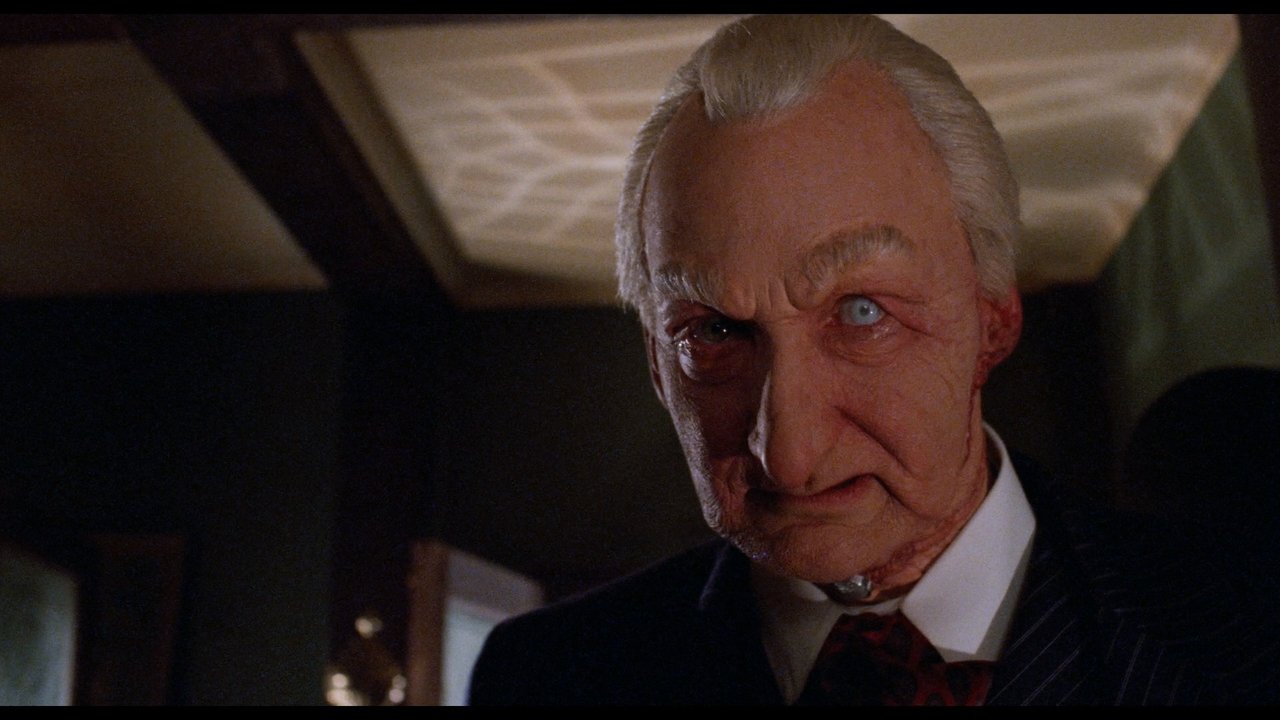
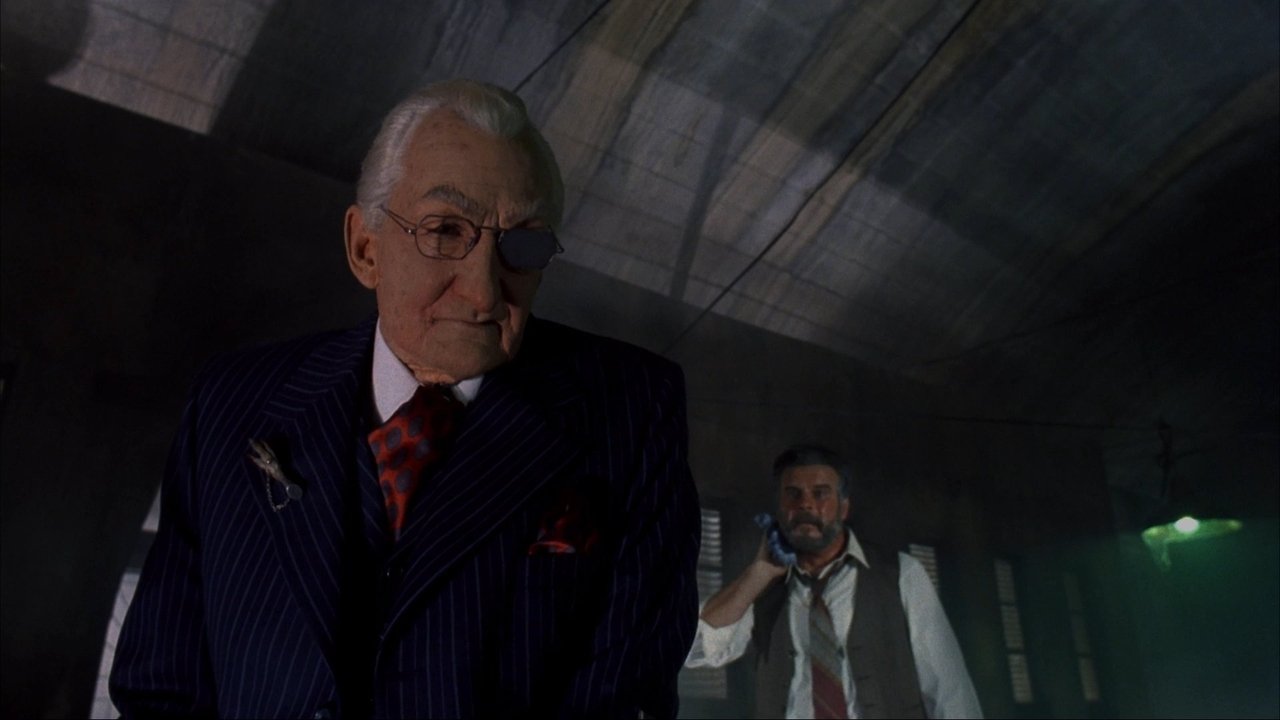
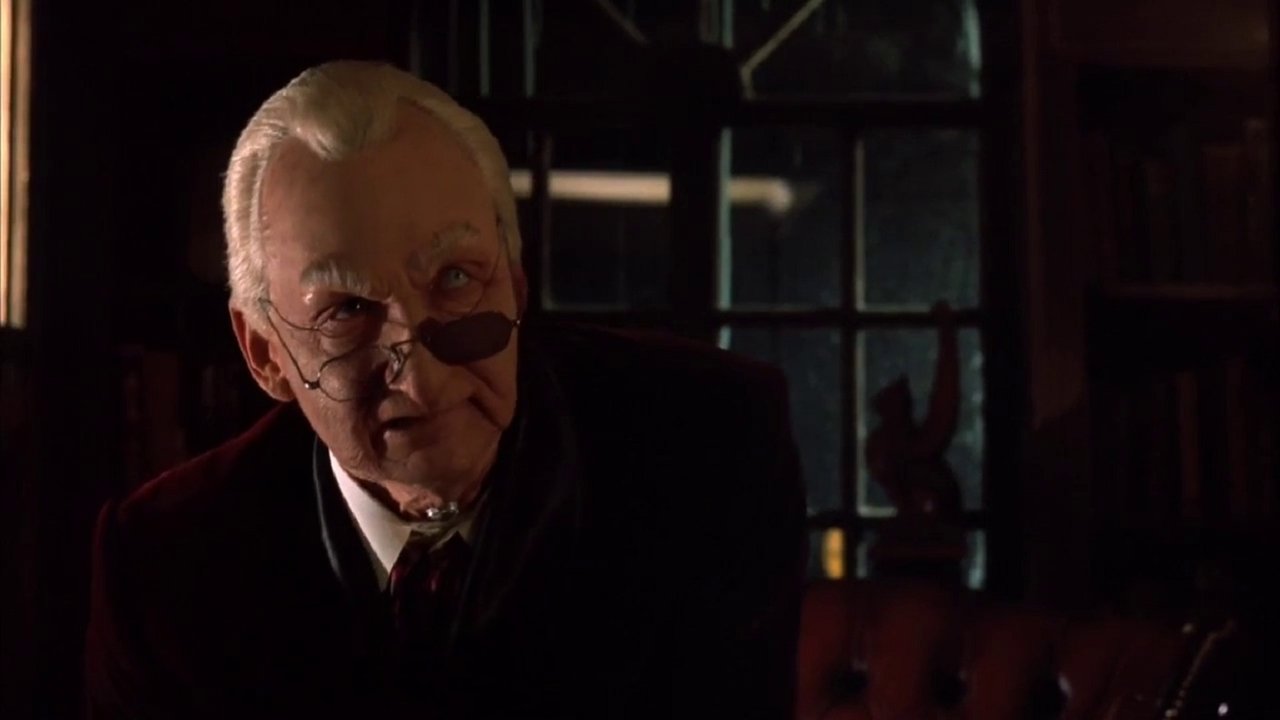
Presiding over this Dantean laundry is Bill Gartley, played by horror icon Robert Englund (A Nightmare on Elm Street series). Buried under layers of genuinely unsettling makeup – liver spots, grotesque leg braces seemingly fused to his flesh, a cataract-clouded eye – Englund delivers a performance that’s pure Grand Guignol. His Gartley is a caricature of corrupted authority, a wheezing, leering gargoyle spitting venomous pronouncements. It’s a performance that teeters constantly on the edge of absurdity, yet Englund commits so fully, with such snarling intensity, that he becomes weirdly compelling. Reportedly, the extensive prosthetics took hours to apply and were incredibly uncomfortable, adding a layer of genuine physical strain to Englund’s already demanding portrayal. He’s less a character, more a walking embodiment of the factory’s rot.
Opposite him is Ted Levine, fresh off his chilling turn as Buffalo Bill in The Silence of the Lambs, playing Detective John Hunton. Levine brings a necessary grounded weariness to the proceedings. His investigation into the increasingly bizarre "accidents" at the Blue Ribbon serves as our entry point into the madness. You see the rational policeman struggling against the tide of inexplicable, demonic happenings. There's a palpable sense of a good man being worn down by the sheer, grimy weight of the evil he’s confronting. It’s a thankless role, trying to inject realism into a plot involving a possessed laundry press, but Levine gives it his all. It's fascinating that just a few years after playing one of cinema's most memorable monsters, Levine found himself battling... well, laundry equipment.
From Short Story to Strange Saga
Adapting a very brief Stephen King short story into a feature film inevitably required significant expansion, and this is where The Mangler often stumbles. The script, co-written by Hooper himself, grafts on subplots involving demonic possession, local occult history, and Gartley's shadowy connections that feel increasingly convoluted. The core concept – a malevolent machine – is potent in its simplicity. The attempts to explain why it's evil dilute some of that raw, inexplicable terror. King's original story thrived on ambiguity; the film feels compelled to connect dots, sometimes awkwardly. One particularly bizarre sequence involving a possessed icebox feels like it wandered in from a different, perhaps even stranger, movie. This deviation was a necessity of adaptation, stretching maybe 15 pages of prose into 100 minutes of screen time, but the seams definitely show. Filmed primarily in South Africa to keep costs down (with a reported budget around $6-7 million), the production team nonetheless crafted a convincingly grim American industrial landscape.
The film's commitment to its grim tone is admirable, even when the plot mechanics become questionable. It refuses to wink at the audience, playing the possessed-laundry-press concept with deadly seriousness. This unwavering commitment is both its strangest charm and its potential undoing. Does the sheer audacity of presenting this material so intensely elevate it, or does it merely highlight the inherent absurdity? Watching it now, on a flickering screen late at night, that question feels central to the Mangler experience. It's a film that wants desperately to be a chilling industrial horror piece, occasionally succeeding through sheer atmospheric pressure and grotesque effects, even as its narrative logic frays like cheap cotton.
Rating: 4/10
The justification for this score lies squarely in the film's stark contradictions. The oppressive atmosphere, the genuinely unsettling practical effects of the Mangler itself, and Robert Englund's utterly committed, grotesque performance earn points for capturing a specific kind of industrial dread. However, these elements are constantly battling a nonsensical plot progression, uneven pacing, and dialogue that sometimes veers into unintentional comedy. Ted Levine provides a solid anchor, but even he can't fully ground the film's wilder flights of fancy. It achieves moments of visceral nastiness, true to Hooper's style, but the expansion of King's lean story introduces too much awkward supernatural exposition, ultimately folding under its own convoluted weight. It’s a fascinating failure, memorable for its sheer audacity and grime, but ultimately more bewildering than terrifying.
The Mangler remains a peculiar artifact of 90s horror – a testament to when big names (King, Hooper, Englund) could tackle utterly bizarre concepts with straight-faced intensity. It’s the kind of film you’d discover on a dusty VHS shelf, drawn in by the lurid cover, and emerge from slightly stunned, unsure if you witnessed accidental genius or pure cinematic lunacy. Perhaps its most lasting legacy is simply the question it leaves hanging in the steam-filled air: could a laundry press really be that evil?