Okay, pull up a beanbag chair, maybe grab a Tab cola if you can find one, because tonight we’re diving deep into the murky waters of a sequel so legendarily bonkers, its very existence feels like a fever dream experienced after too much late-night pizza. I’m talking about the cinematic enigma that is Jaws: The Revenge (1987). Finding this tape on the rental shelf, nestled amongst the action heroes and slasher icons, felt like uncovering forbidden knowledge. The iconic Jaws logo, the promise of more shark terror... how could you resist? Little did we know we were in for something... else.
### A Fish Story for the Ages
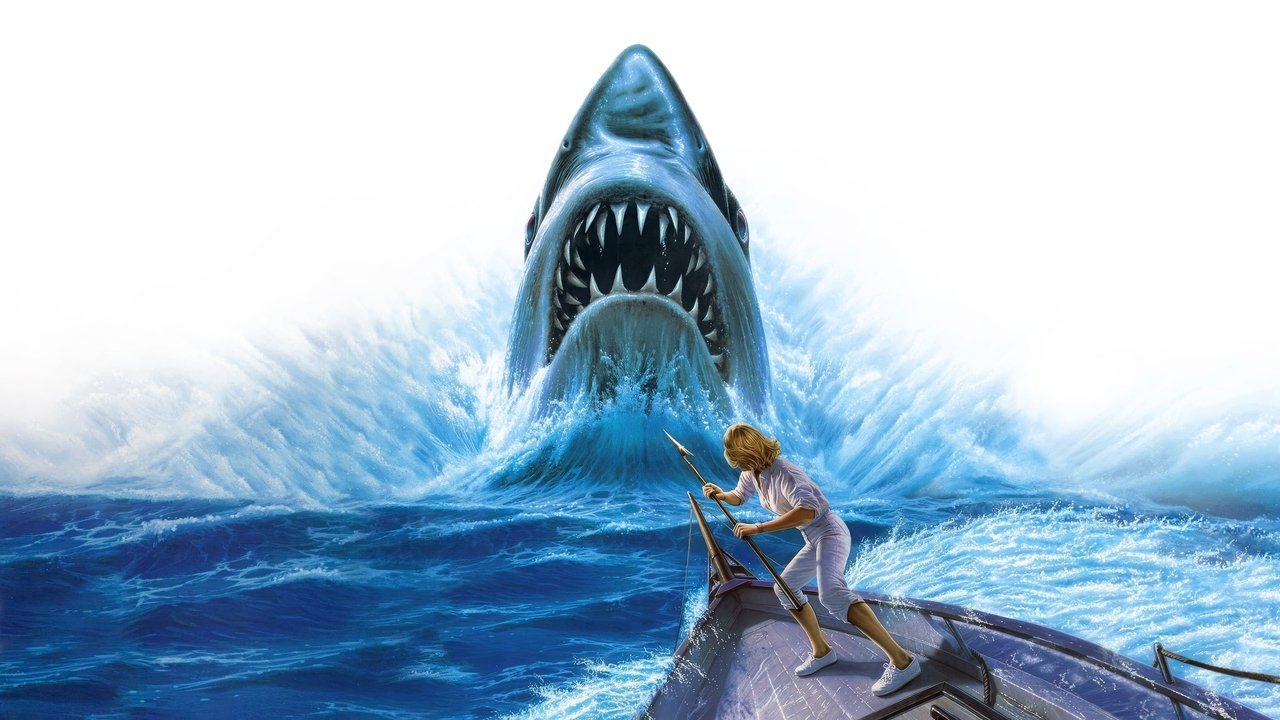
The premise alone is enough to make you tilt your head like a confused dog. Forget random ocean violence; this shark isn't just hungry, it's personal. After yet another Brody family member meets a toothy end near Amity, matriarch Ellen Brody (Lorraine Gary, coaxed out of retirement for this role – reportedly because her husband, Sid Sheinberg, was head of Universal Pictures at the time) becomes convinced a specific great white shark is enacting a blood vendetta against her kin. So, naturally, she flees the cold waters of New England for the sunny Bahamas to be with her other son, Michael (Lance Guest), and his family. Surely, a tropical paradise is safe? Nope. Because this shark? It apparently bought a plane ticket (or swam really fast, like, Mach 2 fast) and followed them. Yes, you read that right. A shark with a grudge and a passport.
### Sun, Sand, and Shark Shenanigans
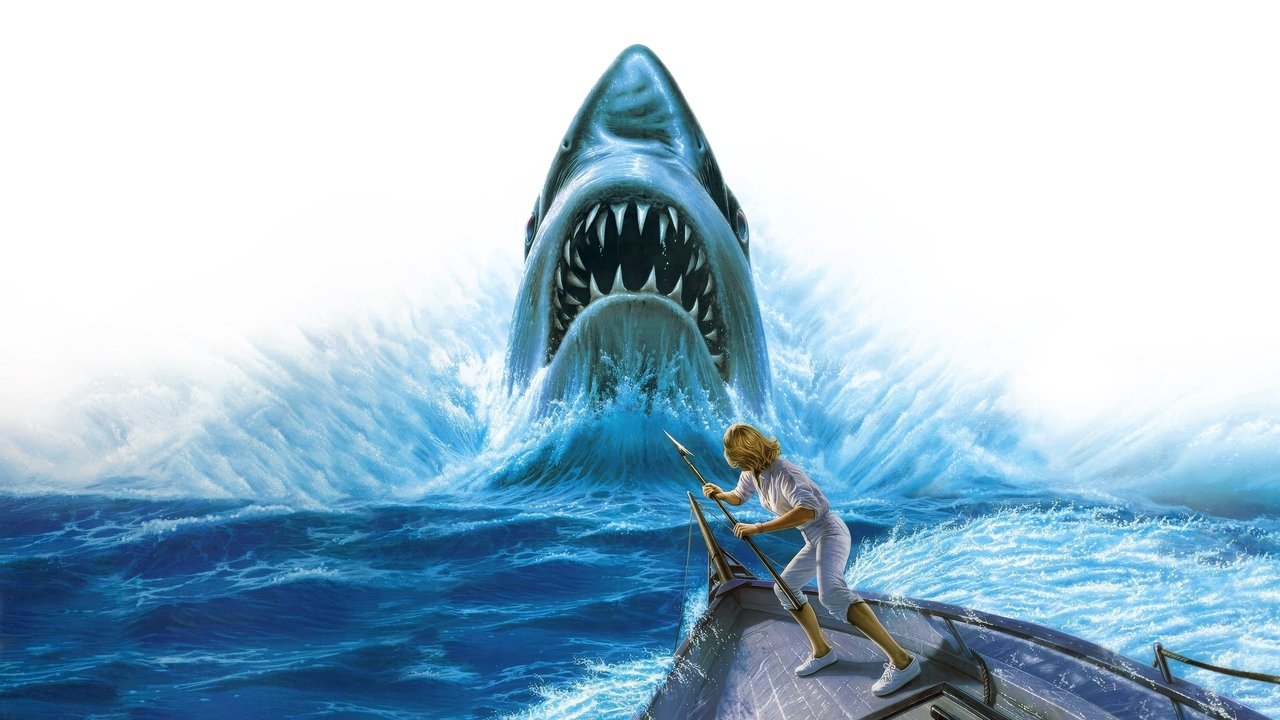
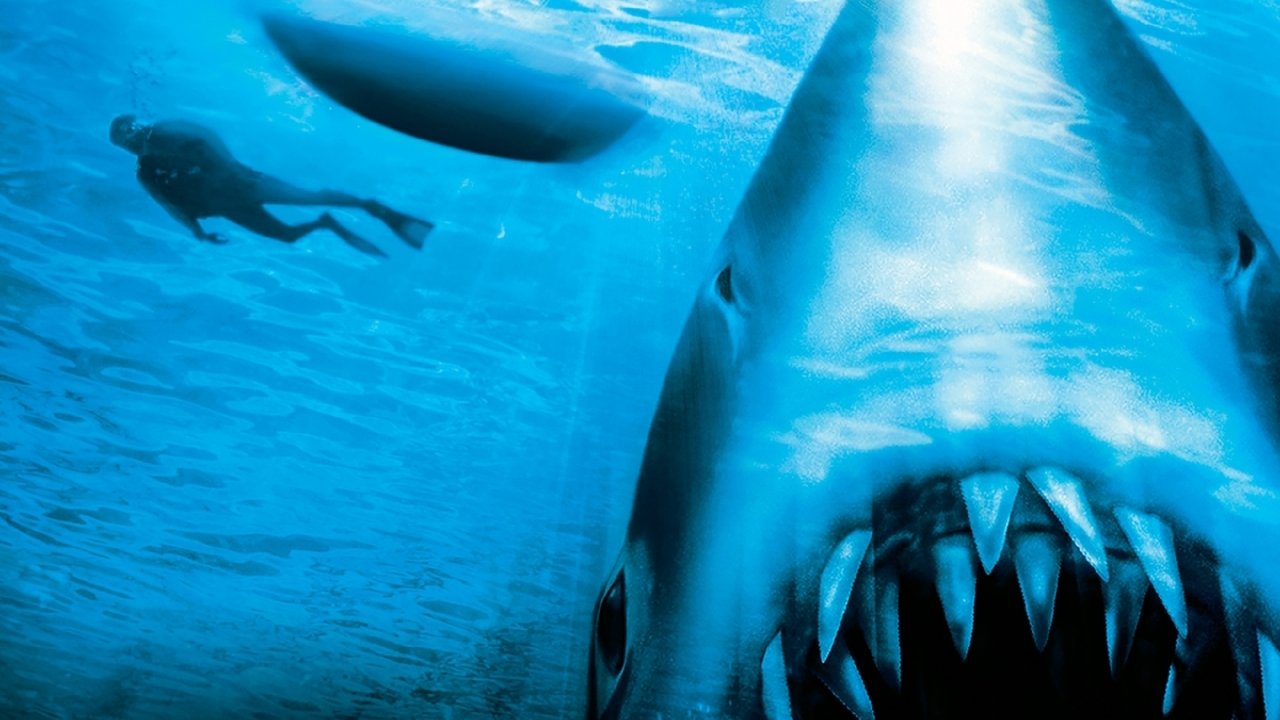
Directed by Joseph Sargent, a filmmaker who gave us the gritty, brilliant thriller The Taking of Pelham One Two Three (1974) – making his involvement here all the more baffling – Jaws: The Revenge trades the gloomy, suspenseful atmosphere of the original for bright Bahamian sunshine. While the location is beautiful, it somehow diminishes the terror. Part of what made the original Jaws terrifying was the unseen threat lurking beneath grey, choppy waves. Here, the crystal-clear water often gives us too clear a view of our antagonist, and folks, the shark looks... well, let's be kind and say "less than convincing."
Remember the palpable tension of the Orca slowly sinking in the original? Here, the shark action often feels rushed and strangely staged. There are moments, like the banana boat attack, that aim for that classic Jaws shock value, but they often land with a thud rather than a splash, hampered by effects that were already looking creaky back in '87. This film was famously rushed into production, greenlit in January and hitting screens by July of the same year – a breakneck speed that undoubtedly impacted the quality of the mechanical shark effects. You can almost feel the frantic energy behind the scenes translating into on-screen awkwardness. And let's not forget the infamous shark roar – yes, a sound effect added to make the shark seem more menacing, completely ignoring basic marine biology. Did anyone else rewind the tape just to make sure they actually heard that?
### The Human Element (and Michael Caine!)

Amidst the marine absurdity, we have the human cast trying their best. Lorraine Gary pours genuine emotion into Ellen's grief and paranoia, grounding the film more than it probably deserves. Lance Guest does his duty as the Concerned Son, and Mario Van Peebles brings some much-needed charisma as Jake, Michael's marine biologist colleague. His character actually faced different fates depending on which version you saw – the original theatrical cut featured a more ambiguous ending for him, hastily reshot after test audiences reacted poorly to his apparent demise.
And then there's Michael Caine. The legendary actor pops up as Hoagie, a charming local pilot and Ellen's potential love interest. His presence lends an air of bewildered class to the proceedings. Caine himself has been famously candid about his reasons for taking the role, quipping, "I have never seen it, but by all accounts it is terrible. However, I have seen the house that it built, and it is terrific." You have to respect the honesty! His effortless charm is a welcome distraction, even if his character feels somewhat superfluous to the central shark-vendetta plot.
### Legacy of a Punchline
Let's be honest, Jaws: The Revenge wasn't exactly a critical darling or a box office juggernaut (making around $51 million worldwide on a $23 million budget – not the return Universal hoped for). Original Jaws author Peter Benchley, who had script input on the first two films, reportedly hated this one so much he tried to get his name removed. It quickly became shorthand for unnecessary, logic-defying sequels.
But here’s the thing about watching it now, maybe on a fuzzy nth-generation VHS copy: there’s a certain charm to its sheer audacity. It’s a product of its time, a studio desperately trying to milk a franchise dry, resulting in something uniquely… memorable. The commitment to practical effects, even when they fall spectacularly short, has a certain tangible quality missing from today's slick CGI creations. You see a real (though often unconvincing) mechanical shark, real water, real actors reacting in frame. It’s clumsy, yes, but it’s there.

Rating: 2/10
The score reflects the undeniable technical and narrative failings – the nonsensical plot, the shaky effects, the infamous roar. It's objectively not a "good" film by conventional standards. However, those two points are earned purely through the power of unintentional comedy, Michael Caine's baffled presence, and its status as a truly legendary piece of 80s cinematic oddity.
Final Thought: Jaws: The Revenge is the movie equivalent of finding a dusty novelty singing fish at a garage sale – you know it’s ridiculous, slightly broken, but you can’t help but press the button anyway, just to marvel at the sheer weirdness of it all. A must-watch? Probably not. But an unforgettable VHS-era artifact? Absolutely. This time, it wasn't just personal; it was baffling.