It arrived nearly two decades after the play first stunned London audiences, a searing indictment carried onto celluloid. Bent, adapted by Martin Sherman from his own groundbreaking 1979 stage work and directed by Sean Mathias (who also helmed notable stage revivals), wasn't the kind of film you stumbled upon lightly in the video store aisles back in '97. It demanded attention, carried whispers of its confronting power, and promised a viewing experience that would linger long after the tape ejected. It’s a film that explores the darkest corners of history not through grand battles, but through the intimate erosion of humanity and the desperate sparks of connection that refuse to be extinguished.

From Decadence to Dachau
The film opens in the hedonistic twilight of Weimar Berlin, a world of smoky clubs, casual encounters, and a fragile sense of freedom. We meet Max (Clive Owen), a promiscuous party boy navigating this world with a certain careless charm, living with his dancer boyfriend Rudy (Brian Webber). This initial vibrancy, captured with a woozy energy, serves as a stark, almost cruel contrast to what follows. The carefree existence is brutally shattered by the Night of the Long Knives, forcing Max and Rudy onto a desperate flight from Nazi persecution. It's a jarring transition, expertly handled, plunging us from perceived safety into sudden, terrifying vulnerability. One fascinating, almost surreal casting choice here is seeing Mick Jagger appear briefly as Greta, a drag queen performing in a Berlin club – a fleeting glimpse of the era's transgressive performance art before the darkness descends. It’s a moment that feels both authentic to the period and a slightly jarring piece of star power, adding another layer to the film's texture.
The Weight of a Symbol
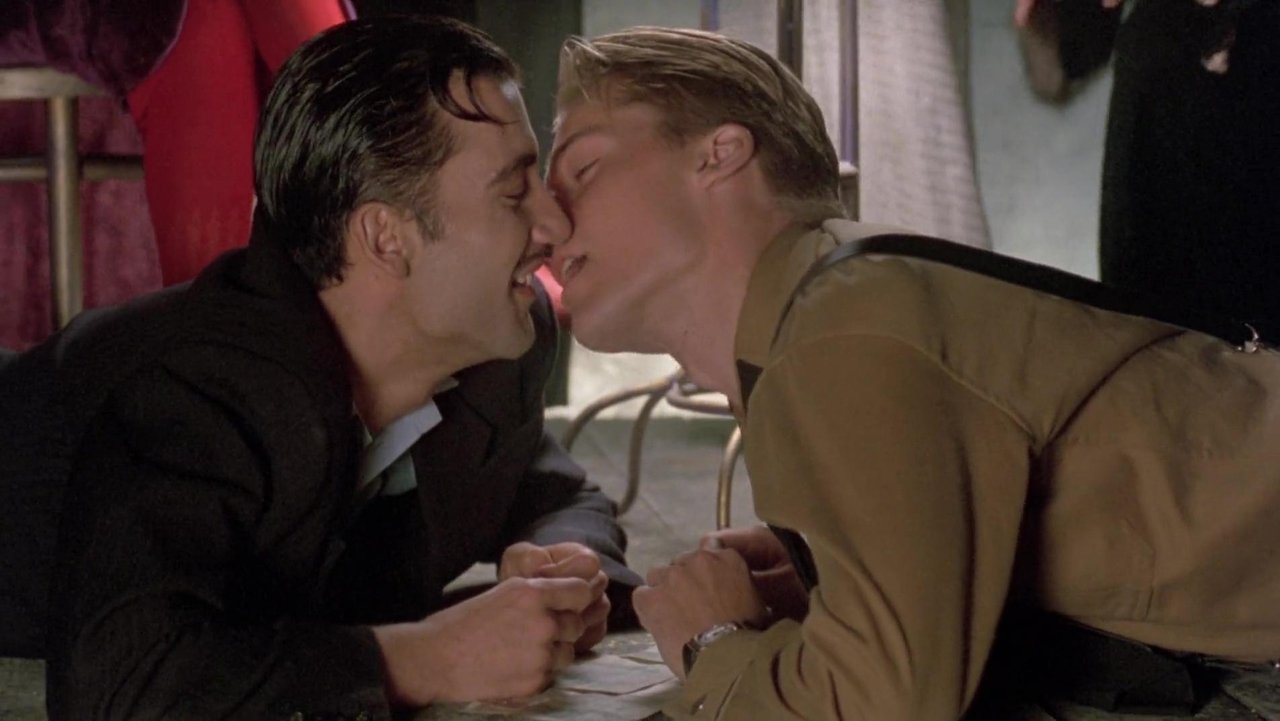
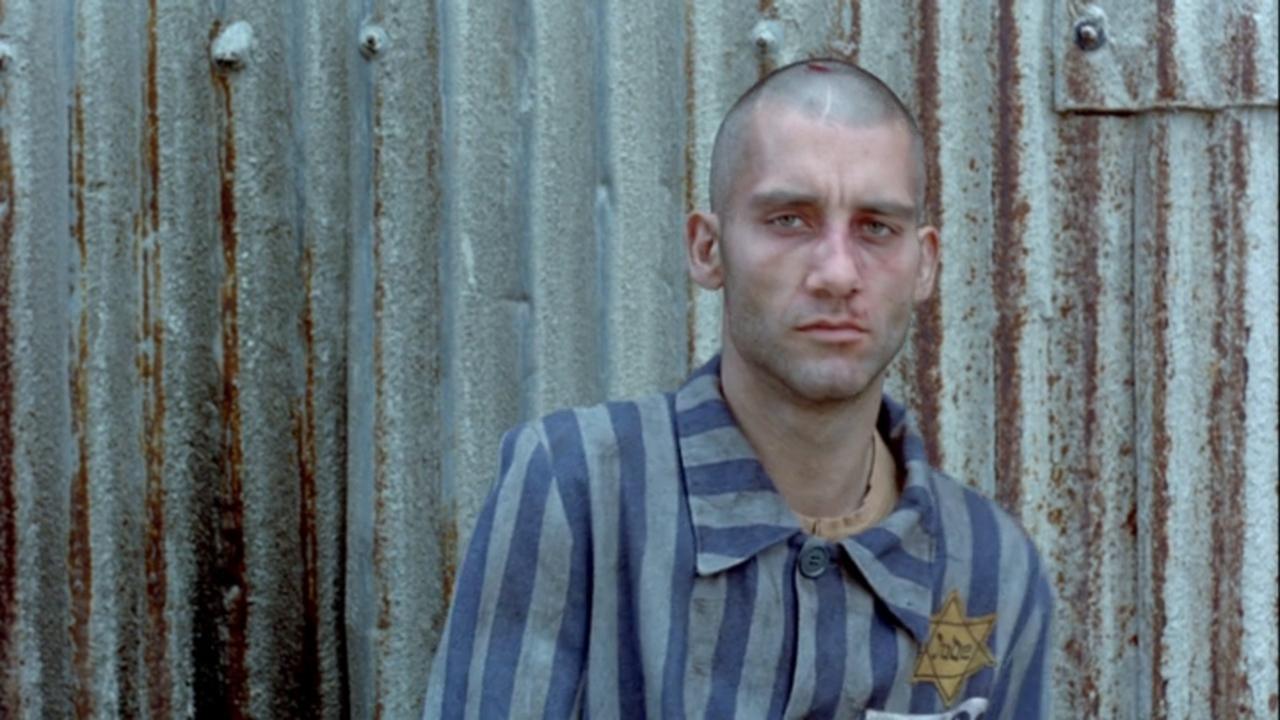
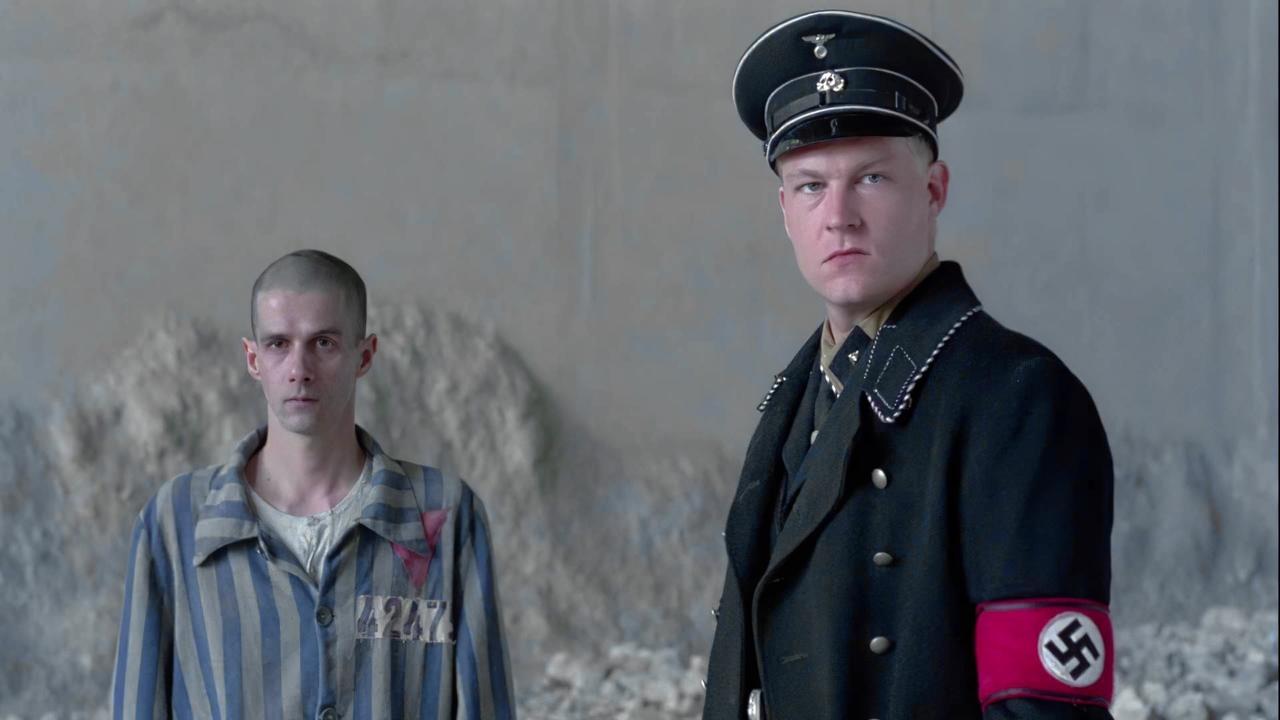
The journey leads inexorably to the dehumanizing horror of a concentration camp. Here, Max makes a devastating choice: witnessing the fate of those marked by the pink triangle – the symbol used by the Nazis to identify homosexual prisoners, placing them at the very bottom of the camp hierarchy – he contrives to wear the yellow star of a Jewish prisoner instead, believing it offers a marginally better chance of survival. This central compromise, this denial of self for the sake of existence, forms the agonizing core of the film. Clive Owen, perhaps best known later for harder-edged roles in films like Children of Men or Sin City, delivers a performance of staggering depth and vulnerability here. His transformation from the cavalier Max of Berlin to the hollowed-out, strategically numb prisoner is utterly convincing and heartbreaking. He conveys so much through guarded eyes and subtle shifts in posture, embodying the crushing weight of his decision.
Love as Resistance
Within the bleak confines of Dachau, Max encounters Horst (Lothaire Bluteau), an inmate proudly wearing the pink triangle. Their relationship, developed under the constant threat of discovery and violence, becomes the film's fragile, beating heart. Bluteau, known for intense performances in films like Jesus of Montreal, brings a quiet dignity and unwavering sense of self to Horst that contrasts sharply with Max’s pragmatism. Their connection, built through stolen whispers and shared, impossible burdens – culminating in a scene of profound intimacy achieved solely through words and proximity, a testament to Mathias's sensitive direction – becomes an act of profound resistance. It asks: can love exist, can identity persist, even when stripped of everything else? The film suggests, devastatingly, that it can, but at an almost unbearable cost.
A pivotal, unforgettable scene features Ian McKellen as Uncle Freddie, Max's relative from the privileged elite. McKellen, of course, originated the role of Max in the Royal Court premiere of the play back in 1979, a performance that cemented the play's legacy. His presence here feels like a vital link to the work's origins. His character embodies a different kind of denial – the willful blindness of those who could perhaps intervene but choose comfort and complicity instead. His brief exchange with Owen is electric, layered with unspoken history and the chilling reality of societal indifference. It’s a powerful moment, enriched by knowing McKellen’s long and personal history with the material and his own tireless advocacy for LGBTQ+ rights.
Translating Stage to Screen
Adapting such a powerful play always carries challenges. Mathias, having directed it on stage, understands the rhythms and emotional beats intimately. He largely avoids overt staginess, using the claustrophobic setting of the camp effectively. While some moments retain a theatrical intensity, particularly in the dialogue, the stark visuals and the raw performances ground it firmly in cinematic language. The film reportedly cost around £500,000 (a relatively small budget even then, perhaps $1 million USD at the time) and its journey to the screen was long, highlighting the difficulty often faced by challenging, LGBTQ+-themed stories in securing financing and distribution, even in the late 90s. Its power lies not in spectacle, but in its unwavering focus on the human cost of hatred.
Final Thoughts
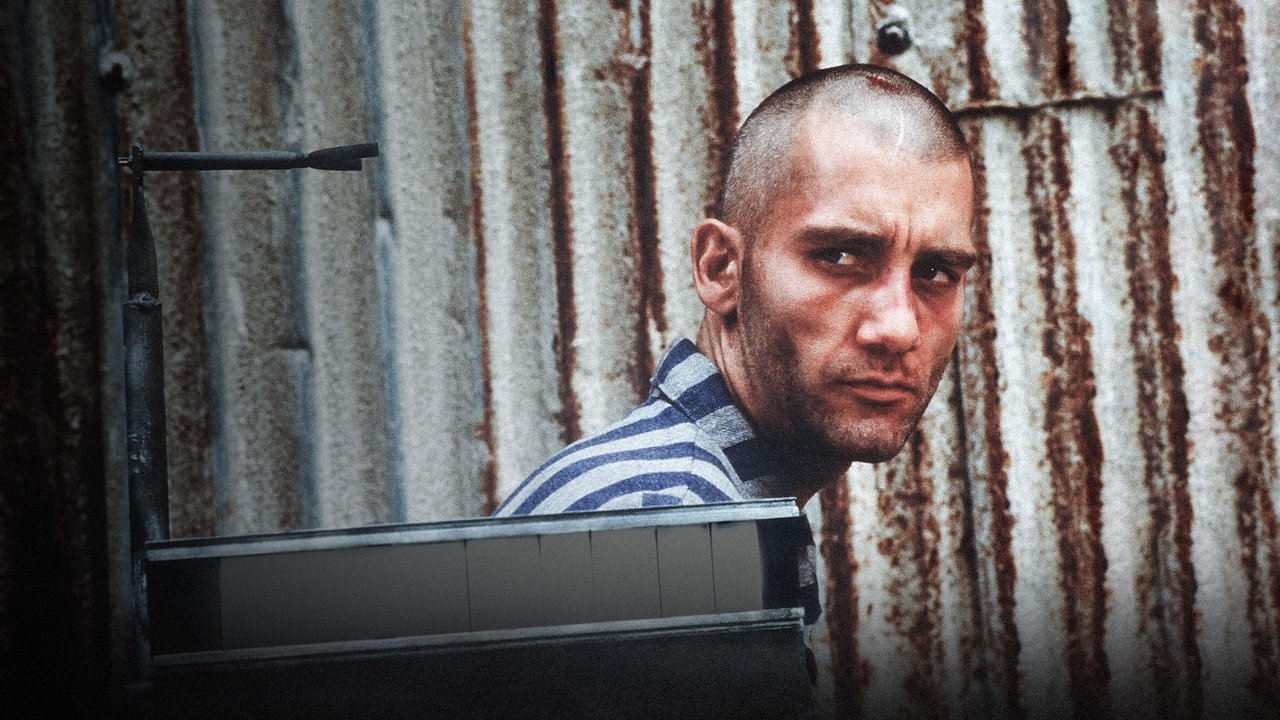
Bent is not an easy watch. It doesn't offer simple comforts or triumphant heroism in the conventional sense. It’s a stark, harrowing depiction of systematic dehumanization and the agonizing choices made in the face of annihilation. Finding this on VHS felt like uncovering something vital, something that demanded you sit with its discomfort and wrestle with its questions about identity, survival, and the enduring need for human connection. What does it mean to deny who you are to stay alive? And what is the ultimate price of that denial? The performances, particularly from Owen and Bluteau, are exceptional, carrying the weight of the narrative with profound emotional honesty.
Rating: 9/10
This score reflects the film's courageous handling of incredibly difficult subject matter, its powerful performances, and its faithful, yet cinematic, adaptation of a landmark play. It's near-perfect in its devastating portrayal, perhaps only slightly limited by the inherent challenges of translating some theatrical elements. It remains a vital piece of queer cinema and Holocaust testimony, a reminder of horrors past and the enduring fight for recognition and dignity that resonates even today. What lingers most is the quiet devastation, the understanding that even in the bleakest hell, the need to love and be seen persists, a fragile, defiant spark against the encroaching darkness.