There are film adaptations, and then there are reinterpretations that seize you by the collar. Richard Loncraine's 1995 Richard III does the latter, announcing its brutal, audacious vision not with trumpets and fanfare, but with the chilling clatter of machinery and the shadow of fascism. Seeing this on VHS back in the day, perhaps tucked between more conventional 90s thrillers, felt like uncovering something potent, something dangerous. It wasn't the dusty Shakespeare of the classroom; this was immediate, visceral, and terrifyingly relevant.
A Different Kind of England
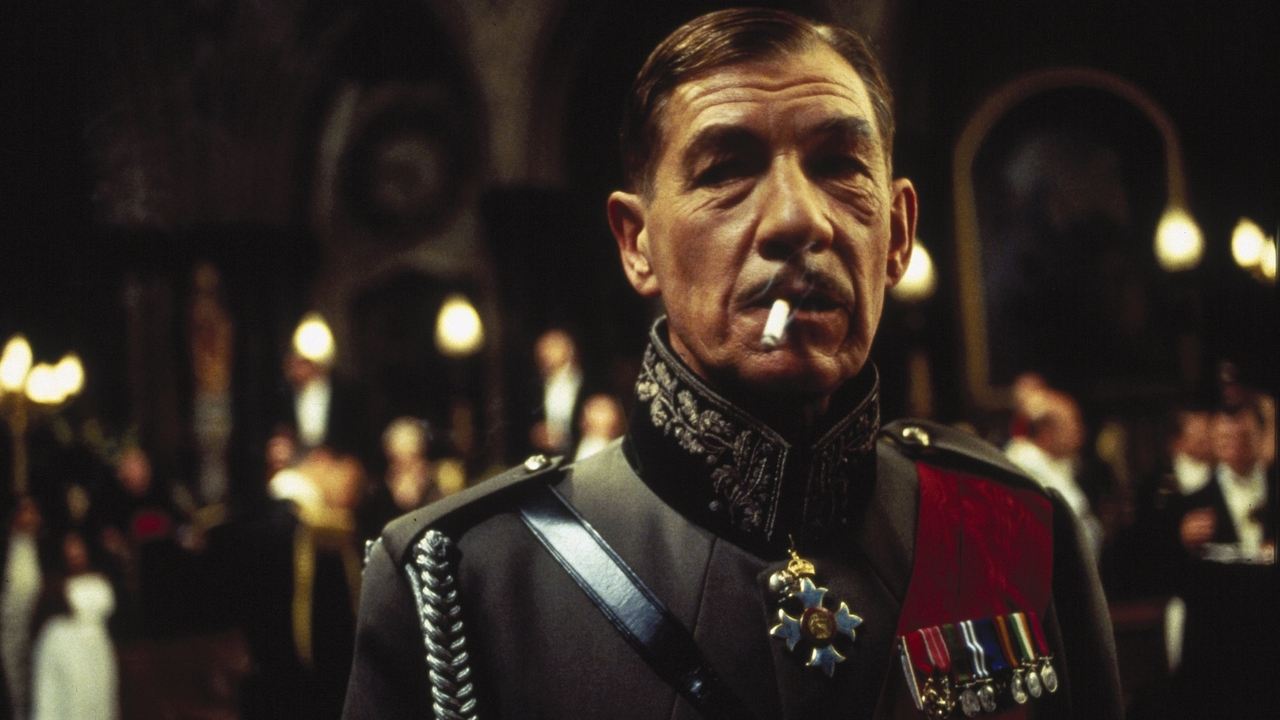
The masterstroke, of course, is the transposition of Shakespeare's historical villain into a darkly imagined 1930s Britain teetering on the edge of authoritarianism. Co-conceived and co-written by the magnetic Sir Ian McKellen himself, drawing heavily from his acclaimed Royal National Theatre stage production, this isn't just a backdrop change; it’s a re-contextualization that breathes startling new life into the Bard's exploration of ambition, propaganda, and the seductive nature of power. The visual language – the sharp uniforms reminiscent of Oswald Mosley's Blackshirts, the imposing architecture like Battersea Power Station reimagined as a royal fortress, the chillingly effective use of period technology like microphones and tanks – makes Richard's rise feel less like ancient history and more like a plausible nightmare pulled from the last century's darkest chapters. It’s a choice that resonates with anxieties we still grapple with today, doesn't it? How easily can charismatic evil manipulate symbols and public sentiment?
The Man Who Would Be Tyrant
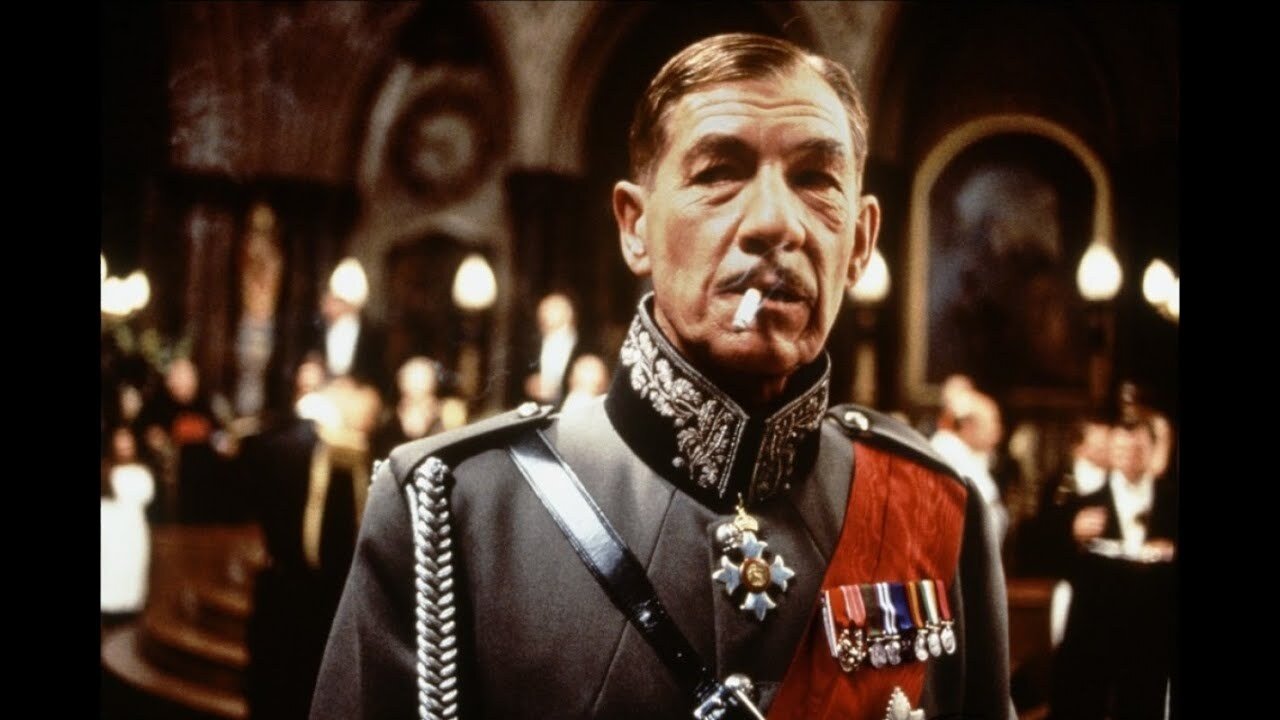
At the heart of this storm stands McKellen's Richard. Having honed the role on stage for years, his comfort and command are absolute. This isn't just acting; it's possession. Forget the traditional "hunchback'd toad"; McKellen gives us a Richard whose physical deformities (a withered arm, a slight limp) are secondary to the chilling charisma and serpentine intelligence radiating from his eyes. His breaking of the fourth wall, confiding his plots directly to us with a conspiratorial grin, is utterly captivating. It implicates us in his schemes, making us uneasy accomplices. We see the charm offensive, the crocodile tears, the ruthless calculation – often in the same breath. It’s a performance built on nuance: the flicker of vulnerability when he woos Lady Anne (Kristin Scott Thomas), the chilling casualness as he orders executions, the final, desperate unraveling. It deservedly earned McKellen an Oscar nomination, and frankly, it remains one of the definitive screen portrayals of any Shakespearean character. I recall watching his "Now is the winter of our discontent" speech, delivered initially as a public address before shifting into that intimate, sinister monologue to camera – it felt electrifyingly modern, even on a fuzzy CRT screen.
Shadows and Whispers in High Places
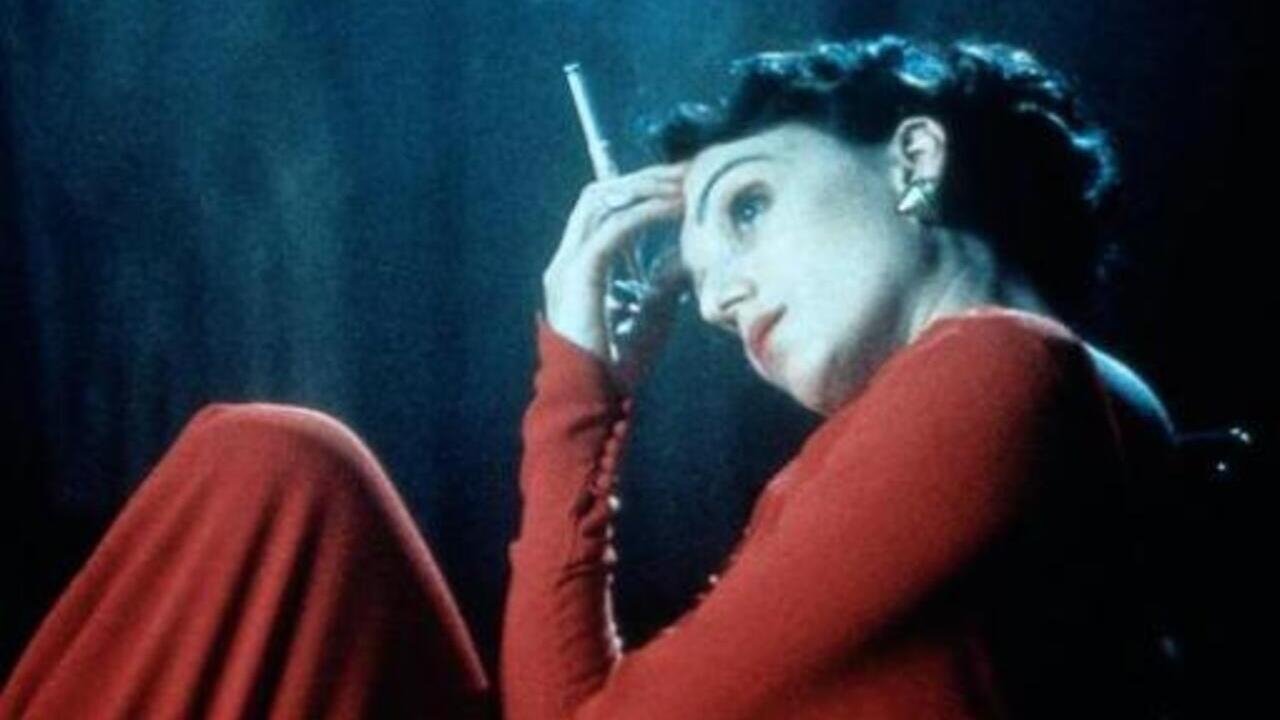
While McKellen dominates, the ensemble cast is uniformly strong, navigating the tricky blend of heightened language and the film's specific aesthetic. Annette Bening, in a somewhat surprising but effective piece of casting, brings a fierce dignity and palpable grief to Queen Elizabeth. Her American accent, initially perhaps jarring to purists, actually subtly underscores her outsider status within this venomous English court. Jim Broadbent, always a welcome presence, is superb as the Duke of Buckingham, Richard's initial ally, his journey from smug co-conspirator to horrified pawn etched with compelling unease. And who could forget Robert Downey Jr., pre-Iron Man revival, bringing a doomed aristocratic charm to Earl Rivers, or the regal gravitas of Maggie Smith as the Duchess of York, delivering her maternal curses with icy precision? Even smaller roles, like Nigel Hawthorne's pitiable Clarence, resonate.

From Stage to Screen: A Triumph of Adaptation
Adapting Shakespeare for film always involves difficult choices. McKellen and Loncraine prune the text significantly, focusing the narrative tightly on Richard's ascent and fall. Purists might balk, but the result is a film with remarkable pace and clarity, sacrificing some subplots and characters to maintain momentum. This cinematic approach extends to the visual storytelling. The iconic locations – St. Pancras Station, the aforementioned Battersea Power Station, Brighton Pavilion standing in for the Tower of London – are used brilliantly, creating a world that feels both recognizably English and disturbingly altered. A fascinating tidbit: the production reportedly saved considerable money by securing these locations, turning budget constraints into aesthetic strengths. Trevor Jones's score effectively blends martial themes with moments of dread, enhancing the oppressive atmosphere. And that shocking final sequence at Battersea? A far cry from "A horse, a horse, my kingdom for a horse!" on a muddy field, it provides a stunningly modern, industrial Götterdämmerung for this particular tyrant.
The Verdict
Richard III (1995) is more than just a filmed play; it's a bold, intelligent, and visually arresting cinematic experience. It proved that Shakespeare could be adapted with daring invention without losing its core power. It took a character often portrayed as a grotesque caricature and made him chillingly, seductively real within a context that felt disturbingly close to home. The brilliance lies in how the 1930s setting isn't mere window dressing; it actively illuminates the play's themes of political maneuvering, propaganda, and the terrifying speed at which decency can be dismantled.
Rating: 9/10
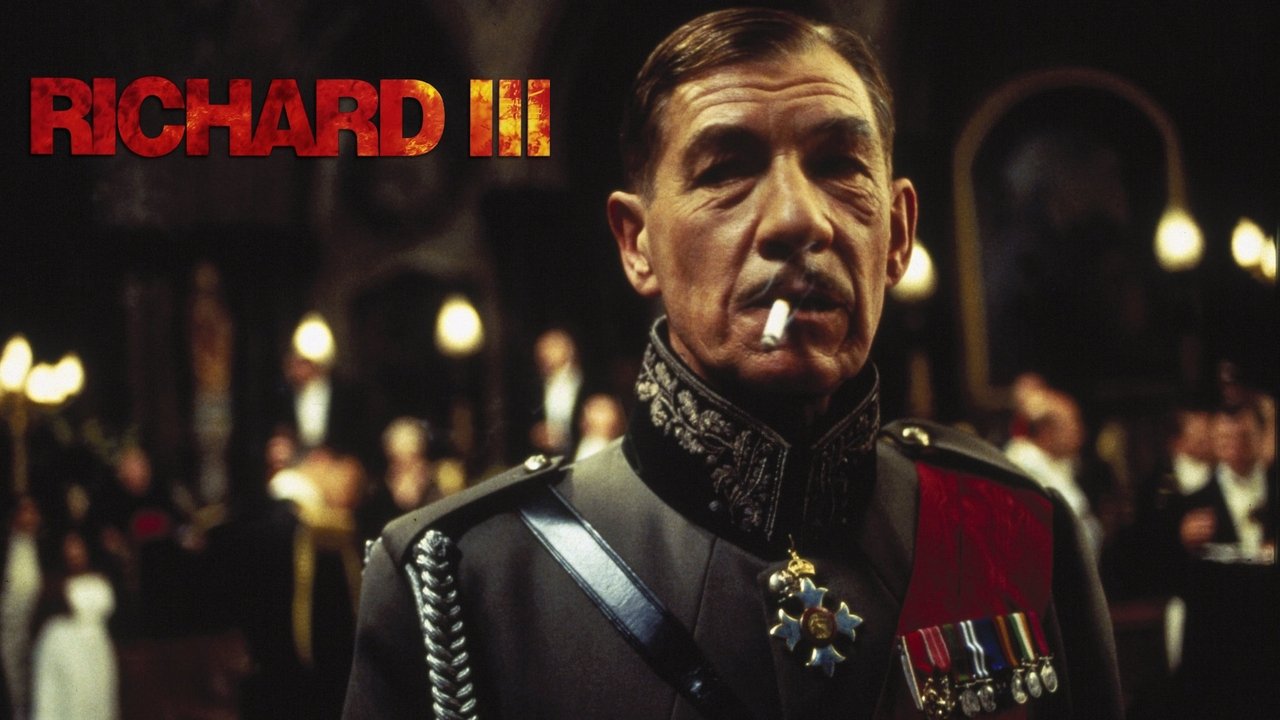
This score reflects the film's audacious concept, its flawless execution, McKellen's towering central performance, the strong supporting cast, and its overall success in making Shakespeare feel immediate and relevant. It's a near-perfect fusion of source material and cinematic interpretation. While its intensity might not be for everyone seeking light entertainment, its power and artistry are undeniable.
This VHS tape wasn't just another rental; it was a revelation, a reminder that classic stories can be reborn in startling ways. What lingers most, perhaps, is the unnerving recognition in Richard's ambition – a timeless hunger for power given a chillingly modern face.