Here’s your review for VHS Heaven:
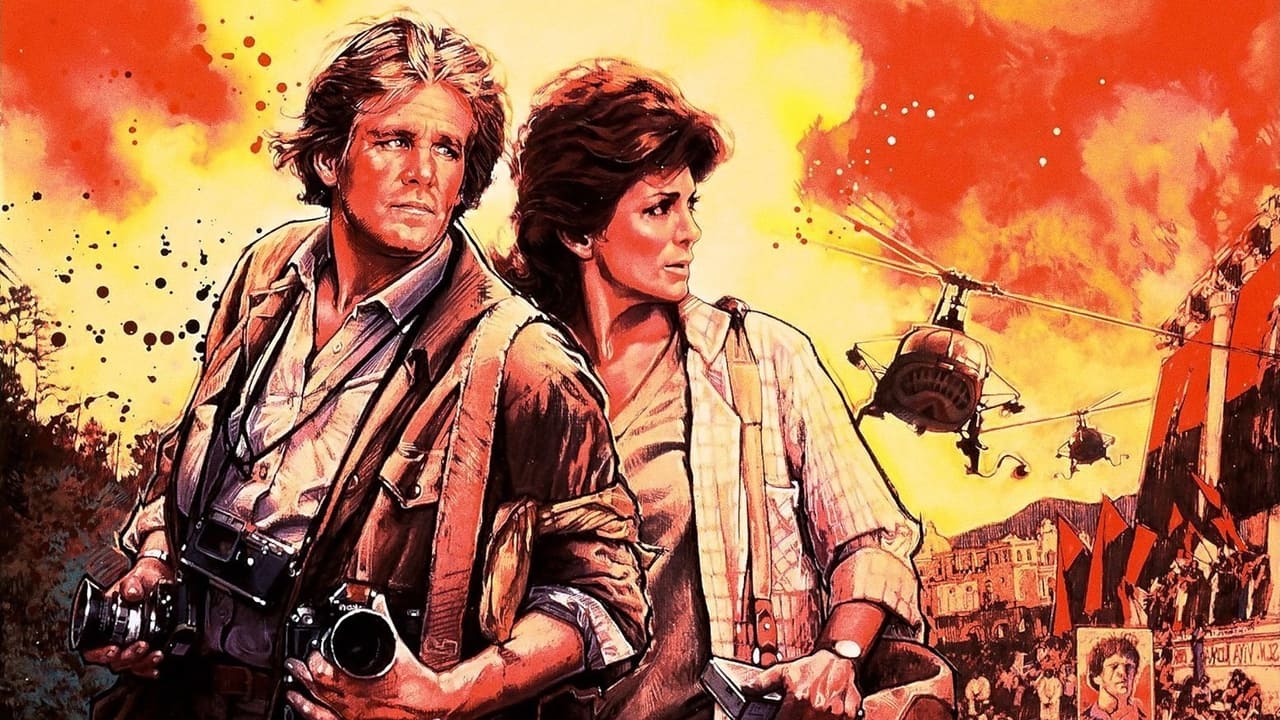
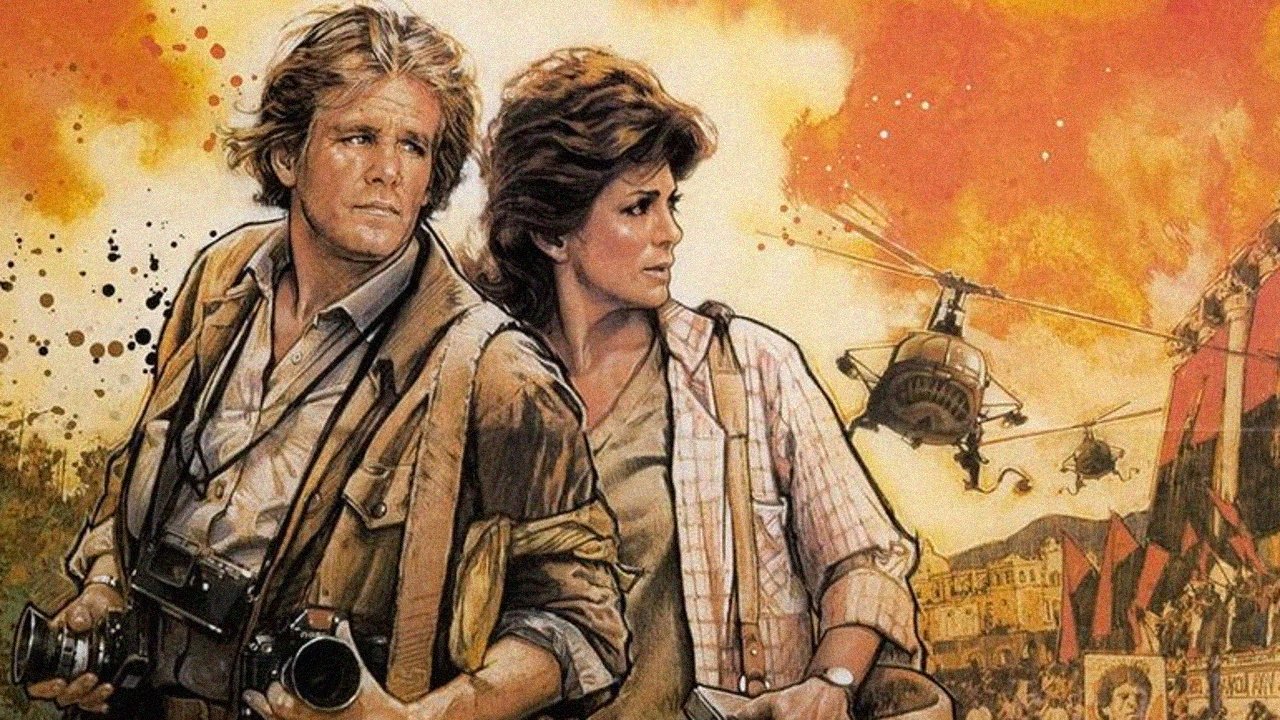
Where does the line blur? When does the observer, camera in hand, become a participant in the events they’re meant to capture? That’s the tightrope walked with such harrowing intensity in Roger Spottiswoode’s 1983 thriller, Under Fire. Watching it again recently, decades after first sliding that well-worn Orion Home Video cassette into the VCR, the ethical questions it raises feel perhaps even more potent, more uncomfortably relevant, than they did amidst the Cold War tensions of the early 80s.
### Into the Crucible: Nicaragua, 1979
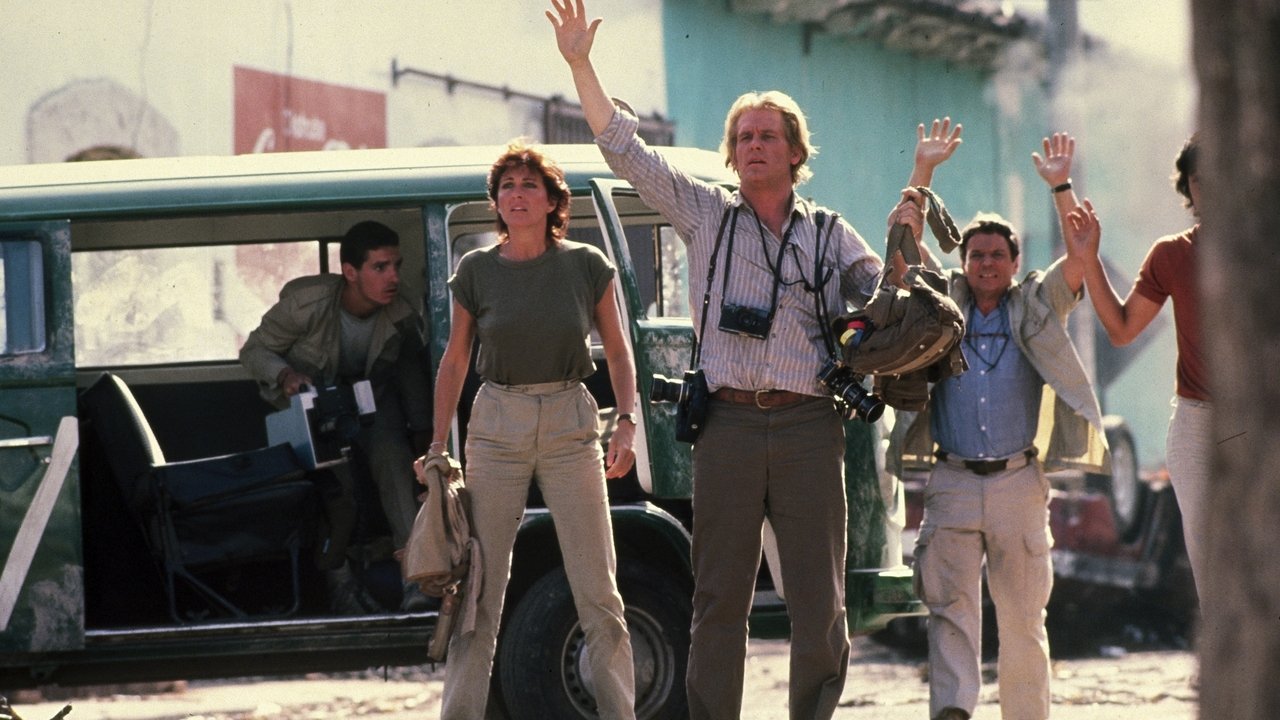
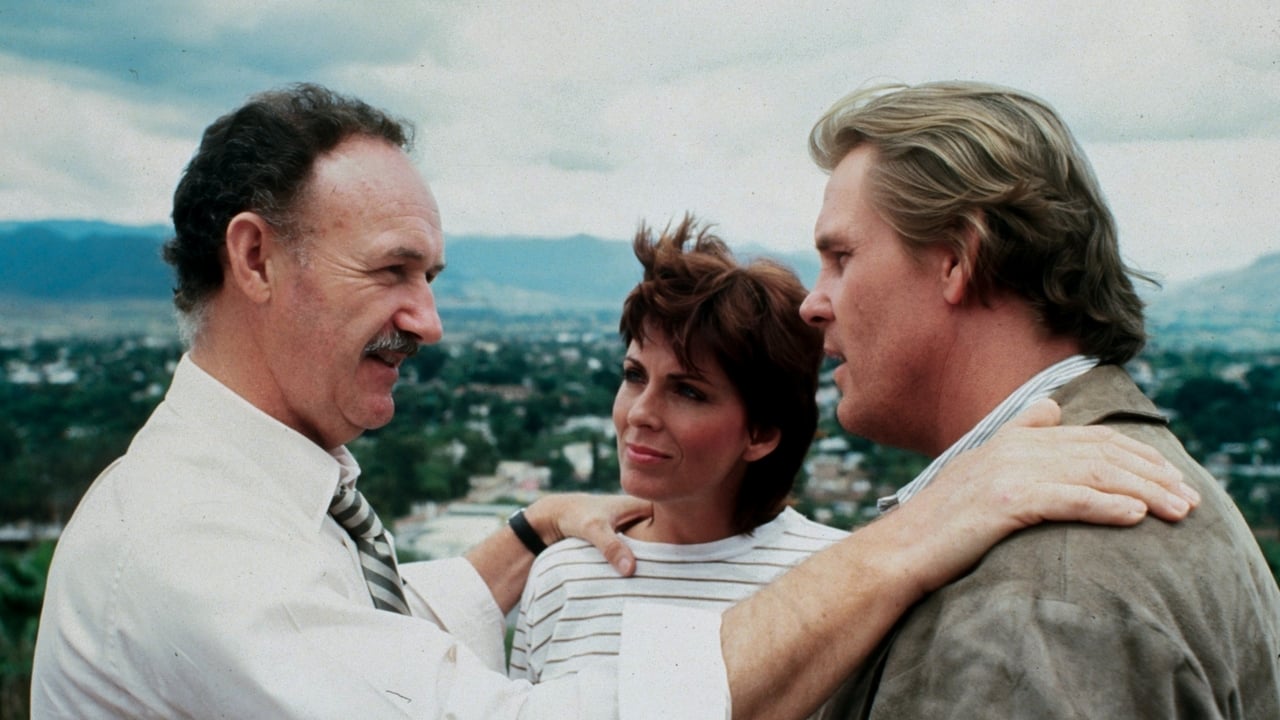
The film drops us directly into the final, chaotic days of the Nicaraguan Revolution. We follow seasoned photojournalist Russell Price (Nick Nolte, radiating a kind of weary grit), navigating the escalating conflict alongside radio correspondent Claire Stryder (Joanna Cassidy, sharp, intelligent, and wrestling with her own commitments) and veteran magazine journalist Alex Grazier (Gene Hackman, delivering a performance layered with warmth, professionalism, and a growing sense of unease). Their initial mission is straightforward journalistic coverage, capturing the fall of the Somoza regime. But the personal and political soon become dangerously entangled. Spottiswoode, who would later helm the Bond entry Tomorrow Never Dies (1997), crafts an atmosphere thick with humidity, dust, and the ever-present threat of violence. You can almost feel the oppressive heat radiating off the screen, the tension amplified by the sudden bursts of gunfire and the palpable fear in the eyes of ordinary people caught in the crossfire.
### The Weight of the Image
At its core, Under Fire grapples with the power and responsibility that comes with bearing witness. Nolte’s Price finds himself increasingly drawn into the Sandinista cause, culminating in a pivotal, ethically fraught decision involving a photograph that could alter the course of the revolution – and potentially influence American intervention. It’s a choice that forces him, and us, to question the very nature of journalistic neutrality. Is simply observing enough when faced with profound injustice? Or does the act of framing reality through a lens inevitably shape it? Nolte carries this internal conflict brilliantly; his face, often etched with sweat and grime, becomes a canvas for the moral struggle raging within. I recall finding his character frustratingly opaque on first viewing years ago, but now, his quiet intensity speaks volumes about the impossible choices faced.
Joanna Cassidy, often relegated to supporting roles, absolutely shines here. Her Claire is every bit as driven and capable as her male counterparts, navigating not just the physical dangers but also the complex emotional landscape involving both Price and Grazier. The chemistry between the three leads feels authentic, a bond forged in shared danger and professional respect, complicated by personal feelings. And Gene Hackman… well, he’s Gene Hackman. Even in a role that could have been just ‘the older mentor,’ he brings such nuanced depth. His Alex represents a more traditional journalistic ethos, a perspective that clashes poignantly with Price's eventual actions. Watching him realize the game has changed, and the potential cost, is quietly devastating.
### Crafting Authenticity Under Fire
The film’s power owes much to its grounded realism. Cinematographer John Alcott, legendary for his collaborations with Stanley Kubrick on films like Barry Lyndon (1975) and The Shining (1980), brings a gritty immediacy to the visuals. The handheld shots plunge you into the chaos, while the wider compositions capture the stark beauty and devastation of the landscape. Though set in Nicaragua, budgetary and safety concerns led the production to film primarily in Oaxaca and Chiapas, Mexico. The crew reportedly faced their own challenges, including navigating tricky political sensitivities and managing large-scale scenes involving crowds and simulated combat, adding another layer to the film's sense of lived-in authenticity.
The script, co-written by Ron Shelton (who’d later find fame writing and directing sports classics like Bull Durham (1988) and White Men Can't Jump (1992)) and Clayton Frohman, feels meticulously researched. It was directly inspired by the real-life experiences of journalists covering conflicts, particularly the tragic death of ABC correspondent Bill Stewart, who was executed by Somoza's National Guard soldiers in Managua in June 1979 – an event chillingly mirrored in the film. Under Fire is even dedicated to Stewart and journalist Georgie Anne Geyer. This grounding in reality prevents the film from ever feeling like just another action-thriller; the stakes feel terrifyingly real.
And then there’s the score. Jerry Goldsmith's haunting, Oscar-nominated music, particularly that unforgettable pan-pipe theme blended with Spanish guitar, is simply iconic. It perfectly encapsulates the film’s blend of beauty, danger, and melancholy, becoming almost inseparable from the images on screen. It’s one of those scores that instantly transports you back to the film's world.
### Lingering Questions
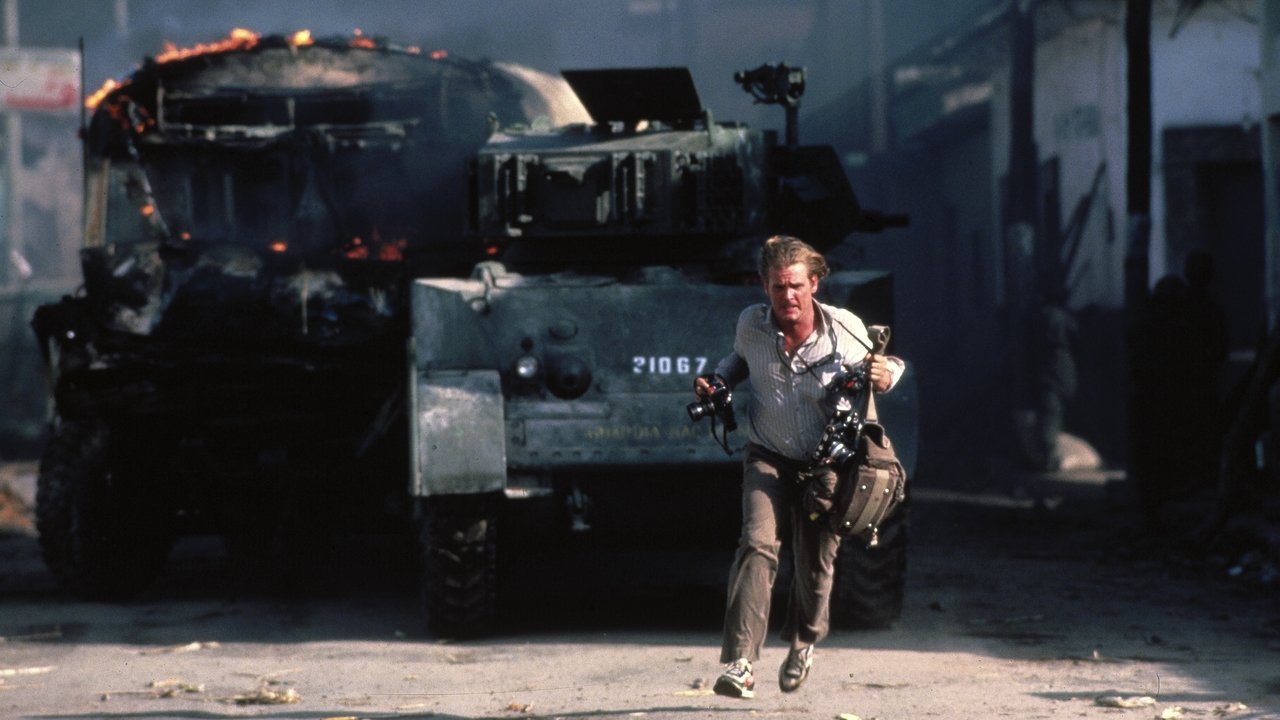
Under Fire wasn't a massive blockbuster – its $9.5 million budget yielded a modest, though respectable, $16 million or so at the box office – but its critical reception was strong, and its reputation has endured. It stands as a smart, tense, and morally complex thriller that avoids easy answers. It doesn’t offer simple heroes or villains, instead presenting flawed human beings caught in extraordinary circumstances, forced to make choices with potentially global consequences. Does the commitment to truth override all other considerations? What happens when that ‘truth’ becomes a weapon? These aren't just dramatic conceits; they are questions journalists, and indeed all of us navigating the modern media landscape, continue to grapple with.
Rating: 8.5/10
This rating reflects the film's powerful performances, particularly from the central trio, its gripping atmosphere, Spottiswoode’s taut direction, and its unflinching engagement with complex ethical themes. Alcott’s cinematography and Goldsmith’s score elevate it further. While perhaps overshadowed by later films tackling similar territory, Under Fire remains a potent and thought-provoking piece of 80s cinema, a standout thriller that truly sticks with you long after the credits roll and the VCR clicks off. It leaves you pondering not just the events on screen, but the very nature of how we perceive and report reality, a question that feels perpetually urgent.