There's a certain magic to stumbling upon a film like Éric Rohmer's Rendezvous in Paris (Les Rendez-vous de Paris, 1995) amidst the louder, more explosive fare that often dominated video store shelves in the mid-90s. It wasn't clamoring for attention with explosions or high-concept hooks. Instead, it offered something quieter, more observant: a triptych of Parisian moments, fleeting connections, and the intricate dance of human desire and indecision playing out against the backdrop of one of the world's most iconic cities. Watching it again now, it feels less like a typical movie night and more like eavesdropping on intimate conversations, catching glimpses of lives intersecting by pure chance.
Paris Through Rohmer's Lens
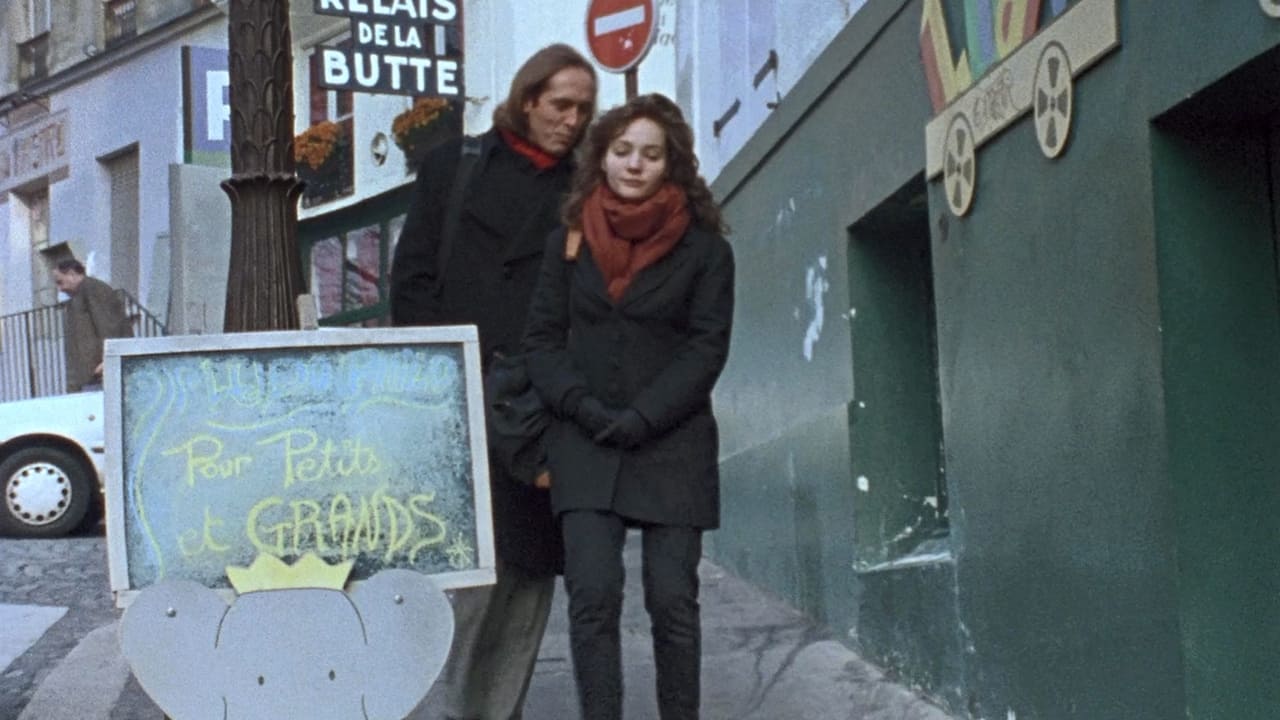
Rohmer, a key figure long after the initial splash of the French New Wave (think My Night at Maud's (1969) or his later "Comedies and Proverbs" series), always had a unique cinematic signature. His films are unmistakable: characters engage in long, searching conversations about love, ethics, and commitment, often while strolling through meticulously chosen, real-world locations. Rendezvous in Paris is quintessential Rohmer in this regard, presented as three distinct but thematically linked short stories, each exploring the possibilities and pitfalls that arise from unexpected encounters. He wasn't interested in grand melodrama; his focus was always on the subtle shifts in feeling, the unspoken thoughts betrayed by a glance or hesitation, the philosophical weight hidden within seemingly everyday chatter. It’s cinema as conversation, as observation, as a gentle exploration of the human heart.
Three Chances, Three Stories
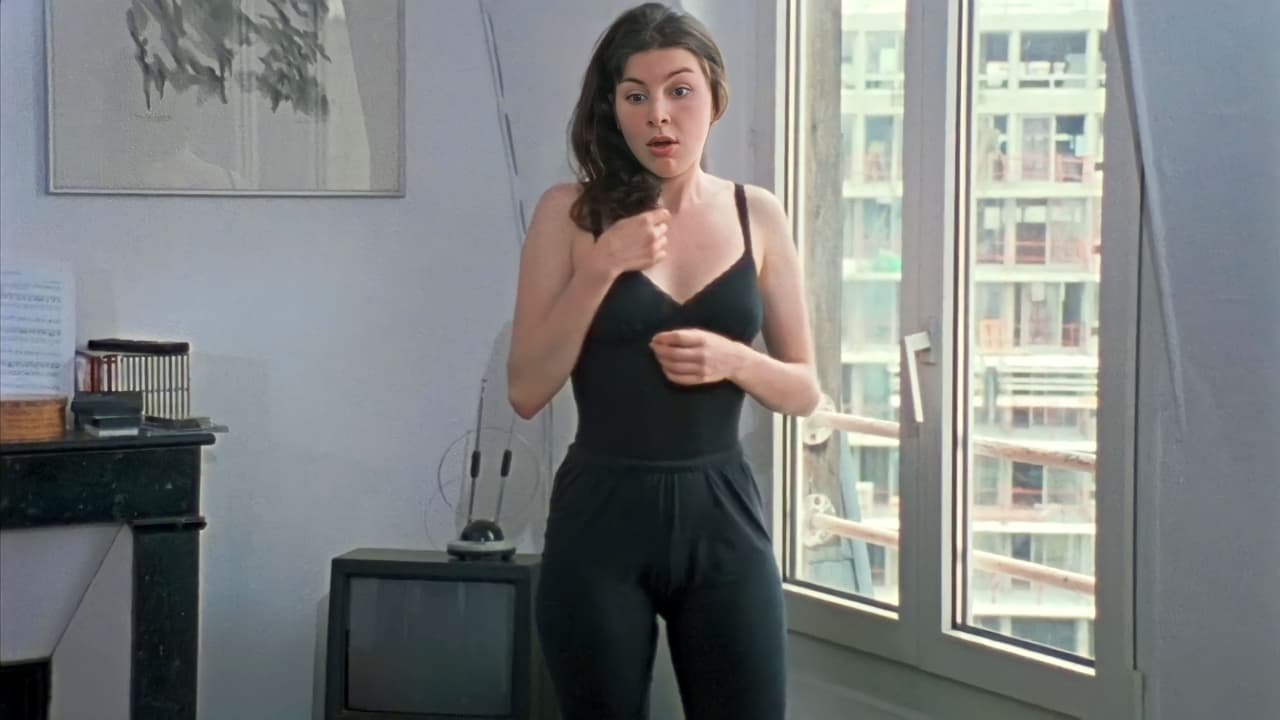
The first segment, "Le Rendez-vous de 7 heures" (The 7 p.m. Rendezvous), throws us immediately into a familiar Rohmerian dilemma. Esther (Clara Bellar) suspects her boyfriend is cheating. Her friend encourages her to test him, leading Esther into a series of encounters, including one with a stranger (Antoine Basler) in the bustling open-air market at Place d'Aligre. It’s a study in suspicion, temptation, and the games people play, perfectly capturing the slightly anxious energy of navigating young love in a city brimming with possibilities. Rohmer’s camera acts as a discreet observer, letting the natural rhythm of the street market and the characters’ evolving anxieties dictate the pace.
Then comes "Les Bancs de Paris" (The Benches of Paris), perhaps the most overtly philosophical of the three. A literature professor (Bénédicte Loyen) finds herself torn between her settled life with her fiancé and the allure of clandestine meetings in Paris's beautiful parks (like the Parc Montsouris and Parc des Buttes-Chaumont) with another man (Mathias Mégard). Their conversations circle endlessly around commitment, freedom, and the nature of love itself. Does the thrill of the forbidden outweigh the comfort of the known? It’s a talk-heavy piece, certainly, but the dialogue feels authentic, probing questions about relationships that resonate long after the segment ends. Rohmer masterfully uses the public intimacy of the park bench – a place for private thoughts in a shared space – as the perfect stage for their intellectual and emotional wrestling match.
Finally, "Mère et enfant 1907" (Mother and Child 1907) offers a slightly different flavour. A young painter (Serge Renko) is drawn to a striking young woman (Aurore Ruyter) he sees repeatedly near the Centre Pompidou and eventually follows her into the Musée Picasso. Their interaction is brief, sparked by a shared appreciation for Picasso's painting which gives the segment its title, but it hinges on a missed connection, a moment of potential left hanging. It’s a charming, slightly melancholic reflection on artistic inspiration, fleeting attraction, and the "what ifs" that pepper urban life. Rohmer reportedly chose the Picasso painting specifically for its ambiguity, mirroring the unresolved nature of the encounter itself.

The Art of Naturalism
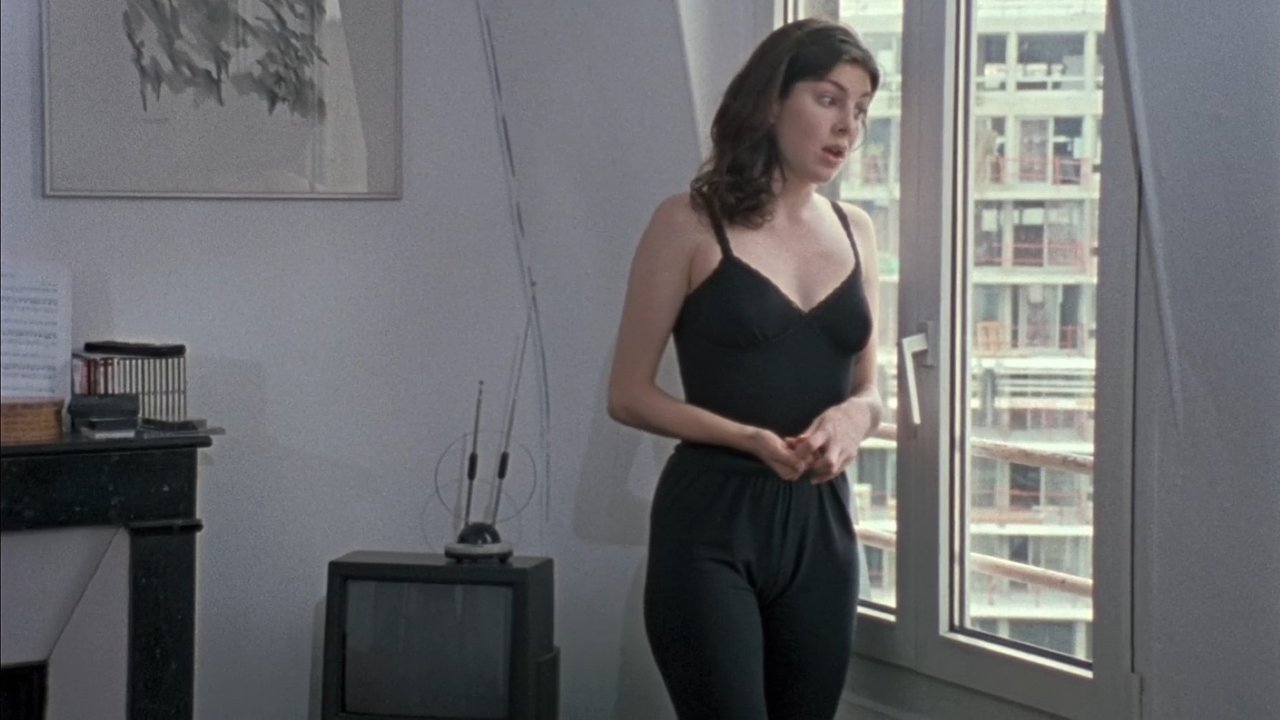
What unites these stories is Rohmer's unwavering commitment to a certain kind of realism. His sets are the actual streets, parks, and museums of Paris, captured often with natural light and minimal fuss. He famously worked with small crews, allowing for an intimacy and unobtrusiveness that let his actors, often lesser-known talents chosen for their naturalness, truly inhabit their roles. The performances across the board – from Clara Bellar's simmering jealousy to Bénédicte Loyen's intellectual uncertainty and Aurore Ruyter's enigmatic presence – feel grounded and believable. They aren't delivering lines so much as having conversations, complete with the pauses, overlaps, and occasional awkwardness of real speech.
Finding a Rohmer film on VHS back in the day often felt like uncovering a hidden gem, especially if your local store had a decent foreign film section. It was the antithesis of the Hollywood blockbuster – quiet, thoughtful, and demanding a different kind of attention. There were no car chases or explosions, just the intricate drama of human interaction. Rohmer’s production budgets were notoriously modest, a testament to his focused vision; he proved you didn't need spectacle to explore profound truths about relationships. Rendezvous in Paris, coming relatively late in his prolific career (he was 75 when it was released), showed he hadn't lost his touch or his fascination with the moral and romantic complexities of modern life.
The Verdict
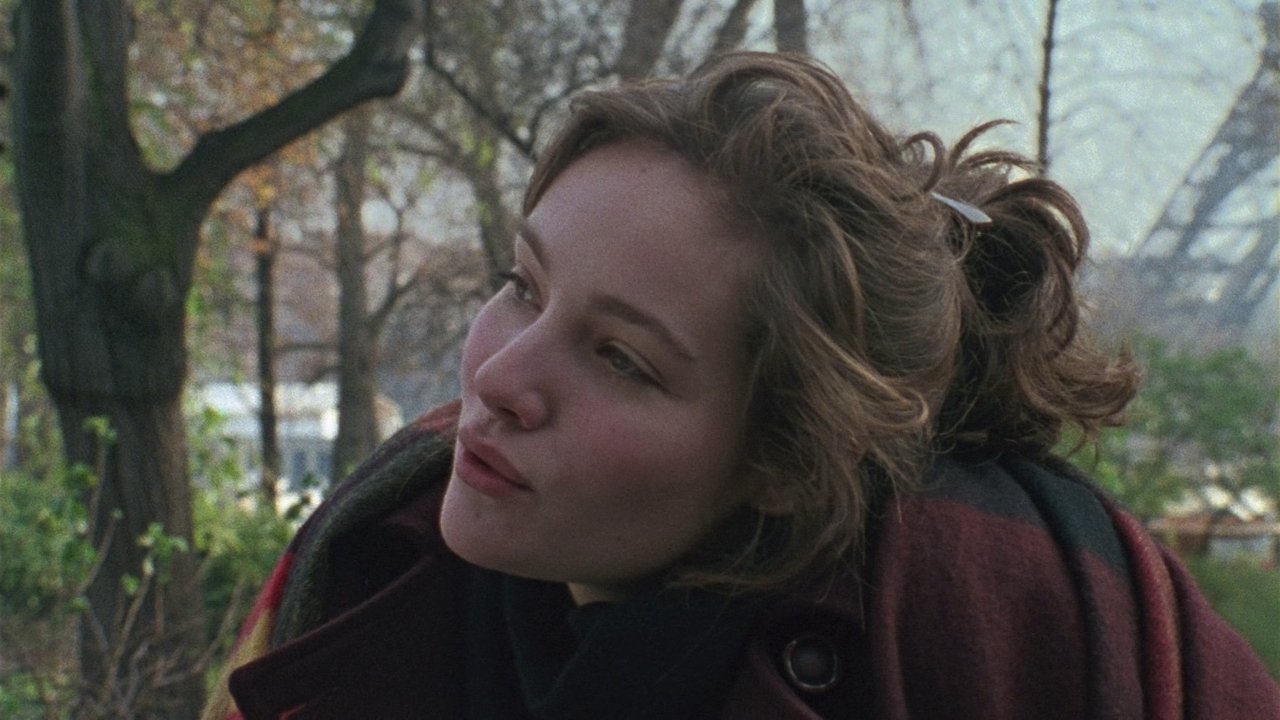
Rendezvous in Paris isn't likely to convert anyone not already attuned to Éric Rohmer's specific wavelength. It demands patience and an appreciation for dialogue-driven storytelling. Yet, for those willing to settle into its gentle rhythms, it offers a rich, rewarding experience. It's a film that captures the ephemeral nature of connection in a bustling city, the constant interplay of chance and choice, and the way intellectual ideas tangle with messy emotions. The three vignettes work beautifully together, creating a composite portrait of Parisian love and longing that feels both timeless and distinctly Rohmerian. It's intelligent, charming, and wonderfully observed – a perfect example of the kind of thoughtful, character-focused filmmaking that offered such a welcome counterpoint to the mainstream noise of the 90s. Finding this tape felt like a small victory, a reminder of the diverse cinematic world waiting beyond the New Releases wall.
Rating: 8/10
This film is a beautifully crafted reminder that sometimes the most compelling stories are found not in grand gestures, but in the quiet conversations and missed glances that happen every day on the streets of a city like Paris. What subtle moments define our own paths, unnoticed at the time?