What sharpens faster than a guillotine's blade and cuts deeper than any surgeon's knife? In the gilded cage of Versailles, just years before the revolution would tear it all down, the answer was simple: wit. Ridicule (1996), Patrice Leconte's acerbic and intoxicating period drama, plunges us headfirst into this world where a misplaced word could mean social oblivion, and a perfectly timed bon mot could unlock the doors to power. Discovering this film back in the day, perhaps tucked away in the foreign language section of the video store, felt like uncovering a hidden jewel – a sophisticated, biting commentary wrapped in the opulent silks and powdered wigs of the Ancien Régime.
### The Currency of Cruelty
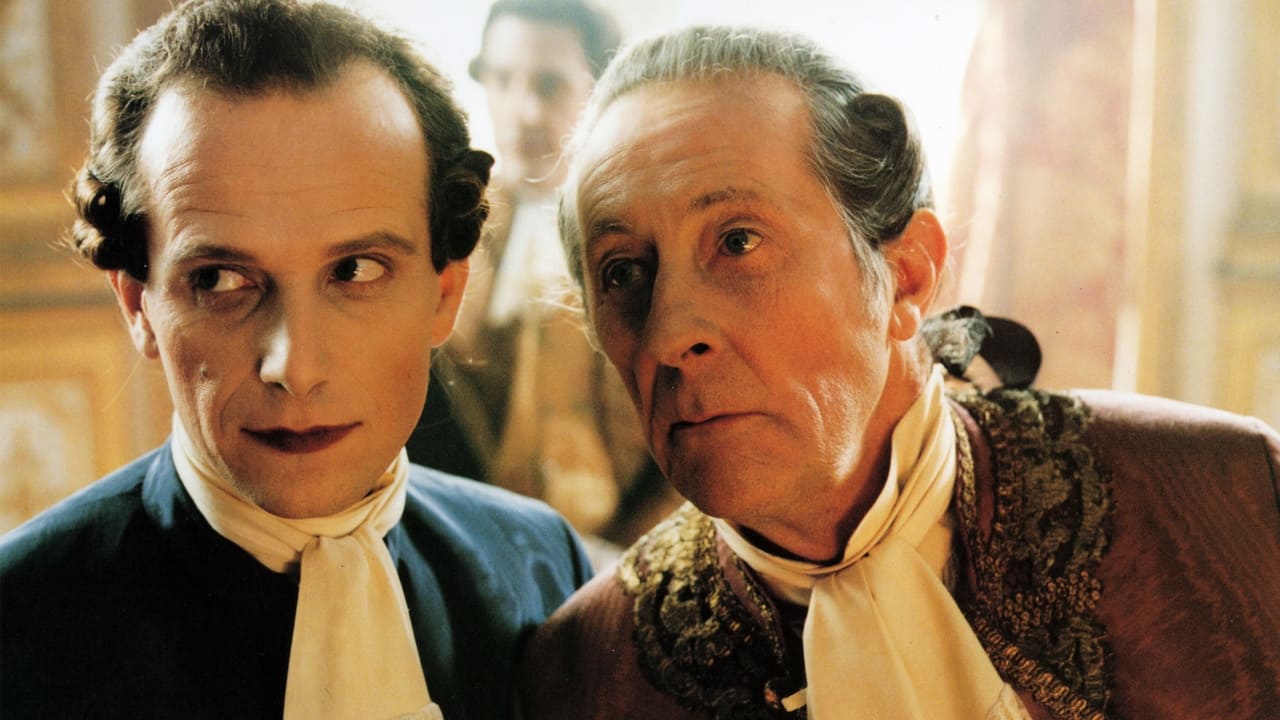
The premise is deceptively straightforward. Grégoire Ponceludon de Malavoy (Charles Berling), a minor provincial nobleman with an earnest heart and a pressing engineering project – draining the disease-ridden swamps plaguing his people – arrives at the court of Louis XVI. He quickly learns that royal favor isn't won through petitions or sound arguments, but through navigating the treacherous currents of courtly conversation. To gain an audience with the King and secure funding, he must master the art of esprit – the lightning-fast exchange of clever, often cruel, witticisms. Failure means becoming the object of ridicule, a fate worse than poverty for these courtiers. It’s a stark reminder, isn't it? How often do we still see public discourse devolve into contests of put-downs rather than exchanges of substance?
Berling, relatively unknown to international audiences at the time compared to his co-stars, is magnificent as Ponceludon. He perfectly captures the initial wide-eyed idealism gradually hardening into the necessary cynicism required for survival. You see the internal struggle playing out on his face – the compromise of his integrity weighed against the genuine needs of his people. It’s a performance grounded in a recognizable human dilemma: how much of oneself does one sacrifice for a perceived greater good?
### Masters of the Game
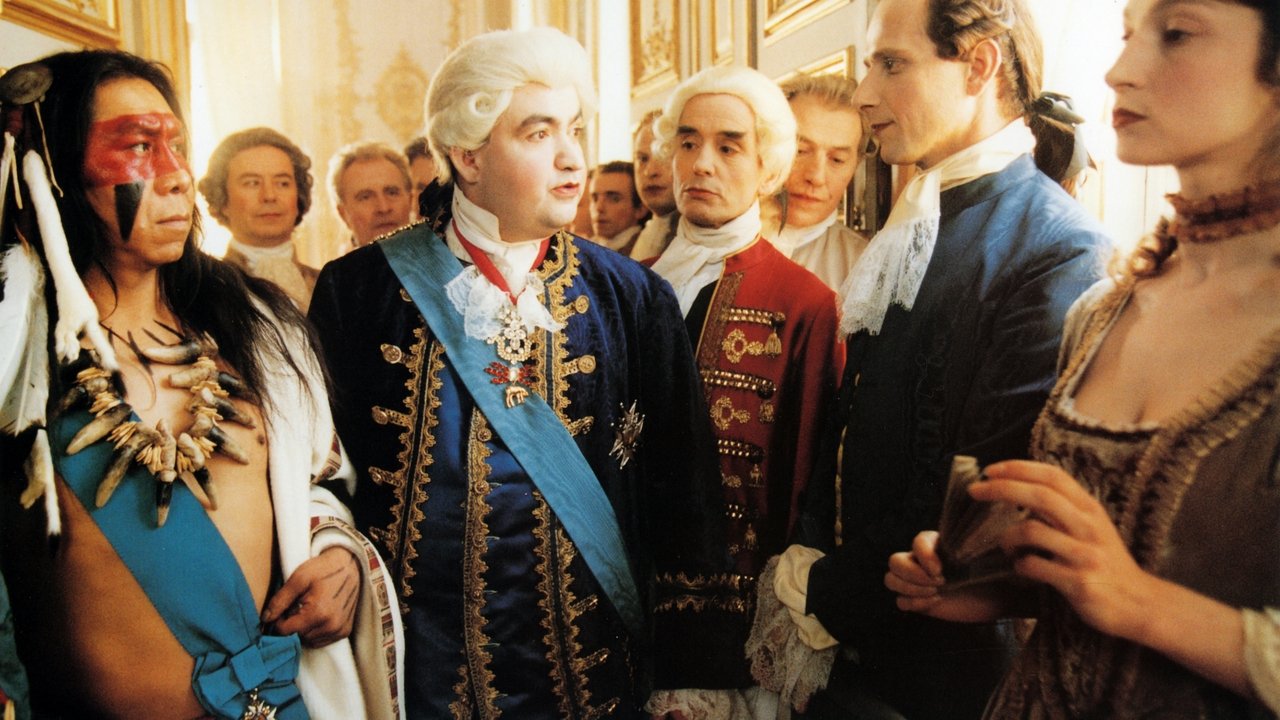
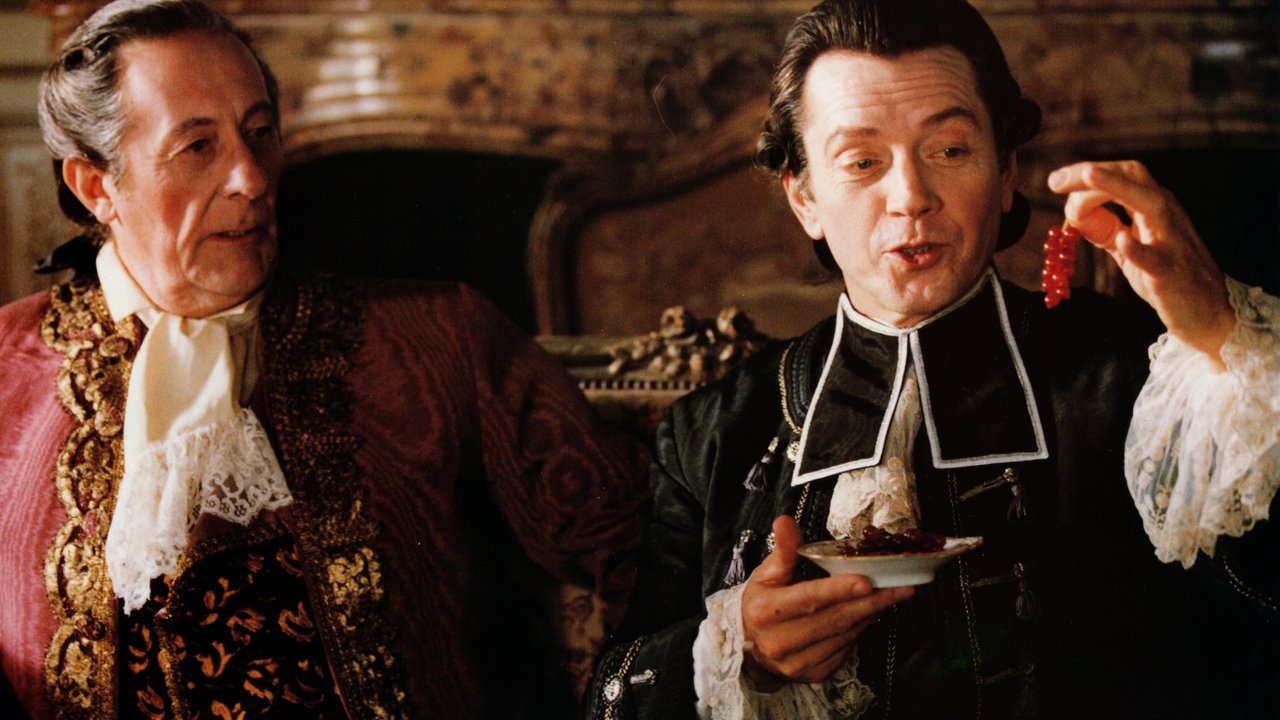
Surrounding Ponceludon are veterans of this dangerous game. The Marquis de Bellegarde, played by the legendary Jean Rochefort (unforgettable in films like The Hairdresser's Husband, also by Leconte, and The Tall Blond Man with One Black Shoe), becomes Ponceludon's reluctant mentor. Rochefort, who apparently hesitated to take the role due to health issues but thankfully reconsidered, embodies the weary soul who has seen it all. His Marquis is outwardly cynical and deeply melancholic, dispensing advice with a sigh, knowing the hollowness of the world Ponceludon seeks to conquer. Every line delivery feels weighted with experience, a masterclass in understated performance.
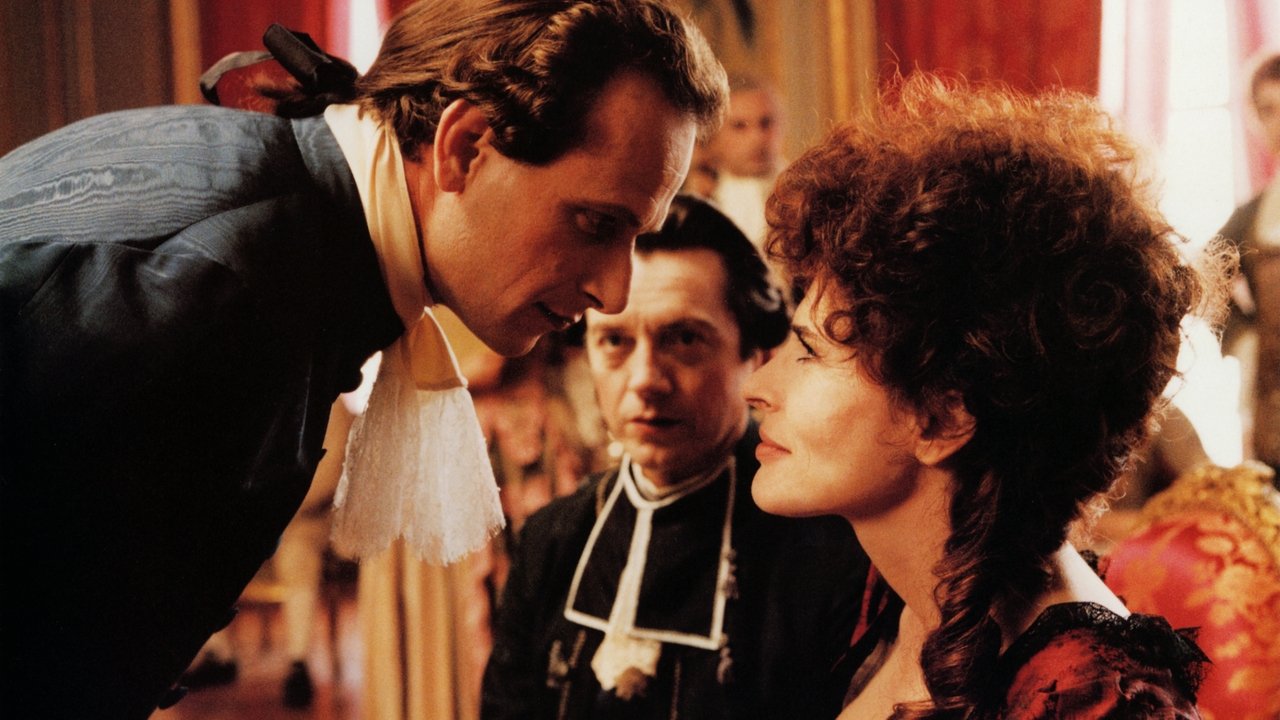
Then there is the Countess de Blayac, brought to life with captivating complexity by Fanny Ardant (8 Women, The Woman Next Door). She is a powerful figure in the court, a widow who wields influence and allure with equal measure. Ardant imbues her with intelligence, ambition, and a vulnerability hidden beneath layers of calculated charm. Her relationship with Ponceludon is a complex dance of attraction, manipulation, and perhaps even genuine affection, making her one of the film's most fascinating characters.
### More Than Just Words
Patrice Leconte, known for his ability to shift seamlessly between genres, directs with a keen eye for both the glittering surface and the rot underneath. The film looks stunning – the costume design and art direction deservedly swept the Césars (France's equivalent of the Oscars) that year, alongside Best Film and Best Director wins. It’s a visual feast that meticulously recreates the suffocating opulence of Versailles. Yet, Leconte never lets the spectacle overshadow the human drama or the film's sharp critique. The camera often lingers on faces, capturing the flicker of fear behind a forced smile or the calculation in a seemingly casual glance.
Interestingly, while the film portrays the pinnacle of French aristocratic culture, its arrival felt somewhat counter-current to the louder, effects-driven blockbusters dominating multiplexes in the mid-90s. Ridicule cost a respectable $7 million or so to make and became a critical and commercial success, particularly in France, even securing an Oscar nomination for Best Foreign Language Film. It proved there was still a significant audience hungry for intelligent, character-driven historical drama. The script, penned by Rémi Waterhouse with collaborators, underwent meticulous research to capture the specific verbal jousting style, known as esprit, prevalent at the time. It wasn't just about being funny; it was about precise, lethal elegance in conversation.
One fascinating detail often overlooked is how the film uses language itself as a set piece. The verbal duels are staged with as much tension and consequence as any physical confrontation in an action film. A pause, a hesitation, the wrong inflection – these are the moments where fortunes are won or lost. It's a film that truly listens to its characters, understanding that their words carry immense weight.
### The Lingering Echo
What stays with you long after the credits roll on Ridicule? It's the chilling depiction of a society so obsessed with appearance and cleverness that it becomes blind to its own impending doom. The plight of Ponceludon's people, suffering from diseases bred in the swamps, is a constant, almost unheard, counterpoint to the sparkling, empty wit of the court. The film asks profound questions about the nature of progress, the price of ambition, and the corrupting influence of power structures built on exclusion and superficiality. Doesn't that echo still resonate today, in our own age of curated online personas and performative social interactions?
Ridicule isn't just a lavish period piece; it's a timeless satire and a compelling human drama. It uses the specific historical context of pre-revolutionary France to explore universal anxieties about status, integrity, and the often-absurd ways humans compete for favour and validation. It was a standout title on the rental shelves, offering a depth and intelligence that felt both refreshing and deeply rewarding.
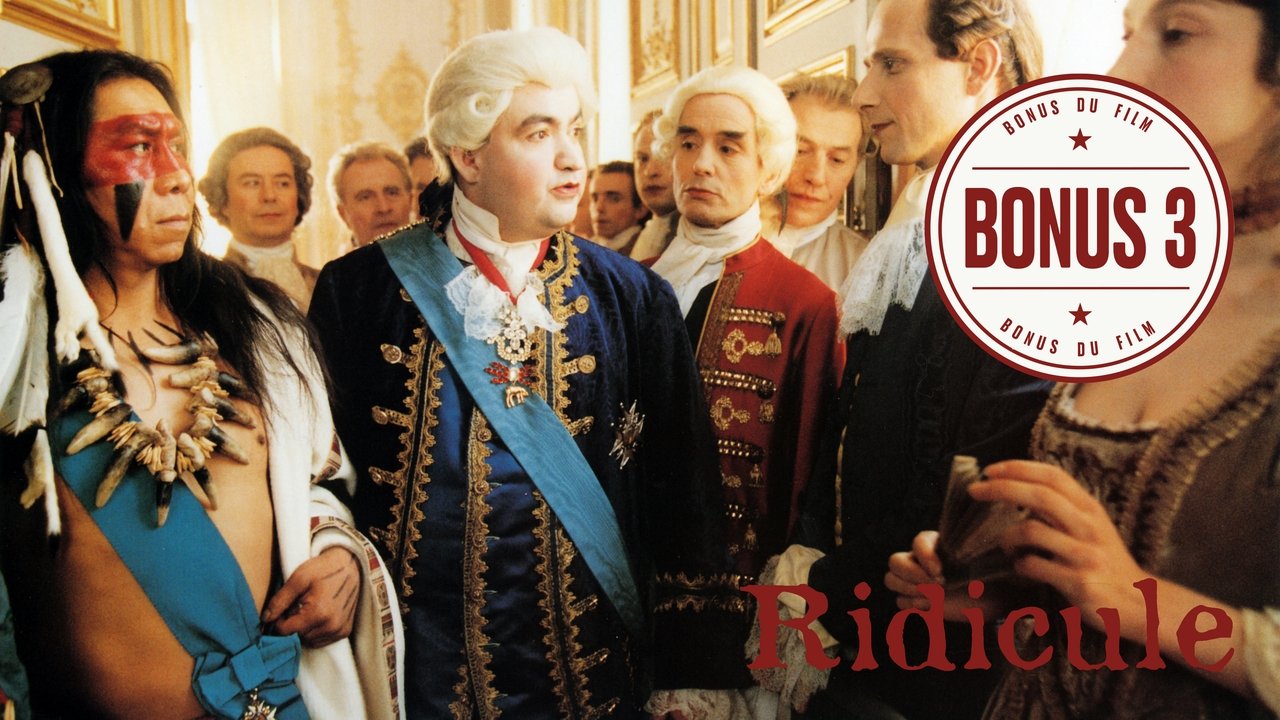
Rating: 9/10
This rating reflects the film's superb script, impeccable performances (especially from Berling, Rochefort, and Ardant), masterful direction, and stunning production values. It achieves a near-perfect balance of historical immersion, biting social commentary, and compelling character study. It only narrowly misses a perfect score perhaps because the very specificity of its world might feel slightly remote to some viewers initially, though its themes remain powerfully relevant.
Final Thought: A film as sharp, elegant, and ultimately devastating as the wit it portrays, Ridicule reminds us that words can build empires, but they can also be the first stones to crumble when reality finally breaks through.