Here’s a potential review for "VHS Heaven":
***
It’s a strange thing, isn’t it, how some films lodge themselves in your memory not for a grand plot or dazzling spectacle, but for a specific feeling, a distinct, almost uncomfortable intimacy? Sleep with Me (1994) is precisely that kind of movie. Watching it again after all these years feels less like revisiting a story and more like stepping back into a hazy, smoke-filled party populated by people wrestling, often gracelessly, with love, friendship, and the messy grey areas in between. What makes it particularly curious, and perhaps contributes to its slightly disjointed yet compelling rhythm, is knowing it was stitched together by six different writers, each tackling a distinct social gathering within the narrative. Does this experimental approach fully succeed? Well, that’s a conversation worth having.
Six Parties and a Proposal
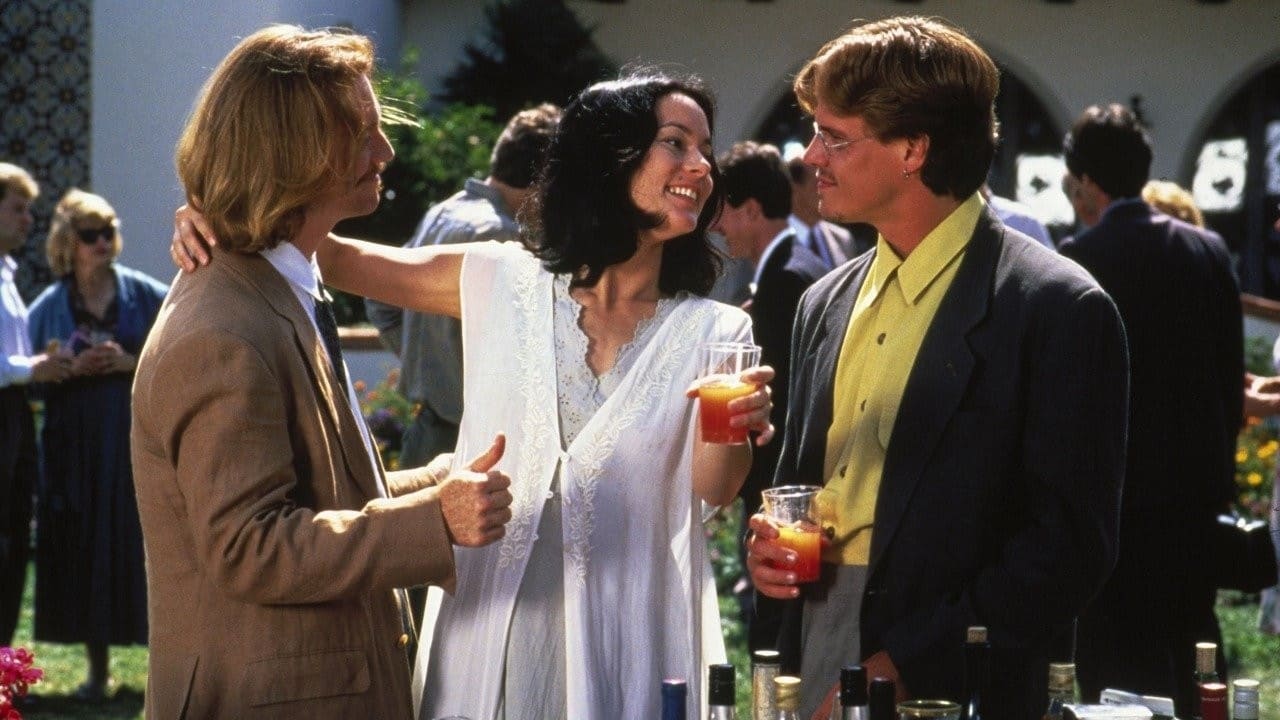
The premise is deceptively simple: Joseph (Eric Stoltz) proposes to Sarah (Meg Tilly), much to the quiet devastation of their mutual best friend, Frank (Craig Sheffer), who has long harboured feelings for Sarah. The film then unfolds episodically, charting the course of their relationships – and those of their surrounding friends – through a series of six distinct social events: engagement drinks, a bachelor party, a bachelorette party, the wedding rehearsal, the wedding itself, and finally, a first anniversary party. It’s a structure that feels both ambitious and inherently limiting, offering snapshots rather than a continuous flow, focusing intensely on conversations, confrontations, and simmering resentments that bubble up when people gather, drink, and let their guards down.
The Elephant in the Room (Wearing Sunglasses Indoors)
Let’s address the moment everyone remembers, the scene that likely drew more eyes to this modest indie flick than anything else: Quentin Tarantino's extended cameo. Playing the character Sid, Tarantino launches into an impassioned, now-legendary monologue dissecting Top Gun as a subconscious story about Maverick grappling with his homosexuality. It’s pure, uncut Tarantino – verbose, culturally specific, and delivered with that characteristic motor-mouthed energy. It’s undeniably electric and easily the film’s most famous sequence. Yet, does it truly belong? Dropped into the middle of a relationship drama, it feels like a brilliant, bizarre non-sequitur, a jolt of high-octane theorizing that momentarily hijacks the film entirely. It’s a fascinating artifact of Tarantino’s burgeoning superstardom (he apparently wrote the scene himself, uncredited, as a favour) and a guaranteed conversation starter, but its narrative integration remains debatable. It’s almost too memorable, threatening to eclipse the subtler currents running through the rest of the movie.
Navigating the Awkward Triangle
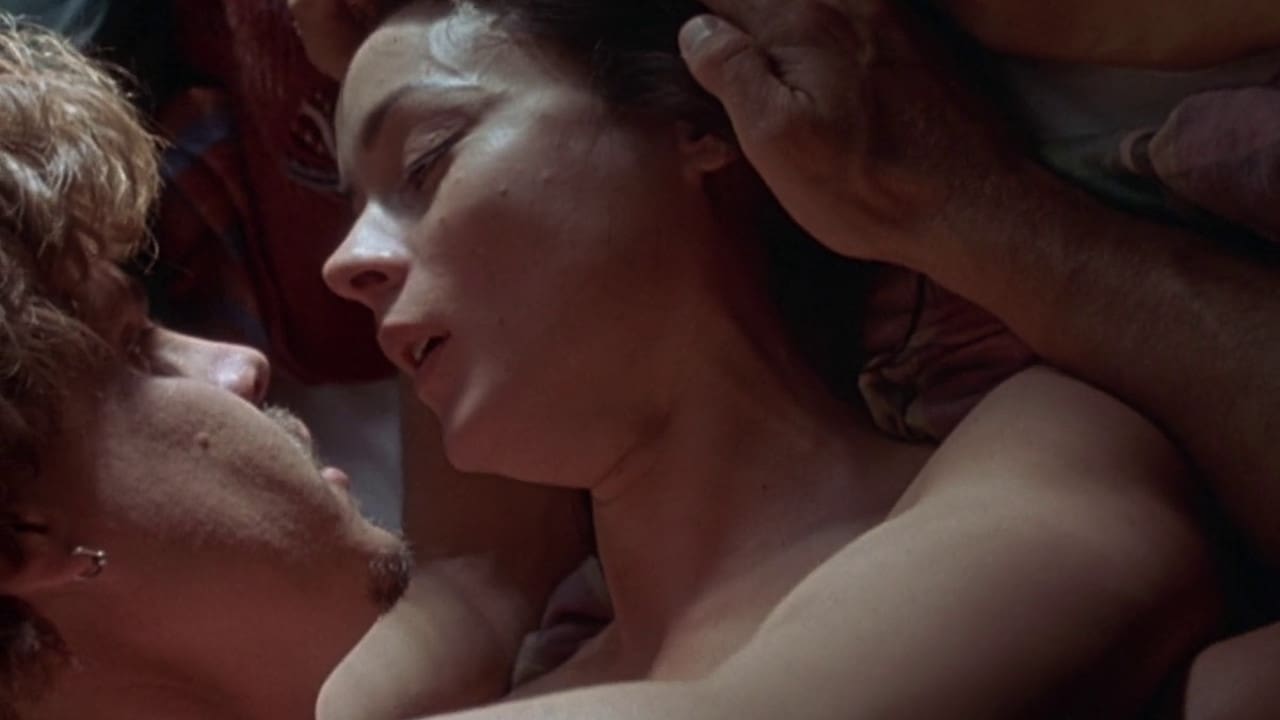
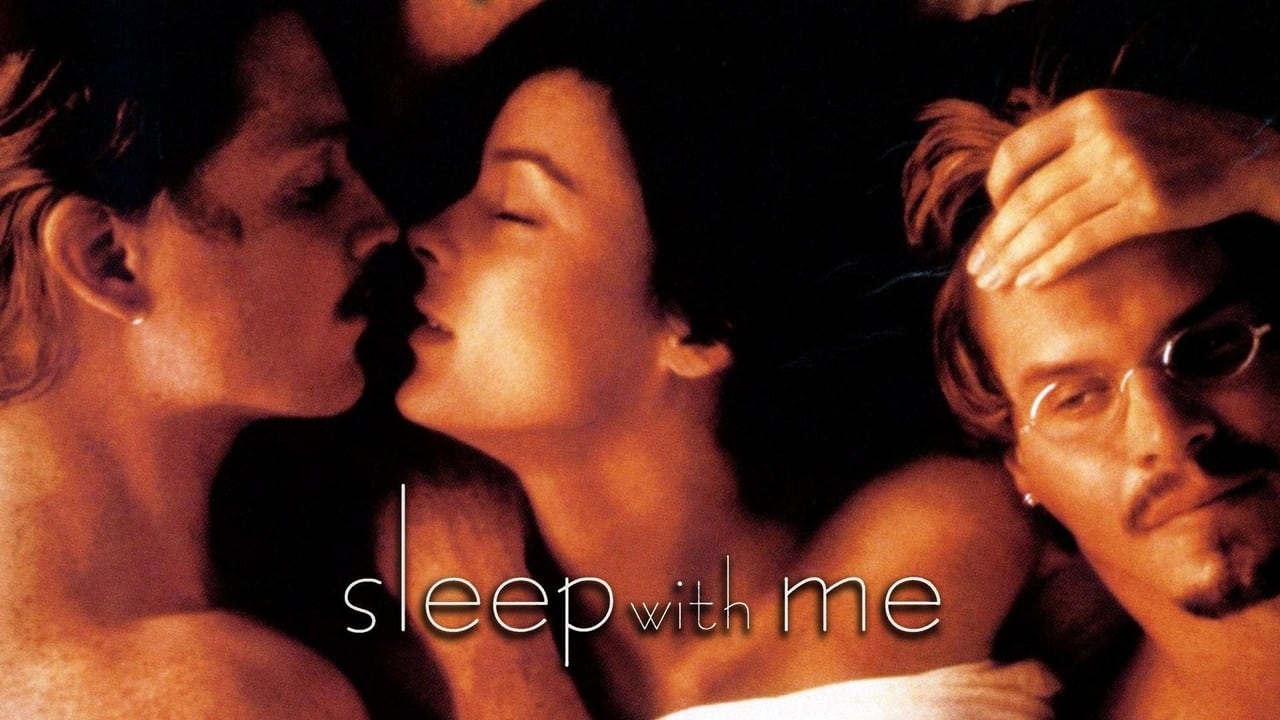
Beyond the famous cameo, the film rests on the shoulders of its central trio. Eric Stoltz, a ubiquitous face in 90s independent cinema after Pulp Fiction (ironically, given the Tarantino connection here) and films like Killing Zoe (1993), embodies Joseph’s amiable, slightly oblivious nature. He’s the “good guy,” yet there’s a nagging passivity to him that makes Frank’s festering resentment almost understandable. Meg Tilly, who brought such haunting vulnerability to roles like Agnes of God (1985), feels somewhat adrift as Sarah. The script doesn't always give her the depth needed to fully explore the complexities of being caught between these two men; she often seems more like a focal point for their issues than a fully realized character navigating her own choices. Craig Sheffer, often playing brooding types (think A River Runs Through It (1992)), effectively conveys Frank’s angst and longing, though the character occasionally tips into pure self-pity. Their interactions capture the painful awkwardness of unresolved history and unspoken desires, but the chemistry sometimes feels more like shared discomfort than deep, complicated affection.
A Portrait of Gen X Indecision?
Directed by Rory Kelly, Sleep with Me possesses that quintessential 90s indie aesthetic – talky, character-focused, shot with available light intimacy, and deeply interested in the emotional landscapes of its twenty-something characters. It taps into a certain generational ennui, a feeling of being caught between youthful ideals and the encroaching compromises of adulthood. The collaborative script, while offering varied perspectives, sometimes leads to tonal inconsistencies. Some scenes crackle with sharp observation, others meander, feeling like overheard snippets of conversations that don't quite coalesce. Yet, there's an undeniable authenticity to its portrayal of social dynamics – the forced pleasantries, the passive-aggressive digs, the way long-held grievances erupt under pressure. It feels less like a tightly plotted drama and more like eavesdropping, for better or worse. Was this film trying to say something profound about relationships, or merely observe their often messy, unsatisfying reality?
Retro Fun Facts
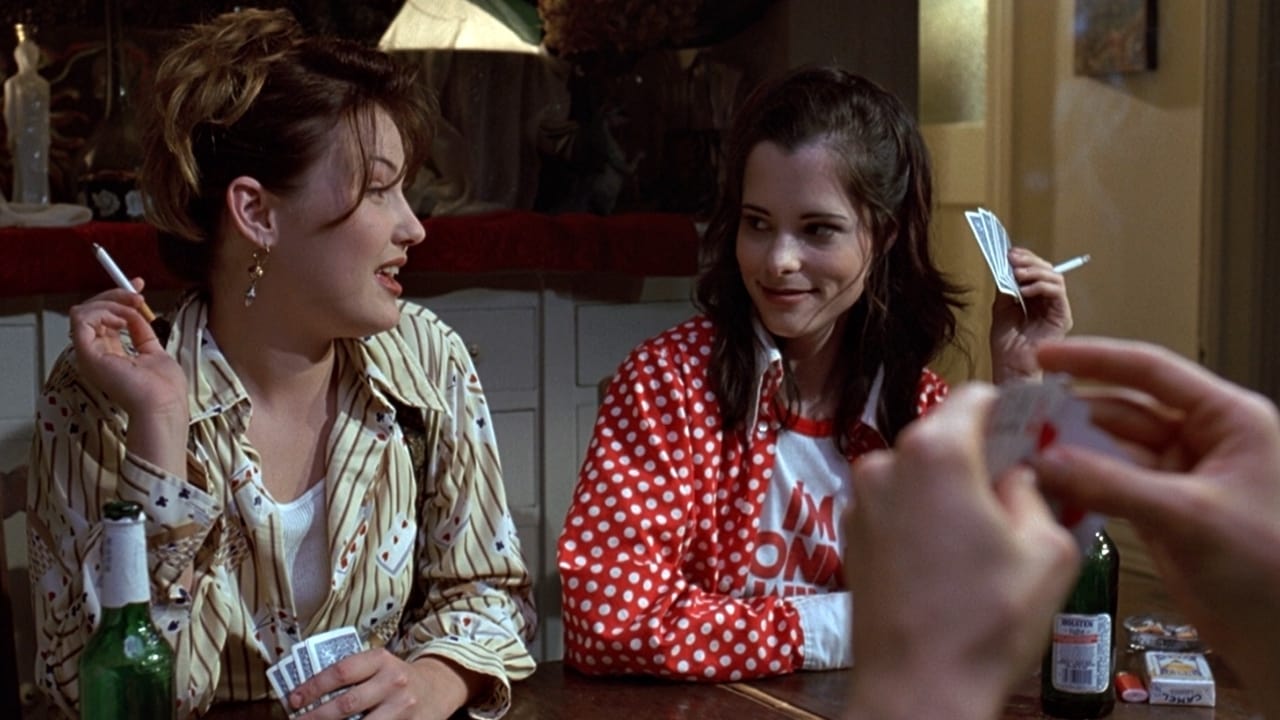
Beyond the Tarantino scene, the multi-writer approach (including contributions from director Kelly, Joe Keenan of Frasier fame, and others) is the film’s most notable production quirk. It’s a testament to the collaborative spirit (or perhaps chaotic nature) of indie filmmaking back then. Parker Posey also pops up in a small but memorable role, cementing the film's 90s indie credentials. I recall finding this tape nestled in the "Drama" section of my local video store, its unassuming cover giving little hint of the famous cameo hidden within. It wasn’t a blockbuster, but it felt like the kind of film people talked about, especially after Tarantino’s monologue started making waves.
Final Thoughts
Sleep with Me is a curious artifact of its time. It's ambitious in structure, occasionally insightful in its observations of human behaviour, but also uneven and sometimes frustratingly navel-gazing. The performances capture a certain truth about youthful confusion and romantic entanglement, even if the characters aren't always sympathetic. And then there's that scene, a cinematic tangent so audacious it almost becomes the entire point. Does it hold up? As a snapshot of 90s indie filmmaking and relationship angst, absolutely. As a perfectly cohesive drama, perhaps less so.
Rating: 6/10
The score reflects the film's intriguing structural experiment and moments of genuine observation, anchored by committed performances and that unforgettable monologue. However, its unevenness, underdeveloped central female character, and tendency to meander prevent it from reaching classic status. It remains a fascinating, flawed piece – a conversation starter, much like the parties it depicts, leaving you with lingering questions and a distinct sense of 90s melancholy. It's definitely worth revisiting, if only to ponder how much of Top Gun is really about beach volleyball.