It’s a rare and wonderful thing when a film simply decides to present love – familial, romantic, searching – without unnecessary fanfare or judgement. Watching The Sum of Us again after all these years, pulling that familiar tape from its worn cardboard sleeve, feels less like revisiting a movie and more like checking in with old friends. There’s an unassuming honesty to this 1994 Australian gem that cuts through the noise, focusing squarely on the quiet, powerful bond between a father and his son.

An Open Heart in Balmain
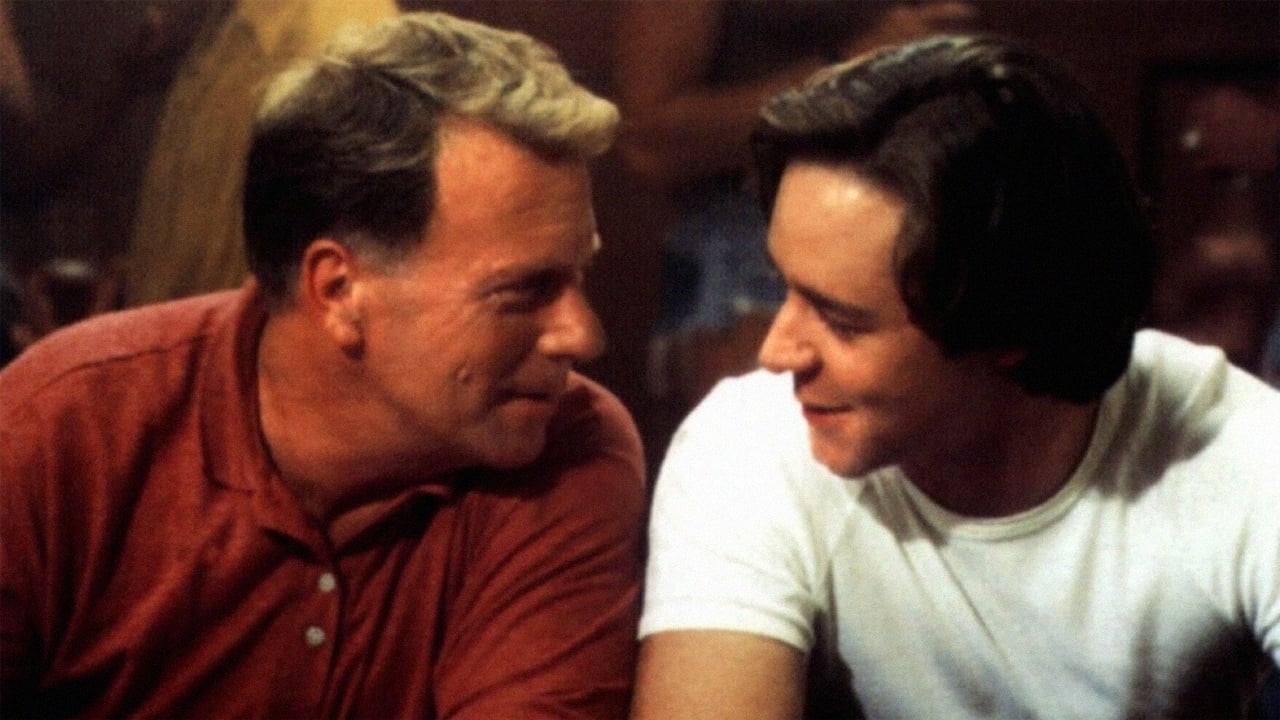
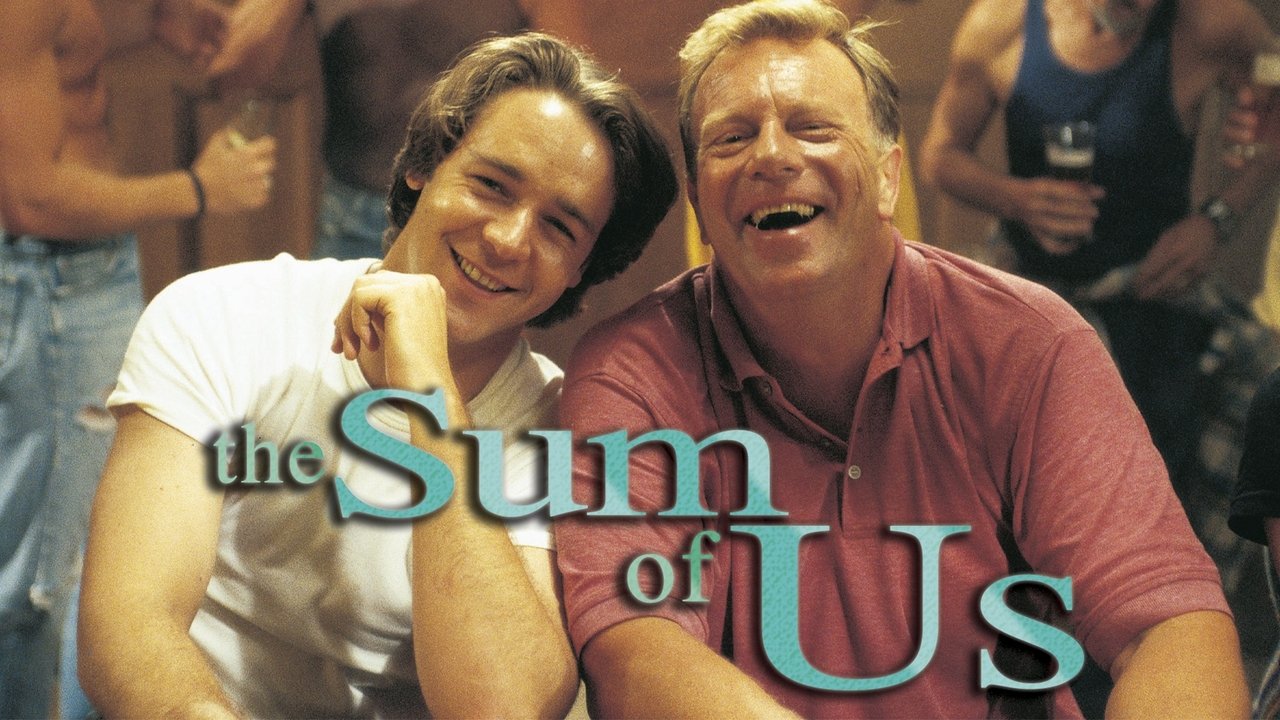
What immediately sets The Sum of Us apart, especially looking back from our current vantage point, is the relationship between Harry Mitchell (Jack Thompson) and his son Jeff (Russell Crowe). Harry, a widower navigating life in Sydney's inner west, isn't just tolerant of Jeff being gay; he's actively, almost comically, supportive in his search for a partner. He buys him queer magazines, offers unsolicited dating advice ("Don't want someone who's neurotic... neurotic people make me nervous!"), and openly quizzes potential boyfriends. It’s played not for shock value, but for warmth and gentle humour. This portrayal felt refreshingly grounded back in the mid-90s, a time when on-screen depictions of LGBTQ+ lives often leaned towards tragedy or stereotype. Here was a father whose love was simply unconditional, a given.
Jack Thompson delivers a performance that feels less like acting and more like embodying pure, unadulterated decency. His Harry is gruffly affectionate, pragmatic, and possessed of a deep well of empathy, likely deepened by the loss of his wife years prior. Thompson, a true legend of Australian cinema (think Breaker Morant (1980) or The Man from Snowy River (1982)), makes Harry utterly believable – a working-class bloke whose acceptance isn't rooted in political correctness, but in simple, profound love for his child. It's the bedrock upon which the entire film rests.
Before Gladiator Roared
And then there's Russell Crowe. Watching this now, it’s fascinating to see him pre-Hollywood superstardom, before the intensity of Romper Stomper (1992) fully morphed into the brooding figures of L.A. Confidential (1997) or Gladiator (2000). As Jeff, Crowe is remarkably sensitive and vulnerable. He carries the weight of searching for connection, the sting of rejection (particularly in his relationship with Greg, played thoughtfully by John Polson, who himself later turned director with films like Swimfan (2002)), and the comfortable, yet occasionally awkward, reality of his father's unwavering support. There's a quiet naturalism to his performance here, a portrayal of ordinary longing that resonates deeply. It's a reminder of the range he possessed early on.
The film itself was adapted by David Stevens (who also penned the script for Breaker Morant) from his own successful stage play. This theatrical origin sometimes surfaces in the dialogue-heavy scenes, but directors Kevin Dowling (making his feature debut) and veteran cinematographer Geoff Burton (who lensed classics like Storm Boy (1976)) manage to open it up beautifully, capturing the specific atmosphere of suburban Sydney – the pubs, the football fields, the quiet streets. It feels lived-in and authentic, grounding the emotional story in a tangible place. Apparently, finding the right tone, balancing the humour and the heart without tipping into sitcom territory, was a key challenge translating it from stage to screen.

Life Throws a Curveball
(Minor Spoilers Ahead!)
The Sum of Us isn't solely focused on Jeff's journey. Harry, too, is looking for companionship, finding a potential match in Joyce (Deborah Kennedy). Her conventional background and initial discomfort with Jeff’s sexuality provide a necessary counterpoint to Harry’s ease, reflecting the societal hurdles still prevalent then (and arguably, now). This subplot adds depth, exploring love and acceptance beyond the central father-son dynamic.
The film takes a significant turn later on, introducing a dramatic event that shifts the focus and tests the resilience of their bond in a new way. This shift is handled with the same emotional honesty that defines the earlier parts of the film. It avoids melodrama, focusing instead on the practical and emotional implications, forcing both father and son to find a new equilibrium. It’s here that the performances, particularly Thompson's, take on an even deeper poignancy.
Why It Endures
What lingers most about The Sum of Us is its profound simplicity and warmth. It presents a vision of acceptance that feels both aspirational and achievable. It doesn’t shy away from the hurts and complexities of relationships, but its core message is one of enduring love trumping prejudice and hardship. Does it feel a little ‘of its time’? Perhaps in some minor details, the fashion, the specific cultural references. But the central human story? That feels timeless. It’s a film that trusts its characters and its audience, offering a gentle, affecting slice of life that leaves you feeling hopeful. Pulling this one off the shelf felt like a comforting hug from the past.
Rating: 8.5/10
This score reflects the film's powerful emotional core, outstanding lead performances (especially Jack Thompson's defining turn and Russell Crowe's early sensitivity), and its refreshingly positive and humane approach to its themes. While perhaps modest in scope, its execution is deeply affecting and its central relationship remains a benchmark of on-screen familial love.
It’s a quiet film that speaks volumes, reminding us that sometimes the greatest strength lies simply in accepting and loving the people around us, exactly as they are. A true treasure from the Aussie VHS archives.