It begins, as so many ventures do, with ambition. A simple desire to build something, to carve out a niche in a world suddenly brimming with possibilities. But what happens when that initial spark of hope ignites not success, but a terrifying, suffocating darkness? Krzysztof Krauze’s 1999 Polish thriller Dług (internationally known as The Debt) doesn't just explore this question; it drags you into the chilling abyss alongside its protagonists, leaving you shaken and grappling with uncomfortable truths long after the credits fade. This wasn't your typical Friday night rental, easily forgotten by Saturday morning; this was a film that, once seen, etched itself into your memory.
### The Grip of Fear
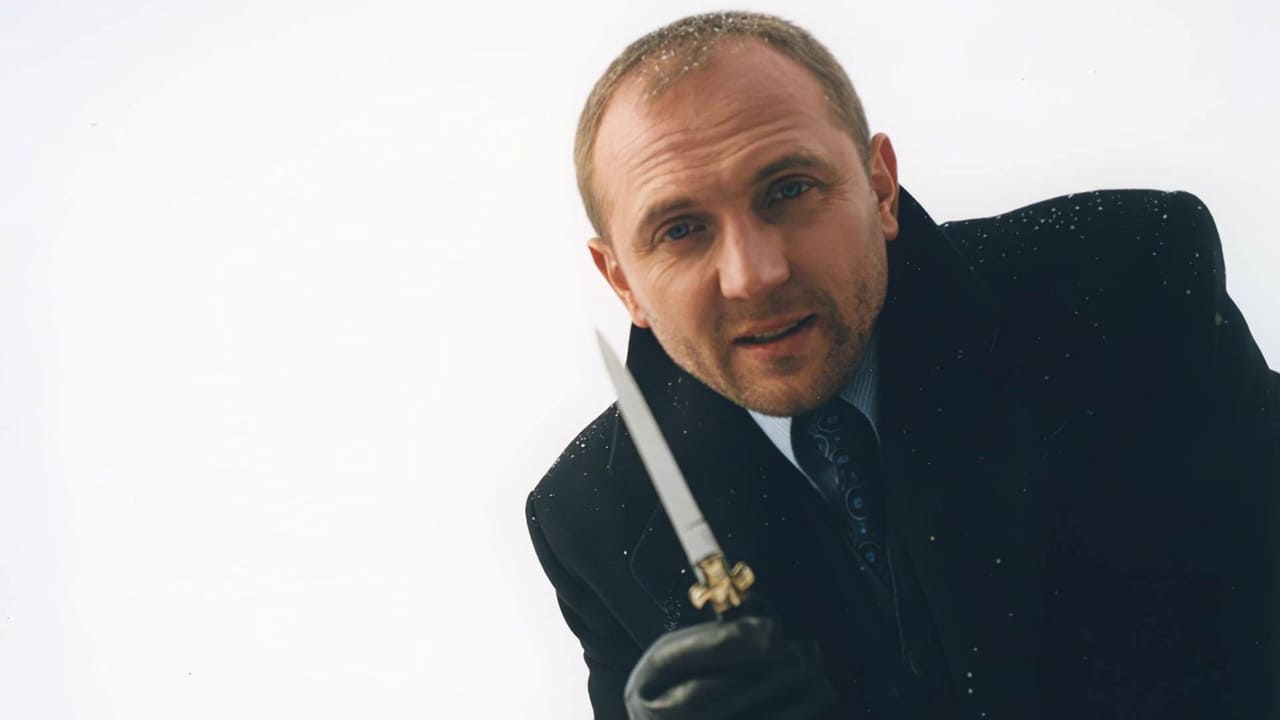
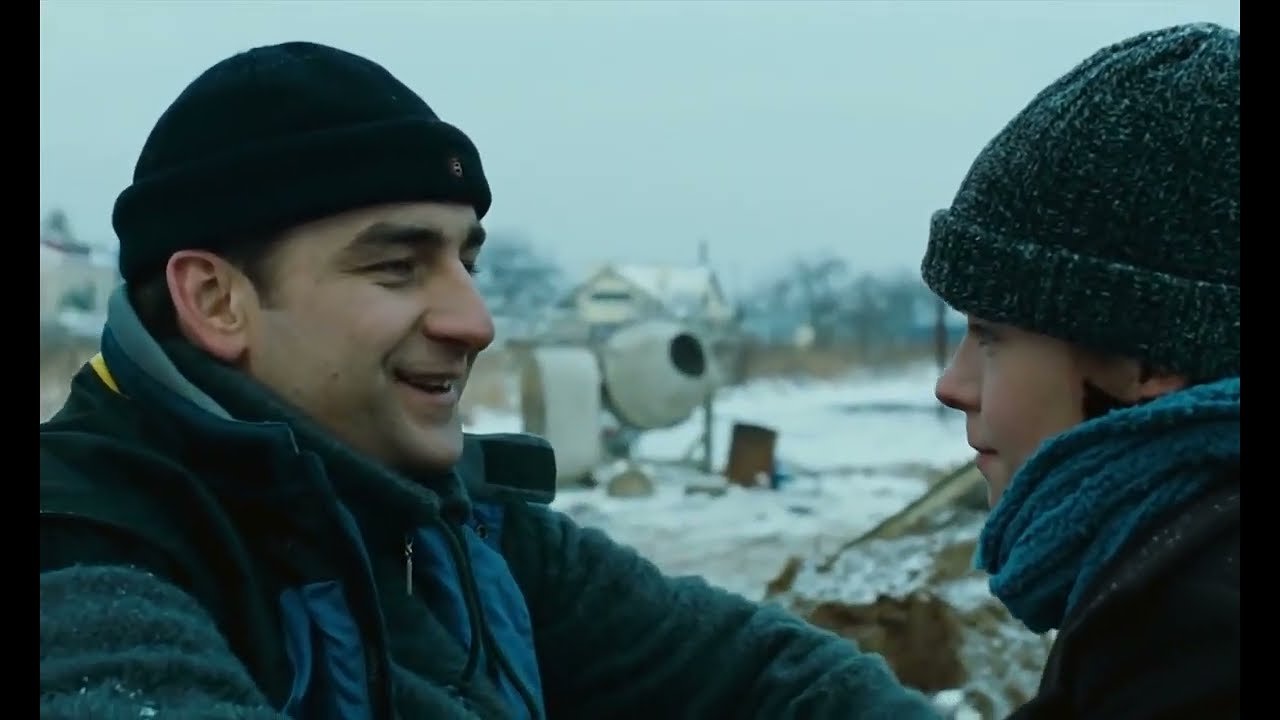
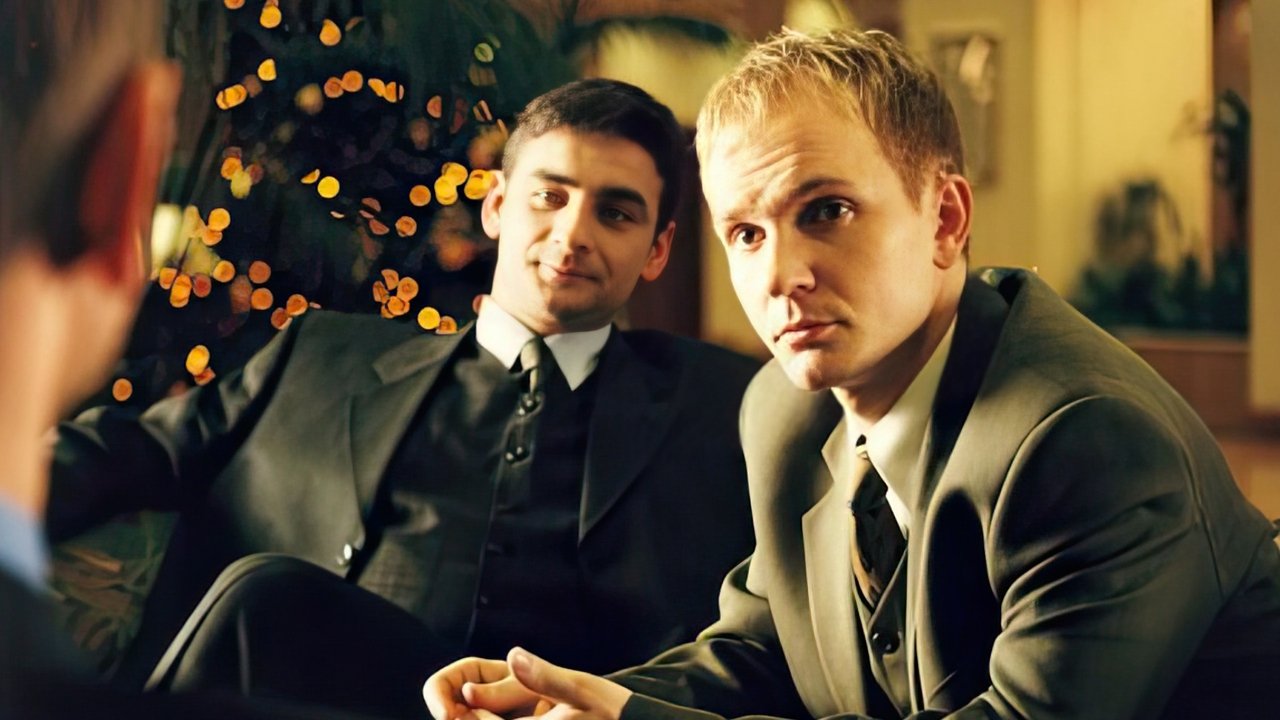
The premise is starkly effective: two young entrepreneurs, Adam (Robert Gonera) and Stefan (Jacek Borcuch), need capital for their promising scooter import business. A seemingly casual acquaintance, Gerard (Andrzej Chyra), offers a loan. It seems straightforward, perhaps a little informal, typical of the burgeoning, sometimes chaotic, free market energy of mid-90s Poland. But Gerard isn't merely a lender; he's a predator. The initial loan quickly morphs into an inescapable cycle of extortion, threats, and psychological torture that systematically dismantles Adam and Stefan’s lives, finances, and very sense of self.
What makes The Debt so profoundly disturbing is its grounding in reality. Krauze and co-writer Jerzy Morawski based the script on the actual horrific experiences of Sławomir Sikora and Artur Bryliński. Knowing this transforms the viewing experience. This isn’t just a taut cinematic exercise in suspense; it's a harrowing reflection of real-world desperation, a glimpse into the terrifying vulnerability that can exist when societal structures fail. The film reportedly sparked significant national debate in Poland upon its release, contributing to public pressure that eventually led to presidential pardons for the real-life individuals. It's a potent reminder of cinema's power not just to entertain, but to provoke and potentially influence real-world justice.
### A Masterclass in Menace
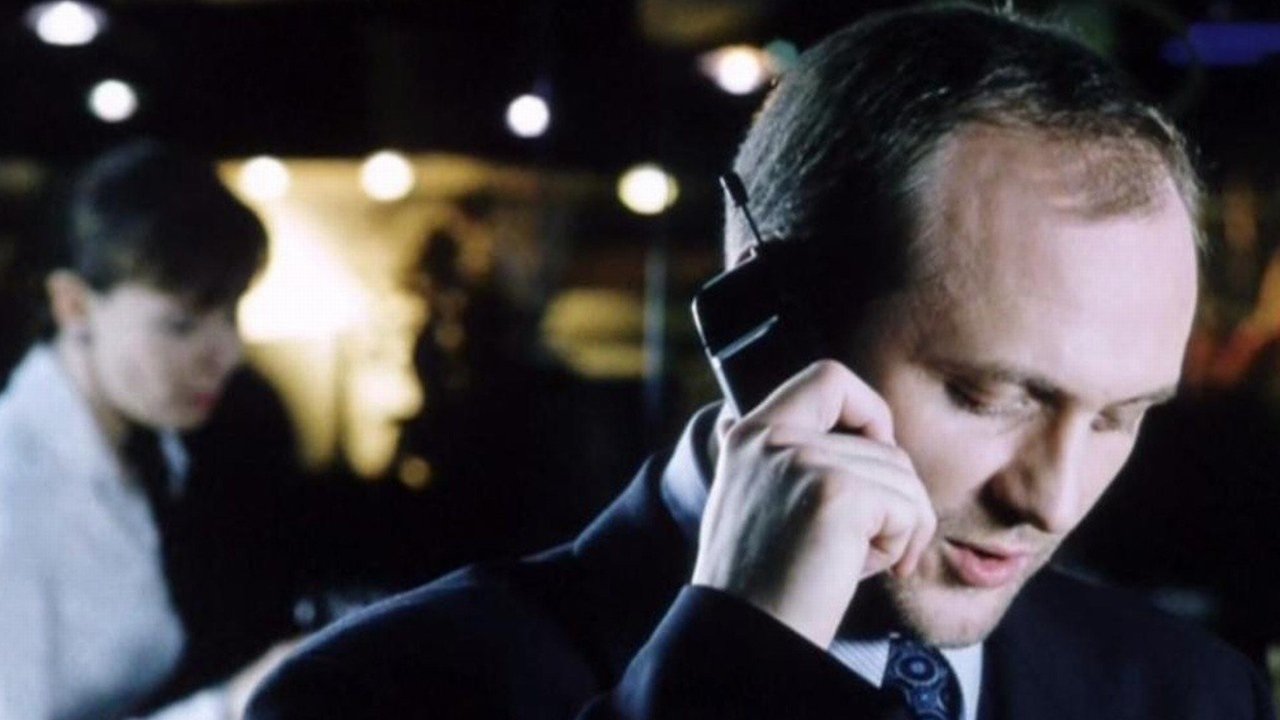
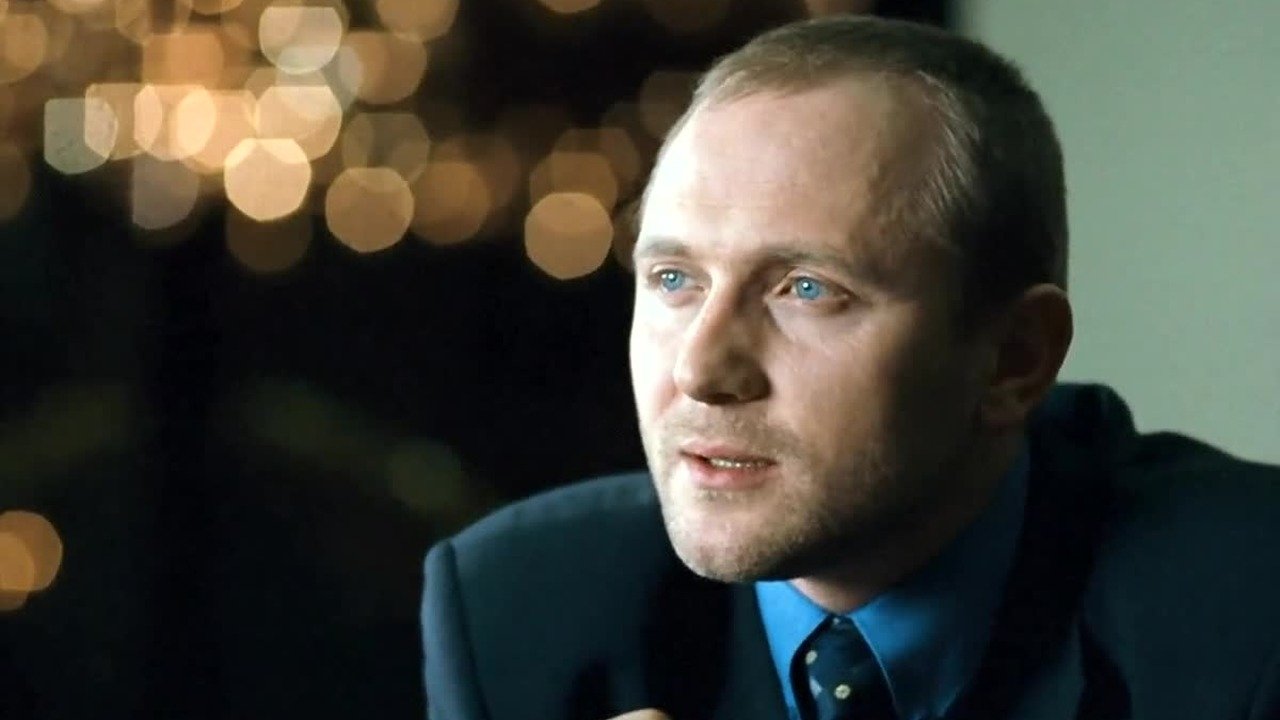
While Robert Gonera and Jacek Borcuch deliver utterly convincing performances as men crumbling under relentless pressure – their descent from hopeful businessmen to hunted animals is agonizing to watch – the film is undeniably dominated by Andrzej Chyra as Gerard. It’s a performance for the ages, a chilling embodiment of casual cruelty. Chyra avoids caricature; Gerard isn’t a cackling movie monster. He’s quiet, almost business-like in his sadism, which makes him infinitely more terrifying. His threats are delivered with a calm certainty, his violence erupting without warning, leaving his victims (and the audience) perpetually on edge. It’s a portrayal of sociopathy so believable it makes your skin crawl. It’s no surprise this role became iconic in Polish cinema and launched Chyra, who would later appear in films like Katyn (2007) and United States of Love (2016), to wider recognition.
Krauze's direction mirrors the grim subject matter. There’s little stylistic flourish; the camera observes with a stark, almost documentary-like realism. He masterfully builds tension not through flashy editing or a driving score, but through atmosphere, pacing, and the raw emotion emanating from his actors. The drab interiors, the grey Warsaw streetscapes – they all contribute to a pervasive sense of dread and entrapment. We feel the walls closing in on Adam and Stefan, their options dwindling, their hope extinguished spark by agonizing spark.
### Echoes from the Import Shelf
For those of us who scoured the video store shelves beyond the New Releases, perhaps venturing into the "World Cinema" section often tucked away in a corner, discovering a film like The Debt felt significant. It wasn't comfortable viewing, lacking the escapism of the blockbusters stacked near the entrance. I remember finding the tape – its stark cover hinting at the severity within – and feeling that sense of discovering something potent, something real. It was a visceral experience, far removed from the slick productions dominating the multiplexes. It offered a window into the complex, often brutal, realities of post-communist transition, a theme rarely explored with such unflinching honesty in Western cinema at the time.
The film forces us to confront deeply unsettling questions. How much pressure can a person withstand before breaking? When the system designed to protect you offers no recourse – the police in the film are tragically ineffective – where do you turn? What lines are you willing to cross, not for greed, but for sheer survival? The Debt offers no easy answers, presenting a moral landscape steeped in shades of grey, pushing its characters towards an unthinkable precipice.
### Legacy of Unease
The Debt isn't a film you recommend lightly. It's a demanding, often harrowing watch that stays with you precisely because of its bleak authenticity and the power of its central performances, particularly Andrzej Chyra's unforgettable turn. It’s a stark reminder of the darkness that can lie beneath the surface of ordinary transactions and the terrifying speed at which stability can unravel. While not a "feel-good" movie by any stretch, its unflinching portrayal of desperation and its basis in a shocking true story make it a vital piece of late 90s European cinema. It stands as a testament to Krzysztof Krauze's talent for crafting taut, socially relevant dramas.
Rating: 9/10
This score reflects the film's exceptional craft, its powerhouse performances, and its undeniable, gut-wrenching impact. It's near-perfect in achieving its harrowing aims, held back only by its sheer bleakness which makes it difficult to revisit often. Yet, its power is undeniable. The Debt is more than just a thriller; it's a chilling cautionary tale and a potent social commentary, leaving you with the lingering, uncomfortable question: faced with the same unimaginable terror, what choices might we make?