The clock isn't just ticking in Pusher; it's a hammer pounding against your skull, each second echoing the tightening noose around the neck of low-level drug dealer Frank. Forget slick Hollywood gangsters; this is Copenhagen's underbelly stripped bare, raw, and unforgiving. Watching it back in the day, likely on a slightly worn tape procured from the 'World Cinema' shelf of a discerning video store, felt less like watching a movie and more like being dropped headfirst into someone else's rapidly spiraling nightmare. There's an immediacy here, a frantic energy that clings to you long after the credits roll and the VCR clicks off.
A Week in Hell
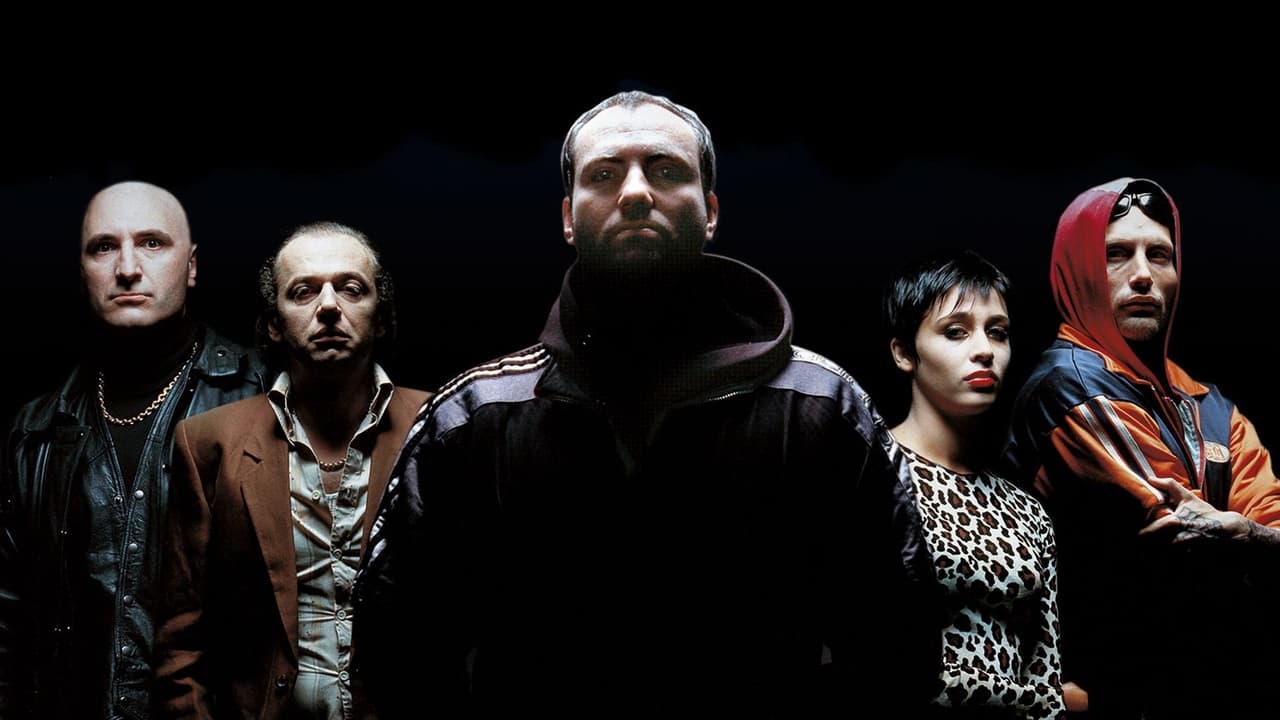
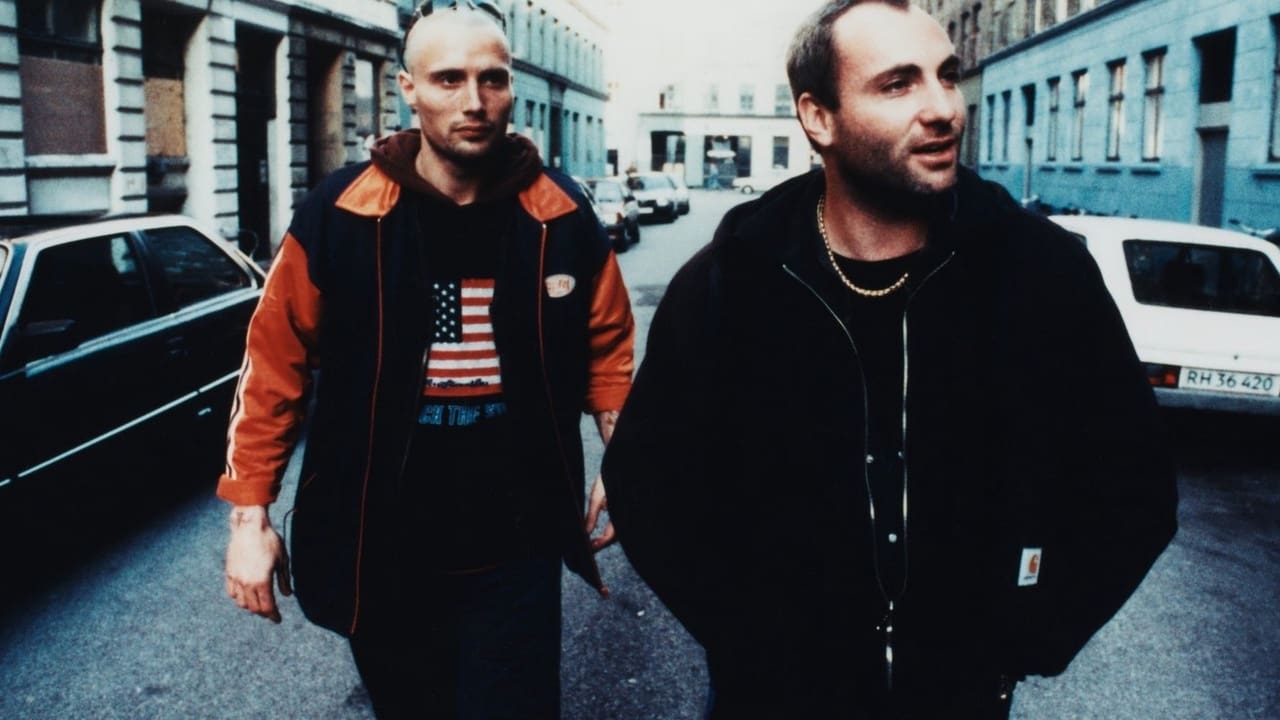
Director Nicolas Winding Refn, making a startlingly confident debut at the tender age of 24, doesn't waste time with pleasantries. We meet Frank (Kim Bodnia, absolutely electrifying) mid-stride, navigating deals with a casual arrogance that barely masks the precariousness of his existence. Alongside his jittery sidekick Tonny (Mads Mikkelsen in an early, memorable role), Frank operates in a world of dingy flats, smoke-filled bars, and tense back-alley exchanges. When a supposedly straightforward heroin deal goes disastrously wrong – thanks to an unfortunately timed police raid – Frank finds himself owing a terrifying sum to Serbian drug lord Milo (Zlatko Burić, instantly iconic). What follows is a desperate, week-long scramble through a concrete maze of threats, betrayals, and escalating violence.
The genius of Pusher lies in its relentless focus. Refn keeps the camera, often handheld and prowling, glued to Frank. We feel his rising panic, his dwindling options, the sweat prickling on his skin. There's no glamour here, no anti-hero posturing. Just pure, uncut desperation. It's a testament to Kim Bodnia's performance that Frank remains compelling, even as he makes increasingly poor, often brutal decisions. He’s not likable, not remotely, but his predicament is utterly magnetic. You can’t look away.
Guerilla Grit and Accidental Realism
Shot on a shoestring budget (reportedly around $1 million, partly scraped together from family), Pusher radiates an authenticity born from necessity. Refn, along with co-writer Jens Dahl, crafts dialogue that feels overheard rather than written. The Copenhagen locations aren't dressed up; they're presented as they are – functional, lived-in, often grim. This wasn't quite Dogme 95 (though it shared some aesthetic DNA), but its raw, documentary-like style felt revolutionary. Legend has it that Nicolas Winding Refn was actually in debt himself when writing the film, a personal pressure cooker that undoubtedly infused Frank's desperate situation with palpable anxiety.
The supporting cast is equally crucial. Zlatko Burić's Milo is a masterclass in quiet menace. He's introduced baking cakes, offering paternal advice even as the implied threat behind his soft-spoken words chills you to the bone. He's not a caricature; he’s a businessman whose business just happens to be incredibly dangerous. Doesn't that portrayal, the banal evil mixed with genuine charm, feel far more unnerving than any scenery-chewing villain? And Laura Drasbæk as Vic, Frank's girlfriend, provides a glimpse of a potential escape route, a different life hanging just out of reach, making Frank's descent all the more tragic.
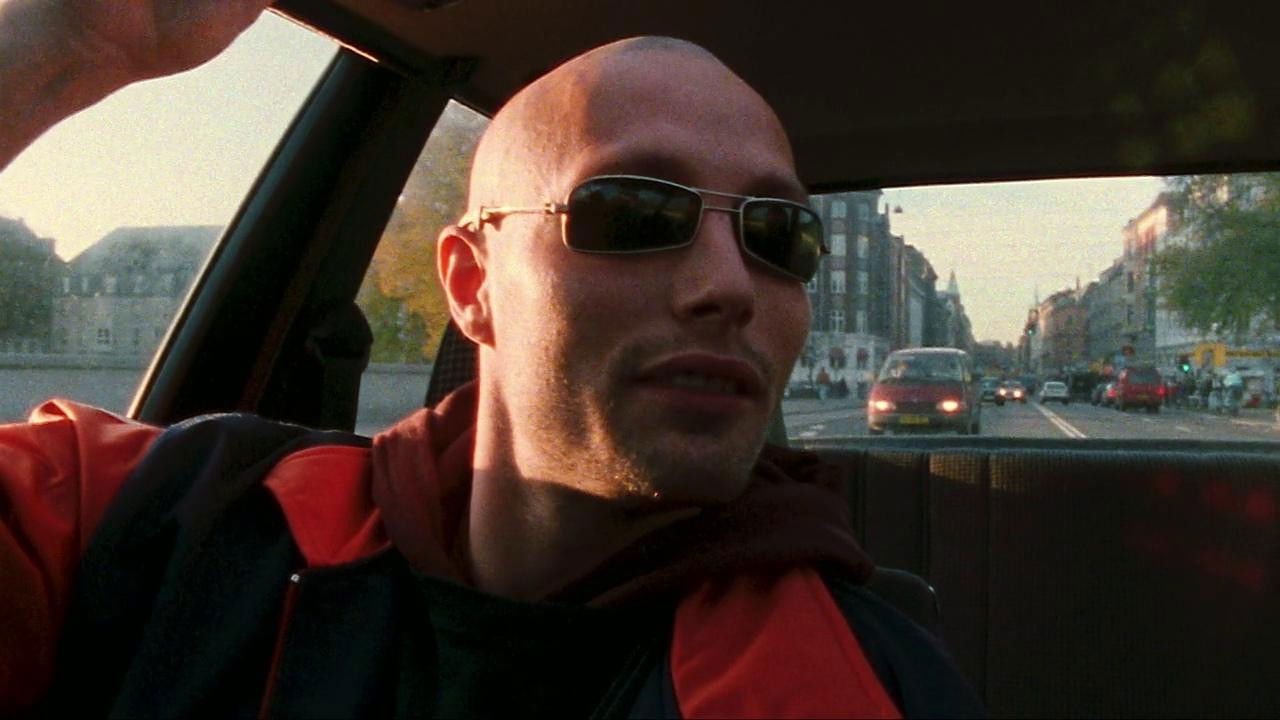
Interestingly, the film's visceral feel was sometimes achieved through sheer grit. Bodnia apparently broke a finger filming one of the intense fight sequences but insisted on carrying on, channeling the pain into his performance. That kind of commitment bleeds through the screen, adding another layer to the film's almost painful realism.
The Start of Something Brutal
Pusher wasn't just a film; it was a statement. It kicked down the door for a new wave of Danish crime cinema and launched Nicolas Winding Refn's international career (leading eventually to films like Bronson (2008) and the stylish Drive (2011)). Its success, initially modest but growing through word-of-mouth and home video, was unexpected. Refn himself didn't even initially plan sequels. However, the financial failure of his ambitious English-language film Fear X (2003) ironically forced him back into Frank and Milo's world, resulting in Pusher II (2004) – focusing brilliantly on Tonny – and Pusher III (2005), a harrowing day-in-the-life for Milo. Together, they form a compelling, bleak trilogy exploring different facets of the criminal underworld.
Watching Pusher today, its raw power hasn't diminished. The handheld camerawork might be more common now, but few films capture this level of street-level anxiety with such unflinching honesty. It avoids moralizing, simply presenting Frank's world and letting the audience experience his pressure-cooker existence. It’s a film that grabs you by the throat and refuses to let go until the final, stark frame.
Rating: 9/10
This is benchmark stuff. Pusher earns its high rating through its raw, uncompromising energy, Kim Bodnia's ferocious lead performance, Zlatko Burić’s unforgettable turn as Milo, and Nicolas Winding Refn's incredibly assured debut direction. Its gritty realism and relentless tension were influential, stripping the crime genre of its gloss and delivering a shot of pure adrenaline straight from the Copenhagen streets. It might lack the polish of later Refn films, but its rough edges are precisely what make it essential viewing – a perfect slice of 90s indie filmmaking that still feels dangerously alive. This wasn't just a movie you rented; it was an experience you survived.