### A Quiet Place Called Reno

There’s a certain stillness that settles over you when watching Paul Thomas Anderson's debut feature, Hard Eight (1996). It’s not the quiet of emptiness, but the heavy silence of secrets held tight, of unspoken histories lingering in the stale, smoke-filled air of a Reno casino. I remember finding this one tucked away on the rental shelf, maybe drawn in by the cast or perhaps just a hunch. It wasn’t loud or flashy like so many mid-90s offerings, but it possessed a gravity, a sense of lived-in weariness, that stuck with me long after the VCR clicked off. It felt like stumbling onto something significant, the first glimpse of a filmmaker already operating with uncommon assurance.
The film opens simply, almost mundanely: a weathered older man, Sydney (Philip Baker Hall), finds a dejected younger man, John (John C. Reilly), slumped outside a diner, needing money for his mother’s funeral. Sydney, exuding a calm authority that feels both comforting and slightly unnerving, takes John under his wing. He doesn’t just give him cash; he gives him coffee, a cigarette, advice, and eventually, a path – teaching him the quiet art of navigating the casino world, not as a high roller, but as someone who can work the system for a steady, modest living. What could easily be a setup for a con movie unfolds instead as a complex character study, a slow burn about connection, obligation, and the ghosts that follow us even into the neon glow of nowhere.
### The Weight of Experience
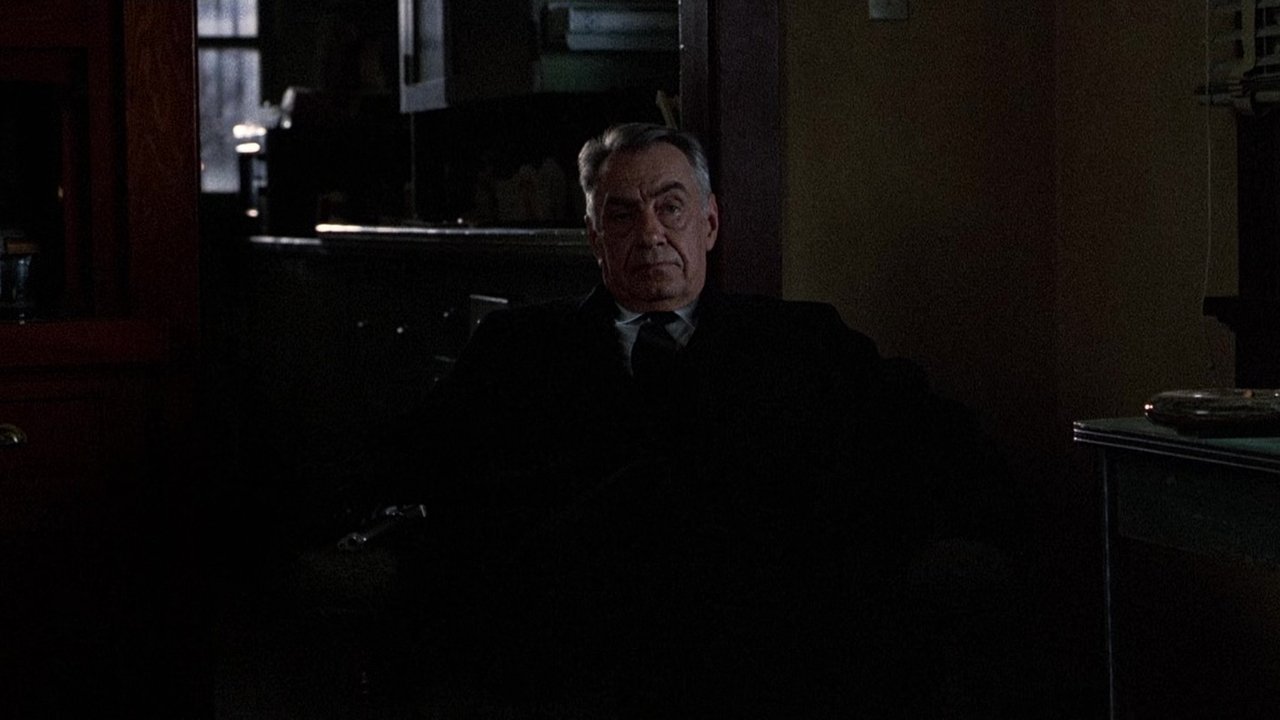
At the absolute core of Hard Eight is the towering, yet remarkably understated, performance by Philip Baker Hall. Sydney is a man defined by his controlled presence. His suits are neat, his words are measured, his movements deliberate. Hall, who originated the character in Anderson's 1993 short film Cigarettes & Coffee which served as the basis for this feature, embodies Sydney with such lived-in authenticity that you feel the weight of decades in his gaze. He's paternal, protective, but there’s always something held back, a carefully constructed wall around his past. It's a masterclass in conveying depth through stillness, proving that sometimes the quietest characters resonate the loudest. We learn just enough about Sydney to understand his motivations, but the mystery lingers, making him all the more compelling. Doesn't that careful reserve often speak volumes more than endless exposition?
Opposite Hall, John C. Reilly, already showing the soulful vulnerability that would become his trademark, is perfect as the earnest, slightly naive John. He's not dumb, just lost, and his gratitude towards Sydney feels utterly genuine. Their dynamic forms the film's emotional anchor. Then enters Clementine (Gwyneth Paltrow), a cocktail waitress with a side hustle as a sex worker, adding another layer of complication and vulnerability. Paltrow, just before her career skyrocketed with films like Emma (1996) and later Shakespeare in Love (1998), brings a compelling mix of world-weariness and fragile hope to the role. The triangle formed by these three characters – Sydney the protector, John the protégé, Clementine the complicated charge – feels fragile, a makeshift family forged in the transient world of casinos and diners.
### Trouble Behind the Neon

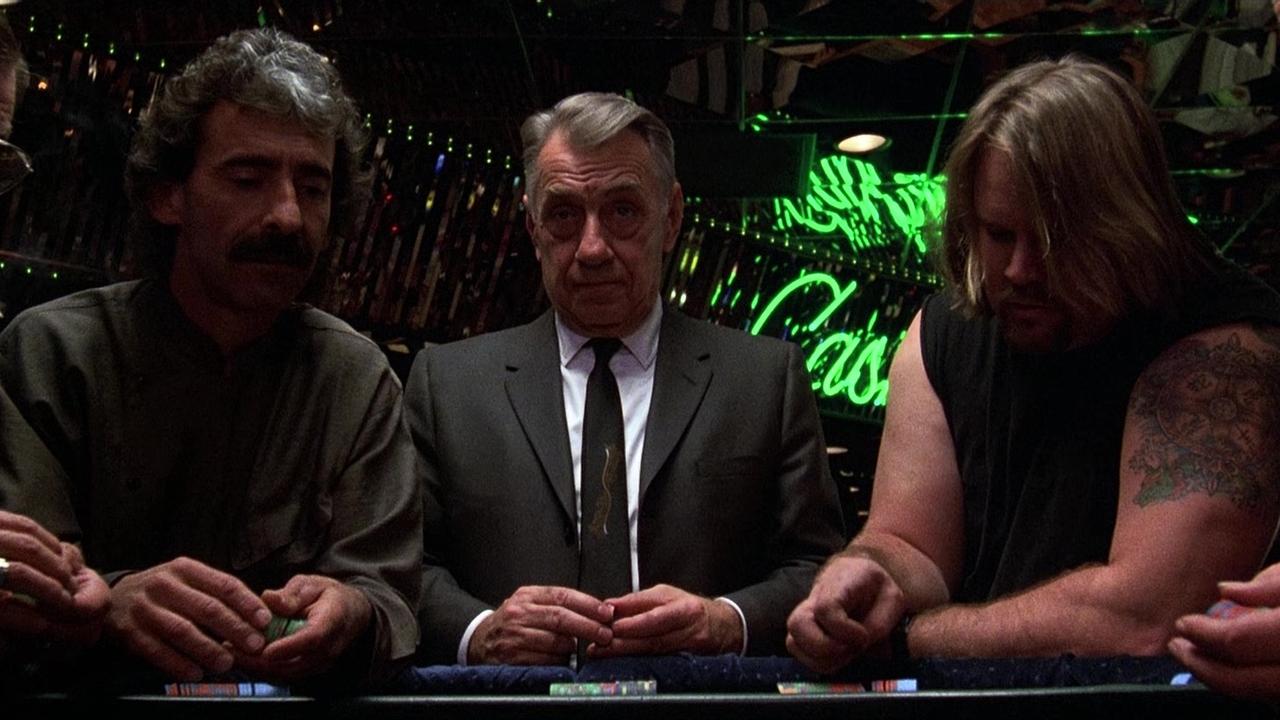
The film's journey to the screen was almost as fraught as the lives of its characters. Originally titled Sydney, the name Anderson preferred and felt captured the film's essence, the production company Rysher Entertainment wrested control during post-production. They recut the film, tested their version (which reportedly tanked), and ultimately insisted on the more generic, gambling-focused title Hard Eight. It’s a fascinating piece of trivia that highlights the battles young directors often face. Anderson, with crucial support from cast members like Hall and industry figures, managed to get his preferred 90-minute cut released, albeit under the studio's title. Knowing this backstory adds another layer to viewing the film; it feels like a victory snatched from the jaws of compromise, a testament to Anderson’s early tenacity. Imagine a different, perhaps less nuanced, version of this story – it makes you appreciate the precise calibration of the final cut even more.
Anderson’s directorial confidence is already evident. He uses the Reno locations – the low-rent casinos, the diners, the motel rooms – not just as backdrops, but as extensions of the characters' internal states. The atmosphere is thick with cigarette smoke and the low hum of slot machines, creating a sense of timeless limbo. His signature long takes, though perhaps less ostentatious than in later works like Boogie Nights (1997), are present, allowing scenes to breathe and performances to unfold naturally. There's a patience here, a willingness to let moments linger, that draws you deeper into the characters' orbits. And when violence eventually erupts, it feels shocking and desperate precisely because of the film's established quietude. The arrival of Samuel L. Jackson as Jimmy, a seemingly friendly acquaintance who knows just a bit too much about Sydney’s past, injects a palpable tension, cranking up the neo-noir elements that simmer beneath the surface. Jackson, riding high post-Pulp Fiction (1994), brings his effortless cool and simmering menace to the role, proving a perfect catalyst for unraveling Sydney's carefully maintained control.
### Lasting Echoes
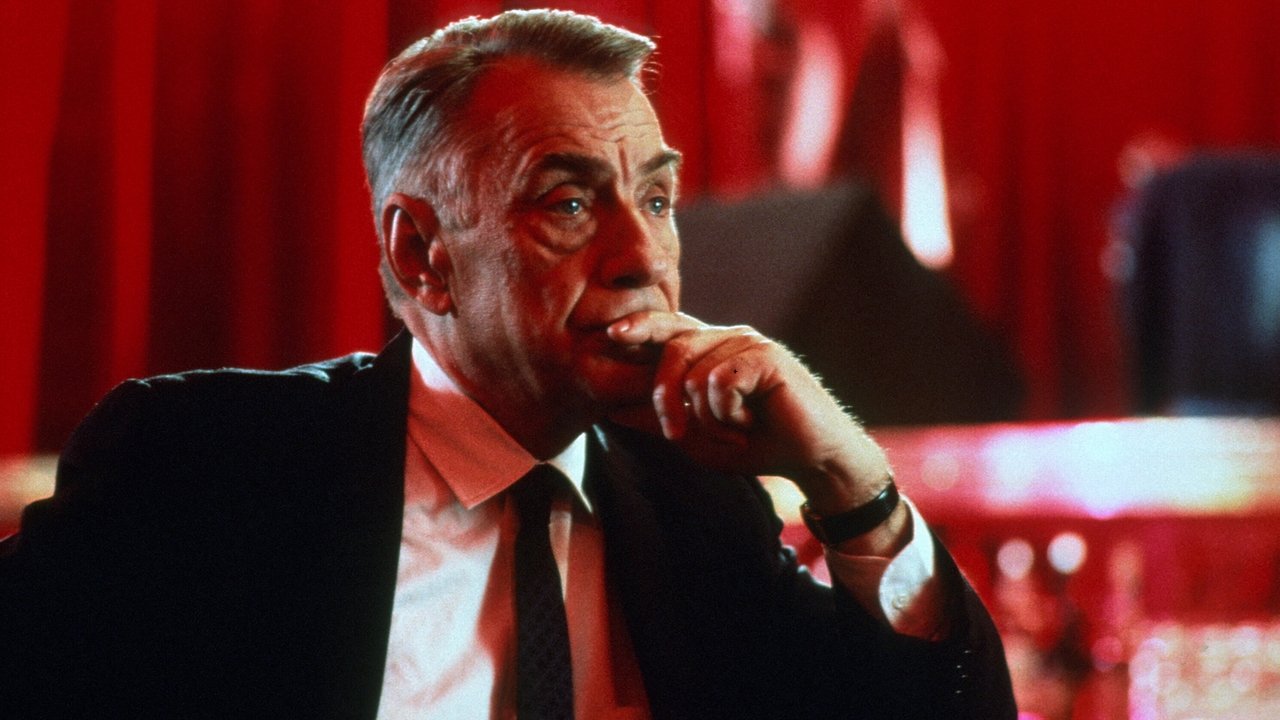
Hard Eight isn't explosive. It doesn't rely on elaborate plot twists or grand pronouncements. Its power lies in its meticulous character work, its palpable atmosphere, and the resonant questions it raises about responsibility, redemption, and the families we choose or stumble into. It’s a film that rewards patience, drawing you into its melancholic world and leaving you thinking about the quiet desperation and unexpected connections that can bloom in lonely places. For fans of Paul Thomas Anderson, it’s a crucial, fascinating look at the genesis of his thematic concerns and stylistic trademarks. For anyone who appreciates a tightly crafted, character-driven neo-noir, it remains a potent and affecting piece of 90s cinema.
Rating: 8/10
This score reflects the film's masterful central performance from Philip Baker Hall, the confident early direction of PTA, its deeply atmospheric setting, and its compelling, albeit deliberately paced, narrative. While perhaps lacking the sprawling ambition of Anderson's later epics, its focused intensity and emotional resonance are undeniable. It's a remarkably assured debut that feels both timeless and distinctly of its mid-90s indie moment – a quiet hum that resonates long after the credits roll, much like the lingering glow of a casino floor caught on grainy VHS. What hidden debts do we all carry, and who becomes the unexpected holder of our secrets? Hard Eight leaves you pondering just that.