Here we go again, digging through the stacks at "VHS Heaven". Sometimes you pull out a tape expecting straightforward thrills, maybe some comforting action beats you half-remember. And then sometimes, you pull out something like Philip Davis's I.D. from 1995, and the feeling isn't comfort. It’s a cold knot tightening in your stomach, the kind that lingers long after the VCR clicks off. This isn't your typical cops-and-robbers fare; it’s a dive headfirst into the murky depths of identity itself, set against the brutal backdrop of 90s football hooliganism.
Under the Skin
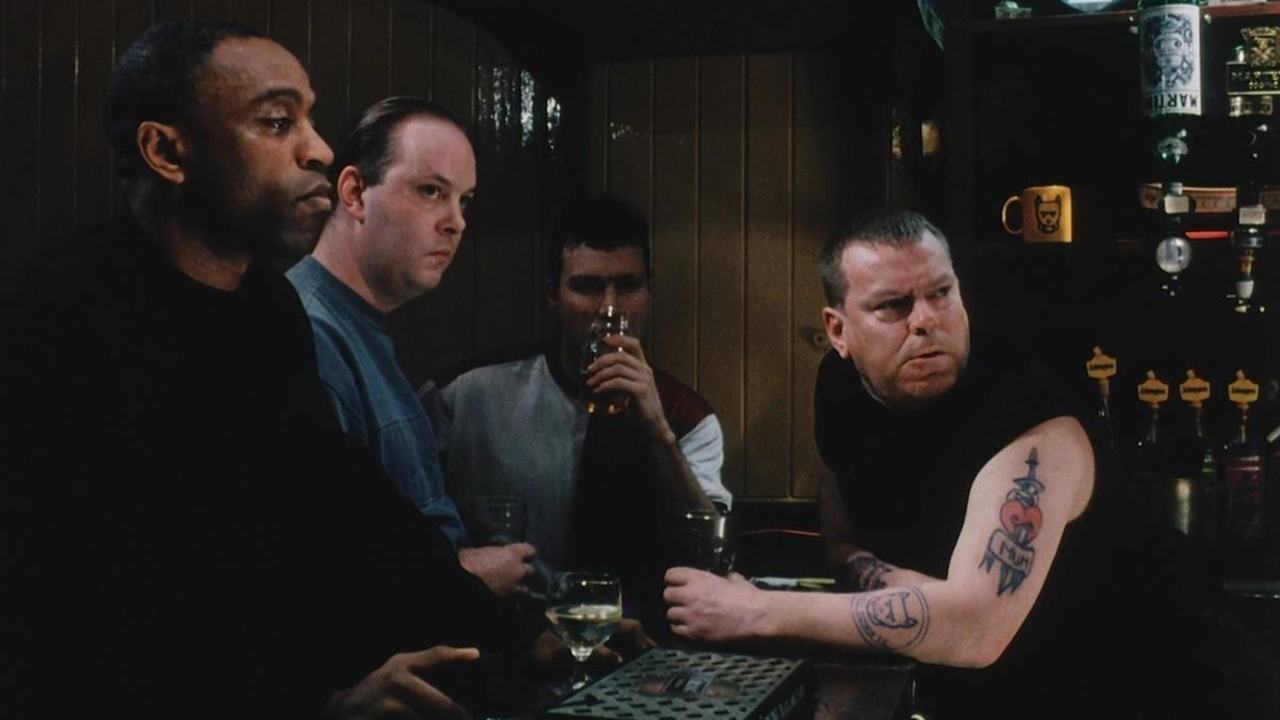
The premise feels almost procedural at first glance: four ambitious young police officers volunteer for a deep undercover operation. Their mission? Infiltrate the notorious football 'firm' associated with the fictional Shadwell Town FC – a barely veiled stand-in for the infamous Millwall supporters of the era – and identify the ringleaders orchestrating the violence that plagued terraces across England. John (a truly arresting Reece Dinsdale), Trevor (Richard Graham), Charlie (Perry Fenwick, worlds away from his eventual long-running role in EastEnders), and Eddie (Sean Pertwee) trade their uniforms for Stone Island jackets and Berghaus parkas, learning the chants, the swagger, and the sudden, terrifying language of fists and boots. But I.D. quickly swerves from procedure into psychology.
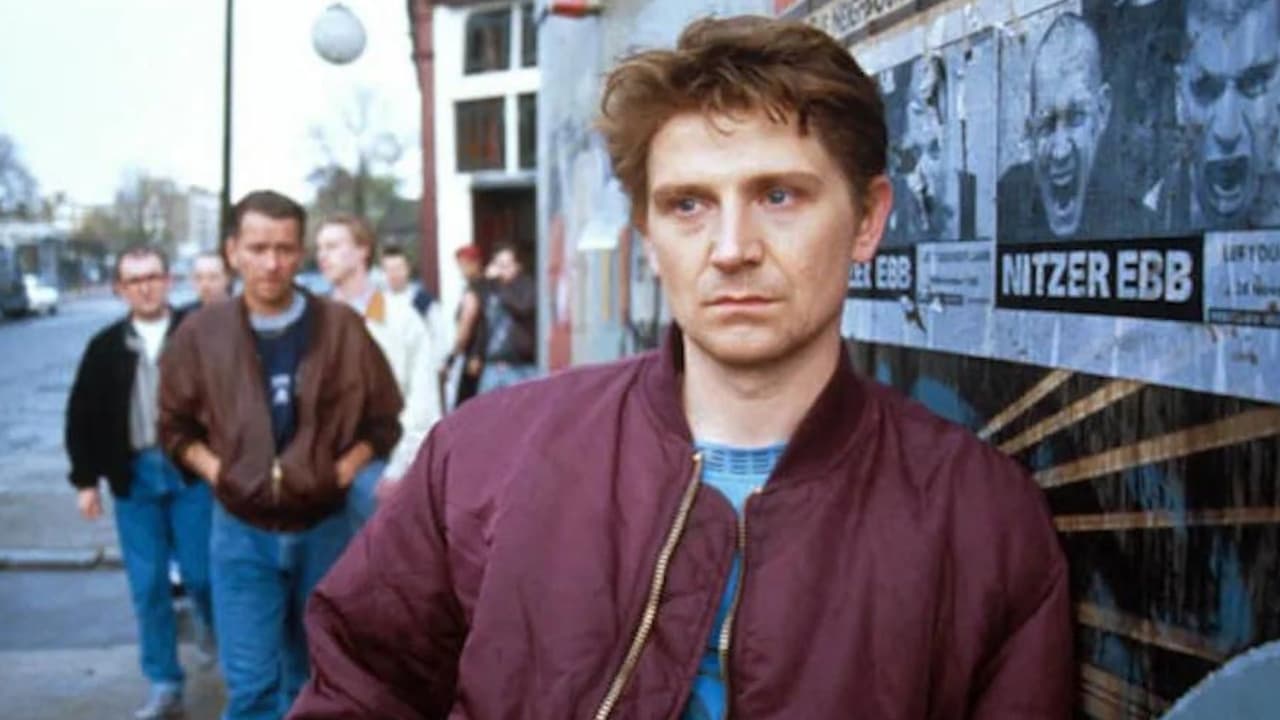
What makes the film grip you, right from those opening scenes of raw, chaotic energy on the terraces, is its relentless focus on John's terrifying transformation. Reece Dinsdale delivers a career-defining performance here. He doesn't just play a cop pretending to be a hooligan; he embodies the gradual, horrifying erosion of one identity and the insidious appeal of another. We see the initial fear and revulsion give way to a grudging respect, then exhilaration, and finally, something much darker. His eyes change. His posture shifts. The copper's caution evaporates, replaced by the aggro and paranoia of the tribe he's joined. It’s a performance built on subtle shifts that accumulate into a devastating whole. You believe his descent because Dinsdale makes the internal struggle so palpable, so frighteningly real. Didn't we all know someone, back then, who seemed drawn to that edge, that sense of belonging found in chaos?
The Grit and the Grime
Director Philip Davis, perhaps better known for his extensive acting career in gritty British staples like Quadrophenia (1979) or later Mike Leigh films like Vera Drake (2004), crafts a film that feels dangerously authentic. There's no Hollywood gloss here. The pubs are smoky, the stadiums feel genuinely menacing, and the violence, when it erupts, is sudden, ugly, and devoid of glamour. Davis, drawing perhaps on his experience acting in Alan Clarke's seminal hooliganism TV film The Firm (1989), understands the environment intrinsically.
Achieving this level of realism wasn't simple. The production filmed at actual football grounds like Rotherham United’s Millmoor and Bradford City’s Valley Parade, adding a layer of unvarnished truth. And Reece Dinsdale reportedly threw himself into research, meeting with former hooligans and police officers who had undertaken similar undercover work – experiences which undoubtedly inform the chilling credibility of his portrayal. You can almost smell the stale beer and anxiety coming off the screen. It's a testament to the filmmaking that, despite being nearly three decades old, the atmosphere remains potent, a snapshot of a specific, turbulent time in British culture.
Losing Your Way
While Dinsdale is the undeniable anchor, the supporting cast effectively orbits his spiralling descent. Richard Graham brings a watchful intensity to Trevor, the member of the unit who perhaps sees the danger signs in John most clearly. Warren Clarke, as their handler Bob, represents the establishment's detached perspective, concerned with results but perhaps blind to the human cost until it's too late. Their reactions serve as crucial counterpoints, highlighting just how far John is drifting from his original self.
The film asks uncomfortable questions. What happens when the mask you wear starts to feel more real than your own face? What is the terrifying allure of violence, of belonging to something primal and aggressive? I.D. suggests that the lines we draw around our identities are perhaps more fragile than we like to believe. John finds a sense of power, camaraderie, and perverse purpose within the firm that his 'real' life seemingly lacked. The film doesn’t excuse his actions, but it forces us to confront the uncomfortable possibility that the darkness he embraces was, perhaps, lurking within him all along. It’s a chilling thought, isn't it? The idea that the uniform, whether police blue or football casual, might just be a thin veneer over something much more volatile.
A Scar That Remains
Reportedly based on real undercover operations from the 80s, I.D. carries the weight of truth, even in its fictionalised narrative. It wasn’t a huge box office smash – made for a relatively modest sum (around £1.5 million) – but its reputation as a powerful, unflinching piece of British cinema has endured. It’s a film that doesn’t offer easy answers or neat resolutions. The ending is abrupt, bleak, and leaves you with a profound sense of unease. That it eventually received a sequel, ID2: Shadwell Army, over two decades later in 2016 speaks volumes about the original's lasting impact and cult following among those who appreciate its harsh honesty.
Rating: 8.5/10
This score reflects the film's raw power, Reece Dinsdale's phenomenal central performance, and its unflinching, authentic portrayal of a dark subculture and the psychological toll of deep undercover work. It's not an 'easy' watch – its intensity and bleakness are palpable – but its grip is undeniable. I.D. might lack the nostalgic warmth of other tapes in the "VHS Heaven" collection, but its brutal honesty and haunting questions about identity burrow under your skin and stay there. It’s a stark reminder that sometimes, the most dangerous territory isn't on the streets, but inside your own head.