Some films whisper dread from the flickering shadows of the screen. Others... well, others scream their sheer, unadulterated oddity right from the title card. 1989's Elves belongs firmly in the latter category, a film so bafflingly conceived and executed that watching it feels less like revisiting a forgotten nightmare and more like deciphering a fever dream someone inexplicably committed to celluloid. Forget sugar plums; this Yuletide tale serves up neo-Nazis, genetic experiments, and a creature that looks less like Santa's helper and more like a reject from a ventriloquist's haunted attic.
Department Store Dread... and Dan Haggerty?
The premise, if one can call it that, centers on Kirsten (Julie Austin), a young woman working a dead-end department store job during the Christmas rush. She and her friends, dabbling in some ill-advised anti-Christmas pagan ritual in the woods (as one does), accidentally unleash... well, an elf. Not the cheerful, pointy-eared kind, mind you. This is a gnarled, ancient, and distinctly malevolent creature tied to a secret, sinister Nazi plot involving eugenics and creating a master race. Yes, you read that correctly. Nazi elves. At Christmas.
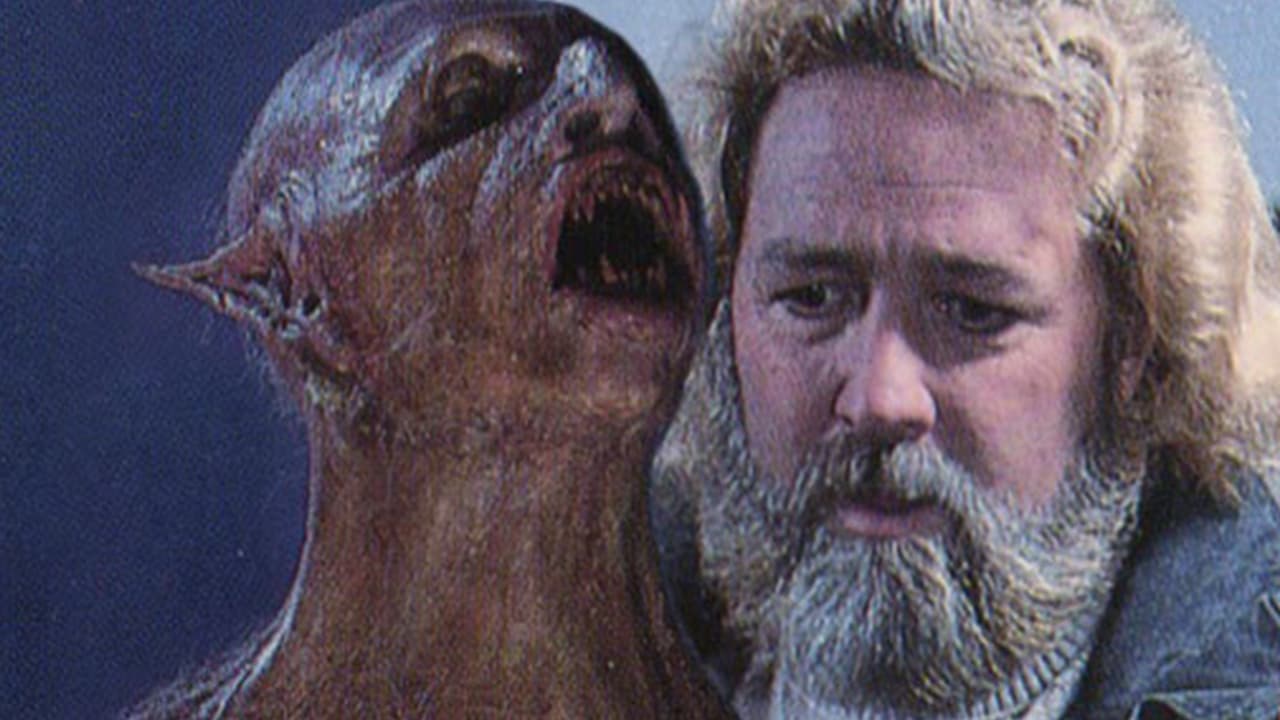
Stumbling into this Yuletide apocalypse is Mike McGavin, played by the one and only Dan Haggerty, forever etched in our collective memory as the gentle mountain man from The Life and Times of Grizzly Adams. Here, Haggerty is a washed-up, chain-smoking, alcoholic ex-cop turned department store Santa. Seeing Grizzly Adams himself looking perpetually weary, clutching a bottle, and trying to unravel a conspiracy involving Third Reich Christmas demons is perhaps the film's most surreal, and strangely compelling, element. It’s reported that Haggerty, struggling financially after his TV heyday and a cocaine conviction, took the role out of necessity. Whatever the reason, his sheer presence lends the film an unintended layer of melancholic absurdity. Doesn't his hangdog expression somehow capture the feeling of being trapped in this plot perfectly?
The Creature from the Black Forest... by way of a Dollar Store
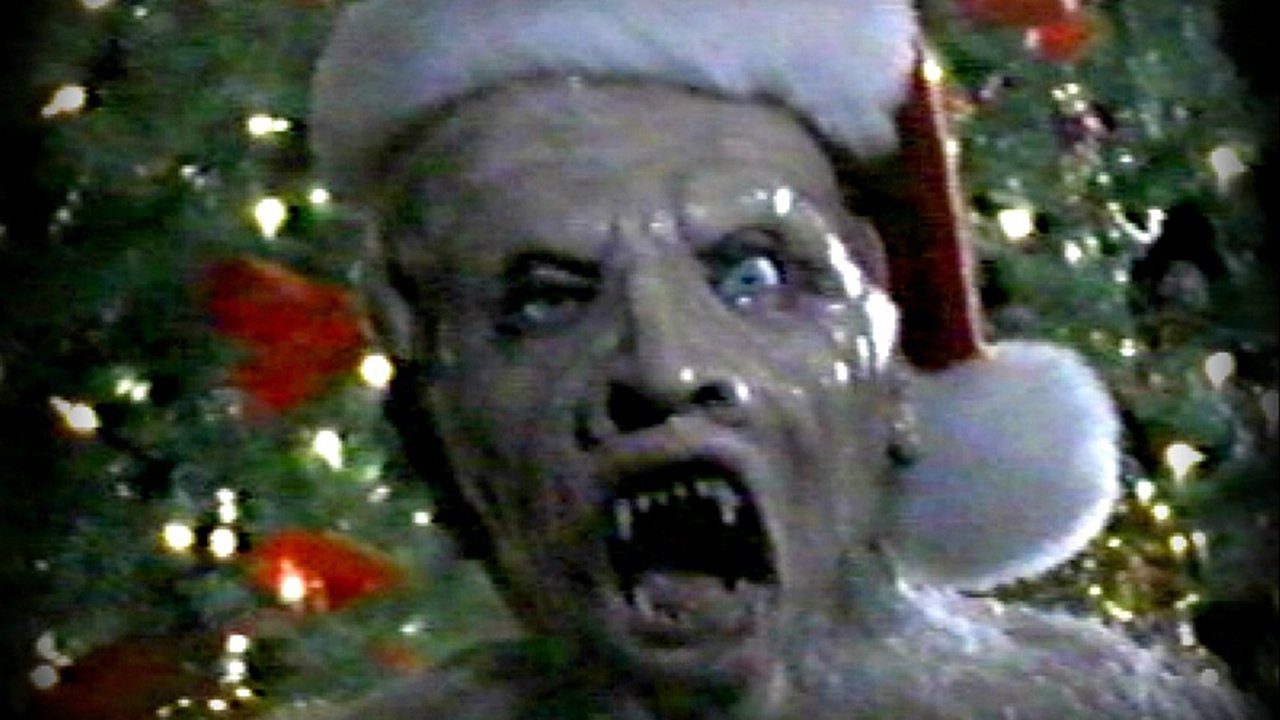
Let's talk about the elf. Singular. Despite the plural title suggesting hordes of diminutive devils, the film's shoestring budget apparently only stretched to one. And what an elf it is! Primarily depicted as a stiff, barely articulated puppet with glowing eyes, its appearances are often comical rather than terrifying. Director Jeffrey Mandel (in his sole directorial effort, perhaps tellingly) seems aware of the limitations, often resorting to quick cuts, shadowy lurking, and off-screen growls. Yet, there’s an undeniable B-movie charm to its very inadequacy. The practical effect, while laughable by today's standards, possesses that uncanny valley creepiness common to so much low-budget 80s horror puppetry. It doesn't move realistically, which somehow makes it more unsettling, like a possessed doll dragged unwillingly into frame. Remember how those stiff practical monsters could sometimes feel genuinely wrong back in the VHS glow?
When Santa Met Swastikas
The film's true claim to infamy, however, lies in its utterly bizarre Nazi subplot. It’s revealed that the elf is part of a Third Reich occult experiment, designed to breed with a pure Aryan virgin (our heroine, naturally) on Christmas Eve to birth an Antichrist figure and usher in the Fourth Reich. This plot point lands with the subtlety of a V2 rocket hitting a gingerbread house. It transforms the film from a potentially generic creature feature into something profoundly strange. It’s a plot twist so monumentally out of left field, you have to wonder about the script meetings. Was it a desperate attempt to add weight? A misguided effort at shock value? Whatever Jeffrey Mandel's intention with his script, the result is a narrative stew that feels both wildly ambitious and hilariously inept. This wasn't just filmed in Colorado; it feels like it was conceived in some alternate dimension where history lessons got really weird.
The supporting cast, including veteran actress Deanna Lund (known for TV's Land of the Giants) as Kirsten's estranged grandmother harbouring dark secrets, try their best to navigate the tonal chaos. They deliver lines about pagan rituals and Nazi bloodlines with a seriousness that only amplifies the film's inherent camp value. The production values scream 'direct-to-video', with dimly lit sets, questionable editing, and a score that often feels like it belongs to a different, possibly better, movie.
Legacy of a Lump of Coal
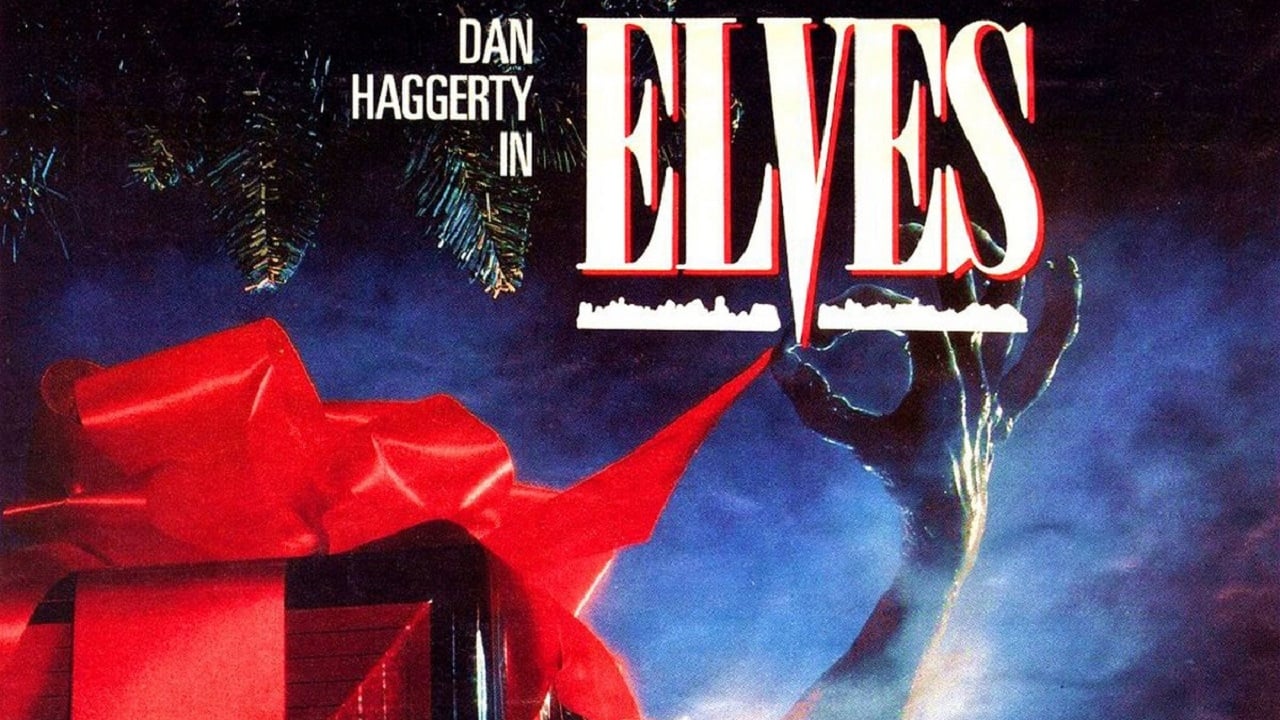
Elves is not a good film by any conventional metric. The acting is variable, the effects are cheap, the plot is nonsensical, and the pacing drags. It reportedly cost very little to make, and frankly, it looks it. Yet... there's something undeniably watchable about its sheer, unashamed weirdness. It's a fascinating artifact of late-80s B-movie horror, a time when distributors would seemingly greenlight almost anything for the booming VHS market, especially if it had a lurid title and provocative cover art (often promising far more than the film delivered – remember seeing those wild covers in the rental store?). This film, with its infamous tagline "They're not working for Santa anymore," is a prime example.
It fails utterly as a source of genuine scares, but as a conversation piece, a cult oddity, or a prime candidate for a "so bad it's good" movie night? It excels. It's the kind of movie you discover late at night on some obscure cable channel or pick up on a whim from the dusty back shelf of a video store, drawn in by its absurd promise. It’s a cinematic lump of coal, yes, but one dusted with just enough bizarre glitter to make you stare.
VHS Heaven Rating: 3/10
Justification: The score reflects the film's profound technical incompetence, laughable effects, and nonsensical plot. However, it earns those few points purely for its magnificent, unrestrained weirdness, the baffling commitment to its Nazi-elf premise, and the undeniable cult entertainment value derived from watching Dan Haggerty stumble through this bizarre Christmas nightmare. It's terrible, but unforgettably so.
Final Thought: Elves isn't just bad; it's a gloriously misguided piece of Yuletide trash cinema, a true testament to the strange wonders you could once unearth in the flickering twilight of the VHS era. It’s less Silent Night, Deadly Night and more... Silent Night, Deadly What-Were-They-Thinking Night? And honestly? Sometimes, that's exactly what you need.