The flickering static hiss of the tracking adjustment, the satisfying clunk of the tape slotting home... some films just feel intrinsically tied to that late-night ritual. And few capture that specific brand of weary, rain-lashed dread quite like 1997's The Night Flier. Forget jump scares; this is a film that crawls under your skin with its grubby atmosphere and the chilling notion that monsters might not just lurk in castles, but in the lonely municipal airfields dotting the American landscape. Based on a lean, mean short story by Stephen King from his Nightmares & Dreamscapes collection, it’s a grimy little gem that often gets overlooked, perhaps because it landed straight onto home video shelves in the US, bypassing a wide theatrical run despite its cinematic feel and surprisingly potent chills.
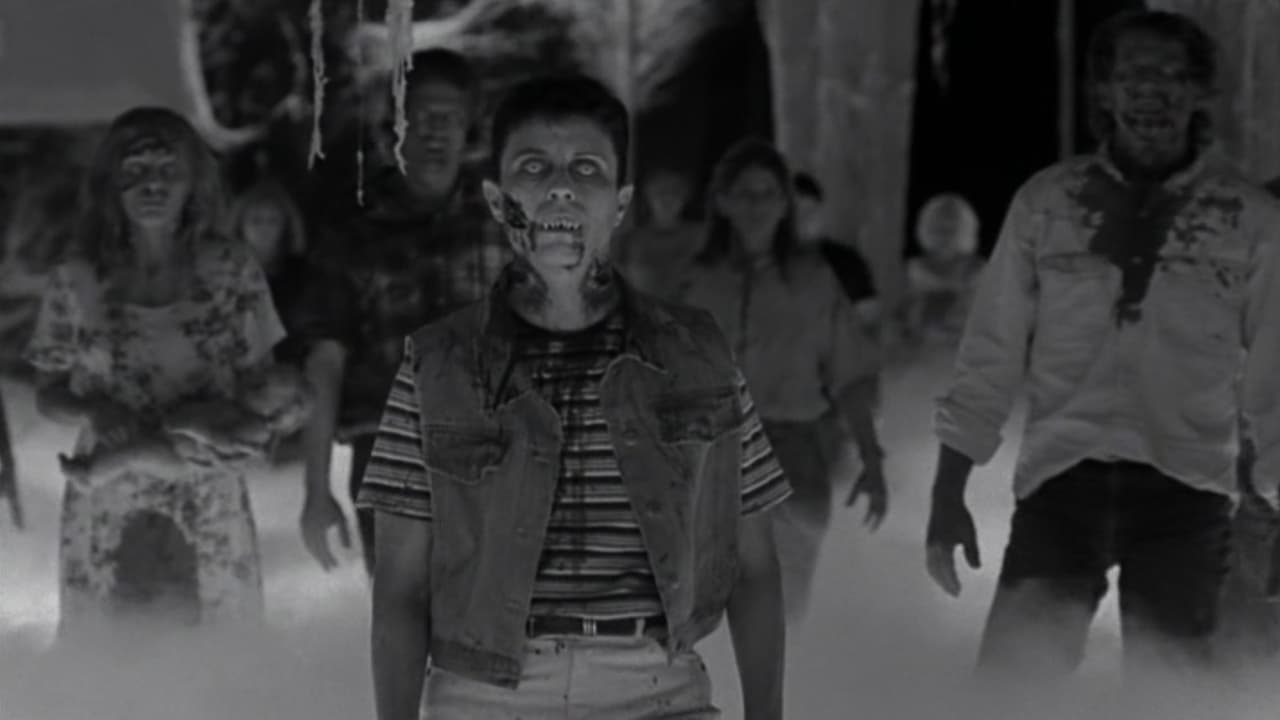
### Coffee, Cigarettes, and Carnage
At the heart of this darkness beats the cynical pulse of Richard Dees, a tabloid journalist played with glorious, unrestrained acidity by the late, great Miguel Ferrer. Dees isn't just morally ambiguous; he’s a dyed-in-the-wool misanthrope, chasing lurid headlines for the sleazy Inside View magazine. He’s the kind of guy who’d step over a corpse to get the perfect, gruesome shot – and probably complain about the lighting. When whispers emerge of a mysterious pilot landing a black Cessna Skymaster at small airfields, leaving drained bodies in his wake, Dees smells blood in the water, both literally and figuratively. His pursuit of this "Night Flier" isn't driven by heroism, but by the potential for the ultimate grotesque scoop. Ferrer, known for playing sharp-tongued characters in everything from RoboCop (1987) to Twin Peaks, utterly embodies Dees. It's said he relished playing such an unrepentant character, bringing a level of weariness and bile that makes Dees compelling even as you despise him. You believe this man lives on stale coffee and nicotine, haunted perhaps not by ghosts, but by his own compromised soul.
### Small Towns, Big Shadows
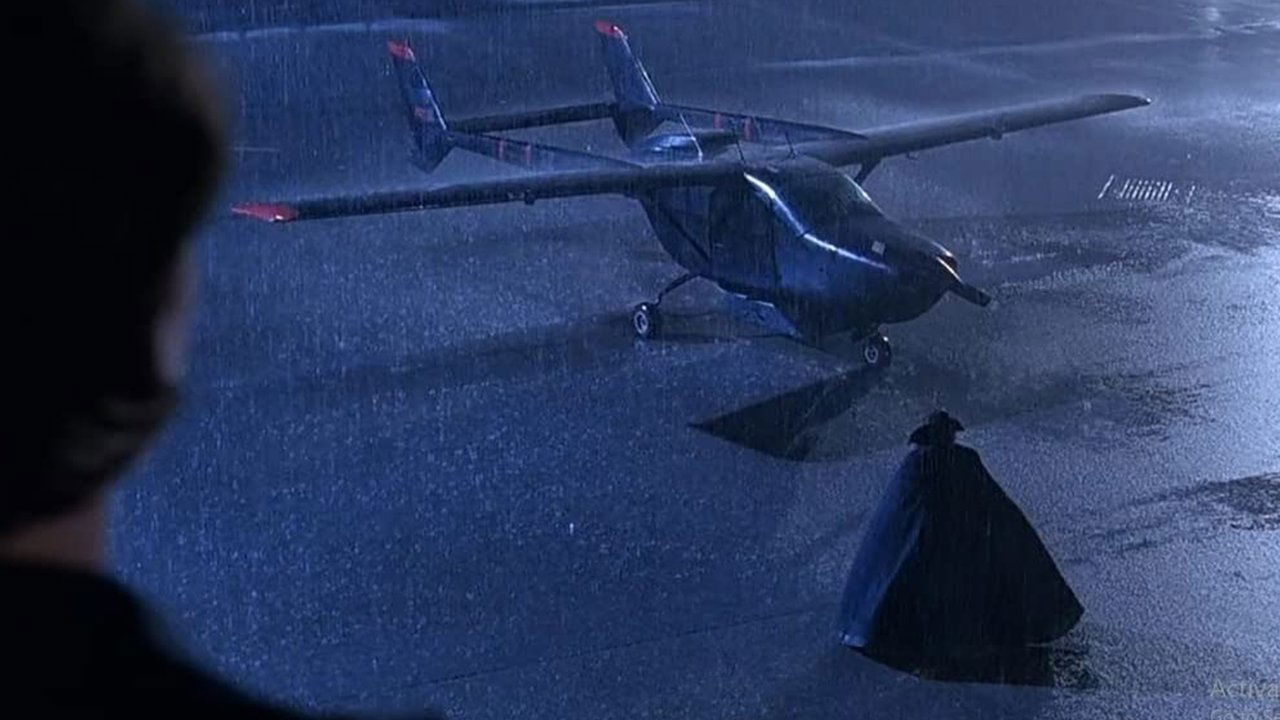
Director Mark Pavia, who co-wrote the screenplay with King collaborator Jack O'Donnell, masterfully stretches the short story's premise without snapping it. He understands that the horror here isn't just about the vampire (credited as Dwight Renfield – a nod to Dracula's bug-eating familiar), but about the desolate spaces he inhabits. The film uses its modest budget (reportedly around $1 million) effectively, focusing on atmosphere over spectacle for much of its runtime. Think dimly lit motel rooms, rain-slicked tarmacs under buzzing fluorescent lights, and the palpable isolation of rural airfields after dark. The cinematography often favors blues and blacks, punctuated by the garish red of spilled blood or the sickly yellow of interior lights, creating a visual style that feels appropriately pulpy and unsettling, perfectly matching the tabloid world Dees operates in. Pavia, a self-professed Stephen King fanatic, landed the gig after impressing King with a short film adaptation of "The Stationary Bike," demonstrating a clear understanding of the author's specific brand of Americana dread. King himself reportedly approved of the final film, a significant endorsement given his history with adaptations.
### When the Mask Comes Off
While Ferrer carries the film, the supporting cast helps fill out this bleak world. Julie Entwisle plays Katherine Blair, an ambitious young reporter who starts as Dees' unwelcome competition but gets drawn into the horrifying reality of the story. Her transition from eager cub reporter to genuinely terrified witness provides a necessary counterpoint to Dees' hardened cynicism. Dan Monahan (Pee Wee from Porky's!) also appears as Merton Morrison, the long-suffering editor of Inside View, grounding the more sensational elements in the mundane reality of tabloid journalism.
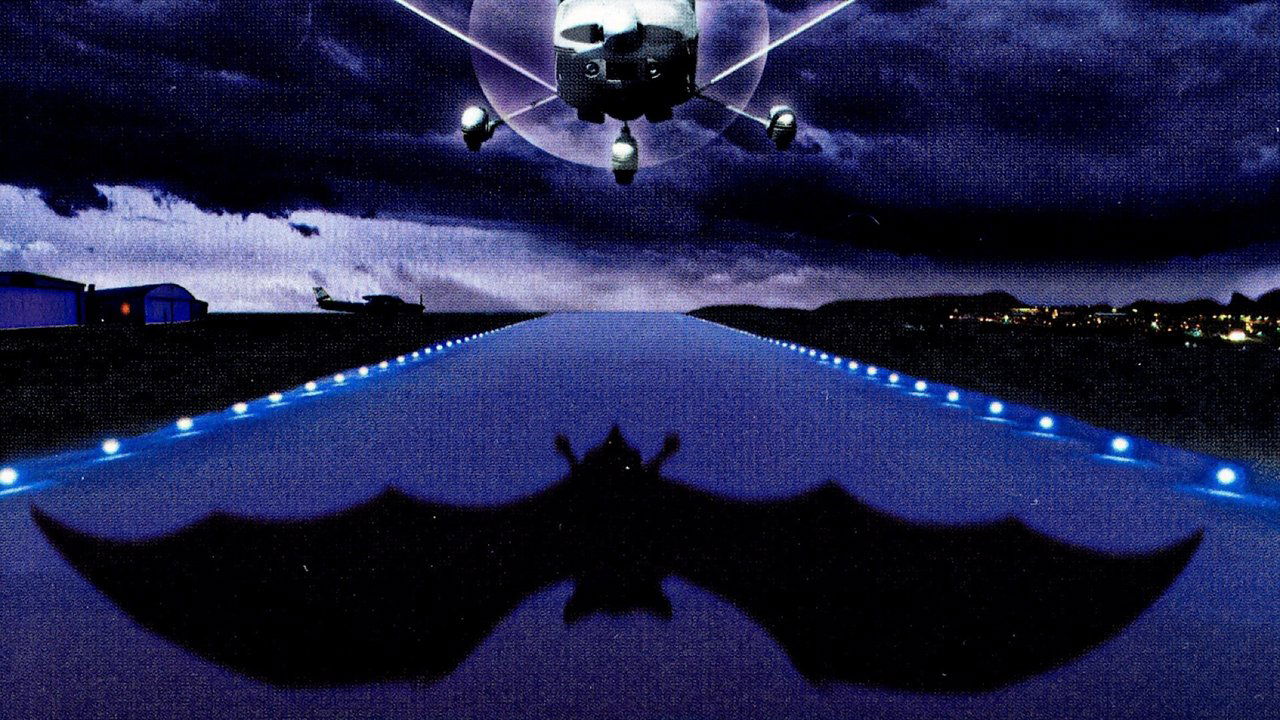
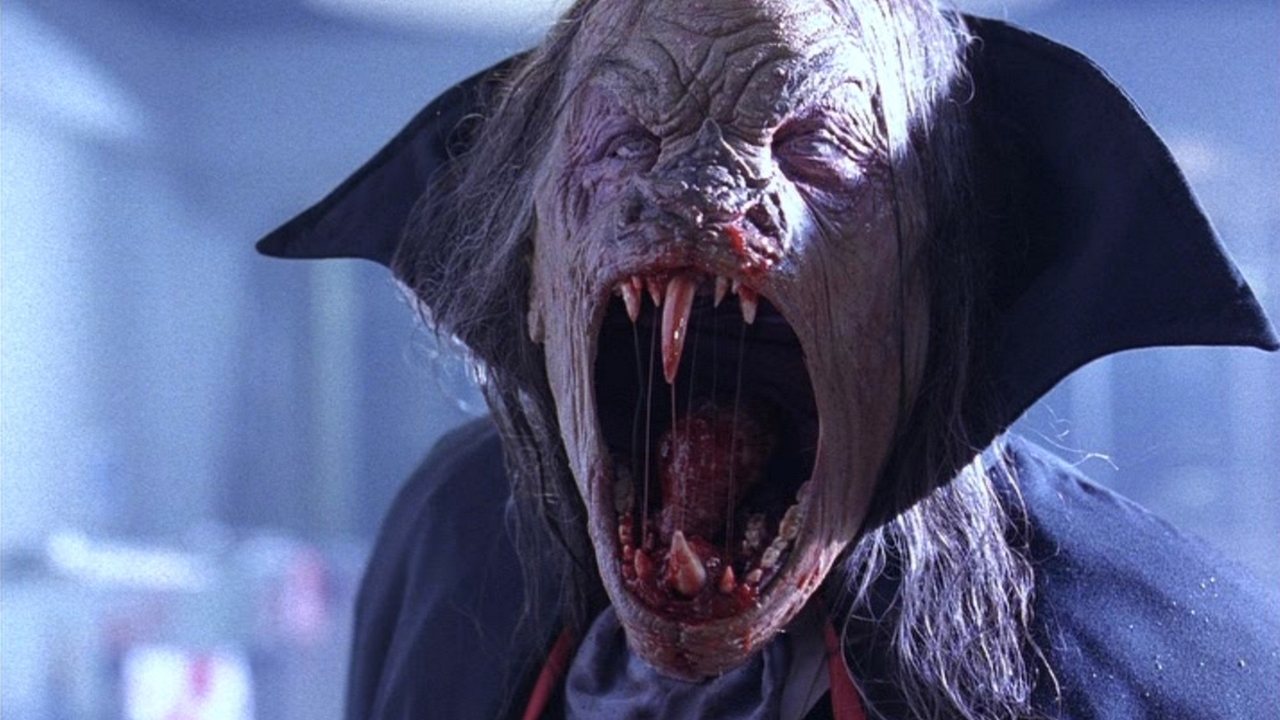
But let's talk about the Flier himself. For much of the film, he's an unseen presence, a phantom glimpsed in reflections or shadows, his horrifying handiwork speaking for itself. This build-up is incredibly effective. When we finally do get a confrontation, the practical makeup effects, designed by KNB EFX Group (veterans of countless horror classics), are genuinely striking, especially for the era. The reveal is grotesque and memorable, leaning into a monstrous design that feels both classic and uniquely unsettling. Does that final sequence in the airport bathroom still pack a punch? Absolutely. It’s a sudden, visceral explosion of gore and nightmare logic that feels earned after the slow-burn tension. Reportedly, the sheer intensity of the final confrontation, particularly the disturbing imagery in the restroom mirror, was a point of contention with the MPAA, contributing to its eventual R-rating and possibly its limited release strategy.
### Echoes in the Static
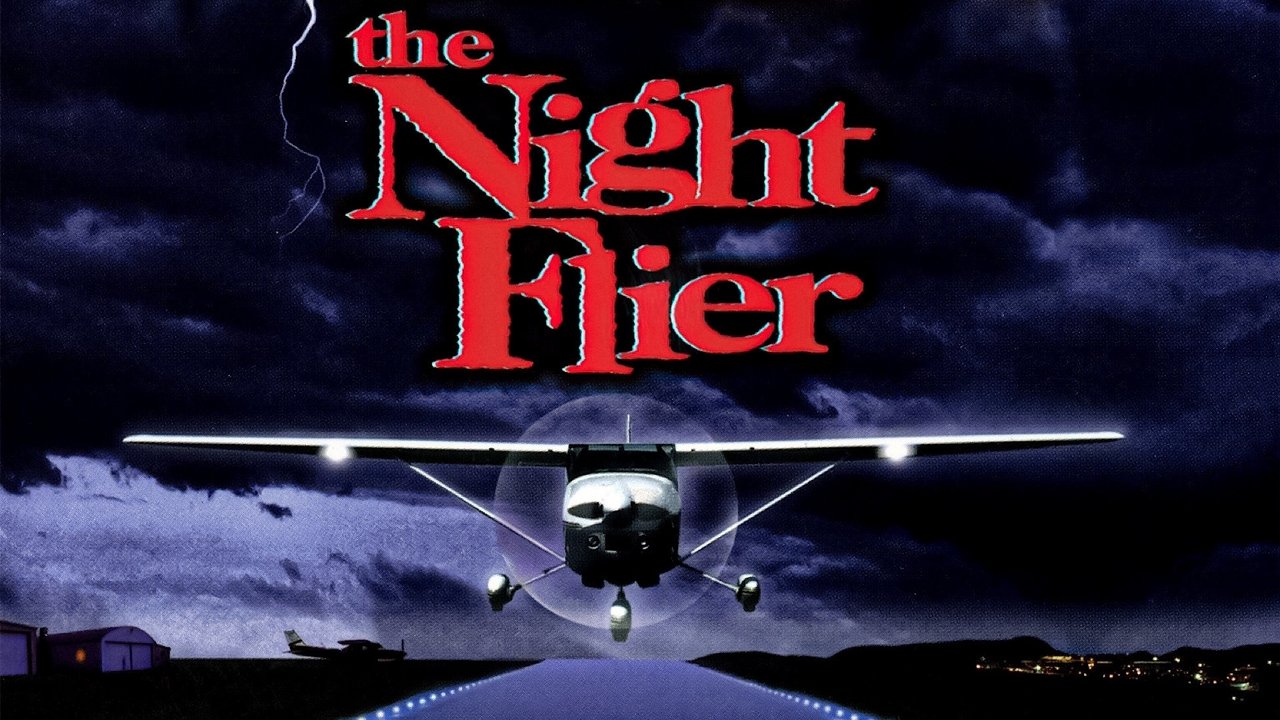
The Night Flier isn't perfect. Some of the dialogue occasionally dips into B-movie territory, and the pacing might test viewers accustomed to more relentless action. But its strengths far outweigh its weaknesses. It’s a character-driven horror story anchored by a phenomenal central performance, drenched in genuine atmosphere, and unafraid to embrace the grimier aspects of its premise. It feels like a quintessential late-90s horror discovery – the kind of tape you’d pick up based on the cover art and the Stephen King name, only to be genuinely surprised by its effectiveness. It taps into that specific fear of the mundane turned monstrous, the idea that horror can touch down anywhere, anytime, announced only by the drone of an approaching engine. It might not have the blockbuster recognition of other King adaptations, but for fans of atmospheric horror and pitch-black character studies, it remains a vital piece of 90s genre filmmaking. I distinctly remember renting this from Blockbuster, drawn by the sinister promise of the cover, and being genuinely creeped out by its bleak tone and that unforgettable climax.
Rating: 8/10
Justification: The Night Flier earns its strong rating through Miguel Ferrer's powerhouse performance, its incredibly effective low-key atmosphere, its successful translation of King's grim tone, and a genuinely shocking and well-executed practical effects finale. While budget limitations occasionally show, Pavia's direction maximizes the dread, making it a standout piece of 90s cult horror that delivers far more than its straight-to-video fate might suggest.
Final Thought: In the vast library of Stephen King adaptations, The Night Flier remains a fiercely atmospheric and unapologetically nasty piece of work that proves sometimes the most chilling monsters are the ones chasing the story, not just making the headlines. It’s a perfect slice of cynical, rain-soaked 90s dread.