The flickering fluorescent lights of the Chicago Field Museum after hours – that's where the chill begins in The Relic. Not with a sudden jolt, but with the unsettling quiet, the shadows stretching impossibly long across polished floors, swallowing exhibits whole. It’s the kind of deep, echoing silence that feels pregnant with unseen movement, the sort that prickled the back of your neck when you watched this slice of 90s creature feature goodness late at night, maybe on a slightly worn VHS tape rented from the corner store.
Echoes in the Halls of History
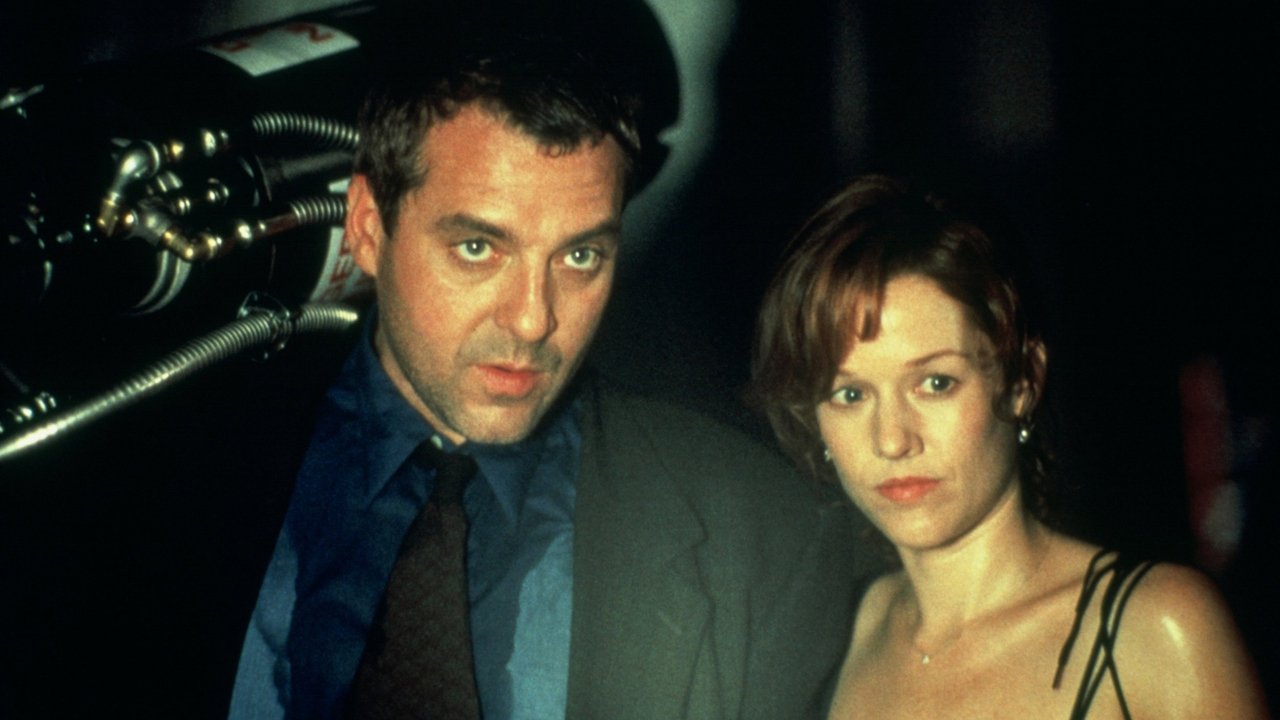
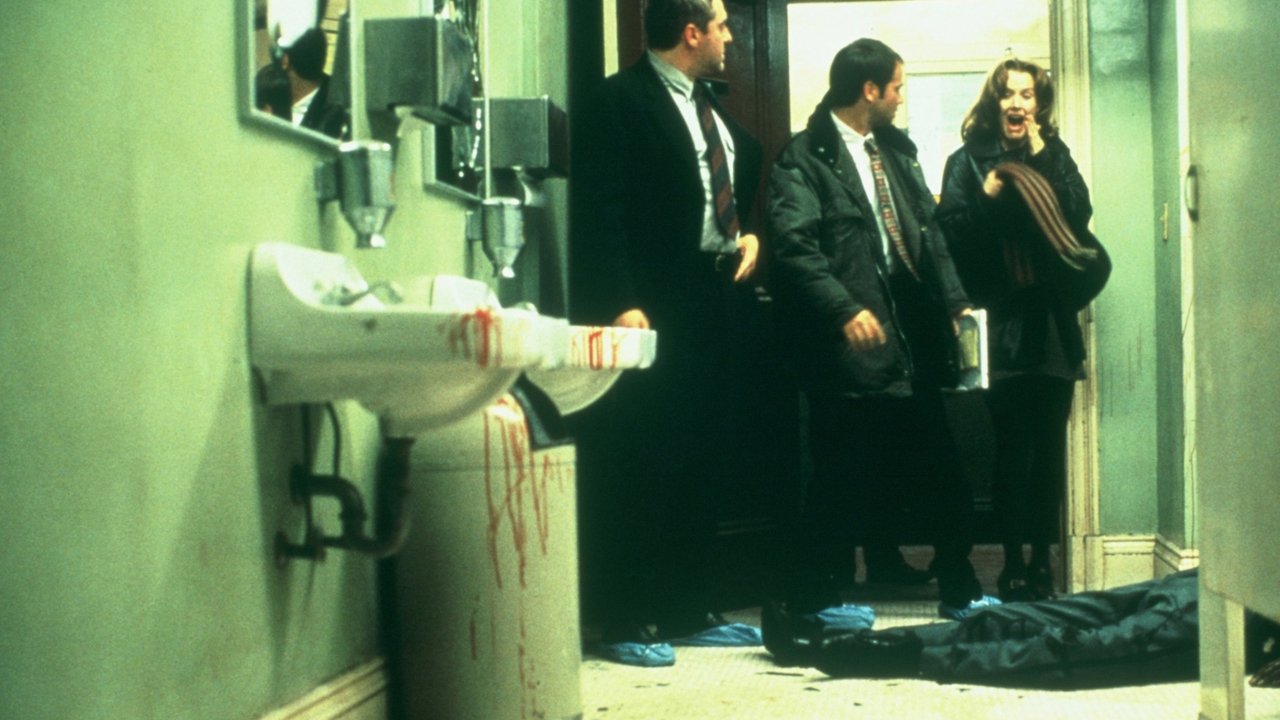
Directed by Peter Hyams (who brought us the claustrophobic sci-fi tension of Outland (1981) and 2010: The Year We Make Contact (1984)), The Relic understands atmosphere. Hyams, famously acting as his own Director of Photography, drenches the museum in shadow and sickly green emergency lighting, turning a place of discovery into a labyrinthine tomb. The premise is classic pulp: an anthropologist sends crates back from South America containing more than just tribal artifacts. Inside lurks something ancient, hungry, and evolving, fueled by specific hormones found in the human hypothalamus. When bodies start piling up – decapitated bodies, mind you – just as the museum prepares for a lavish fundraising gala, Lieutenant Vincent D'Agosta (Tom Sizemore) is called in, reluctantly partnering with evolutionary biologist Dr. Margo Green (Penelope Ann Miller).
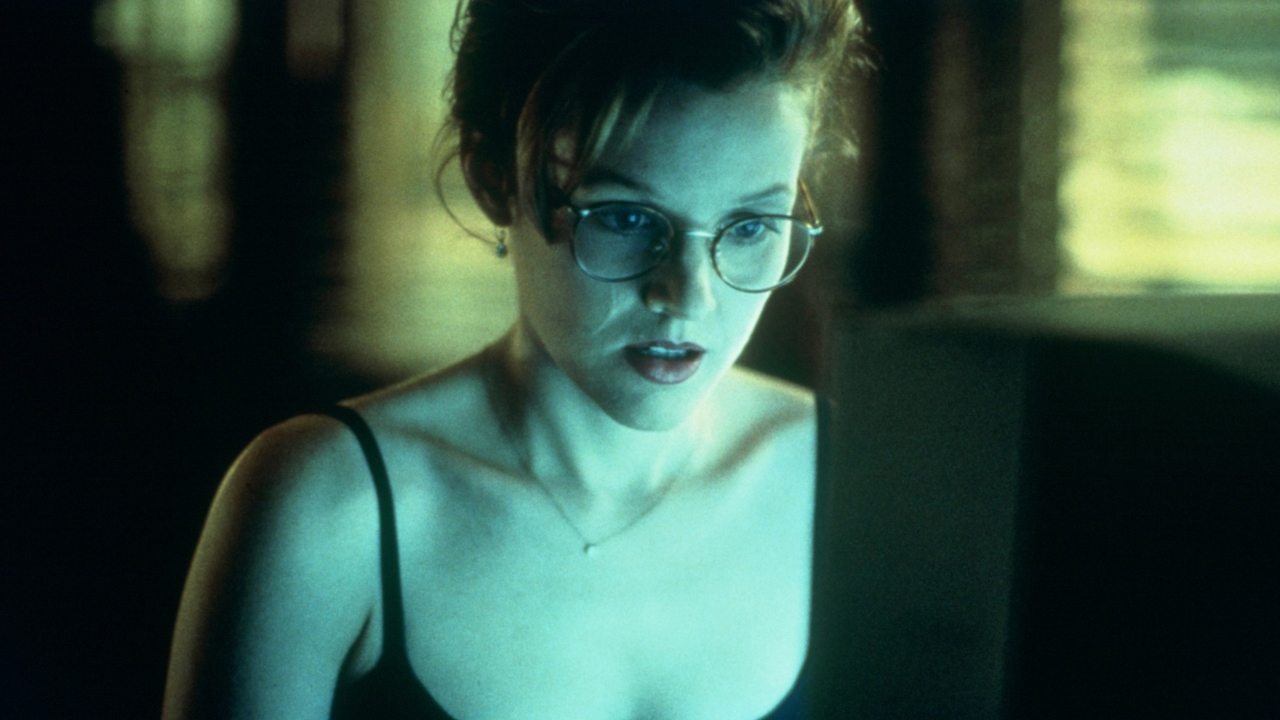
What unfolds is a surprisingly grim and effective monster mash. Forget campy B-movie antics; The Relic often plays its premise straight, focusing on the procedural elements of D'Agosta's investigation and Green's increasingly horrifying scientific discoveries. Sizemore, firing on all cylinders with his trademark gravelly intensity, is perfect as the superstitious but determined cop, grounding the escalating madness. Miller provides the scientific rationale, her initial skepticism giving way to stark terror as the evidence becomes undeniable. And Linda Hunt as the enigmatic Dr. Ann Cuthbert adds a touch of gravitas, overseeing the museum's descent into chaos.
Birthing the Kothoga
Of course, the main attraction is the monster itself – the Kothoga. Brought to life by the legendary Stan Winston Studio (the wizards behind Aliens, Terminator 2: Judgment Day, and Jurassic Park), the creature is a triumph of late-90s practical and digital effects integration. It’s a hulking, reptilian-insectoid nightmare, glimpsed in flashes and shadows for much of the film before its full, terrifying reveal. Remember how genuinely nasty it looked? That slick, chitinous skin, the powerful limbs, those snapping mandibles... it felt substantial, dangerous. Achieving this look was a Herculean effort, reportedly involving complex hydraulics for the full-sized animatronic, performers in suits for certain shots, and then-cutting-edge CGI to smooth movements and add details. While some digital elements might show their age under harsh modern scrutiny, the overall impact, especially the visceral presence of the practical build, remains potent. It’s a far cry from the often weightless digital creations that dominate today.
Interestingly, the Kothoga of the film is significantly different from the creature described in the source novel, "Relic" by Douglas Preston and Lincoln Child (the first in their popular Pendergast series). The book's monster was perhaps even more terrifying in its implications, but Hyams and the writers opted for a more visually cinematic beast. This adaptation choice, focusing on a singular, huntable monster rather than the novel's more complex biological threat, streamlines the narrative for a blockbuster audience, though fans of the book might miss some of the deeper scientific horror.
Museum Mayhem
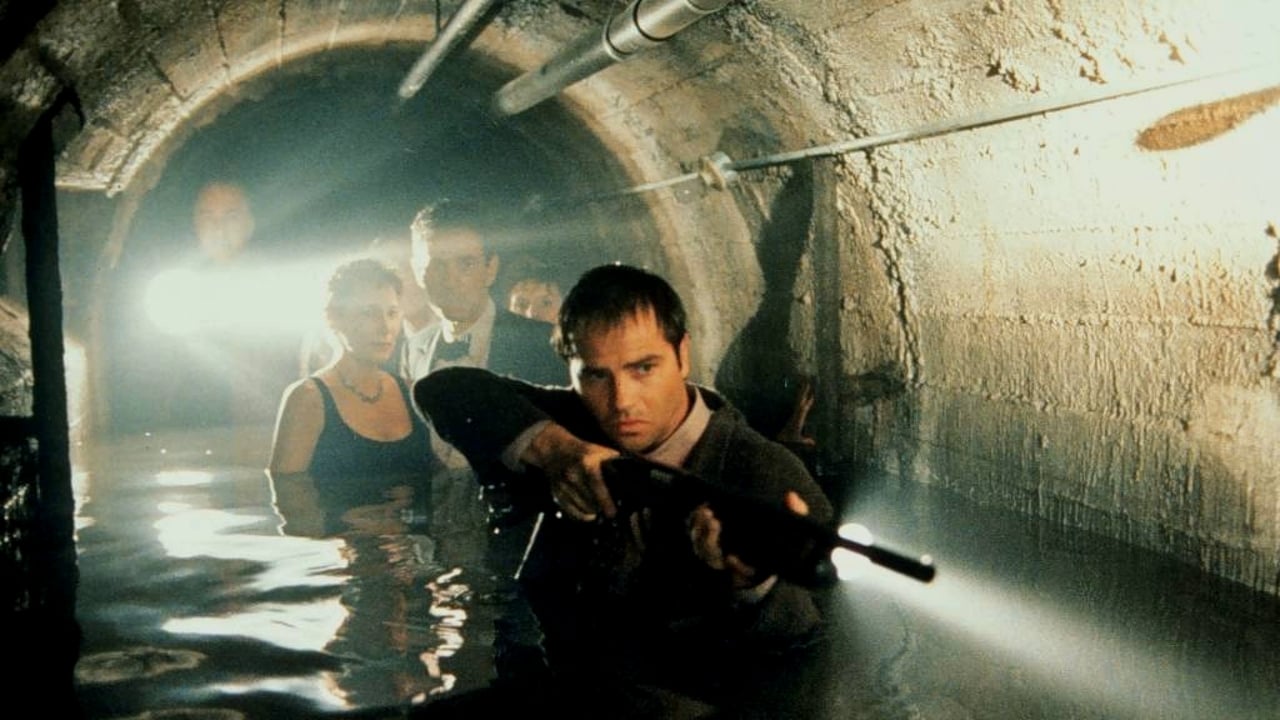
The film truly kicks into high gear when a security lockdown traps the gala attendees, D'Agosta, Green, and the Kothoga inside the museum during a torrential downpour. The ensuing chaos is a masterclass in contained B-movie thrills. The sequences in the flooded basement tunnels, lit only by flickering flashlights, are genuinely tense. Hyams uses the vast, dark spaces of the (meticulously recreated on soundstages) museum to maximum effect, creating a sense of being hunted in an overwhelming, indifferent environment. The mounting body count is surprisingly brutal for a mainstream release of the time, adding real stakes to the survival game. Did that final fiery confrontation in the lab feel earned after all the stalking and near-misses?
There were whispers during production about the challenges of filming within the constraints of the museum setting (even on sets) and wrangling the complex Kothoga effects. The reported $60 million budget (a hefty sum back then, maybe $110 million today) is visible on screen, particularly in the detailed sets and the creature work. Despite this, the film wasn't a runaway box office smash, pulling in around $34 million domestically, perhaps hampered by its darker tone compared to more adventurous creature features of the era. Yet, it developed a sturdy cult following on home video – precisely the kind of film VHS Heaven celebrates.
The Relic - VHS Heaven Rating
7/10
Justification: The Relic earns its 7 for delivering a genuinely atmospheric and often intense creature feature experience. Peter Hyams' moody direction and cinematography create palpable dread, the Stan Winston Kothoga design is a memorable beast, and Tom Sizemore provides a strong anchor. The museum setting is used brilliantly for claustrophobic thrills. Points are deducted for some occasionally clunky dialogue, characters beyond the leads feeling underdeveloped, and minor plot contrivances common to the genre. The CGI, while ambitious for '97, has moments that haven't aged perfectly, though the practical work largely holds up. It successfully blends police procedural elements with monster horror, standing as a solid, slightly underrated entry in the 90s horror canon.
Final Thought: More than just a monster movie, The Relic is a time capsule of late-90s practical effects ambition mixed with burgeoning CGI, wrapped in a genuinely creepy setting. It might not have rewritten the rulebook, but popping this tape in the VCR still guarantees a satisfyingly dark and creature-filled night at the museum.