He watches. He deals. He narrates. But does he ever truly live? That's the cold, magnetic pull of Mike Hodges' late-90s gem, Croupier. It arrived not with the usual blockbuster fanfare of the era, but with a quiet intensity, a film that felt less like entertainment and more like a confession whispered across a felt-green table under the harsh glare of casino lights. Forget the explosive action or broad comedy dominating the multiplexes then; this was something else entirely – a sharp, existential noir that burrowed under your skin.
The Man Behind the Bow Tie
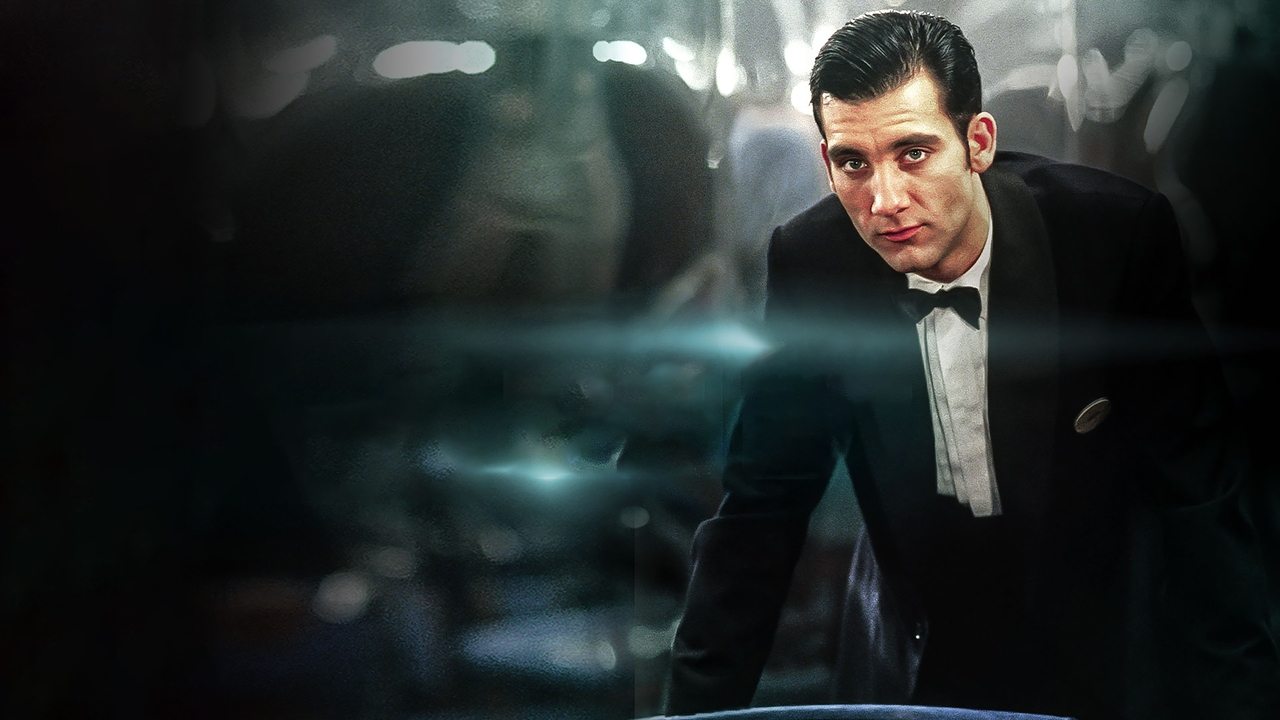
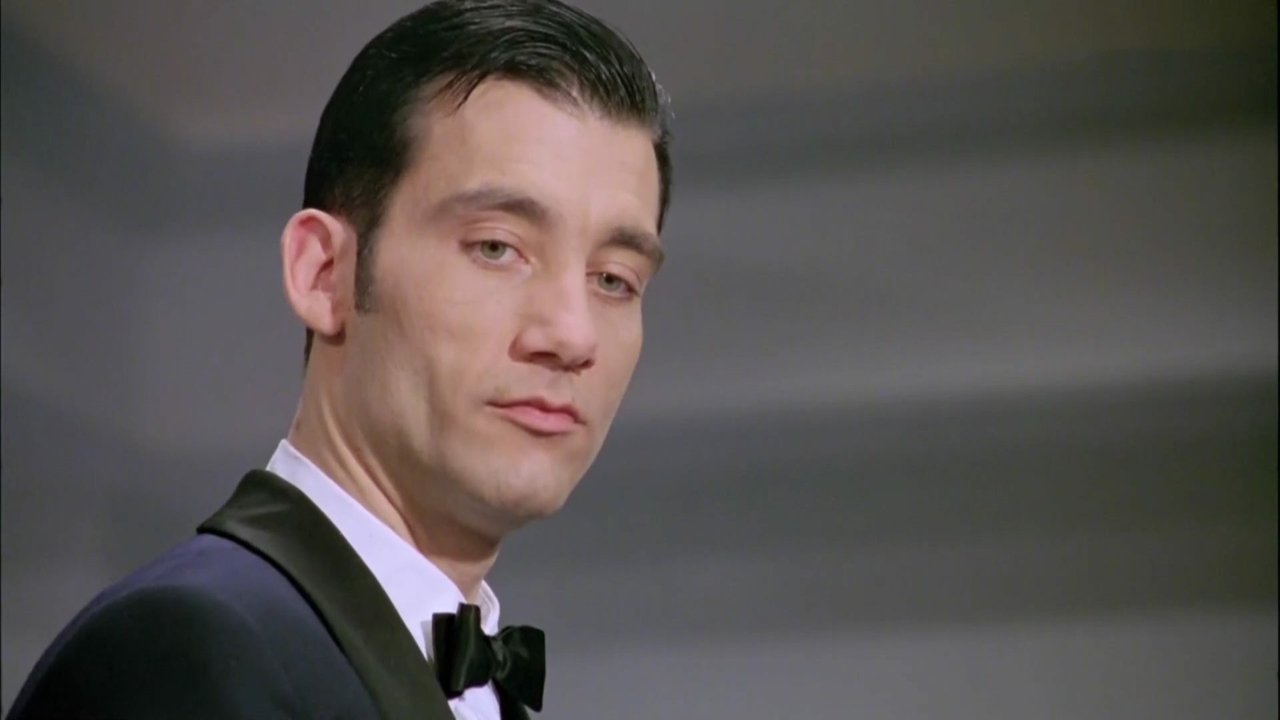
At the heart of it all is Jack Manfred, played by a then relatively unknown Clive Owen in a performance that rightly became his calling card. Jack is a struggling writer who takes a job as a croupier, ostensibly for research, but quickly finds himself drawn into the detached, ritualistic world of the casino. Owen doesn't just play Jack; he inhabits him with a chilling stillness. His narration, delivered in a precise, almost clinical monotone, isn't just exposition; it's the sound of a man observing his own life from a distance, dissecting his motivations (or lack thereof) like hands in a game of blackjack. It’s a performance built on subtle shifts in gaze, the slight tightening of a muscle, conveying a world of internal conflict beneath a placid surface. You believe he is the detached observer, the "croupier" of his own existence.
It’s fascinating to learn that Clive Owen actually underwent professional croupier training in a London casino for the role. This wasn't just method acting indulgence; it lends an undeniable authenticity to his movements – the smooth handling of chips, the precise flick of the cards. That physical confidence anchors the character's psychological detachment, making his descent (or perhaps, his acceptance) into the casino's amoral ecosystem feel utterly convincing.

Hodges' Cool Hand
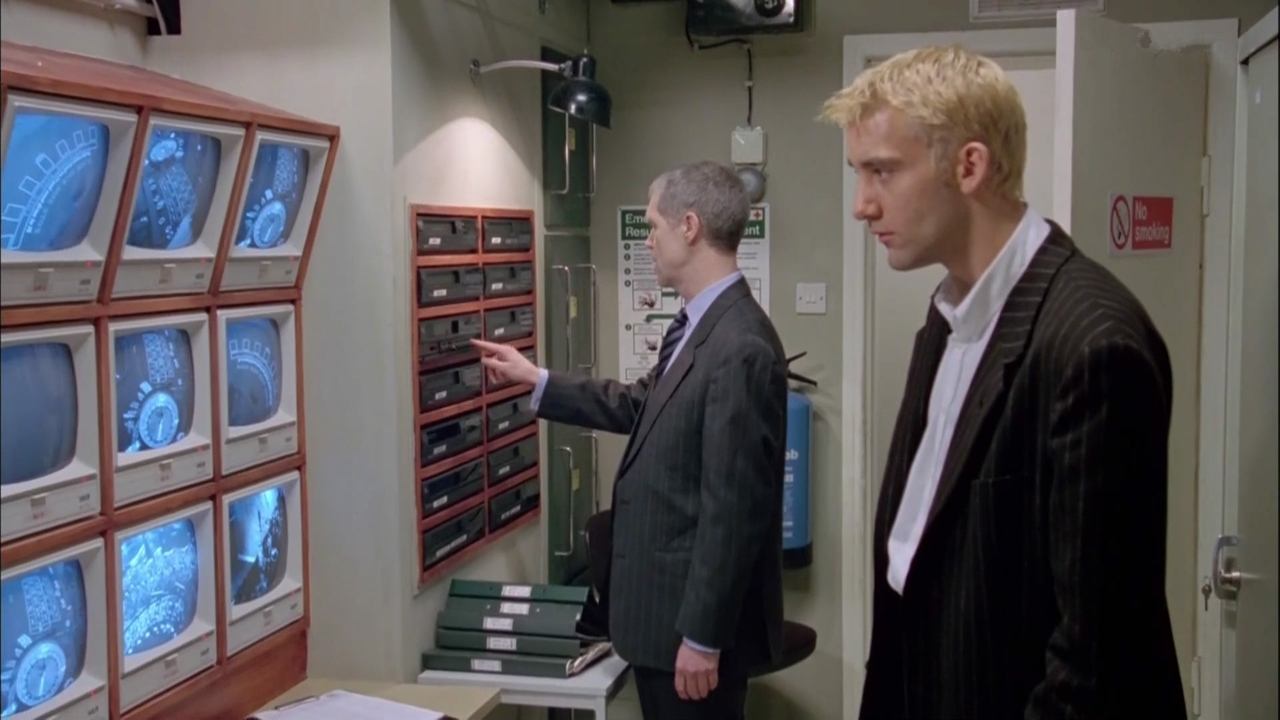
Director Mike Hodges, already a legend for the gritty realism of Get Carter (1971), brings a similarly unsentimental eye here. Working with writer Paul Mayersberg (known for scripting The Man Who Fell to Earth), Hodges crafts a film that feels deliberately claustrophobic. The casino isn't glamorous; it's a sterile, functional space where time seems to warp, populated by ghosts chasing fleeting highs and inevitable lows. Hodges uses tight framing and a muted colour palette, emphasizing the repetitive, almost hypnotic nature of Jack's work. The score is sparse, often letting the ambient sounds of the casino – the clatter of chips, the murmur of voices, the whir of the roulette wheel – create the atmosphere. It’s a masterclass in controlled filmmaking, where less is profoundly more.
The film itself had a curious journey. Initially released in the UK in 1998 to little fanfare, it found its audience later, becoming something of an unexpected art-house hit in the United States around 2000. It’s a testament to the film's unique quality and Owen's magnetic performance that it transcended its quiet beginnings. Perhaps audiences, weary of the decade's excesses, were ready for something sharper, colder, more introspective. It felt like discovering a rare import single tucked away in the racks – different, sophisticated, and slightly dangerous.
Watching the Game, Playing the Man
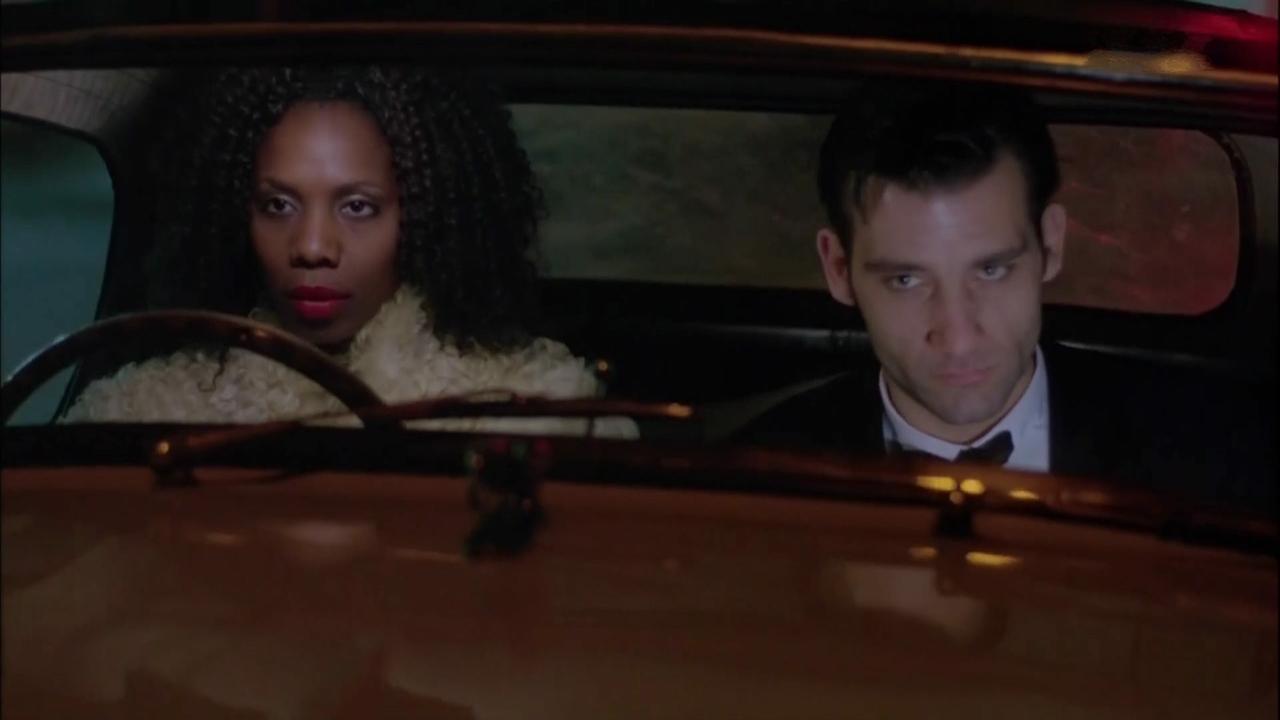
The plot involves Jack getting entangled with a gambler, Jani (Alex Kingston, bringing a compelling blend of vulnerability and recklessness), who wants his inside help for a casino heist. His existing relationship with Marion (Kate Hardie), a pragmatic police detective, becomes strained not just by his job but by his increasing emotional withdrawal. Yet, the plot mechanics feel secondary to the film's central theme: the seductive nature of observation turning into participation. Jack insists he's merely watching, gathering material, maintaining professional distance. "I don't gamble," he states flatly. But doesn't his detached observation become its own kind of gamble, a high-stakes bet on his own soul? The lines blur brilliantly, forcing us to question his reliability as a narrator and the true nature of his control.
One fascinating tidbit often overlooked is Paul Mayersberg's initial script, which apparently existed for years before Hodges became attached. It reportedly underwent significant changes, evolving into the tightly focused character study we see. Knowing this adds another layer – the sense of a story refined down to its essential, chilling core. It wasn't rushed; it was honed.
Why It Still Holds
Croupier remains potent because it resists easy answers. Jack isn't a hero or an anti-hero in the conventional sense. He's a cipher, reflecting the emptiness he observes, perhaps even cultivating it. The film explores addiction, not just to gambling, but to detachment itself – the thrill of watching others lose control while believing you remain immune. Doesn't this resonate with aspects of modern life, our curated online personas observing a world often kept at arm's length? It’s a film that lingers, prompting reflection long after the cool blue credits roll. It doesn't offer the warm fuzzies of typical 90s nostalgia, but provides something more substantial: a glimpse into a perfectly realized, morally ambiguous world.
***
Rating Justification: 8/10
Croupier earns a strong 8 for its sheer distinctiveness and masterful execution within its specific, chilly niche. Clive Owen's star-making performance is mesmerizing in its control and subtlety, perfectly embodying the film's themes. Mike Hodges' direction is precise and atmospheric, creating an unforgettable sense of place and mood without resorting to genre clichés. The screenplay is intelligent, exploring complex ideas about observation, morality, and identity through its unreliable narrator. While its deliberate detachment might leave some viewers cold, and the plot mechanics occasionally feel a touch familiar within the noir framework, these are minor quibbles. The film’s strength lies in its unwavering commitment to its tone and its central character study, resulting in a sophisticated and enduring piece of late-90s cinema that stands apart. The authenticity brought by elements like Owen's training and the film's own underdog success story only add to its appeal.
Final Thought: Long before the anti-hero dominated prestige TV, Croupier gave us Jack Manfred – a man so intent on watching the game, he risked becoming just another chip on the table. A cautionary tale dressed in a sharp suit, forever dealing under the unforgiving casino lights.