It begins, as profound moments often do, with something utterly mundane, almost absurd: a missed train, a disputed restaurant bill, a lost passport. Yet, from this chaotic jumble of everyday frustrations at a remote railway station diner, emerges one of the most touching and bittersweet portraits of connection I’ve encountered from the era – Eldar Ryazanov's 1982 masterpiece, Station for Two (Вокзал для двоих). This isn't a film that shouts its intentions; it unfolds with the gentle rhythm of life itself, revealing deep truths about resilience, sacrifice, and the unexpected places love can bloom, even under the grey skies of Soviet reality.
An Unlikely Rendezvous
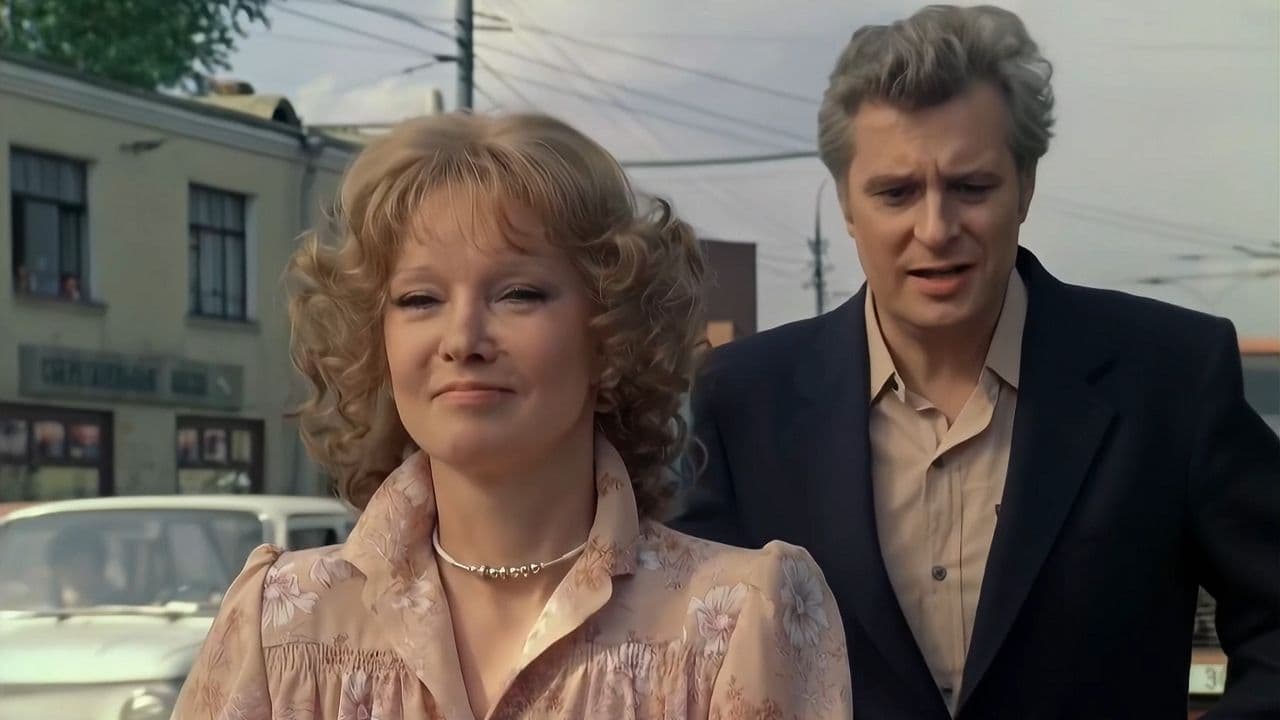
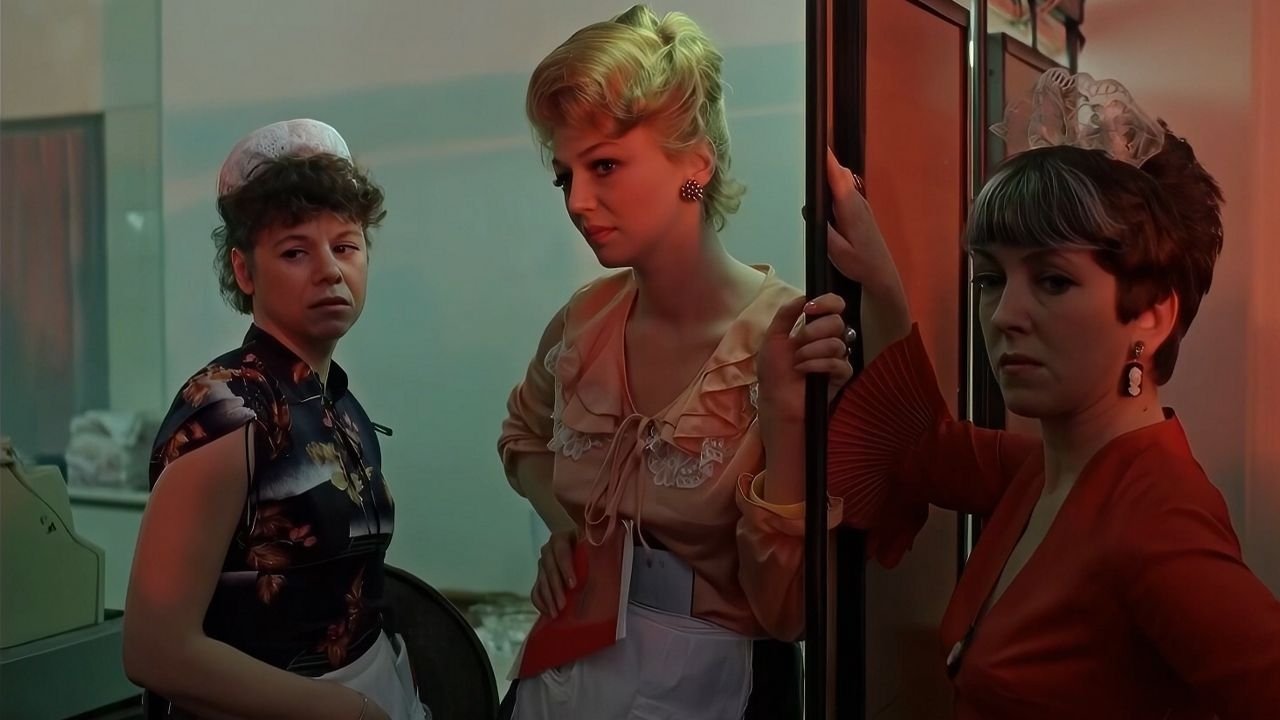
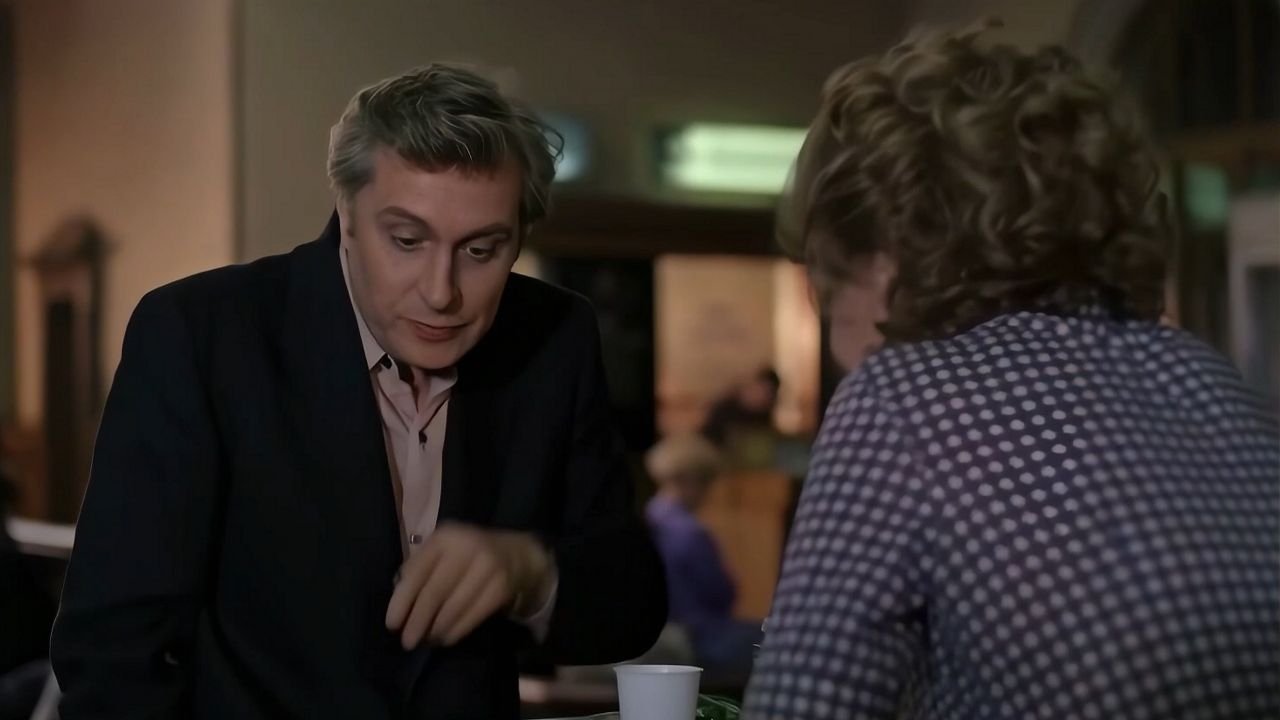
The premise finds Platon Ryabinin (Oleg Basilashvili), a concert pianist en route to visit his incarcerated father (or so he initially claims), temporarily stranded at a dreary provincial train station. His travelling companion (later revealed to be his wife) consumes his pre-paid meal at the station restaurant, leading to a standoff with the sharp-tongued, world-weary waitress, Vera Nefyodova (Lyudmila Gurchenko). Platon misses his train, loses his documents, and finds himself stuck in this middle-of-nowhere transit hub, reliant on the begrudging hospitality of the very woman he clashed with. What starts as mutual antagonism slowly, believably, melts into something far more complex and tender.
Ryazanov, alongside his frequent writing partner Emil Braginsky – the team who gave us beloved Soviet classics like Irony of Fate (1976) and Office Romance (1977) – possesses a unique gift for finding the extraordinary within the ordinary. The station itself becomes a microcosm of late-Soviet life: the shortages, the petty corruption (personified by Vera's boorish black-marketeer fiancé, played with slimy charm by Nikita Mikhalkov), the bureaucratic indifference, but also the underlying currents of human decency and the yearning for something more.
Portraits Drawn from Life
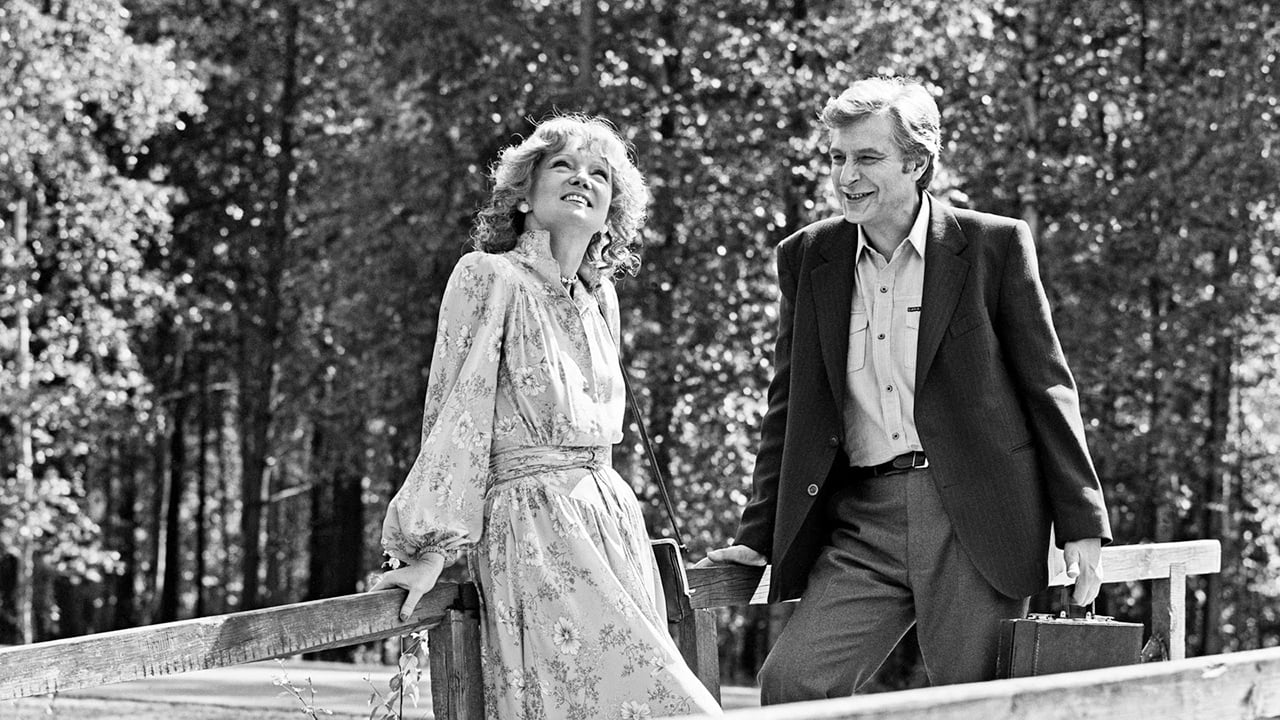
What elevates Station for Two beyond mere romantic drama is the staggering authenticity of its central performances. Lyudmila Gurchenko, already a Soviet screen legend, is simply magnificent as Vera. She embodies the toughness required to survive, her sharp wit a defense mechanism honed by years of disappointment. Yet, beneath the hardened exterior, Gurchenko allows glimpses of vulnerability, warmth, and a desperate longing for genuine affection to surface. It’s a performance devoid of vanity, etched with the weariness of a life lived waiting – waiting for customers, waiting for trains, waiting for a change that might never come.
Opposite her, Oleg Basilashvili delivers a masterclass in understated dignity and quiet desperation. Platon is a man carrying a heavy burden – the secret that he is actually on his way to prison, taking the fall for a crime his wife committed. Basilashvili conveys this internal turmoil not through histrionics, but through subtle shifts in expression, the weight in his posture, the melancholy that clouds his eyes even when sharing a moment of laughter with Vera. The chemistry between Gurchenko and Basilashvili is palpable; their interactions feel utterly real, capturing the awkward dance of two guarded souls slowly opening up to one another. You believe every hesitant smile, every shared glance, every difficult conversation.
Beneath the Surface
Ryazanov doesn't shy away from the grim realities facing his characters. Platon's impending imprisonment casts a long shadow over the burgeoning romance, lending it a poignant urgency. The film subtly critiques the societal structures that enable injustice and reward callousness, yet its focus remains firmly on the human element. It asks profound questions: What defines loyalty? What sacrifices are we willing to make for love, or perhaps, for a sense of personal integrity? How do we find meaning and connection when trapped by circumstances beyond our control?
I recall watching this years ago, perhaps on a slightly fuzzy, multi-generational VHS copy, and being struck by how lived-in it all felt. The crowded station, the clatter of dishes, the steam rising from the samovar – Ryazanov creates an atmosphere so thick you can almost taste the dill in the soup. It’s a far cry from the slick escapism often found in Western cinema of the same period; this film has the texture of real life, its joys and sorrows interwoven. It reportedly resonated deeply with Soviet audiences, becoming a massive box office success – a testament, surely, to its truthful reflection of their own experiences and aspirations.
The Lingering Note
Station for Two isn't always an easy watch. It carries a distinct strain of melancholy, reflecting the often harsh realities its characters navigate. Yet, it's precisely this blend of humour, hardship, and heartfelt emotion that makes it so enduring. It celebrates the resilience of the human spirit and the profound impact of finding someone who truly sees you, even in the most unlikely of circumstances, at the most inconvenient of times.
Rating: 9/10
This rating feels earned through the sheer power of the lead performances, Ryazanov's masterful direction that balances humour and pathos perfectly, and the film's deeply resonant exploration of human connection against a realistically portrayed backdrop. It avoids melodrama, finding its power in quiet moments and unspoken understanding. It’s a film that stays with you, a poignant reminder that sometimes, the most important journeys begin when you unexpectedly miss your train. What truly lingers is the quiet strength found in shared vulnerability, a warmth that transcends borders and decades.