Some films arrive wrapped in pastel colours and witty Southern charm, promising a light, sweet confection, only to quietly unpack a weight of emotional truth that stays with you long after the VCR clicks off. Steel Magnolias (1989) is precisely that kind of movie – a VHS tape many of us probably rented expecting easy laughs and maybe a tear or two, but found ourselves revisiting for the profound depiction of female friendship and resilience simmering beneath the Aqua Net fumes. It’s a film that feels like catching up with old friends, their familiar banter echoing the rhythms of life itself – messy, hilarious, and heartbreakingly real.

Welcome to Truvy's Salon
The heart of Chinquapin Parish, Louisiana, beats strongest within the walls of Truvy Jones's beauty salon. Here, amidst the whir of hairdryers and the scent of perm solution, life unfolds. We meet the unforgettable ensemble who form the film’s bedrock: the warm, wise Truvy (Dolly Parton, radiating effortless charisma); her timid new assistant Annelle (Daryl Hannah, capturing a journey from uncertainty to belonging); the sharp-tongued, perpetually exasperated Ouiser Boudreaux (Shirley MacLaine, in a performance of pure comedic gold); the sophisticated, wry former first lady Clairee Belcher (Olympia Dukakis, delivering every line with impeccable timing); and the fiercely protective M'Lynn Eatenton (Sally Field). Orbiting them all is M'Lynn's daughter, Shelby (Julia Roberts), bright and optimistic, preparing for her wedding day even as she navigates the serious health challenges of Type 1 diabetes. The film, adapted by Robert Harling from his own stage play about the loss of his sister, uses Shelby's journey – her marriage, her decision to have a child against medical advice, and the subsequent complications – as the narrative thread binding these women's lives together.
A Masterclass in Ensemble Acting
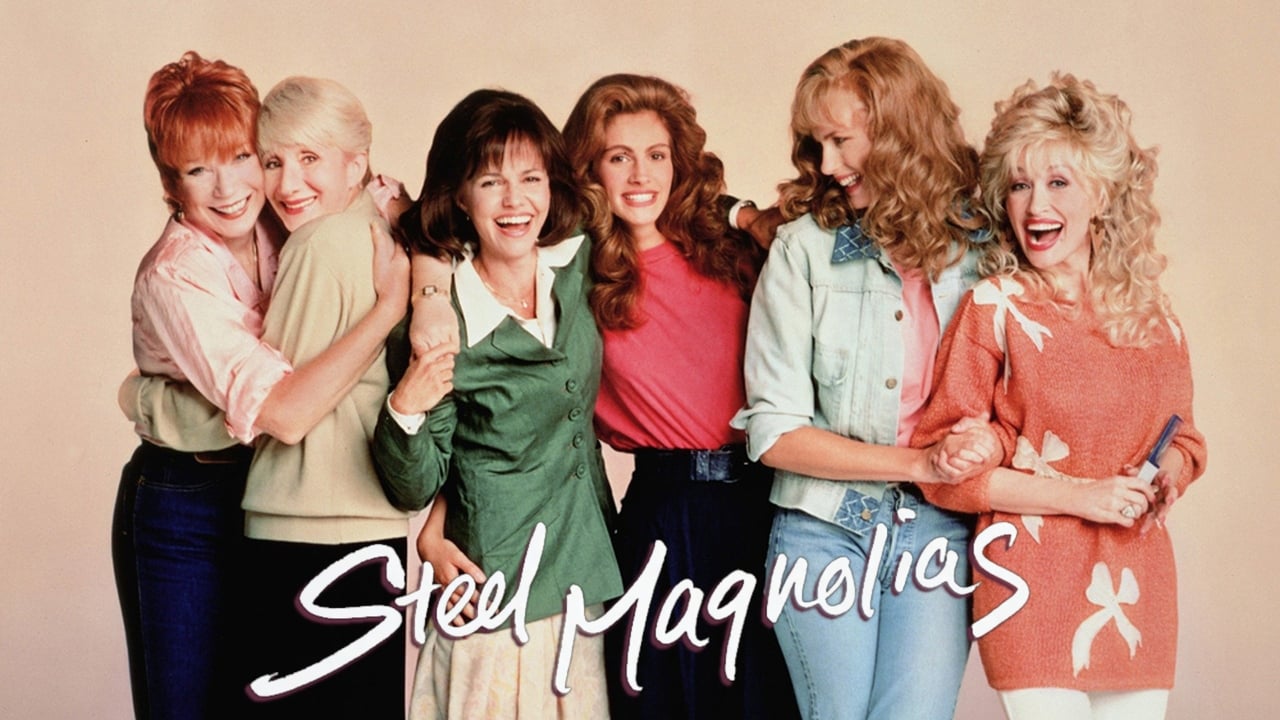
If Steel Magnolias endures, it’s largely due to the powerhouse performances from its central cast. This isn't just acting; it's alchemy. Sally Field delivers a portrayal of maternal love and grief that is almost unbearably raw, particularly in the film's devastating latter half. Her famous graveyard scene ("Laughter through tears is my favorite emotion!") feels less like a performance and more like witnessing exposed human agony, a moment forever etched in cinematic memory. Robert Harling shared that Field often stayed deeply immersed in the character's grief between takes, a testament to her commitment.
Opposite Field, Dolly Parton is the comforting anchor, dispensing wisdom with a smile ("Honey, time marches on, and eventually you realize it is marchin' across your face."). Shirley MacLaine steals nearly every scene she’s in as Ouiser, her crusty exterior barely concealing a begrudging affection for her friends. Imagine, Bette Davis apparently saw the play and told Harling she wanted the role – while MacLaine made it iconic, what a fascinating alternative that might have been! Olympia Dukakis, fresh off her Oscar win for Moonstruck (1987), matches MacLaine beat for beat with dry wit. And then there's Julia Roberts. Relatively unknown at the time, her casting was a stroke of genius. She embodies Shelby's vibrant spirit and vulnerability so completely, earning her first Oscar nomination and launching her into superstardom. It’s the chemistry between these women, the lived-in feeling of their shared history and affection, that makes the film resonate so deeply.
Beneath the Laughter, Real Life
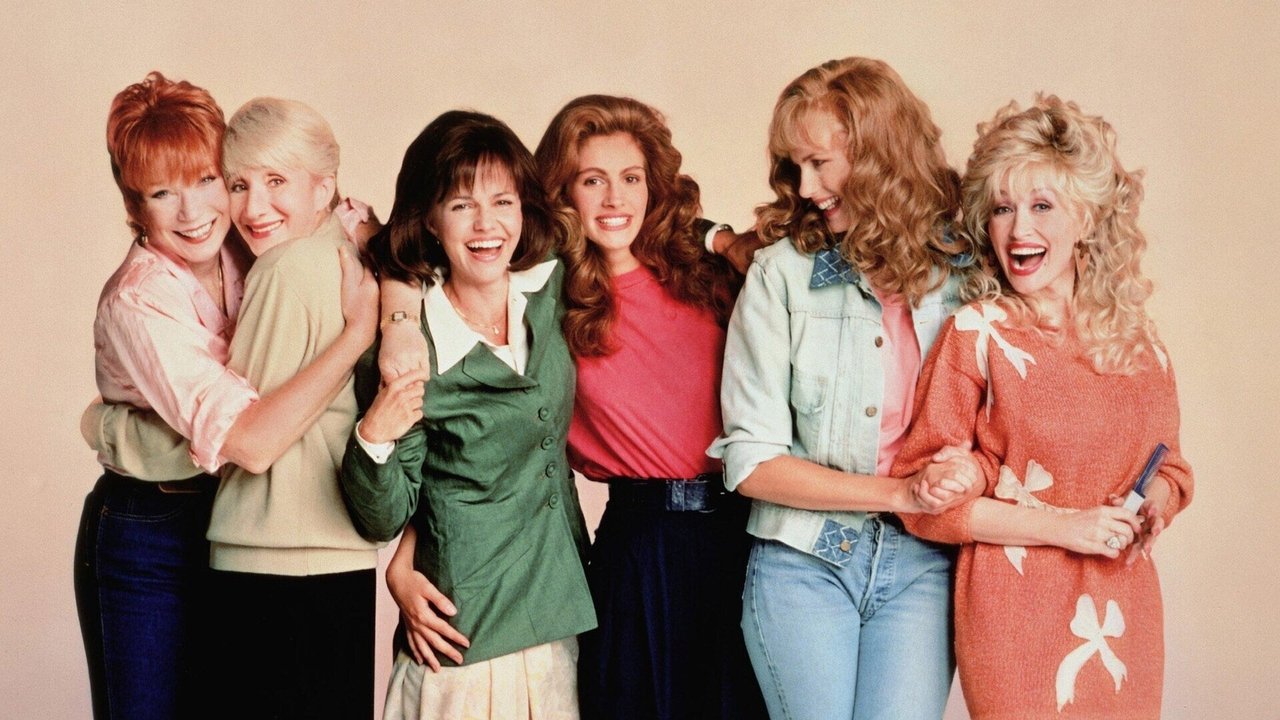

Directed by Herbert Ross (known for films like Footloose (1984) and The Turning Point (1977)), Steel Magnolias masterfully navigates the tricky terrain between comedy and tragedy. The dialogue crackles with witty Southern repartee, filled with instantly quotable lines often centered around Ouiser’s perpetual state of annoyance ("I'm not crazy, M'Lynn, I've just been in a very bad mood for 40 years!"). Yet, the film never shies away from the profound sadness woven into its fabric. It understands that life’s absurdity often sits right alongside its deepest sorrows. This delicate balance is a direct reflection of Harling's own experience, transforming his personal grief into a story that celebrates the community that helps us endure. Interestingly, reports surfaced of on-set friction between Ross and some of the actresses, particularly Parton and Roberts. Yet, watching the film, there’s no hint of this; the camaraderie feels utterly genuine, a testament to the professionalism and talent involved.
VHS Memories and Southern Comfort
Filmed on location in Robert Harling's hometown of Natchitoches, Louisiana (the Eatenton house is now a popular B&B), the setting itself feels like a character, imbuing the film with an authentic sense of place. This wasn't just a Hollywood backlot; it felt real, familiar. I distinctly remember the Steel Magnolias VHS tape being a staple in our house, its pastel cover promising something softer than the emotional journey within. It was one of those films, costing around $15 million but pulling in over $95 million domestically (a hefty sum back then!), that found its audience through word-of-mouth and countless rentals, becoming a touchstone for discussions about friendship, loss, and strength. Seeing those hairstyles and fashions now certainly sparks a nostalgic chuckle, doesn't it? But the core emotions remain timeless.
Enduring Strength
Steel Magnolias is often labelled a "chick flick," a term that feels woefully inadequate. It’s a film about the incredible resilience of the human spirit, the unique power of female bonds, and the ways we find strength in each other during life’s most challenging moments. It explores the complexities of mother-daughter relationships, the bittersweet passage of time, and the messy, beautiful reality of community. It asks us, implicitly, how we support those we love when faced with the unthinkable. What endures most, long after the credits roll, is the feeling of having spent time with women who are undeniably tough, yet profoundly tender – truly, magnolias made of steel.
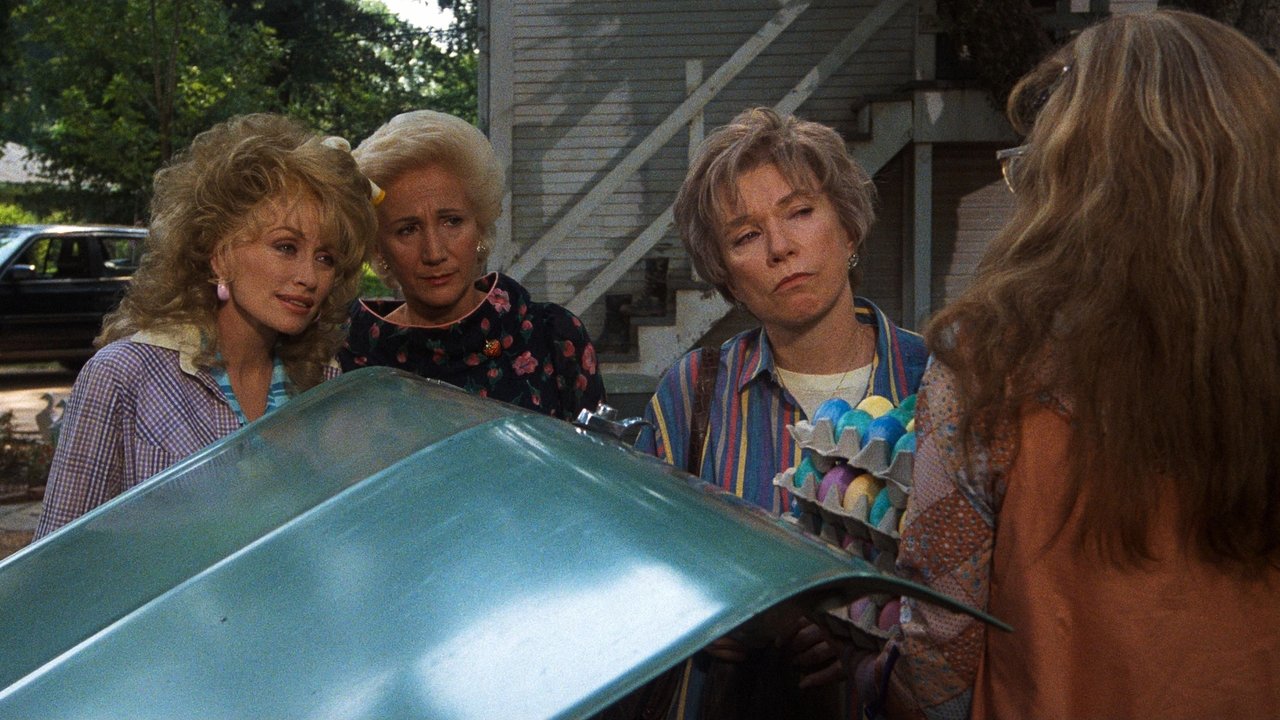
Rating: 9/10
This rating reflects the film's exceptional ensemble cast delivering career-defining (or launching) performances, a script that masterfully blends authentic humor and deep pathos derived from real life, and its enduring emotional impact. While firmly rooted in its late 80s aesthetic, the universal themes of friendship, love, loss, and resilience ensure its power hasn't faded. It earns its tears honestly, making the laughter all the sweeter.
A true treasure of the VHS era, Steel Magnolias remains a potent reminder that sometimes the greatest strength is found simply by showing up for one another, armed with gossip, advice, and a can of hairspray.