It crawls under your skin, this film. Not like a jump scare that makes you spill your drink, but like a fever dream dredged up from the grimiest corner of the collective unconscious. For years, Jim Van Bebber's The Manson Family (often referred to by its earlier title, Charlie's Family) was the stuff of underground legend, a cinematic phantom whispered about on message boards and traded on nth-generation VHS tapes. Its eventual official release in 2003 felt less like a premiere and more like an artifact finally unearthed, stained and unsettling. Watching it feels like handling something you shouldn't, a ragged document of madness captured with terrifying intimacy.
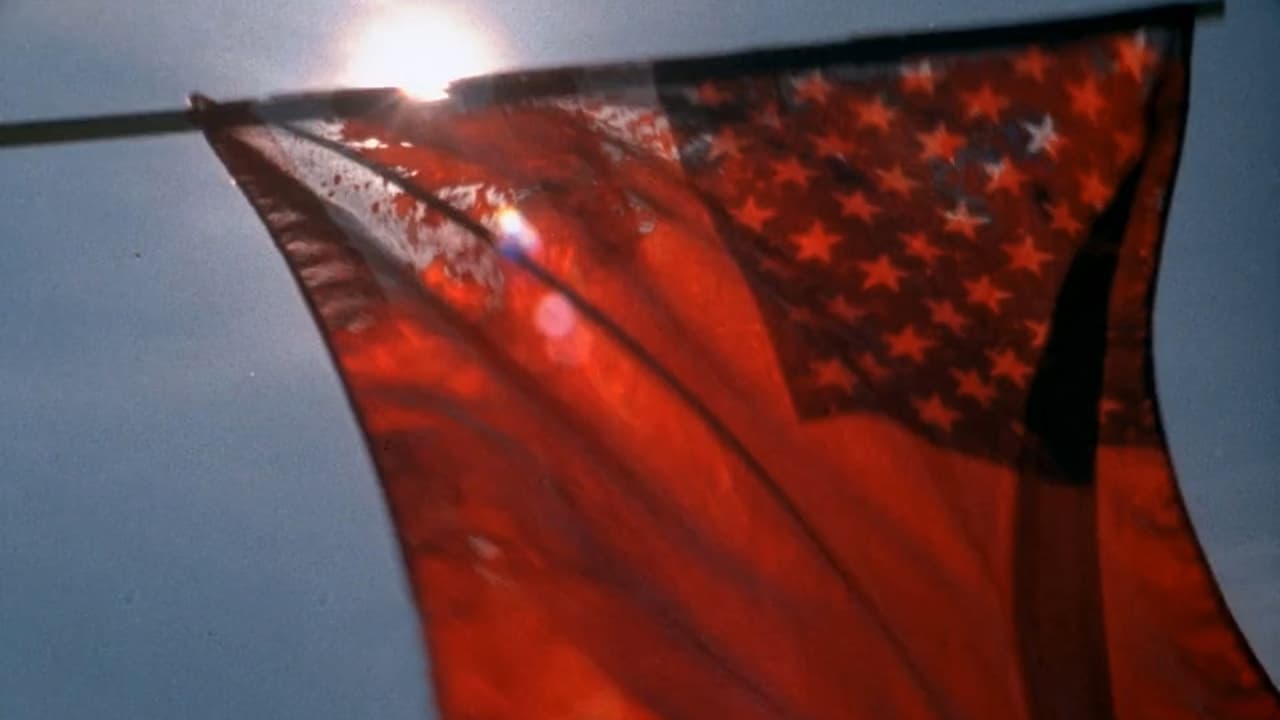
A Descent Forged in Patience and Grime
The story behind the camera is almost as infamous as the one depicted on screen. Van Bebber, known for his uncompromising short films like Deadbeat at Dawn (1988) and the truly confrontational My Sweet Satan (1994), embarked on this project in the late 80s. What followed was a grueling, protracted production stretching over nearly 15 years, plagued by funding nightmares and logistical hurdles that would have crushed a less obsessive filmmaker. Shot piecemeal on 16mm whenever money or opportunity allowed, this protracted gestation period inadvertently baked a layer of authentic grime and weariness into the film's very celluloid soul. You can almost feel the years passing, the project clinging to life through sheer force of will. This wasn't a slick Hollywood production; it was guerrilla filmmaking fuelled by raw conviction, a desperate attempt to capture lightning – or perhaps something much darker – in a bottle.
Beyond Exploitation, Into Experience
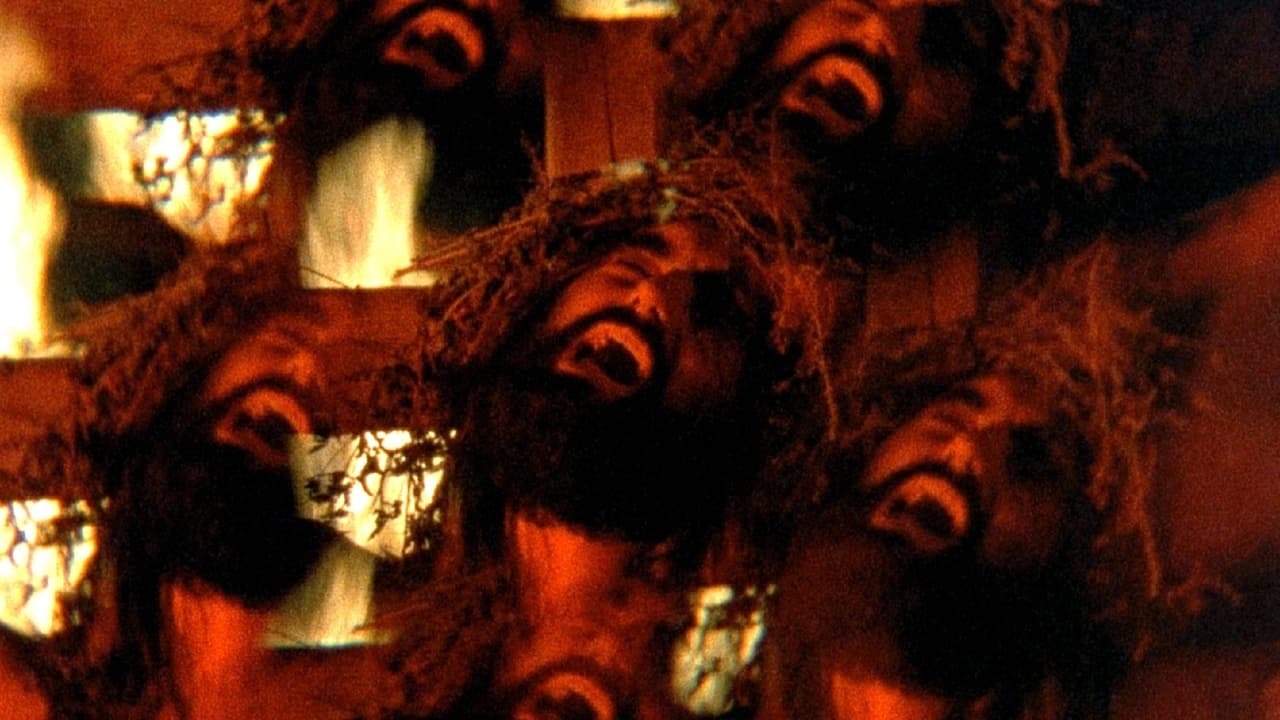
It’s easy to slap the "exploitation" label on The Manson Family, and visually, it certainly doesn't shy away from the horrific violence perpetrated by the cult. The Tate-LaBianca murders are depicted with a graphic, stomach-churning detail that makes most cinematic portrayals look tame, almost respectful. But Van Bebber isn't just aiming for shock value. The film uses a fractured narrative structure, blending recreations of the Family's drugged-out, psychologically frayed existence at the Spahn Ranch (painstakingly recreated, not the actual ruins) with mock interviews and hallucinatory sequences. The effect is disorienting, immersive. It plunges the viewer headfirst into the paranoid, acid-drenched mindset of Manson's followers, forcing us to confront the squalor, the manipulation, and the terrifying banality that festered before the infamous killings. It bypasses sensationalism to explore the how and why from the inside out, however uncomfortable that perspective may be.
Raw Power, Unflinching Vision
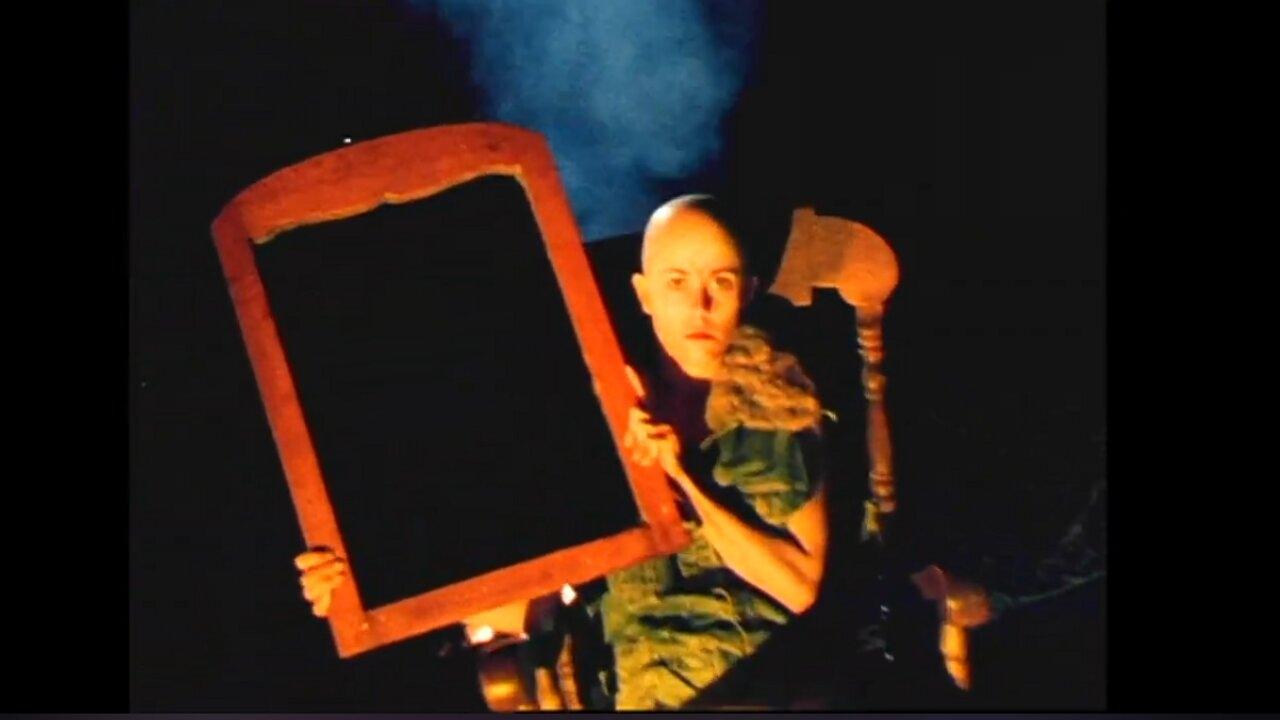
The performances, largely from unknown actors at the time like Marcelo Games as a wiry, unsettling Manson, Marc Pitman as the imposing Tex Watson, and Leslie Orr as Patricia Krenwinkel, possess a raw, unpolished quality that enhances the documentary-like feel. There's no Hollywood glamour here, just people stripped bare, embodying the lost and dangerous souls caught in Manson's orbit. Van Bebber's direction is relentless, utilizing jarring cuts, oversaturated colours, and a grainy aesthetic that feels period-appropriate despite the long production. The score, often dissonant and abrasive, further amplifies the sense of dread and psychological decay. It’s a film that deliberately makes you feel unclean, mirroring the moral and physical filth it portrays. It's rumored Van Bebber pushed his actors into uncomfortable headspace to capture the necessary intensity, a method acting approach bordering on the hazardous given the subject matter.
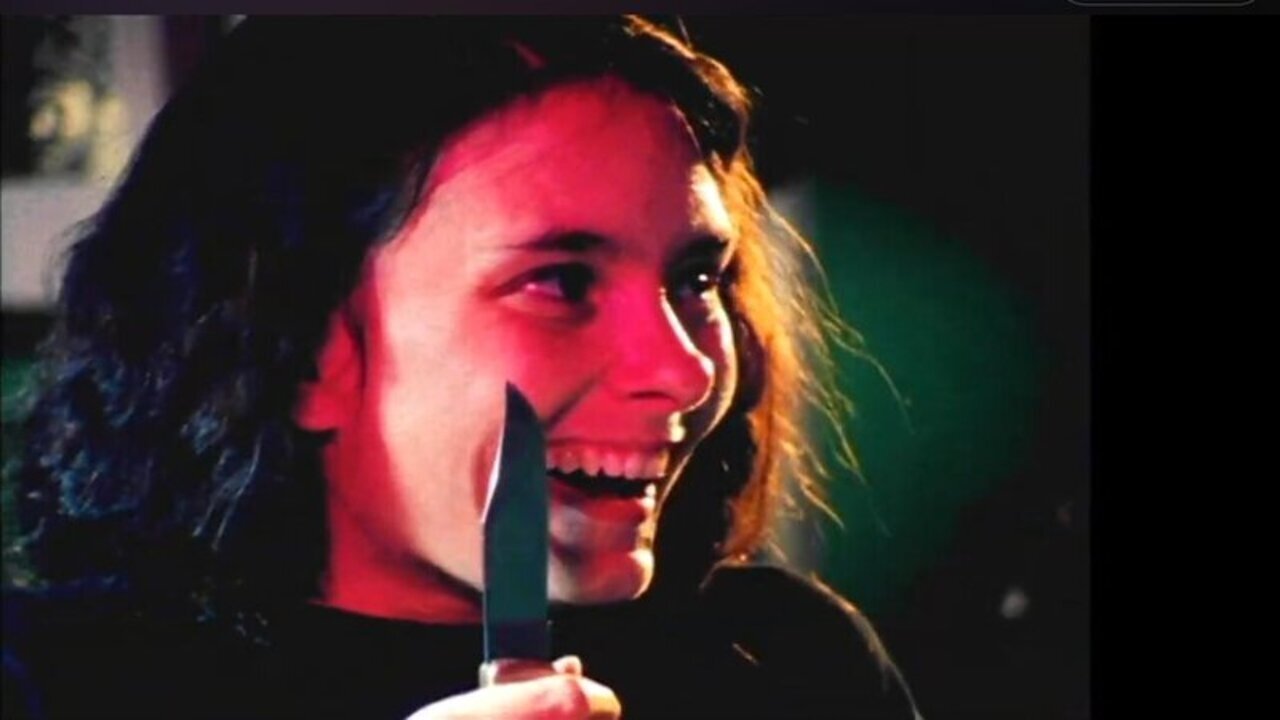
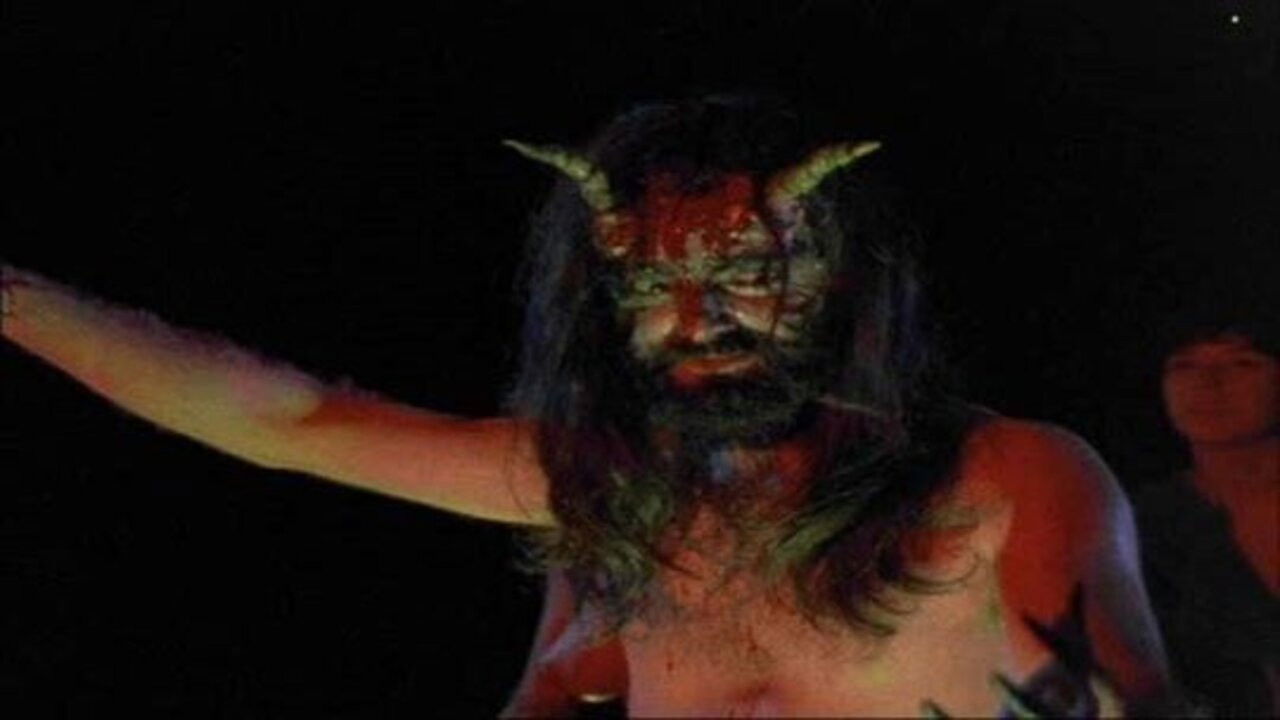
This isn't the sanitized true crime narrative often served up. It avoids easy answers or clear-cut character arcs. Instead, it offers a sensory overload, a descent into a specific, terrifying moment in American history rendered with an almost unbearable fidelity to the perceived chaos. Did watching this back then, maybe on a copied tape procured from some shadowy convention dealer, feel like accessing forbidden knowledge? It certainly possessed that illicit thrill, far removed from the sanitized horrors playing at the multiplex.
Legacy of Unease
The Manson Family remains a deeply divisive film. It's brutal, challenging, and utterly uncompromising. It's not "entertaining" in the conventional sense, nor should it be. It's a harrowing piece of outsider art, a testament to a singular vision pursued against overwhelming odds. It aims to disturb, to provoke, and to force a confrontation with the darkest aspects of human behaviour, stripped of mythology and laid bare. While later films like Once Upon a Time in Hollywood (2019) would revisit the era, none capture the sheer, unadulterated feeling of the Manson nightmare quite like Van Bebber's exhaustive, exhausting magnum opus.
Rating: 8/10
This score reflects the film's undeniable power, its technical achievements despite severe limitations, and its unflinching commitment to its grim vision. It’s a landmark of underground/independent filmmaking, achieving an atmosphere of authentic dread and disturbing realism that’s hard to shake. The protracted, legendary production itself adds to its mystique. However, its extreme graphic content and deliberately abrasive nature make it a difficult, demanding watch that is certainly not for everyone, preventing a higher score based on general accessibility or conventional enjoyment.
The Manson Family isn't just a movie; it's an endurance test, a raw nerve exposed. It lingers long after the credits roll, a grainy, uncomfortable reminder of the darkness that can fester just beneath the surface, forever etched in the annals of truly transgressive cinema. It feels less like something you watched, and more like something you survived.