Some films arrive like a whisper in the dark; others hit you like a runaway truck barreling down Route 666, headlights blazing, engine screaming. Oliver Stone's Natural Born Killers (1994) belongs firmly in the latter category. This isn't a movie you simply watch; it's an experience you survive, a sensory assault that grabs you by the collar and refuses to let go, leaving you breathless, disturbed, and maybe just a little bit complicit. Forget subtlety; this film mainlines pure, uncut cinematic chaos directly into your eyeballs.
### A Technicolor Nightmare on Elm Street (Any Street, USA)
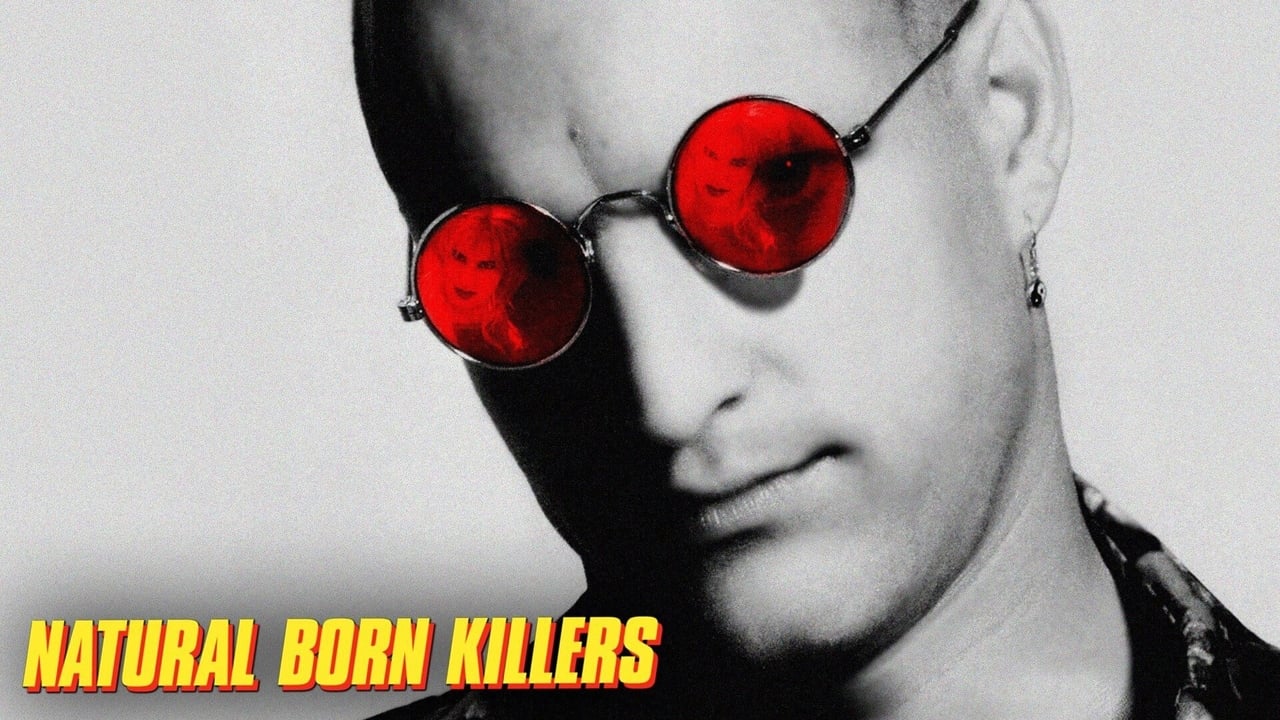
From the opening frames – that jarring, sitcom-parody introduction to Mickey and Mallory Knox – Natural Born Killers establishes its intent: to hold a cracked mirror up to America's fascination with violence and the media machine that fuels it. Stone, working from a story concept famously originated by Quentin Tarantino (though heavily rewritten, much to Tarantino's chagrin), employs a dizzying, almost schizophrenic visual style. We leap between grainy black-and-white, lurid animation, oversaturated video, stark 35mm, and back again, often within the same scene. It’s less a coherent narrative style and more a reflection of a fractured national psyche, bombarded by images and desensitized to horror. Remember the sheer disorientation? It felt like channel surfing through hell, a deliberate choice by Stone to mimic the relentless flow of media noise. The effect, even now, is intensely visceral, replicating the characters' manic energy and the societal sickness the film dissects.
### Love Means Never Having to Say You're Sorry (Just Keep Killing)
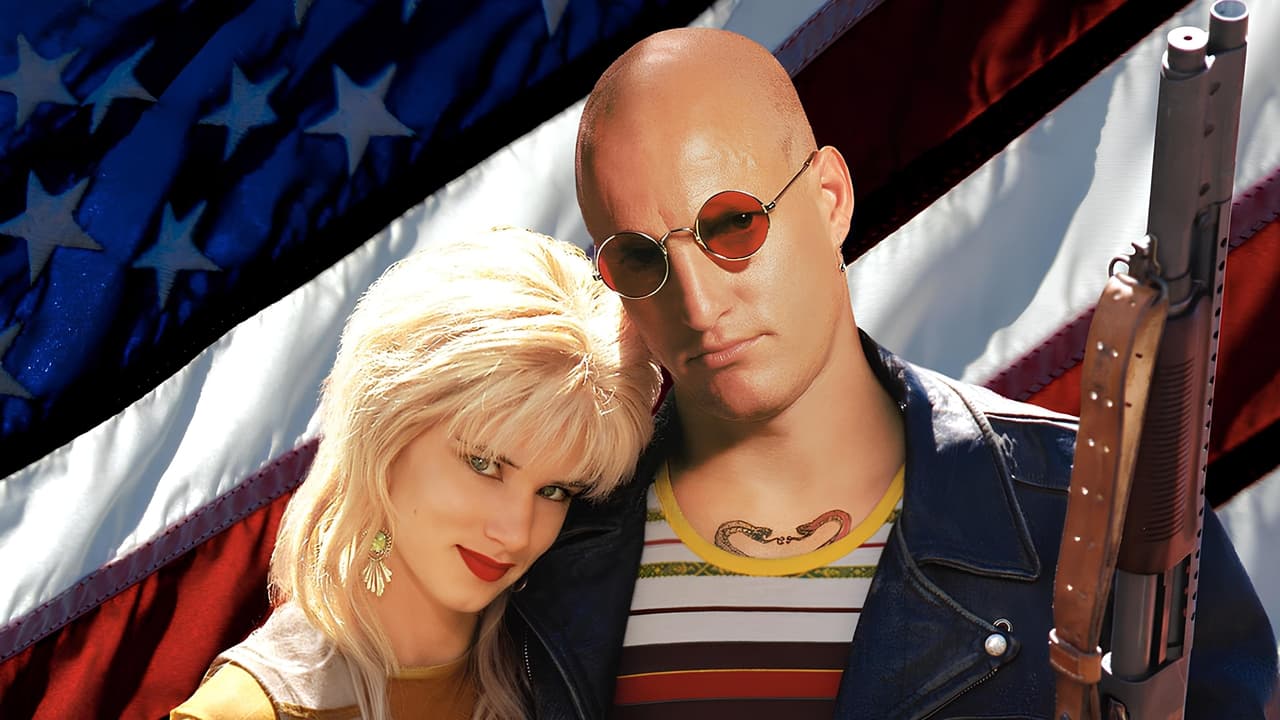
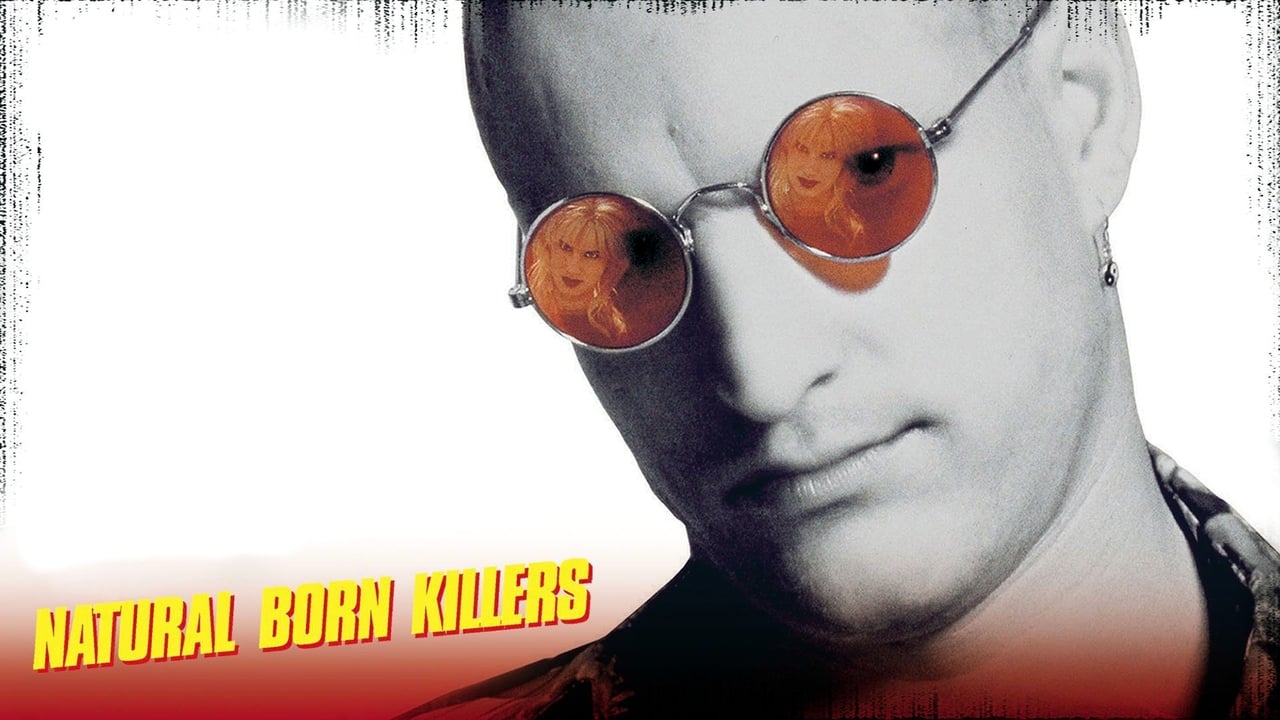
At the heart of this maelstrom are Mickey (Woody Harrelson) and Mallory (Juliette Lewis). They aren't just killers; they're lovers, soulmates bound by trauma and a shared disregard for human life. Harrelson sheds his amiable Cheers persona completely, embodying Mickey with a chilling blend of folksy charm and reptilian menace. Lewis, already known for intense roles after Cape Fear (1991), is pure feral energy as Mallory, a force of nature fueled by rage and desire. Their chemistry is undeniable, electric, and deeply unsettling. They commit atrocities with the casualness of ordering fast food, yet their twisted affection feels disturbingly genuine within the film's warped reality. It's a testament to both actors that they make these monsters strangely compelling, forcing us to confront uncomfortable questions about charisma and evil. Supporting players like Tom Sizemore as the predatory Detective Scagnetti and Robert Downey Jr., in a wildly unhinged performance as tabloid journalist Wayne Gale, amplify the sense of a world spinning off its axis. Downey Jr. reportedly shadowed Australian shock-jock journalists to capture that specific brand of exploitative glee, adding another layer of unsettling realism to his caricature.
### Feeding the Media Beast
Natural Born Killers is less about the why of the killing spree and more about the how – specifically, how the media latches onto figures like Mickey and Mallory, transforming them from mass murderers into pop culture icons. Wayne Gale isn't just reporting the news; he's shaping it, packaging their carnage for mass consumption, culminating in that infamous Super Bowl-timed prison interview. The film savagely satirizes true crime sensationalism, reality TV ethics (or lack thereof), and the audience's own voyeuristic appetite. It posits that the media isn't merely reflecting violence; it's actively participating, perhaps even encouraging it, blurring the lines between observer and participant until everyone's hands are dirty. Doesn't that central theme feel even more potent today, in our era of viral infamy and social media notoriety?
### Cut from a Different Cloth: Behind the Chaos
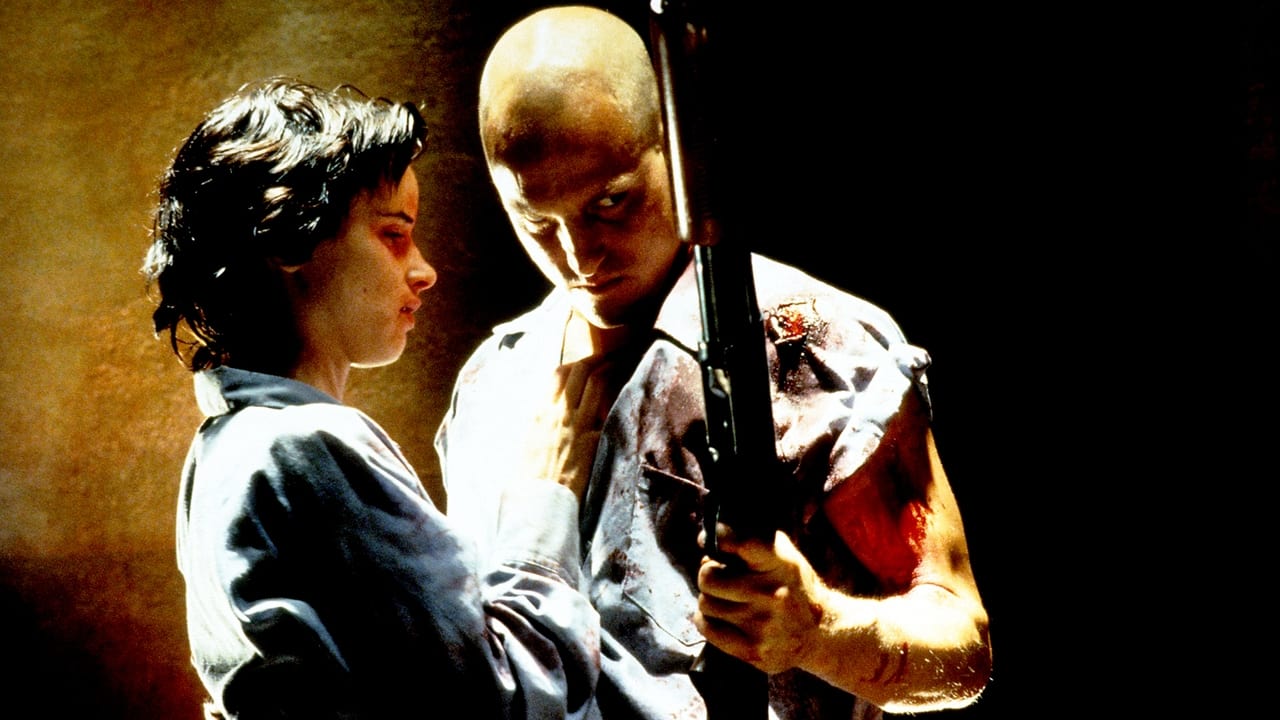
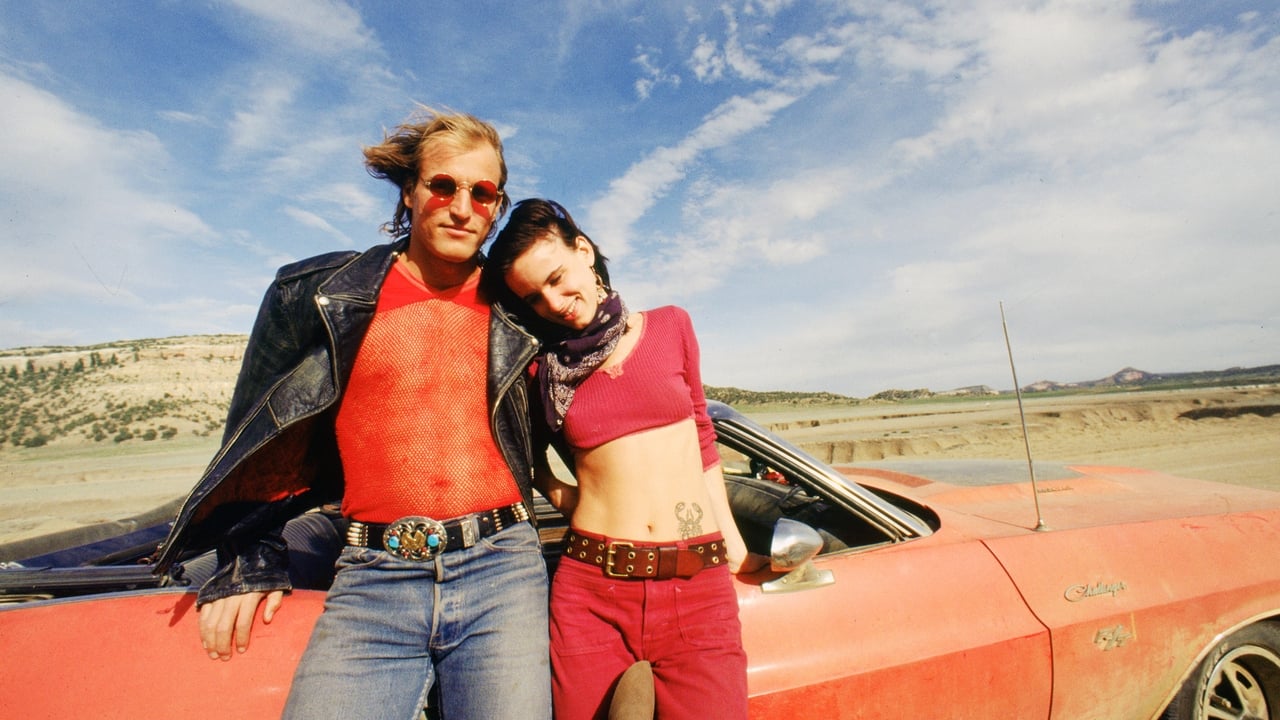
The production itself mirrors the film's chaotic energy. Stone was known for creating intense sets, reportedly blasting music by artists like Nine Inch Nails (whose frontman Trent Reznor curated the phenomenal, genre-blending soundtrack) to keep the atmosphere charged and the actors perpetually on edge. The film's visual tapestry required an enormously complex editing process, juggling the myriad formats and incorporating somewhere north of 3,000 cuts – a staggering number designed to overwhelm. The original Tarantino script was reportedly more of a straightforward (if dark) crime narrative; Stone transformed it into this sprawling, hallucinatory critique of American culture. Filming key riot sequences inside the very real, very imposing Stateville Correctional Center in Illinois, using actual inmates as extras, undoubtedly contributed to the film's raw, volatile atmosphere. It's hard to fake that kind of tension. Even securing an R rating was a battle, requiring significant cuts from its initial, even more brutal NC-17 version. This film wasn't just made; it was wrestled into existence.
### Legacy of Unease
Watching Natural Born Killers today, especially if you first encountered it on a grainy VHS tape rented under slightly nervous circumstances, remains a potent experience. Its style can feel overwhelming, its message blunt to the point of didacticism. Yet, its audacity is undeniable. It’s a film that swings for the fences, using every cinematic trick in the book to provoke, disturb, and confront. While the controversy surrounding alleged copycat crimes cast a long shadow, the film’s central questions about media saturation and the commodification of violence linger powerfully. It’s a landmark of 90s counter-culture cinema, a Molotov cocktail thrown at the screen.
VHS Heaven Rating: 8/10
The score reflects the film's audacious vision, powerhouse performances, and lasting cultural impact as a savage piece of social commentary, even if its relentless intensity and sometimes heavy-handed approach can be alienating. It’s technically brilliant, thematically daring, and utterly unforgettable.
Natural Born Killers remains a brutal, hypnotic, and deeply uncomfortable watch – a time capsule of mid-90s anxieties that feels eerily prescient. It’s not easily loved, perhaps not even easily liked, but its power to burrow under your skin is undeniable. It’s the kind of film that doesn’t just play on your VCR; it rattles the whole machine.