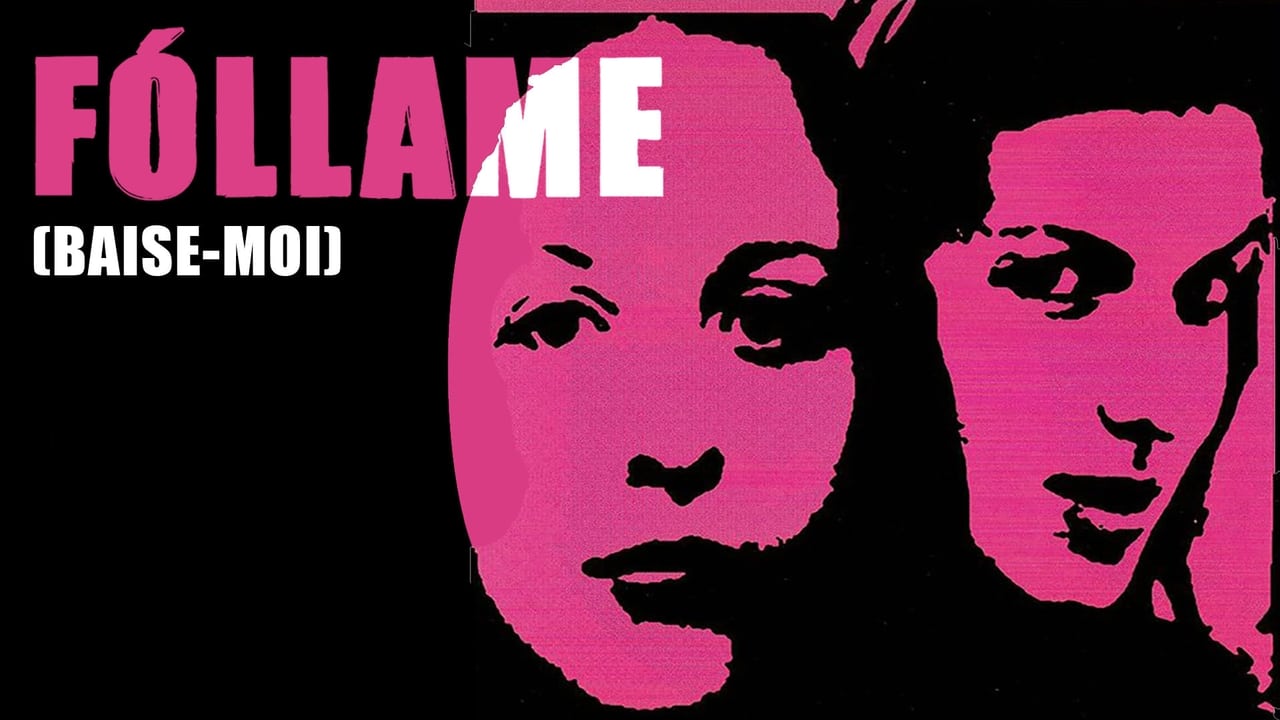
Some films court controversy. Others smash down the door, pour gasoline on the furniture, and strike a match. Baise-moi (2000) belongs firmly in the latter category, a Molotov cocktail lobbed into the pristine lobby of turn-of-the-millennium cinema. It arrived just as the VHS era was truly fading, yet its spirit felt ripped from the grimiest shelves of a forgotten video store basement – raw, confrontational, and utterly unapologetic. Forget subtle chills; this film aimed for a full-body shock, the kind that leaves you questioning not just the film, but the world that could produce it.
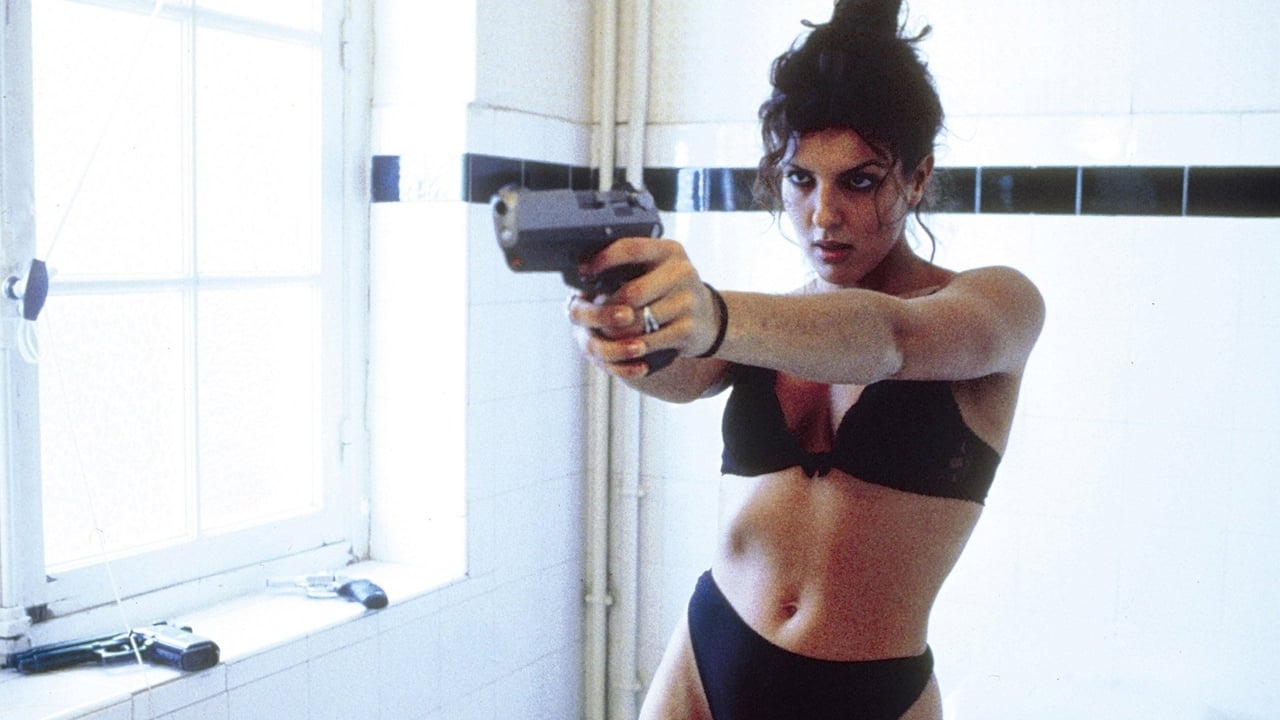
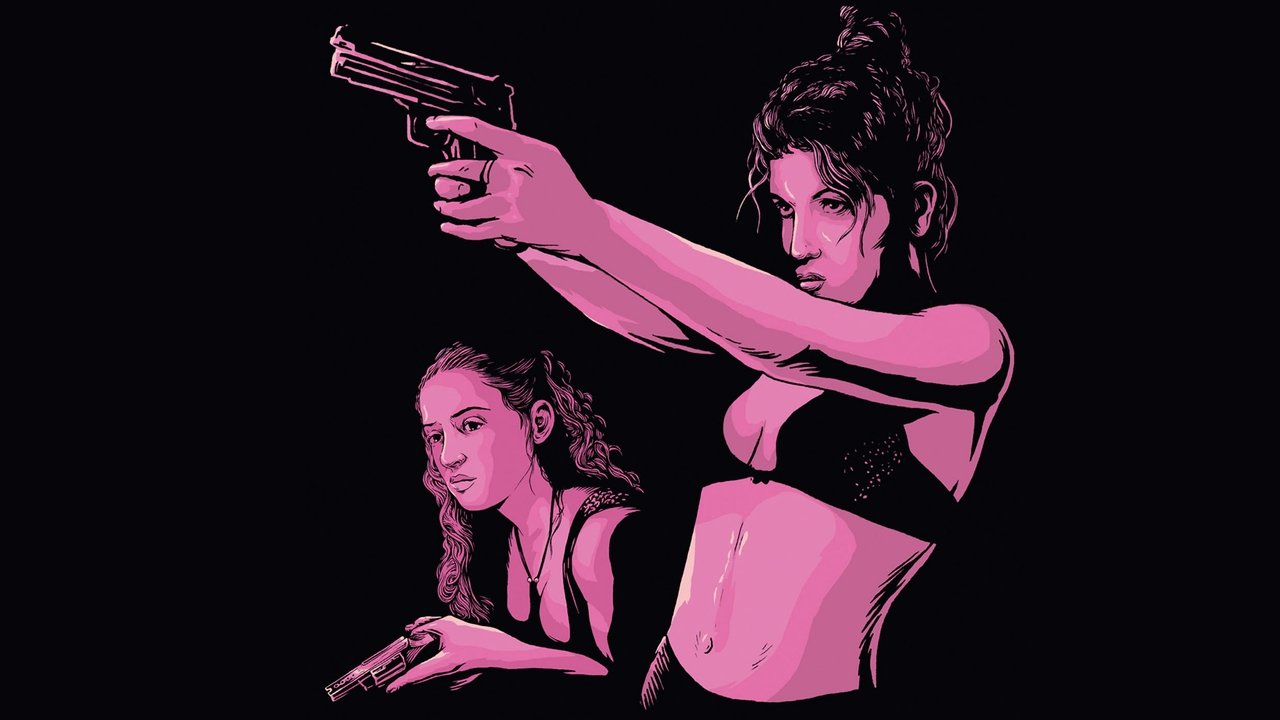
Based on co-director Virginie Despentes' own notorious 1994 novel, Baise-moi (which translates bluntly to "F**k Me") is less a narrative film and more a howl of female rage given brutal, explicit form. It follows Manu (Karen Lancaume) and Nadine (Raffaëla Anderson), two women pushed beyond the breaking point by sexual violence and societal indifference, who embark on a nihilistic spree of sex, robbery, and murder across France. Think Thelma & Louise stripped of all Hollywood romanticism and injected with pure, unadulterated venom. The plot is rudimentary, almost an excuse for the episodic carnage and explicit encounters that follow.
A Directorial Vision, Unflinching and Brutal
Co-directed by novelist Despentes and former adult film performer/director Coralie Trinh Thi, Baise-moi carries an unnerving sense of authenticity. This isn't polished filmmaking; it's shot with a gritty, handheld digital video aesthetic that feels disturbingly immediate, like found footage from hell. The directors deliberately cast performers known primarily for their work in pornography – Lancaume and Anderson bring a physicality and lack of inhibition that traditional actors might struggle with, or simply refuse. There's no pretense of "acting" in the conventional sense; it feels more like witnessing raw behaviour, which only amplifies the film's unsettling power. Their interactions, both violent and sexual, are presented without filter or commentary, leaving the audience to grapple with the implications.
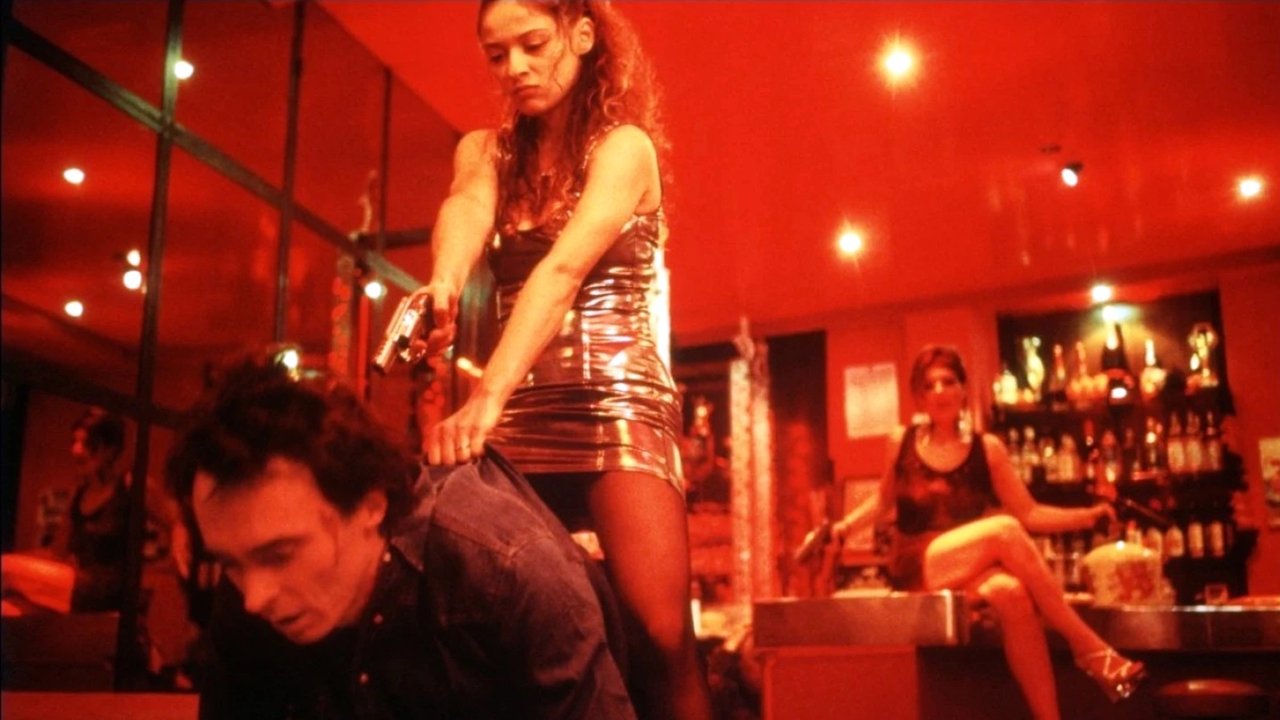
The decision was deliberate. Despentes has spoken about wanting to bypass the traditional cinematic gaze, to show sex and violence from a perspective that felt brutally honest to female experience, particularly experiences of trauma and marginalization. The inclusion of unsimulated sex scenes, integrated directly with extreme violence, was the flashpoint for its infamy. It wasn't just the explicitness, but the juxtaposition – the blurring of lines between consensual performance and depicted assault, between agency and victimhood, that ignited firestorms.
The Storm of Controversy
And ignite it did. Baise-moi became a cause célèbre, particularly in its native France. Initially granted a standard 16+ certificate, outrage from conservative groups forced its withdrawal and subsequent reclassification as an X-rated film – effectively banning it from mainstream cinemas, a fate usually reserved for hardcore pornography. This censorship battle echoed controversies surrounding earlier transgressive films, but felt particularly potent at the dawn of a new century. Was it dangerous exploitation, or a necessary feminist statement? A work of art pushing boundaries, or simply nihilistic trash? The debate raged, cementing the film's legendary status among followers of extreme cinema. It's a film people argued about, fiercely, in a way few films manage. Remember the sheer noise around this one?
The production itself was reportedly as chaotic and intense as the final product suggests, shot on a low budget ($1.3 million) with a guerrilla filmmaking sensibility. The directors embraced the limitations, using the rough-edged digital look to enhance the feeling of grim reality. There's no soaring score to manipulate emotions, only the harsh sounds of the world the characters inhabit – traffic, gunshots, strained dialogue, the chillingly matter-of-fact sounds of their encounters. It feels less like watching a movie and more like bearing witness.
Beyond the Shock: A Legacy of Extremity?
Watching Baise-moi today, long after the initial media frenzy, is still a challenging experience. Its power to shock remains potent, not just through its graphic content, but through its utter bleakness. It offers no easy answers, no catharsis, no redemption. It simply presents a vision of female fury unleashed in a world perceived as hostile and uncaring. Is it successful as a film? That depends entirely on your metrics. As conventional entertainment, absolutely not. As a piece of confrontational art forcing discussion about violence, sexuality, and representation, its impact is undeniable.
It stands as a key text in what critics later dubbed the "New French Extremity," a wave of graphically violent and sexually explicit films emerging from France in the early 2000s (alongside works like Trouble Every Day (2001) and Irreversible (2002)). These films seemed determined to push buttons and test the limits of screen tolerance. Baise-moi arguably kicked the door open, its notoriety paving the way for others.
Its raw, almost documentary style feels jarringly real, even now. The lack of gloss, the non-professional intensity of the leads, the refusal to look away – these elements combine to create something uniquely disturbing. It’s not a film you "enjoy" in the traditional sense. It’s a film you endure, confront, and ultimately, can't easily forget.
Rating: 6/10
Justifying this rating is crucial. Baise-moi is technically rough, narratively thin, and deeply unpleasant. By conventional standards, it might score lower. However, for its sheer audacity, its unflinching execution of a brutal vision, its undeniable cultural impact (via controversy), and its historical significance within transgressive cinema and the New French Extremity, it earns a grudging respect. The rating reflects its power and importance as a cinematic statement, not its watchability or entertainment value. It achieves exactly what it sets out to do – provoke, disturb, and confront – with terrifying effectiveness.
Baise-moi remains a cinematic scar – ugly, painful, but impossible to ignore. It’s a relic from a moment when filmmakers seemed determined to find the absolute edge of screen representation, and then jump right over it. Whether that leap was profound or merely profane is still up for debate.