There are some tapes that feel less like movies and more like forbidden artifacts, objects whispered about in hushed tones, passed hand-to-hand in worn, unlabeled sleeves. Finding a copy of Hiroshi Harada's Midori (1992), often known by its original manga title Shōjo Tsubaki, felt exactly like that back in the day – like unearthing something you perhaps weren't meant to see. This isn't your typical anime; it's a descent into a visual and thematic abyss, animated with a raw, unsettling energy that crawls under your skin.
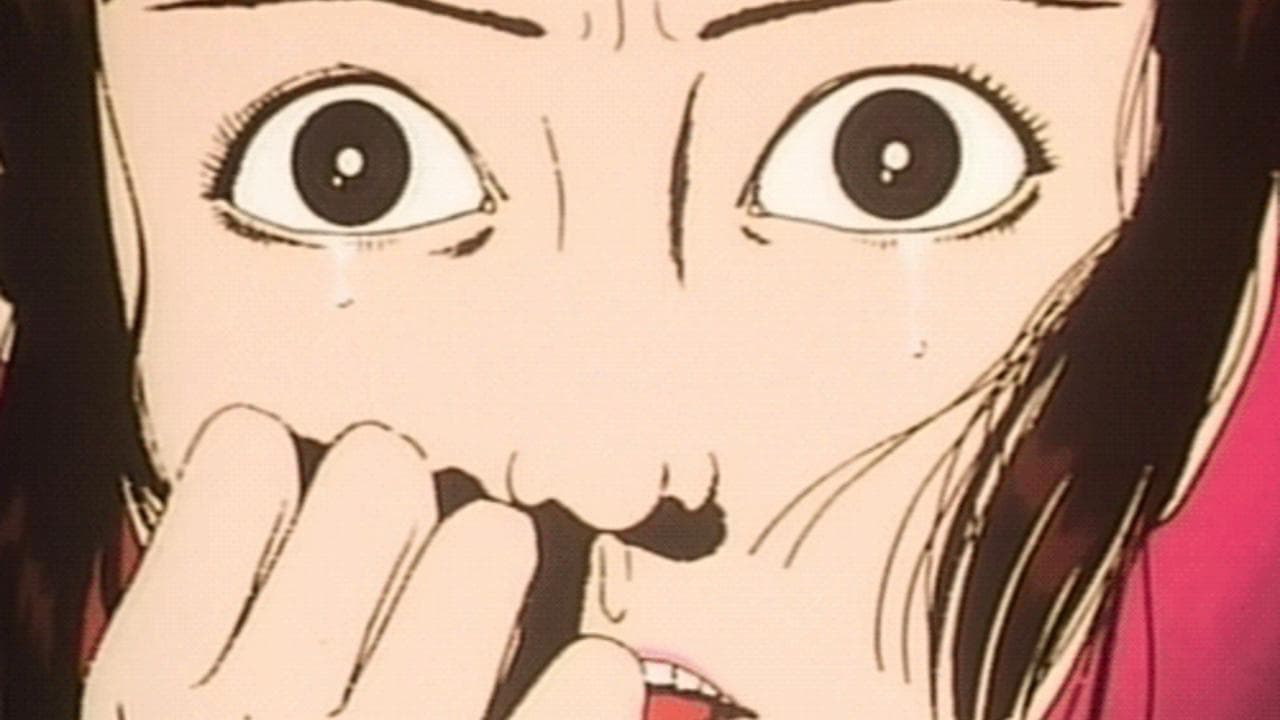
A Carnival of Cruelty
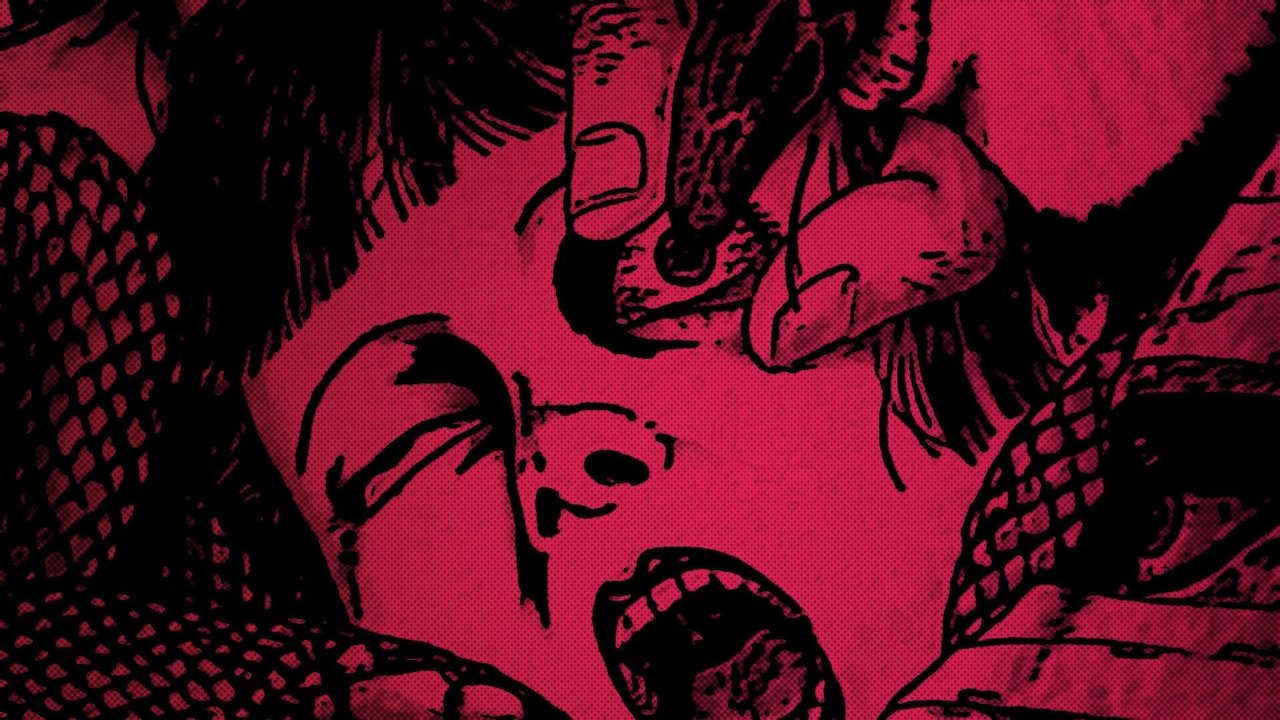
Based on the notoriously explicit "ero guro" (erotic grotesque) manga by Suehiro Maruo, Midori tells the bleak story of a young orphan girl who, after losing her mother, is taken in by a travelling freak show. This isn't the whimsical strangeness of Tod Browning's Freaks (1932); this is a mire of degradation, exploitation, and relentless psychological (and physical) torment. Midori becomes the troupe's drudge, subjected to the whims and cruelties of performers who embody the grotesque in both appearance and spirit. The film charts her suffering with an unflinching gaze, painting a portrait of innocence corrupted and hope systematically extinguished.
The Nightmare Hand-Drawn
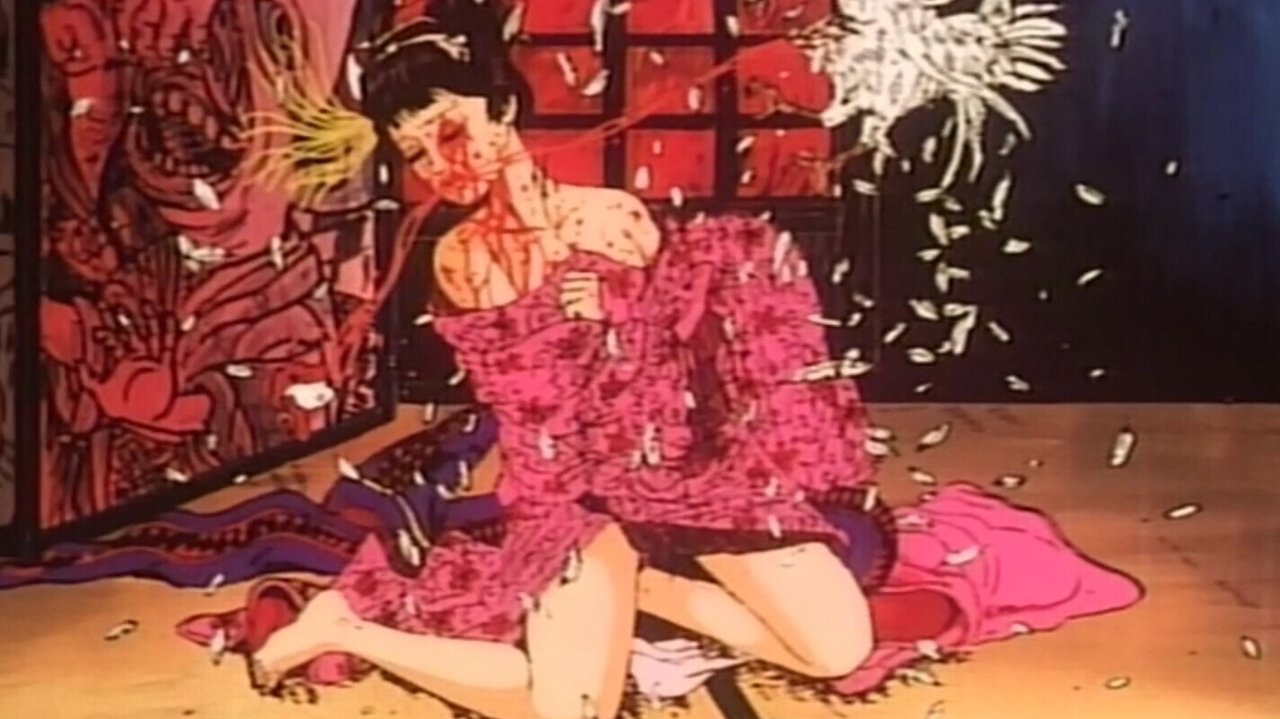
What truly sets Midori apart, and perhaps makes it even more disturbing, is its creation. Forget sprawling animation studios; Hiroshi Harada reportedly animated almost the entire 56-minute feature by himself over a painstaking five-year period. This Herculean, almost obsessive effort permeates every frame. The animation isn't smooth or polished; it’s often jerky, limited, like disturbing paper cutouts dragged across desolate landscapes. Characters sometimes slide rather than walk. Backgrounds are static, oppressive. But far from being a flaw, this style becomes intrinsic to the horror. It mirrors the crudeness of the freak show itself, the lack of polish reflecting the raw, ugly reality of Midori's existence. It feels less like watching a cartoon and more like viewing a particularly harrowing folk art painting come unwillingly to life. This wasn't budgeted at $50 million; it was fueled by singular, dark vision, and it shows.
Beyond the Pale
Let's not mince words: Midori is extreme. Its depictions of abuse, violence (including sexual violence and animal cruelty), and bodily horror are graphic and designed to shock. It's a film that courted controversy and censorship, spending years in relative obscurity, a rumour more than a readily available film. For many, finding it on VHS involved trading bootlegs, adding another layer to its forbidden mystique. Does it push boundaries? Absolutely. Is it gratuitous? That’s the lingering question. While steeped in the shocking aesthetics of Suehiro Maruo's source material, there's a pervasive sense of bleakness and despair that feels like a deliberate commentary on exploitation and the loss of innocence. It doesn't offer easy answers or catharsis, wallowing instead in the oppressive atmosphere of its setting. Doesn't that unrelenting hopelessness feel like the most disturbing part?
Sounding the Depths
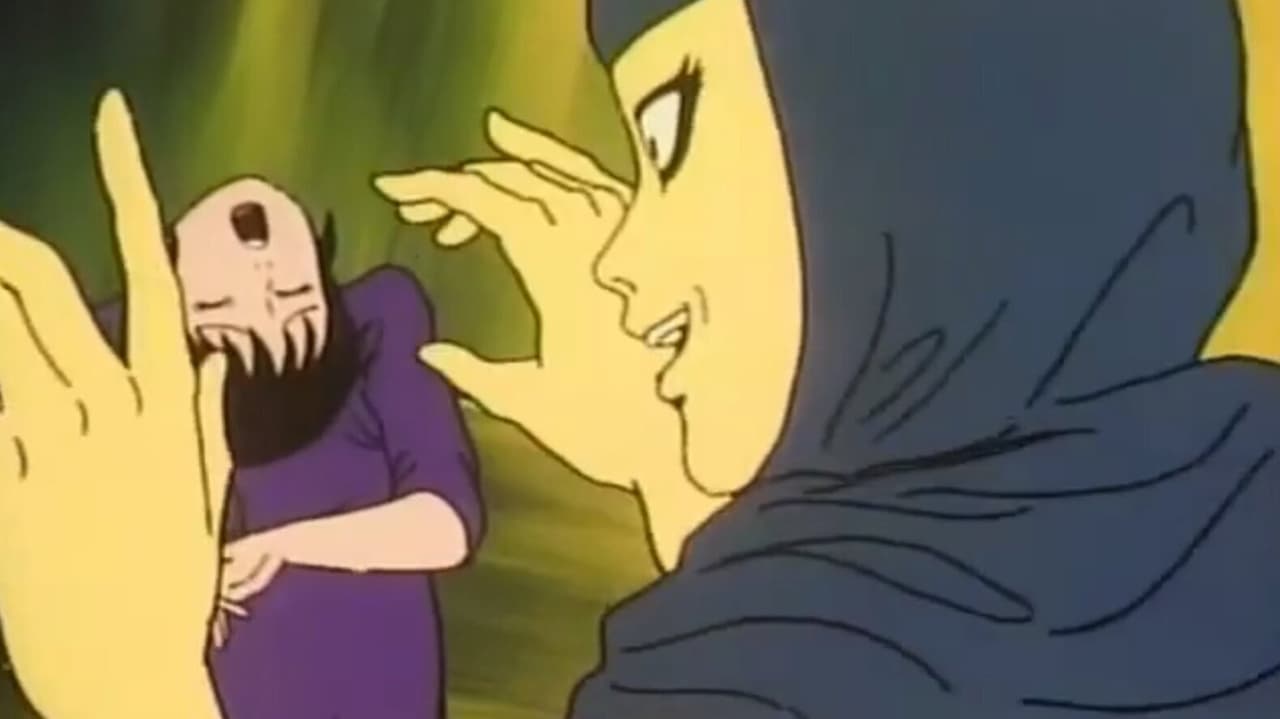
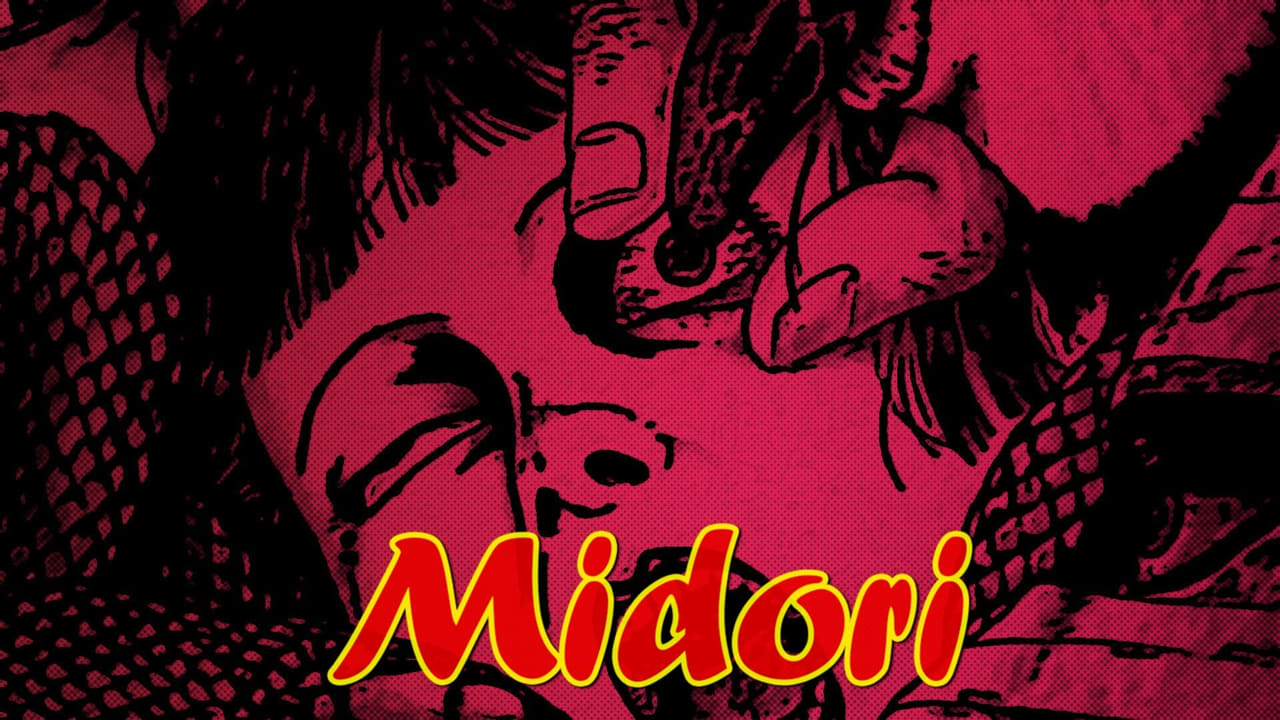
The film’s sound design further amplifies the unease. The score is often discordant, minimalist, emphasizing the emptiness and dread surrounding Midori. The cries, the laughter of the cruel performers, the stark ambient sounds – they all contribute to an audio landscape that is as oppressive as the visuals. There’s no soaring orchestral score here to manipulate emotions, only sounds that deepen the sense of isolation and horror.
An Unforgettable Scar
Midori is not a film to be "enjoyed" in any conventional sense. It’s a harrowing, brutal experience, a piece of extreme animation that tests the limits of viewer endurance and artistic expression. Its solo creation by Hiroshi Harada is a fascinating, almost legendary feat in animation history, resulting in a unique visual style perfectly wedded to its grim subject matter. Its controversial past and underground cult status make it a quintessential "VHS Heaven" discovery – the kind of tape that, once watched, is impossible to forget, leaving a chill that lingers long after the static fades. It’s a reminder that animation isn’t solely the domain of children's fantasy; it can be a medium for exploring the darkest corners of the human condition, even if the journey is deeply unpleasant.
Rating: 7/10
This score reflects the film's undeniable power and unique artistic vision, its disturbing effectiveness, and its cult significance, balanced against its extreme, often repellent content that makes it inaccessible and deeply unpleasant for many. It achieves its nightmarish goals with singular focus, but it's a punishing watch.
Midori remains a potent, infamous example of underground animation, a stark reminder of how disturbing hand-drawn images can be. It's a film that truly feels like it crawled out from the shadows of the VHS era, forever marked by its controversy and its creator's singular, dark obsession.