There are some movies that don't just play on your VCR; they feel like they infect it. They seep out of the cathode ray tube, staining the air with cheap cigarette smoke, neon-sick light, and the lingering scent of nihilism. Gregg Araki's The Doom Generation (1995) is precisely that kind of tape – a cinematic Molotov cocktail lobbed directly at the sensibilities of the mid-90s, leaving a scorch mark that, for some of us, never quite faded. Forget a gentle slide into the narrative; this film grabs you by the throat from frame one and dares you to look away.
Welcome to Hell, Basically
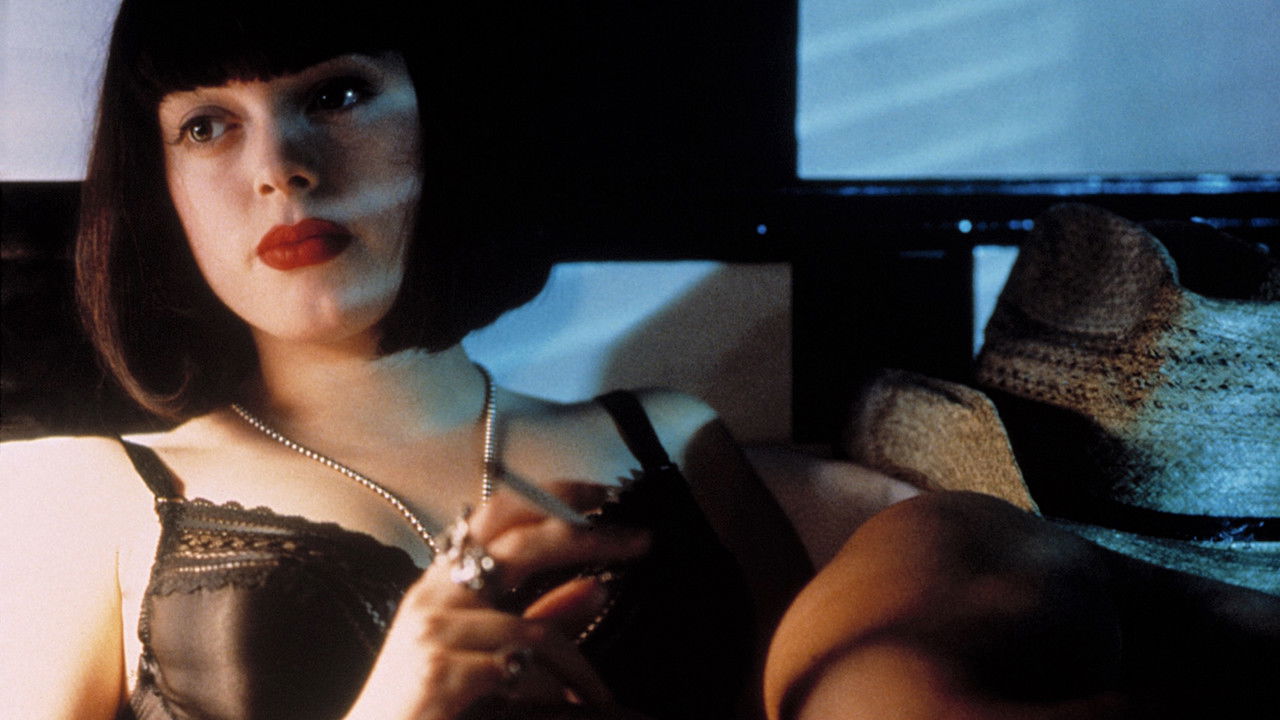
We're thrown headfirst into the aggressively vapid world of teenage lovers Jordan White (James Duval, perpetually embodying slacker ennui) and Amy Blue (Rose McGowan, in a career-igniting turn dripping with acidic charisma). Their monotonous existence of convenience store snacks and aimless cruising is violently interrupted by the arrival of Xavier Red (Johnathon Schaech), a drifting agent of chaos with cheekbones sharp enough to cut glass and a gaze that promises nothing good. A sudden, almost absurdly graphic act of violence fuses their fates, sending the mismatched trio careening down a desolate American highway, leaving a trail of fast food wrappers, bizarre encounters, and corpses in their wake. This isn't your typical road trip movie; it's a journey straight into the heart of a stylized, indifferent darkness.
Style Over Sanity?
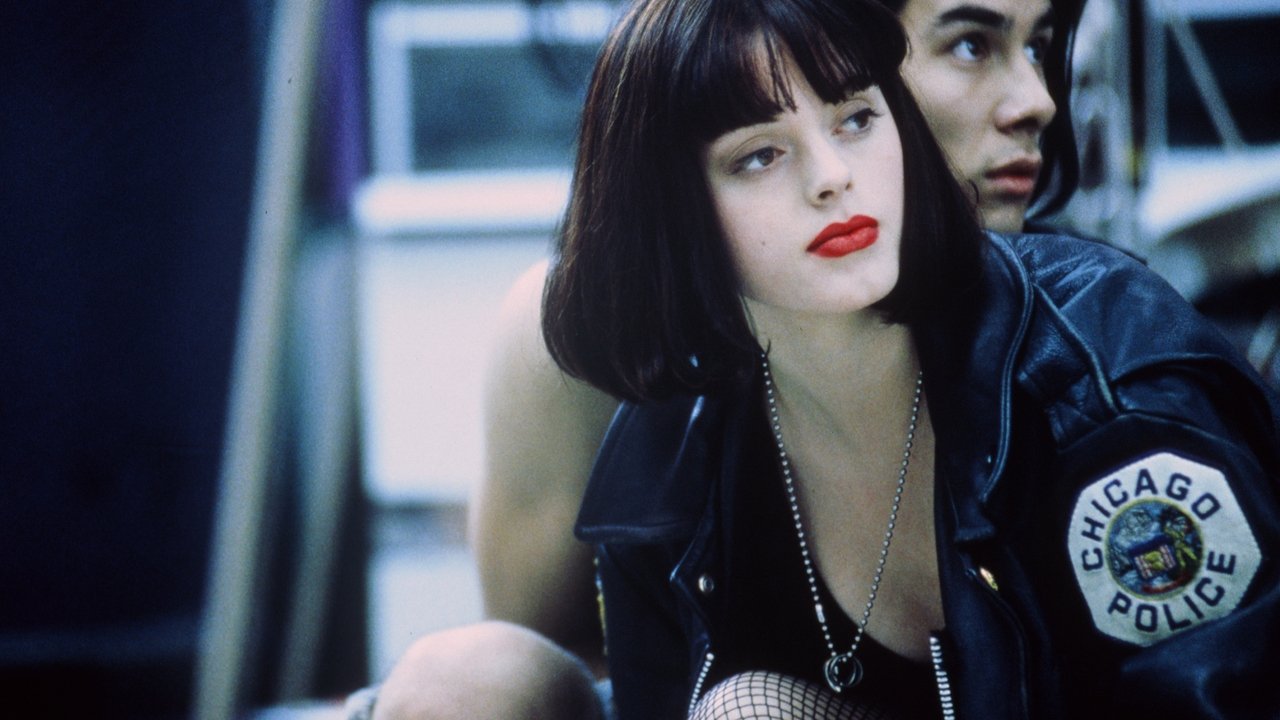
Araki, who also penned the screenplay, crafts a vision that’s as distinctive as it is abrasive. Filmed on a tight budget (reportedly around $800,000), The Doom Generation weaponizes its limitations. The world is drenched in hyper-saturated primary colors, the lighting often stark and artificial, making every cheap motel room and desolate roadside stop feel like a stage set for some grim, punk rock opera. The dialogue is a deliberately jarring mix of deadpan apathy, profane poetry, and pop culture detritus. Remember those endless, bizarre cameos? From Parker Posey as a screeching drive-thru attendant to industrial music icon Genesis P-Orridge in a blink-and-you'll-miss-it moment, they populate this landscape like strange, hostile apparitions, amplifying the film's surreal, almost hallucinatory quality. It feels less like reality and more like a fever dream broadcast from the edge of societal collapse.
The soundtrack, a killer compilation of 90s industrial and alternative rock featuring bands like Nine Inch Nails, Curve, and Coil, isn't just background noise; it's the film's corrosive bloodstream, pulsing with alienation and dread. It perfectly complements the visuals, creating an atmosphere thick with unease.
The Devil You Know
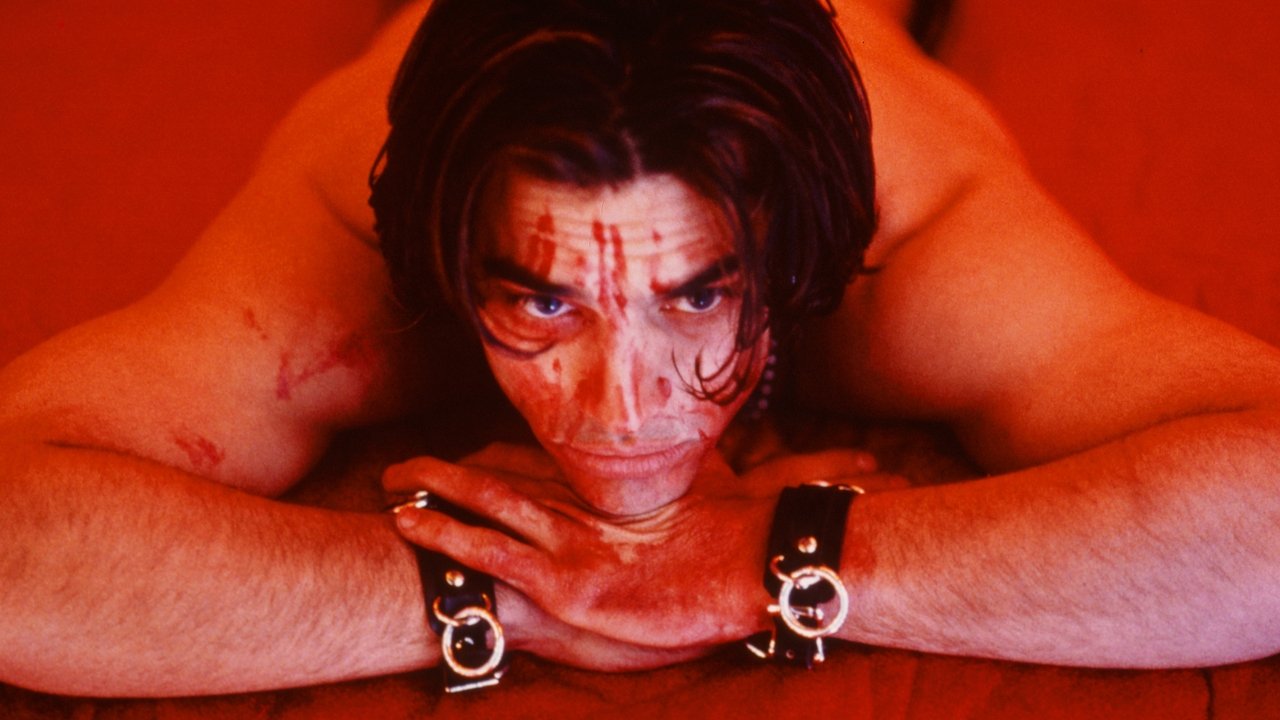
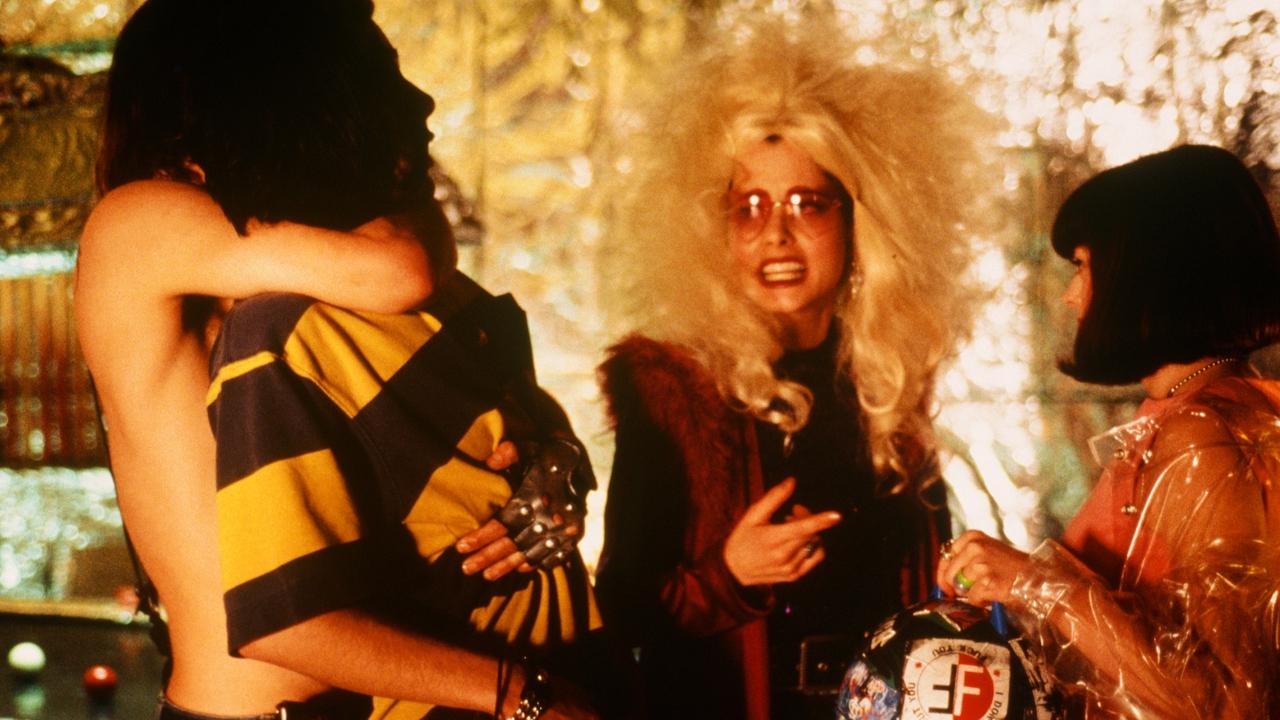
At the center of this maelstrom are the three leads. Duval nails Jordan's passive bewilderment, a boy swept along by tides he barely understands. Schaech is magnetic and terrifying as X, embodying a predatory sexuality and casual menace that keeps you constantly on edge. But it's Rose McGowan who truly explodes off the screen. Her Amy Blue is a force of nature – foul-mouthed, cynical, vulnerable, and utterly captivating. It’s a fearless performance that perfectly captures the film's blend of aggression and desperate yearning. There's a raw energy to her portrayal that feels authentic, even amidst the hyper-stylization; you believe her boredom, her anger, her flashes of unexpected tenderness. It's no wonder this role became her calling card.
Controversy and Cheap Thrills
The Doom Generation arrived waving a middle finger, practically daring the establishment to clutch its pearls. Its confrontational mix of graphic violence, explicit sexuality (leading to the dreaded NC-17 rating and subsequent battles for an R-rated cut, eventually prompting Araki to release it unrated), and bleak worldview earned it instant notoriety. Araki himself cheekily subtitled it "A Heterosexual Movie," a deliberate jab perhaps aimed at critics pigeonholing his earlier queer cinema work, or maybe just another layer of ironic provocation in a film overflowing with it. Was it profound satire or just nihilistic exploitation? The debate raged then, and honestly, it still simmers now.
Watching it back then, on a grainy VHS possibly procured under less-than-official circumstances, felt illicit. It was a movie whispered about, passed between friends like forbidden knowledge. Did that climactic sequence genuinely disturb you back then, or did the stylized detachment keep it at arm's length? For me, the sheer audacity was part of the thrill, even if the relentless cynicism felt, at times, overwhelming. The film’s production itself had that guerilla feel – shooting in stark, often unwelcoming Los Angeles locations, making the city itself feel like another character hostile to our protagonists.
End of the Road
Does The Doom Generation hold up? Yes and no. Its specific brand of 90s transgression – the fashion, the slang, the particular flavor of alienation – feels undeniably dated in places. Yet, its core themes of disaffected youth, the allure of danger, and the emptiness lurking beneath consumer culture still resonate. The film’s refusal to offer easy answers, its commitment to its bleak vision, remains potent. It's a difficult film, often unpleasant, but undeniably alive. It’s a snapshot of a specific moment in indie filmmaking, a defiant roar against complacency that still echoes, however faintly. It’s not a comfortable watch, but like the best cult classics, it burrows under your skin.

Rating: 7/10
This score reflects the film's undeniable power as a cult object and a stylistic statement. It's visually inventive, features standout performances (especially McGowan's), and perfectly captures a specific strain of mid-90s nihilism. However, its abrasive nature, deliberately thin character arcs beyond Amy, and sometimes overwhelming bleakness make it a challenging, and certainly not universal, recommendation. It earns its points for sheer audacity and unforgettable atmosphere, even if its shock tactics feel less potent today.
Final Thought: The Doom Generation remains a potent, if polarizing, artifact of the VHS era – a film that feels like it was manufactured from equal parts rebellion, ennui, and cheap roadside stimulants. It’s a love-it-or-hate-it affair, but one that undeniably leaves its mark.