It hits you like a shot, doesn't it? Not just the adrenaline rush of that opening chase scored to Iggy Pop’s defiant "Lust for Life," but the immediate, unapologetic plunge into a world many films would politely skirt around. I vividly remember the buzz around Trainspotting back in 1996, the way the slightly battered VHS box seemed almost illicit on the rental store shelf. It wasn't just a movie; it felt like a cultural grenade lobbed into the mainstream, and watching it felt like an act of rebellion in itself. What lingers, years later, isn't just the shock value, but the raw, undeniable pulse of life – however fractured – that director Danny Boyle captured.
Sick Generation
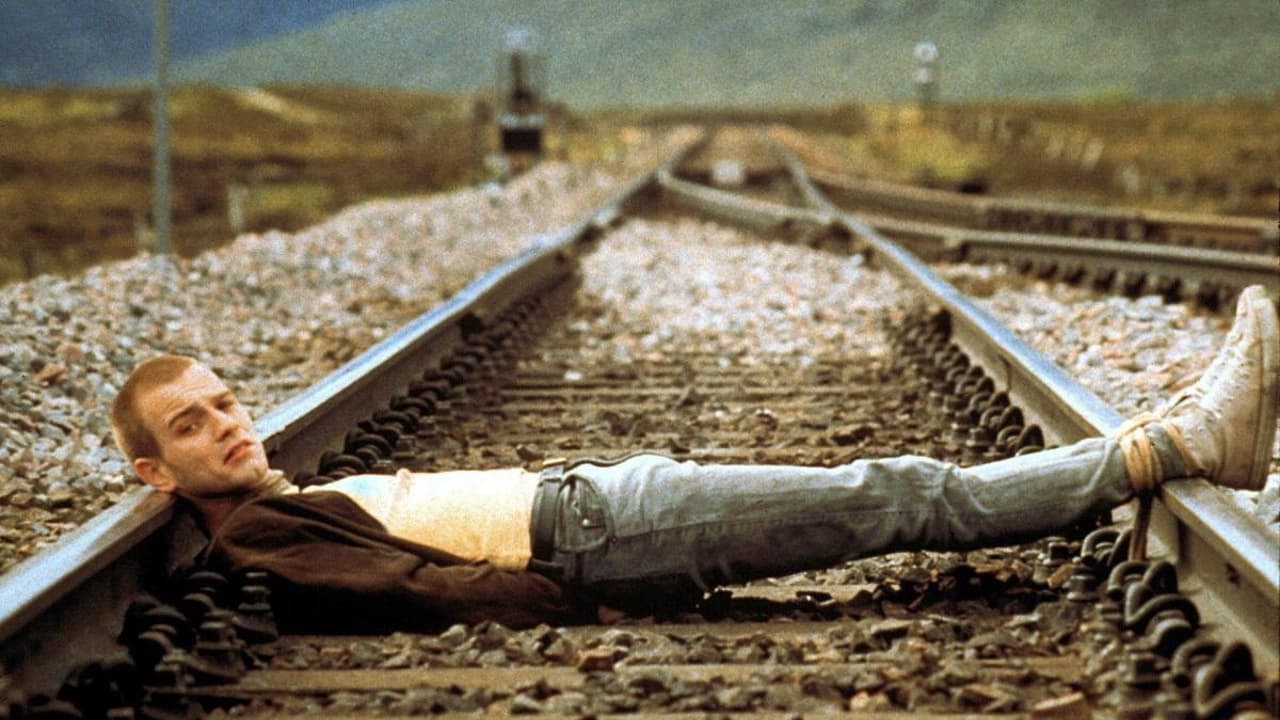
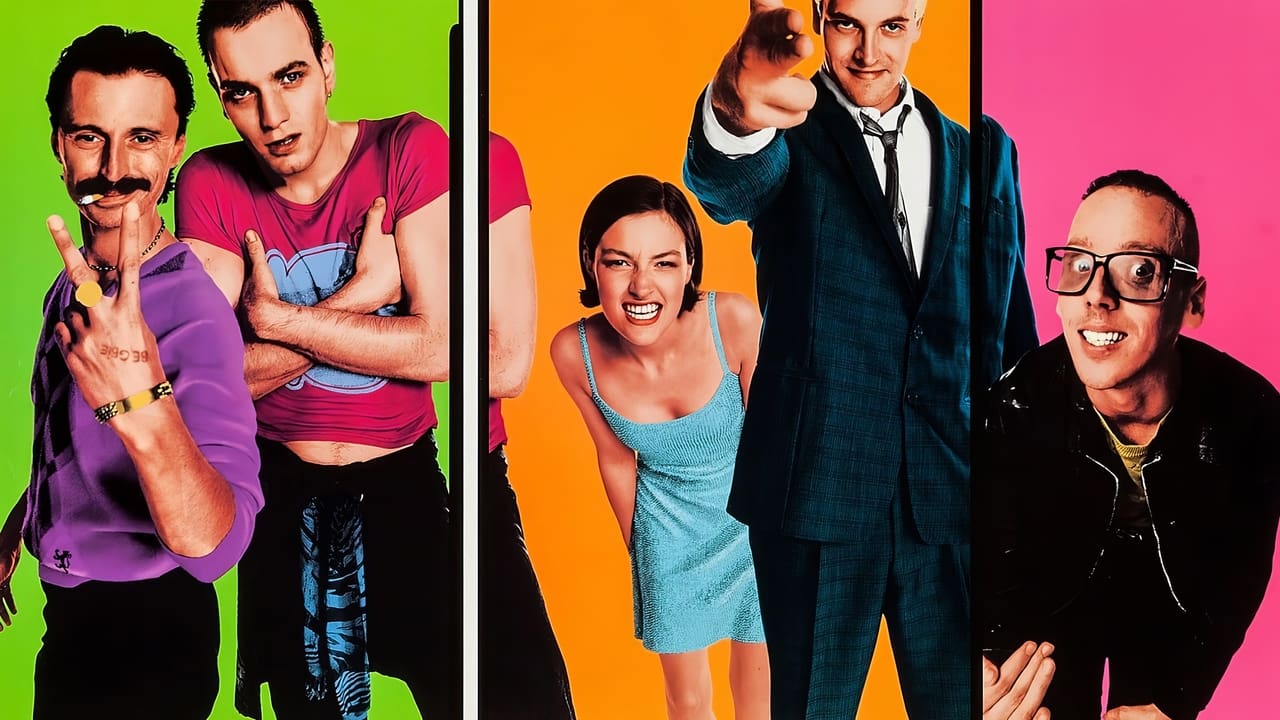
Set against the backdrop of a depressed Edinburgh (though largely filmed in Glasgow for practical reasons), Trainspotting follows Mark Renton (Ewan McGregor) and his circle of friends navigating life through the needle-strewn landscape of heroin addiction. There's the tragically naive Spud (Ewen Bremner), the manipulative, Connery-obsessed Sick Boy (Jonny Lee Miller), the clean-cut Tommy (Kevin McKidd) who gets tragically pulled in, and the terrifyingly psychopathic Begbie (Robert Carlyle). Based on Irvine Welsh’s sprawling, dialect-heavy novel, John Hodge’s Oscar-nominated screenplay masterfully distills the source material's episodic nature into a propulsive, darkly comic, and often horrifying narrative. It refuses easy answers or moralizing, presenting addiction not as a simple failing but as a conscious, albeit destructive, choice against the perceived emptiness of conventional life.
Boyle's Kinetic Vision
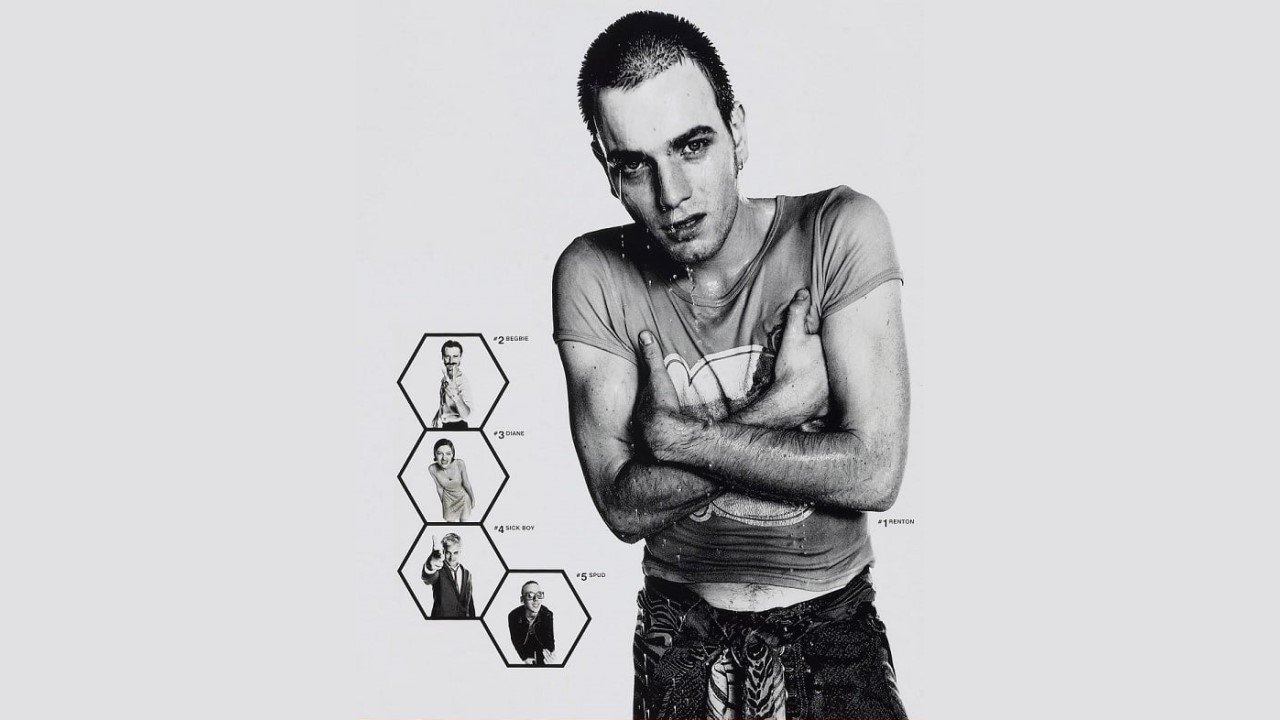
Fresh off the success of Shallow Grave (1994), Danny Boyle brought an electrifying visual style that was unlike anything else at the time. The canted angles, the freeze frames, the surreal nightmare sequences (the infamous baby scene still haunts, doesn't it?), and the perfectly curated soundtrack – blending punk, Britpop, and techno – created a sensory overload that mirrored the characters' highs and lows. It’s filmmaking that grabs you by the collar and refuses to let go. This wasn't gritty realism in the Ken Loach vein; it was stylized, hyper-real, often subjective, plunging us directly into Renton's warped perspective. Reportedly, Ewan McGregor initially had reservations about the grim subject matter after the relative sleekness of Shallow Grave, but his commitment became absolute, shedding considerable weight to achieve Renton's gaunt look.
Truth in the Trenches
The performances across the board are nothing short of phenomenal. Ewan McGregor, in the role that truly launched him into international stardom, is magnetic as Renton. He captures the character's charm, his intelligence, his desperation, and his bleak self-awareness. You understand his choices, even as you recoil from them. Ewen Bremner is heartbreakingly vulnerable as Spud, providing moments of pure, albeit often cringeworthy, comedy. Jonny Lee Miller nails Sick Boy's amoral swagger, while Robert Carlyle delivers an iconic turn as Begbie, a truly terrifying creation fuelled by alcohol and rage – a different kind of addiction, perhaps just as destructive. And let's not forget Kelly Macdonald's brilliant feature film debut as the shrewd Diane, holding her own amidst the chaos. Their chemistry feels utterly authentic, forged in shared squalor and desperation.

Retro Fun Facts: Needles, Budgets, and Chocolate Toilets
- The film was produced on a remarkably tight budget of around £1.5 million (about $2.5 million USD then, closer to $4.9 million today). Its massive global success – grossing over $72 million worldwide – proved you didn't need Hollywood budgets to make a cultural impact.
- Adapting Welsh's novel, with its multiple perspectives and explicit content, was a challenge. Hodge focused primarily on Renton's journey, streamlining the narrative while retaining its anarchic spirit.
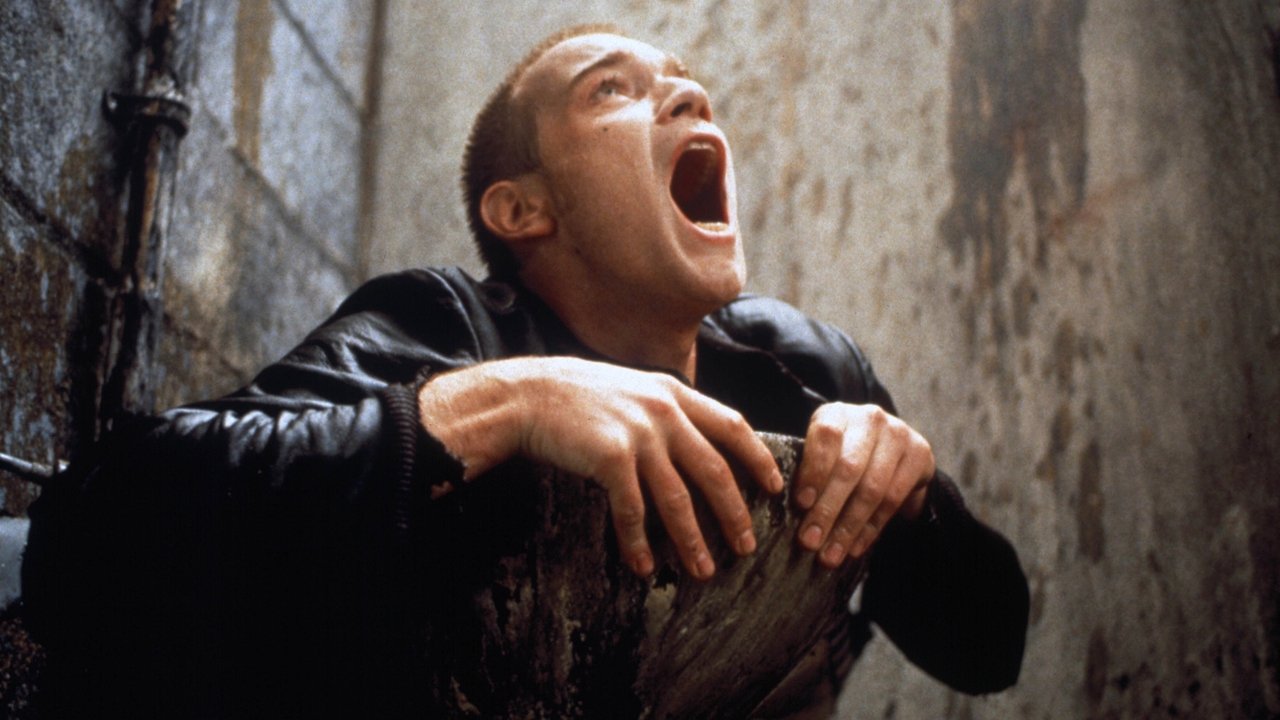
- The infamous "Worst Toilet in Scotland" scene? The filth Renton dives into was reportedly mostly chocolate. Knowing that doesn't make the scene any less stomach-churning on screen, a testament to the filmmaking.
- The soundtrack wasn't just background music; it was integral. Tracks like Underworld's "Born Slippy .NUXX," which closes the film, became synonymous with 90s rave culture and the film's specific energy.
- The film inevitably stirred controversy, with some critics accusing it of glorifying drug use, despite its often harrowing depictions of addiction's consequences. Bob Dole, during his US presidential campaign, even denounced it without having seen it. The bold "Choose Life" marketing campaign played right into this buzz.
Legacy of a Fix
Does Trainspotting glamorize heroin? It's a question that followed the film from its release. But watching it again, what strikes me is its unflinching honesty. It portrays the seductive rush, the camaraderie, the escape – but it never shies away from the degradation, the betrayal, the sickness, and the death that inevitably follow. It forces us to confront uncomfortable truths about society, poverty, and the choices people make when faced with limited options or overwhelming despair. Its influence on British cinema was immediate and profound, paving the way for more stylistically bold and thematically challenging films. The fact that a sequel, T2 Trainspotting, arrived in 2017, reuniting the original cast and director, speaks to the enduring hold these characters and their world have on our collective imagination.
Watching Trainspotting on VHS back in the day felt potent, edgy. The slightly fuzzy picture on a CRT somehow suited the gritty aesthetic. It was a film you talked about, argued about, felt deeply. It hasn't lost any of its power. The energy still crackles, the performances still resonate, and the questions it raises about life, choice, and escape feel just as relevant. It remains a landmark of 90s cinema – provocative, unforgettable, and undeniably brilliant.
Rating: 9/10
This score reflects the film's raw energy, exceptional performances, Danny Boyle's audacious direction, its cultural impact, and its unflinching, albeit stylized, portrayal of addiction and disillusionment. It’s a visceral cinematic experience that burns itself into your memory, perfectly capturing a specific time and feeling while exploring timeless human struggles.