Alright, fellow tapeheads, dim the lights, maybe crack open a lukewarm generic cola you forgot about, and let’s talk about a movie that feels less like it was distributed and more like it escaped. I’m talking about Jim Van Bebber’s 1988 gut-punch, Deadbeat at Dawn. Finding this cassette on a dusty rental shelf back in the day felt like uncovering forbidden knowledge – a grainy, flickering portal into a world far removed from the slick, polished action flicks dominating the multiplexes. This wasn't Lethal Weapon; this was scraped knuckles, cheap beer, and genuine despair filmed on what looks like pocket change and sheer willpower.
### Welcome to the Grindhouse, Population: You
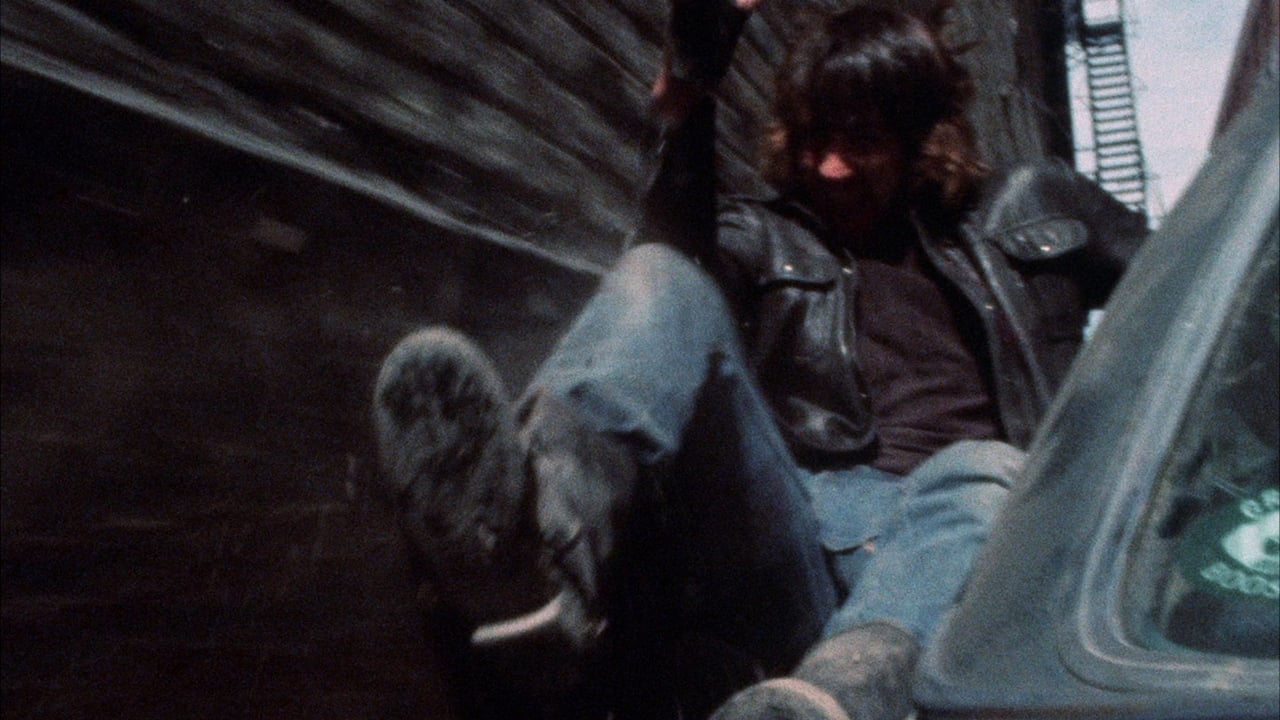
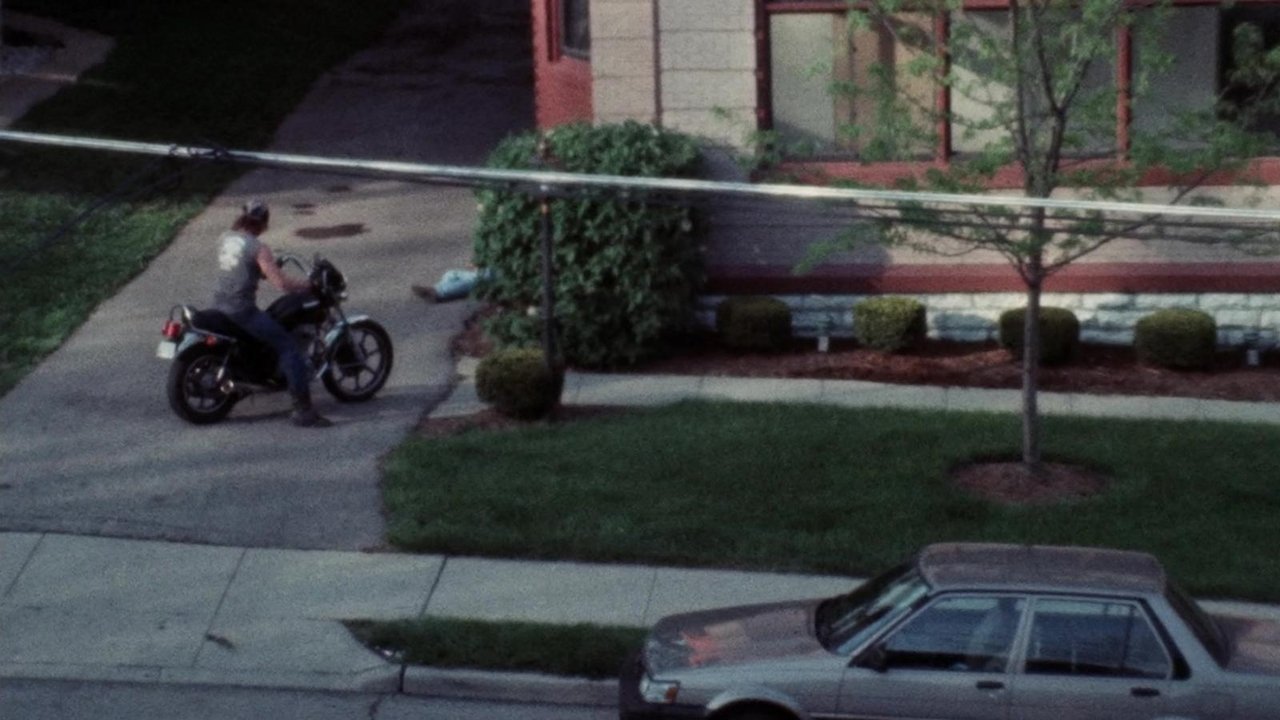
Forget sunny California or bustling New York. Deadbeat at Dawn throws us headfirst into the decaying urban landscape of Dayton, Ohio – a backdrop that feels less like a set and more like a character in itself, breathing fumes and radiating hopelessness. Our guide through this rustbelt purgatory is Goose, played with feral intensity by writer/director/star Jim Van Bebber himself. Goose is the charismatic, nunchaku-wielding leader of The Spiders, locked in a perpetual, pointless turf war with the rival gang, The Ravens, led by the sneering Danny (a perfectly cast Marc Pitman).
Goose wants out. His girlfriend, the sweet and grounding Christy (Megan Murphy), pleads with him to leave the life, and for a moment, it seems possible. But this isn't a redemption story you find in mainstream Hollywood. This is a grimy slice of independent filmmaking where happiness is fleeting, and violence is the only currency that holds value. When tragedy strikes – orchestrated by his former associates – Goose is dragged back into the nihilistic vortex, armed with grief, rage, and those infamous nunchaku.
### Raw Power, No Polish
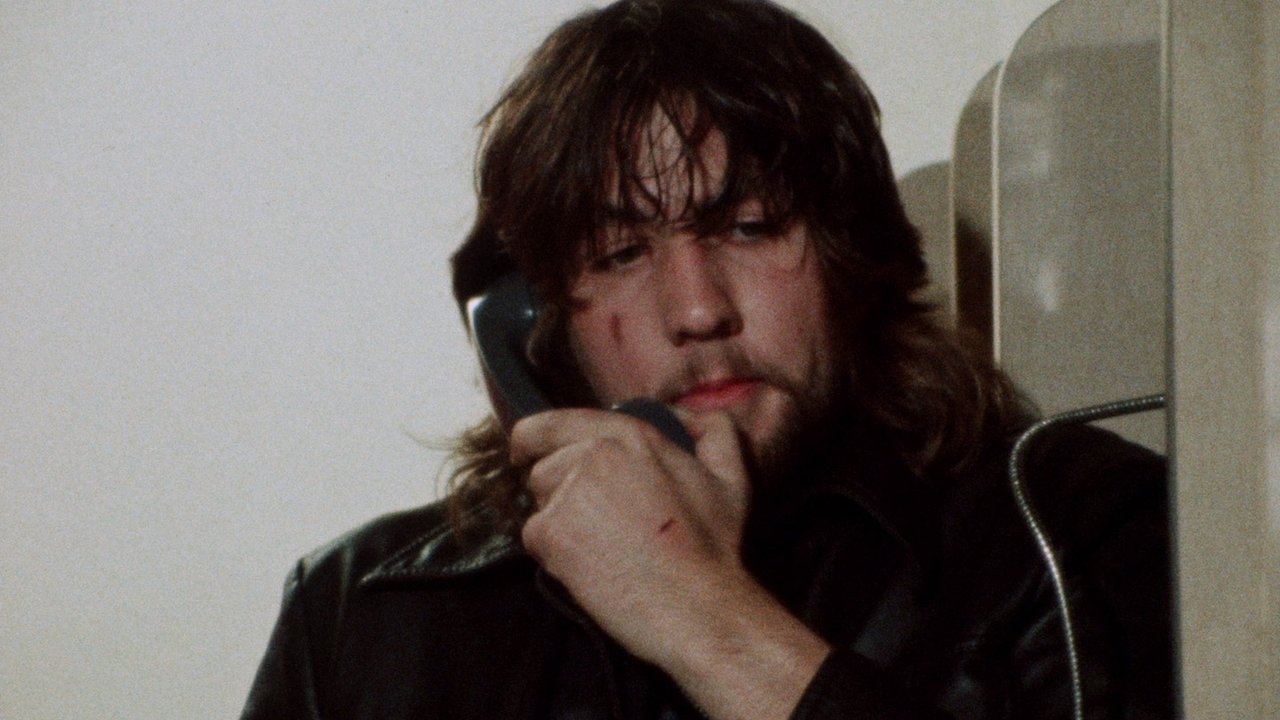
Let's talk about the action, because Deadbeat delivers it in spades, albeit with a flavour distinctly its own. Forget wire-fu or carefully choreographed ballets of destruction. The fights here are messy, brutal, and feel dangerously real. Punches land with sickening thuds, bodies hit pavement hard, and the violence is unflinchingly graphic, pushing boundaries in a way that still feels shocking today. This wasn't achieved with fancy CGI – this was done with dedicated performers throwing themselves into the fray, often with Van Bebber himself leading the charge.
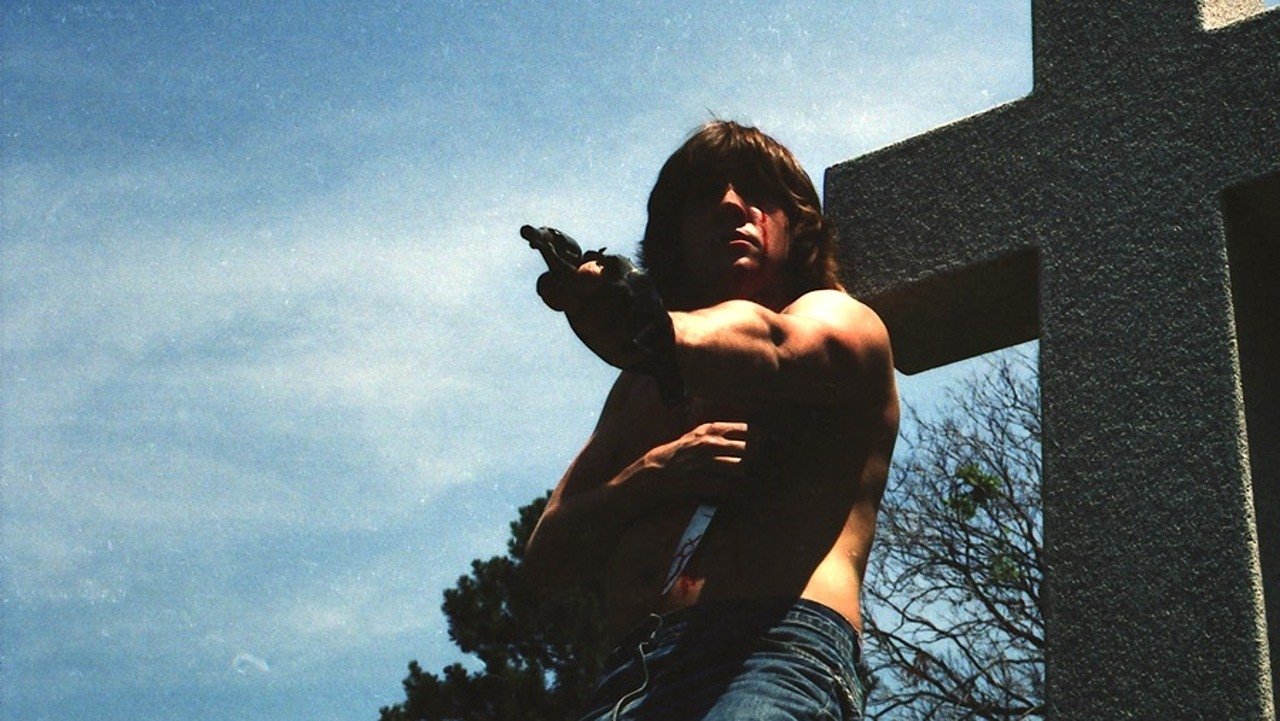
Remember that climactic nunchaku sequence? It’s the stuff of low-budget legend. It’s not graceful, it’s not elegant, but it’s pure, unadulterated chaos. You can practically smell the sweat and desperation. Van Bebber, who famously performed many of his own stunts out of necessity on the film’s shoestring budget (rumoured to be as low as $10,000 – think about that!), embodies the raw physicality the film needed. This DIY ethos permeates every frame. The limited resources weren't just a hurdle; they became part of the film's jagged aesthetic, enhancing its gritty realism. You watch those fights, knowing there were no safety nets, no digital erasures – just pure, visceral filmmaking captured on grainy film stock. Wasn't there something undeniably thrilling about seeing that kind of commitment on screen back then?
### One Man's Obsession
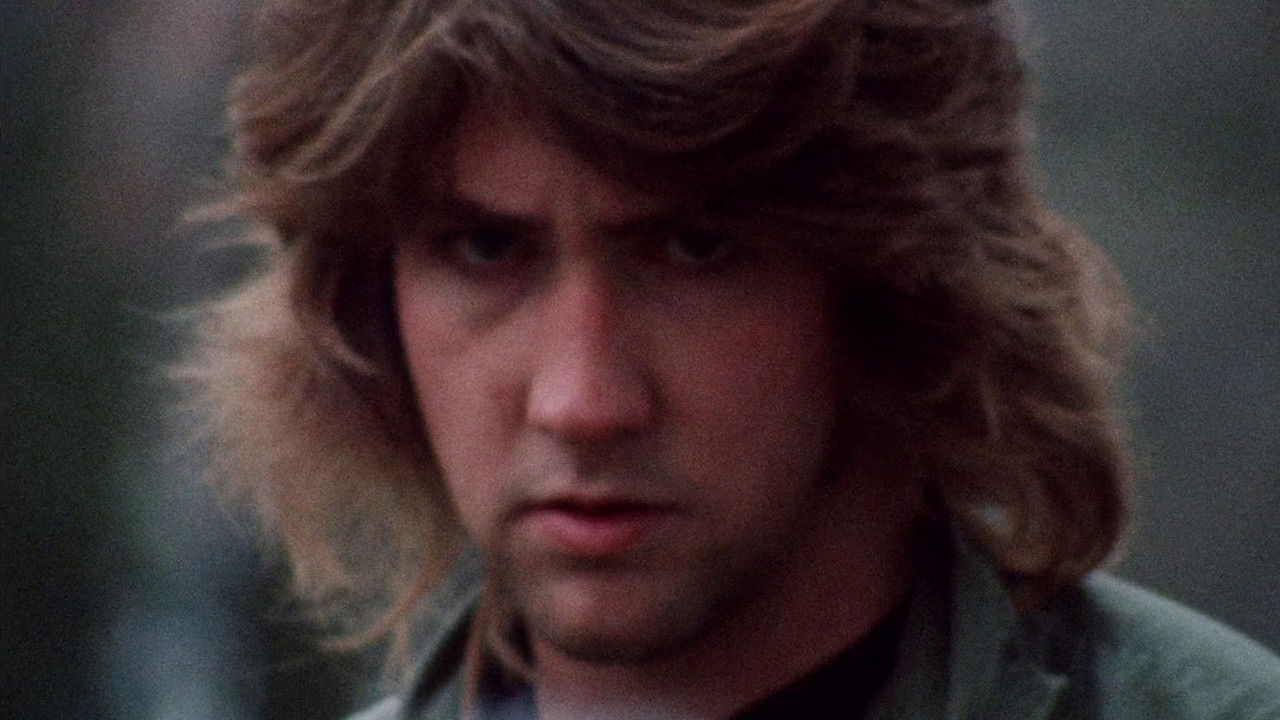
It’s impossible to discuss Deadbeat at Dawn without focusing on Jim Van Bebber. This film is Van Bebber. He conceived it, wrote it, directed it, starred in it, and bled for it (probably literally). It reportedly began life as a film school project, ballooning into this feature-length statement of intent. His performance as Goose is magnetic – a volatile mix of street-smart swagger and wounded vulnerability. His direction is raw but effective, maximizing the impact of the low budget through sheer grit and inventive, often confrontational, staging. You see echoes of this uncompromising approach in his later, equally notorious work like The Manson Family (2003).
The supporting cast, drawn largely from the local scene, brings an authentic roughness that perfectly complements the film’s world. There's no Hollywood gloss here, just faces that look like they've lived the lives depicted on screen. The lo-fi synth score, while simple, adds another layer to the oppressive, grimy atmosphere. Watching it on VHS, with the occasional tracking fuzz and colour bleed, only amplified the feeling that you were watching something illicit, something raw and untamed.
### Cult Status Cemented
Upon its limited release, Deadbeat at Dawn didn't exactly set the box office on fire. It was too violent, too bleak, too real for mainstream tastes or many critics of the time. But like so many hidden gems of the VHS era, it found its audience – passed around on dubbed tapes, discovered late at night on cable, and celebrated by fans of extreme cinema and truly independent filmmaking. It became a notorious cult classic, admired for its audacity, its raw energy, and its refusal to compromise. It stands as a testament to what can be achieved with vision, passion, and a willingness to push boundaries, regardless of budget.
---
Rating: 8/10
Justification: Deadbeat at Dawn isn't technically perfect – the acting can be uneven, and the budget limitations are often apparent. But its raw power, visceral action, uncompromising vision, and Jim Van Bebber's triple-threat commitment elevate it far beyond its humble origins. It’s a landmark of low-budget, independent action filmmaking that delivers an authentic, gut-level experience often missing from more polished productions. The 8 reflects its impact, its cult status, and its sheer, undeniable energy.
Final Thought: Forget slick choreography; Deadbeat at Dawn is the cinematic equivalent of a back-alley brawl captured on a stolen camcorder – brutal, messy, unforgettable, and a pure distillation of VHS-era grit that still hits hard.