Some cinematic plagues creep under your skin with insidious suggestion. Others, like Herman Yau’s notorious 1996 Category III shocker Ebola Syndrome (Original Title: Yi boh laai beng duk), feel like being deliberately smeared with filth, contagion, and pure human awfulness. This isn't a film that haunts your thoughts with subtle dread; it's a cinematic sledgehammer to the senses, leaving you feeling grimy and maybe questioning the limits of exploitation cinema. Forget nuance; this is a full-frontal assault broadcast straight from the gutters of Hong Kong and the unforgiving landscapes of South Africa.

From Bad to Unspeakably Worse
The film wastes no time establishing the utter depravity of its central figure, Kai, played with terrifying, go-for-broke intensity by Anthony Wong Chau-sang. Reuniting with director Herman Yau after their equally infamous collaboration on The Untold Story (1993) – for which Wong snagged a Hong Kong Film Award – they clearly aimed to push boundaries even further. We meet Kai just as he’s murdering his boss, wife, and cousin in a fit of rage in Hong Kong. Fleeing to Johannesburg, South Africa, he finds work in a Chinese restaurant, but his inherently vile nature quickly resurfaces. It’s during a horrifying assault on a local Zulu woman dying from Ebola that Kai contracts the virus himself. Bizarrely, he survives, becoming an asymptomatic carrier – a walking biological weapon fueled by pure malice.
The location shooting in South Africa adds a layer of gritty realism often missing from lower-budget Hong Kong productions of the era. You can almost feel the heat and dust, which makes the subsequent horrors feel disturbingly grounded, even amidst the escalating insanity. It’s during this section that the film delivers one of its most unforgettable (and stomach-churning) sequences, setting the stage for the nightmare Kai is about to unleash upon his return to Hong Kong.
The Germ Warfare of a Sociopath
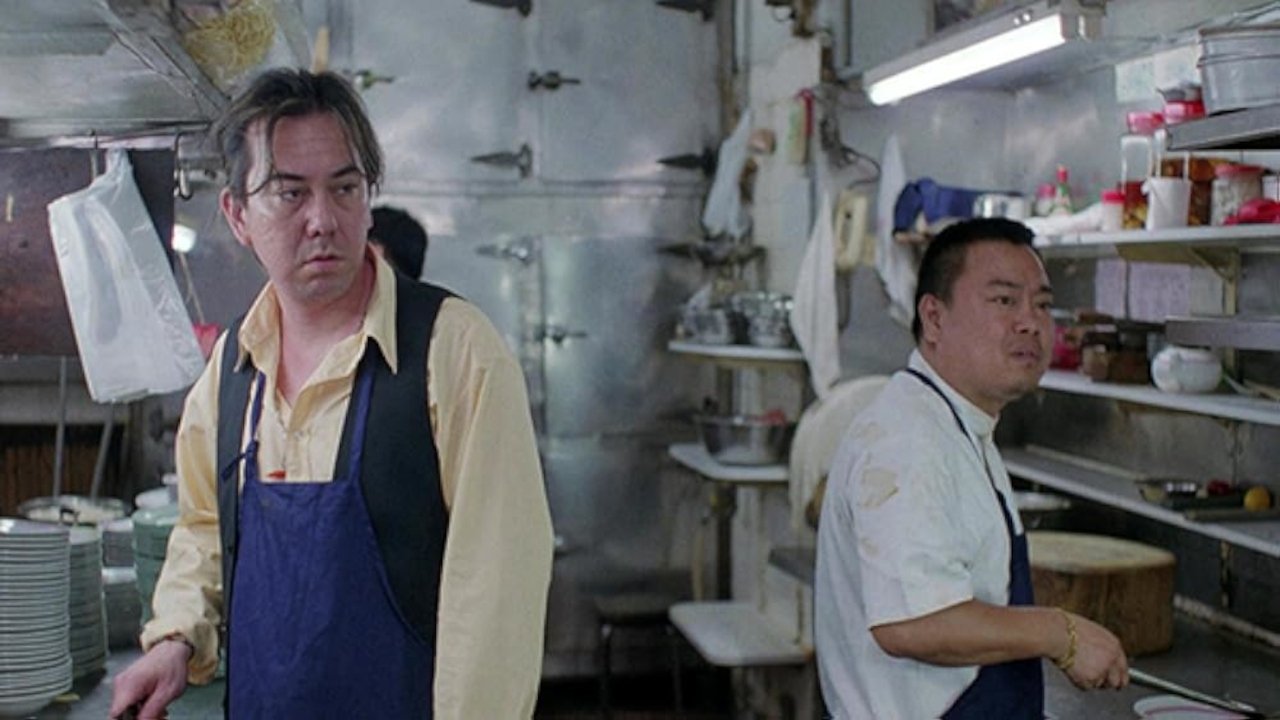
Back in Hong Kong, working at another Chinese restaurant (hygiene standards are apparently not Kai's forte), the film descends into a truly nauseating spectacle. Kai, fully aware of his contagious state, begins to deliberately infect those around him – spitting in food, using contaminated utensils, and eventually resorting to even more direct, violent methods. These scenes are the stuff of legend among extreme cinema fans. The sheer audacity of filming Kai mincing Ebola-infected meat into hamburgers ("African Style!") and serving them to unsuspecting customers is both horrifying and darkly, uncomfortably funny in the most transgressive way possible.
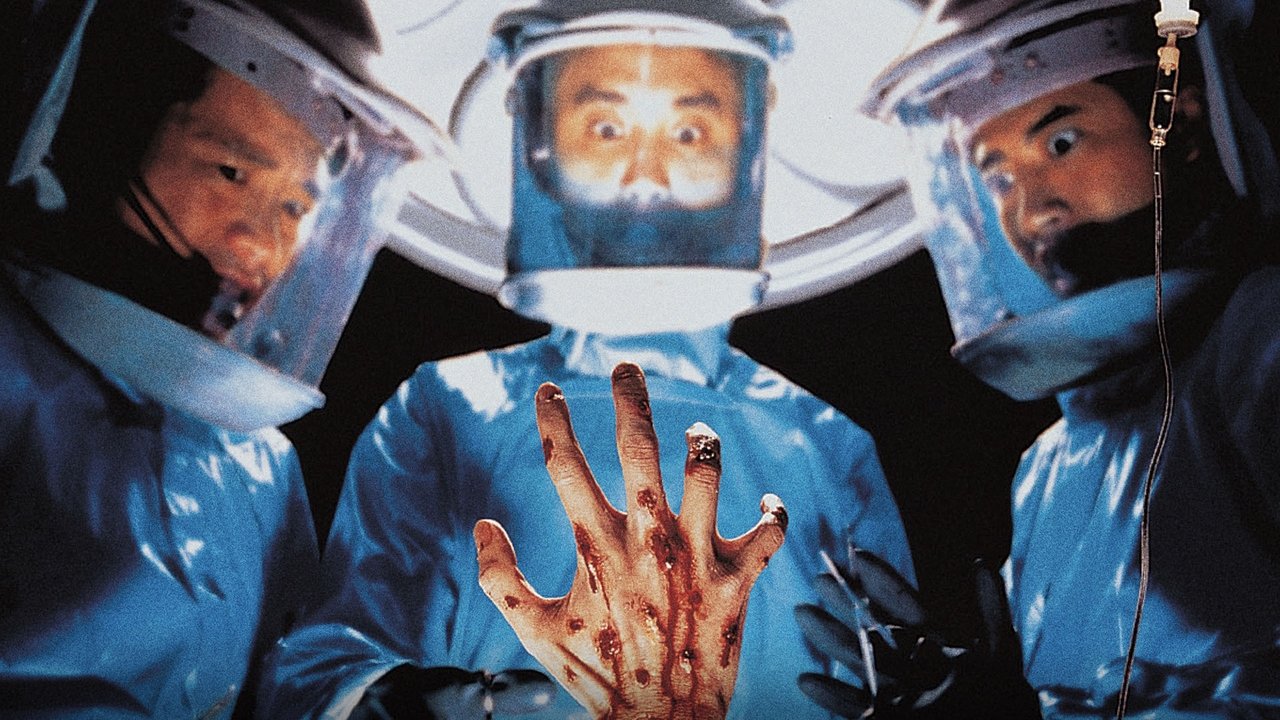
Herman Yau, known for his efficient, often brutally effective style, doesn’t shy away from the viscera. The practical effects, while perhaps looking a bit dated now, possess a tangible grossness that CGI rarely achieves. Vomiting blood, oozing sores, liquefying organs – it’s all paraded with a kind of grotesque glee. This wasn't slick Hollywood horror; this was raw, confrontational, and aimed squarely at shocking the audience. Rumours abound about the challenges of staging such messy sequences, often requiring multiple takes and leaving the set, well, unpleasant. It’s a testament to the crew’s fortitude, or perhaps their shared commitment to creating something utterly unforgettable, for better or worse.
A Performance Beyond Villainy
At the heart of this maelstrom is Anthony Wong. His portrayal of Kai isn't just evil; it's subhuman. There's no trace of sympathy, no hidden trauma to explain his actions – he is simply a creature of pure, unadulterated hate and selfishness. Wong throws himself into the role with a lack of vanity that is genuinely disturbing. It’s the kind of performance that sticks with you, less for its subtlety and more for its sheer, unhinged commitment. He reportedly embraced the character's vileness, understanding that the film's power lay in its absolute refusal to compromise. Watching him leer, grunt, and unleash chaos is like staring into an abyss of human degradation. Supporting actors like Lo Meng (a Shaw Brothers legend) provide familiar faces, but this is undeniably Wong's show.
Category III Nightmare Fuel
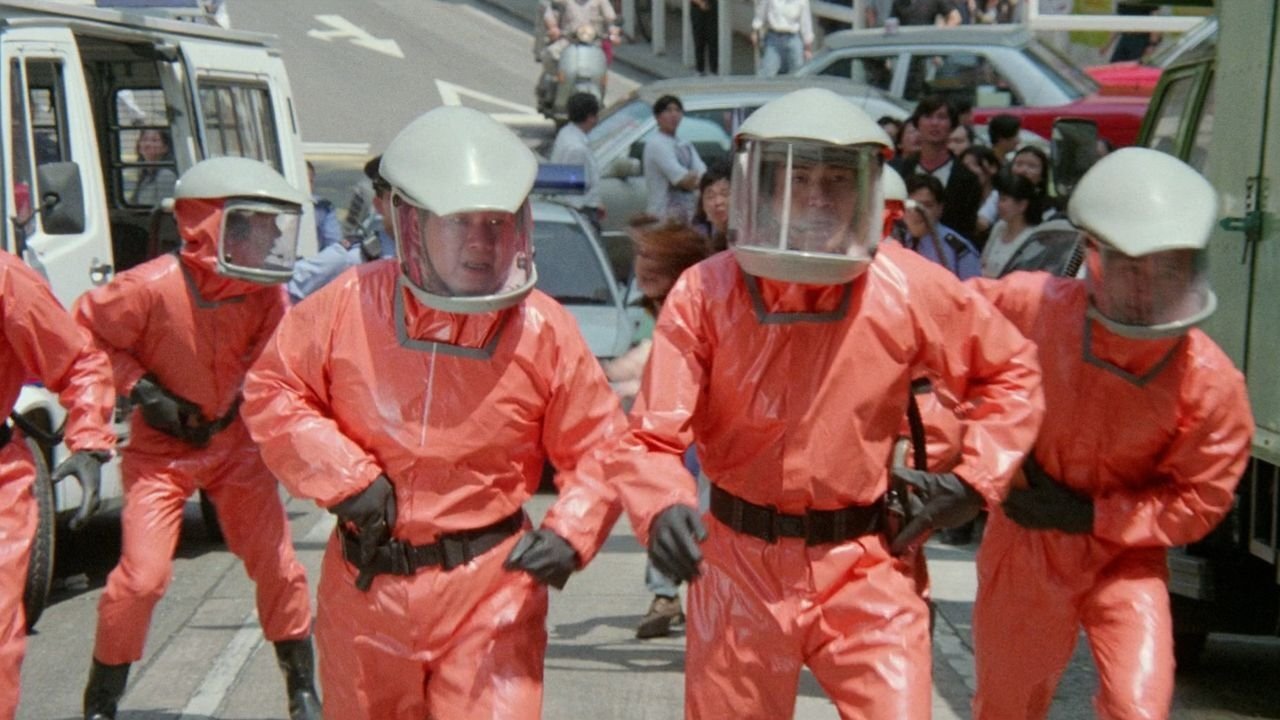
Ebola Syndrome is a quintessential Hong Kong Category III film – a rating denoting content unsuitable for those under 18, often encompassing extreme violence, gore, and explicit themes. These films thrived in the anything-goes atmosphere of pre-Handover Hong Kong cinema, offering experiences far beyond what mainstream Western audiences were accustomed to. Finding a copy of this on VHS back in the day often felt like uncovering forbidden knowledge, perhaps traded furtively or discovered in the less-visited corners of the rental store. It tapped directly into the very real Ebola scares circulating in the news during the mid-90s, twisting public anxiety into grotesque exploitation. While its graphic nature likely led to censorship issues in many territories, its reputation only grew within cult circles.
Does it hold up? Well, it depends on what you're looking for. As a piece of nuanced horror storytelling, absolutely not. It’s crude, offensive, and relentlessly bleak. But as a historical artifact of extreme cinema, a showcase for one of Anthony Wong's most notorious roles, and a prime example of Hong Kong Category III filmmaking at its most confrontational? It remains undeniably potent. It’s a film that dares you to keep watching, pushing the boundaries of taste and decency with every frame.
Rating: 7/10
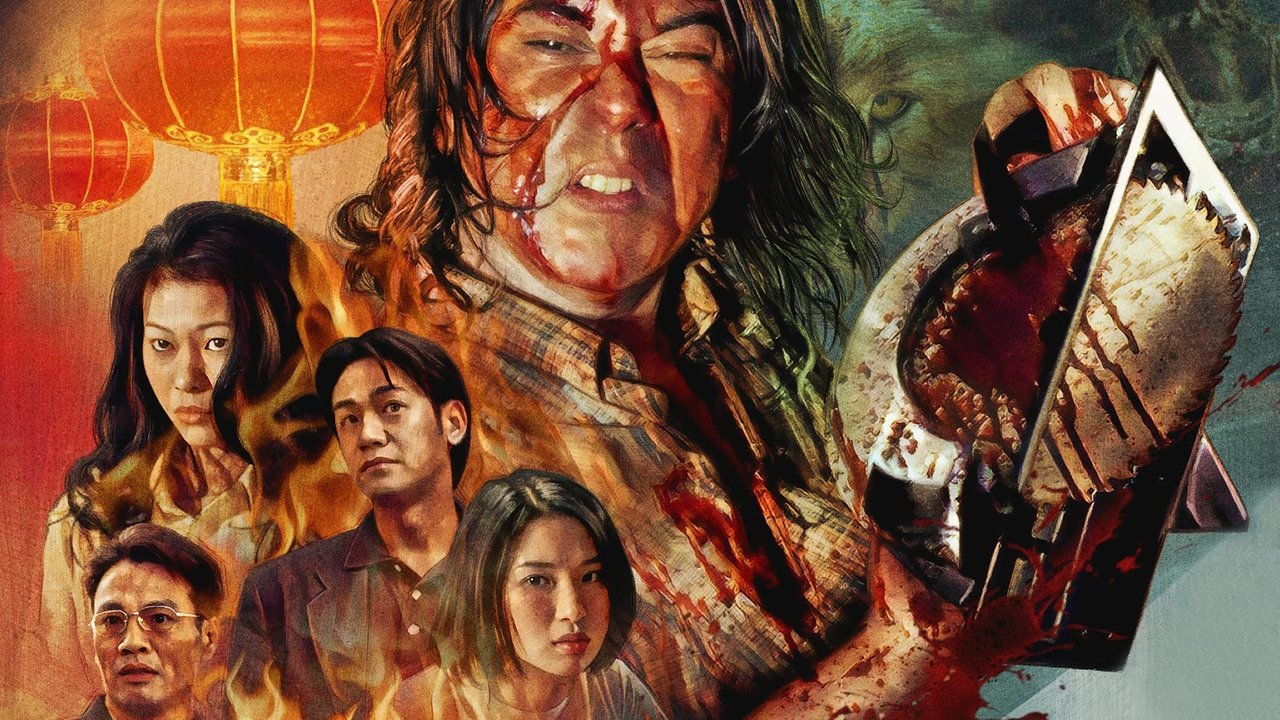
Justification: This score isn't for traditional quality – the filmmaking is often rough, the plot nihilistic to a fault. However, for sheer impact, historical significance within its niche (Category III exploitation), and the unforgettable, truly fearless central performance by Anthony Wong, Ebola Syndrome earns a high mark. It achieves exactly what it sets out to do: shock, disgust, and burrow into your memory like the virus itself. It’s a landmark of extreme Hong Kong cinema, repulsive yet morbidly fascinating.
Final Thought: Decades later, Ebola Syndrome hasn't mellowed. It remains a brutally effective piece of cinematic contamination, a reminder of a time when Hong Kong cinema dared to go to places few others would even contemplate. You might need a long shower afterwards, but you certainly won't forget it.